
How to Recover a Vehicle Stuck in Mud
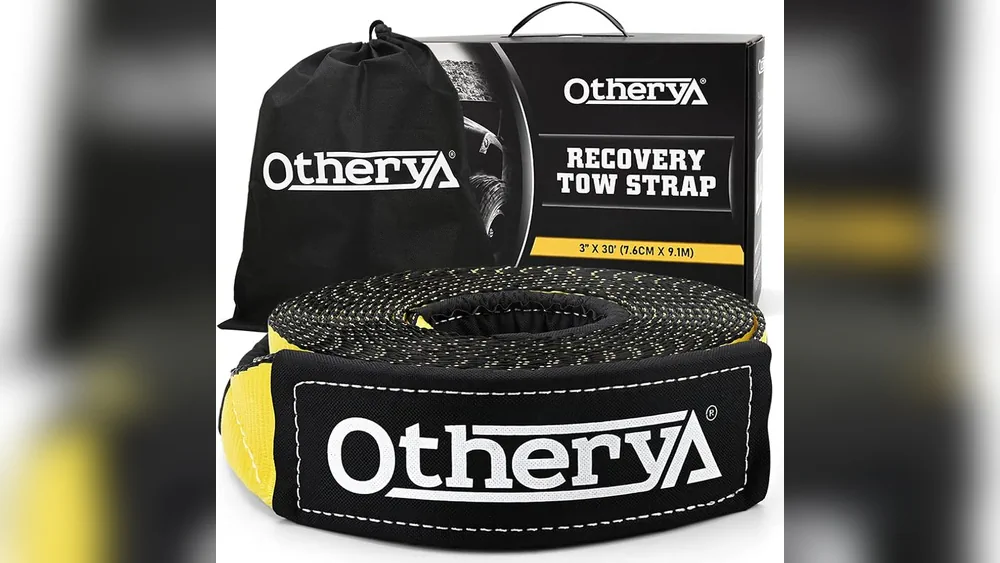
Getting your vehicle stuck in mud can be stressful, especially if you’re far from help. Knowing how to recover a vehicle with a winch is a valuable skill for off-road drivers, rescue teams, and anyone who faces muddy terrain. A winch can pull your vehicle out safely, but using it correctly prevents damage and injury.
This article breaks down each step, shares common mistakes, and explains key tips for a safe recovery. Whether you’re a beginner or have some experience, you’ll find practical advice and clear explanations to make your next recovery easier and safer.
Understanding The Basics Of Winch Recovery
A winch is a mechanical device that uses a rope or cable wound around a drum to pull heavy objects. For vehicle recovery, electric winches are most common, mounted on the front bumper. They provide strong pulling power and can help free a vehicle stuck in mud, sand, or snow.
Before starting, assess the situation. Check how deep the vehicle is stuck, the surrounding terrain, and the weight of your vehicle. Most winches range from 8,000 to 12,000 pounds pulling capacity. Use a winch rated higher than your vehicle’s weight for safety.
Types Of Winch Cables
There are two main cable types:
- Steel cable: Strong, durable, but heavier and can snap dangerously.
- Synthetic rope: Lighter and safer, but more sensitive to abrasion and UV.
Choose a cable based on your needs, but always inspect it for damage before use.
Preparing For Safe Recovery
Getting ready is as important as the winch itself. Here’s how to prepare:
- Clear the Area: Remove mud, rocks, and debris around the tires and undercarriage. This reduces resistance and helps the winch work more efficiently.
- Use Recovery Gear: Essential items include gloves, a recovery strap, a D-shackle, and a winch damper. Gloves protect your hands, while the damper prevents dangerous recoil if the cable snaps.
- Plan the Pull Angle: The winch works best pulling straight ahead. Side angles can stress the winch and cable, making recovery harder.
A common mistake is skipping the gear check. Make sure all recovery tools are in good shape before starting.
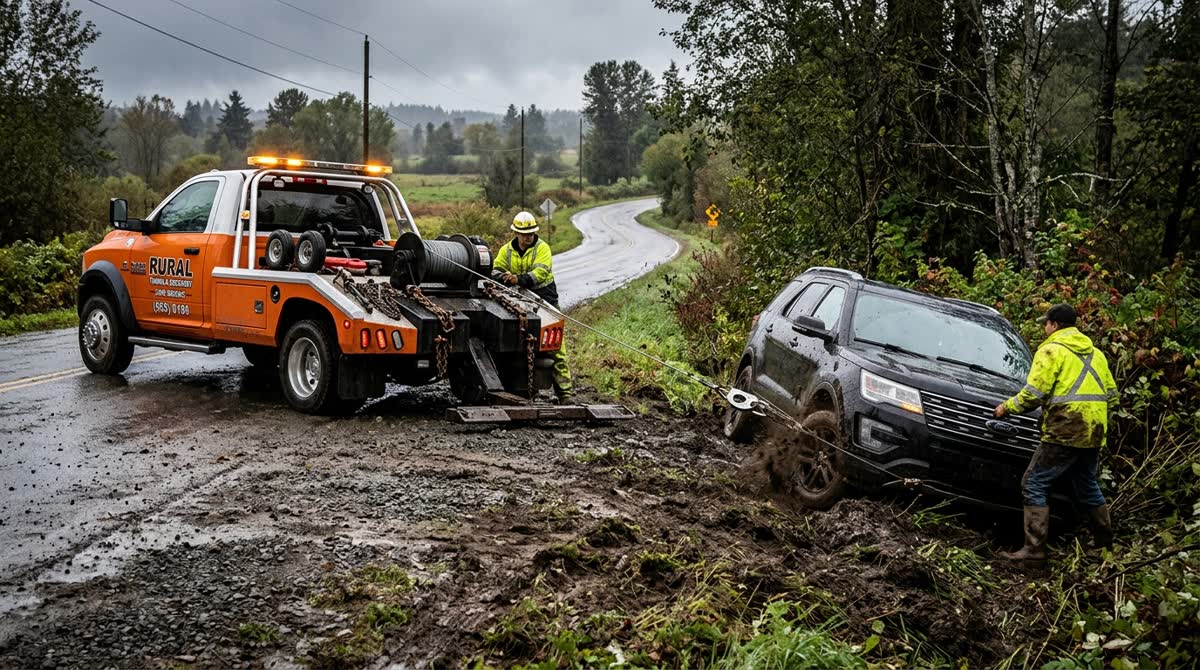
Credit: districttowing.com
Step-by-step Winch Recovery Process
Follow these steps to recover your vehicle safely:
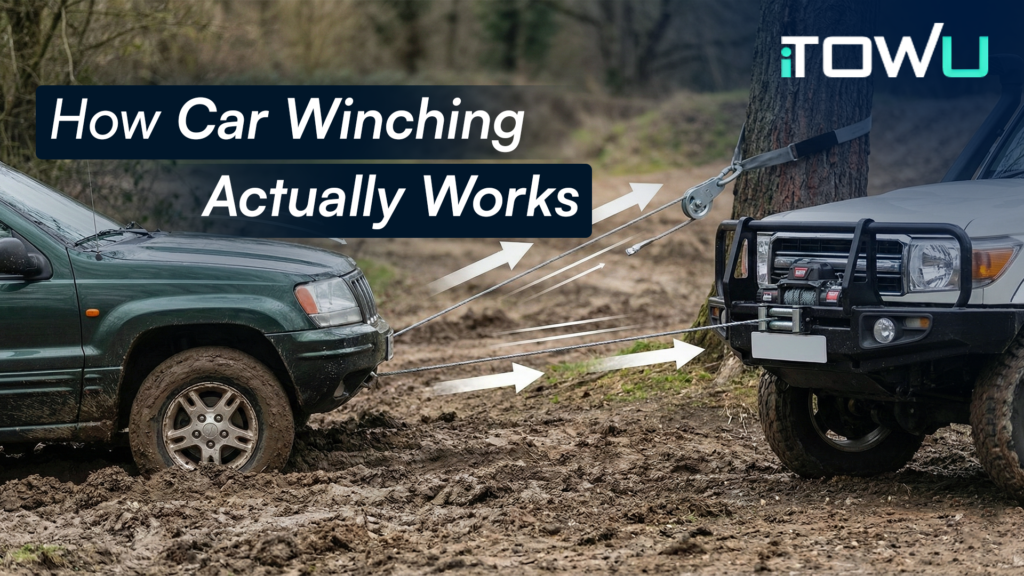
1. Find A Solid Anchor Point
Look for a strong object like a tree or another vehicle. The anchor must be stable and able to handle the load. If using a tree, wrap a tree strap around the base to avoid damage.
2. Attach The Winch Line
Use a D-shackle to connect the winch line to the anchor point or tree strap. Make sure the connection is secure, but not over-tightened.
3. Set Up The Winch Damper
Place a winch damper or heavy jacket on the cable, halfway between the vehicle and anchor. This reduces risk if the cable breaks.
4. Power Up The Winch
Turn on the winch, keeping the engine running to avoid draining the battery. Use the remote control to slowly tighten the cable, then start winching at a steady pace.
5. Monitor The Recovery
Watch the cable and vehicle movement carefully. Stop if the cable shows stress or the vehicle does not move.
6. Assist The Vehicle
While winching, gently press the accelerator to help the wheels turn. Don’t spin the tires, as this can dig the vehicle deeper.
7. Stop And Secure
Once free, stop the winch, detach the cable, and pack up all gear. Inspect the cable for damage before storage.
Here’s a quick comparison of pulling methods:
| Method | Speed | Risk | Efficiency |
|---|---|---|---|
| Winch | Moderate | Low (if done safely) | High |
| Push/Pull | Slow | Medium | Low |
| Tow Strap | Fast | High (if not controlled) | Medium |
Practical Tips For Mud Recovery
Recovering from mud is different from sand or snow. Mud can be sticky and slippery, so traction matters.
- Lower Tire Pressure: Reducing tire pressure increases the contact area and improves traction.
- Use Traction Boards: Place boards or mats under the wheels to help grip. This makes winching easier.
- Clear Mud from Tires: Mud stuck in treads reduces grip. Clean tires before winching.
Some beginners forget to clear mud from the undercarriage. This can add extra weight and make winching less effective.
Credit: itowu.com
Avoiding Common Mistakes
Here are mistakes to watch for:
- Overloading the Winch: Pulling more than the rated capacity can break the winch and cable.
- Poor Anchor Choice: Weak anchors can fail and cause injury.
- Winching Too Fast: Rapid pulls can snap cables or damage the vehicle.
- Ignoring Safety Gear: Not using gloves or dampers increases risk.
Always double-check connections and keep bystanders away from the cable path.
Comparing Winch Recovery To Other Methods
Let’s look at recovery options:
| Recovery Method | Best for | Tools Needed | Safety Level |
|---|---|---|---|
| Winch | Deep mud, heavy vehicles | Winch, strap, anchor | High |
| Tow Strap | Shallow mud, light vehicles | Tow strap, helper vehicle | Medium |
| Manual Digging | Soft mud, solo recovery | Shovel, boards | Low |
Winch recovery stands out for strength and control, especially when alone or with heavy vehicles.

Credit: www.amazon.ie
How To Choose The Right Winch
Choosing a winch depends on several factors:
- Pulling Capacity: Pick a winch rated at least 1.5 times your vehicle’s weight. For example, a 4,000-pound SUV needs a winch with 6,000-pound capacity.
- Cable Type: Decide between steel or synthetic based on terrain and safety.
- Remote Control: Wireless remotes offer flexibility and safety.
- Mounting: Make sure your bumper supports the winch weight.
Here’s a sample comparison of winch features:
| Feature | Steel Cable | Synthetic Rope |
|---|---|---|
| Weight | Heavy | Light |
| Safety | Lower | Higher |
| Durability | High | Medium |
For detailed winch ratings and advice, check Wikipedia’s winch page.
Frequently Asked Questions
What Size Winch Do I Need For My Vehicle?
Choose a winch rated at least 1. 5 times your vehicle’s weight. For a 5,000-pound truck, select a winch with a minimum 7,500-pound capacity.
Can I Use A Winch Alone, Or Do I Need Help?
You can use a winch solo if you have a solid anchor point. However, help is useful for guiding the cable and monitoring safety.
Is Synthetic Rope Safer Than Steel Cable?
Synthetic rope is lighter and safer in case of breakage. Steel cable is stronger and lasts longer but can whip dangerously if it snaps.
What Should I Do If My Winch Cable Breaks?
Stop immediately and keep clear. Replace the cable before trying again. Always use a winch damper to reduce risk.
How Can I Prevent Getting Stuck In Mud?
Drive slowly, avoid deep mud holes, and use traction aids. Lower tire pressure and keep recovery gear ready.
Recovering a vehicle stuck in mud with a winch requires preparation, patience, and safety focus. With the right tools and technique, you can free your vehicle quickly and avoid damage. Always check your equipment before use, follow each step carefully, and keep safety a priority.
This knowledge makes off-road adventures safer and more enjoyable for everyone.
Related posts
 Why You Should Use a Foam Cannon for Car Washing: Ultimate Guide
Washing your car is more than just making it look good. It protects the paint, keeps the value high, and makes driving feel better. But if…
 How to Clean Leather Seats Without Damaging Them: Expert Tips
Keeping your leather seats clean can be a challenge. Leather looks beautiful and feels luxurious, but it needs special care. Many people worry about damaging their…
 Why Using a Ceramic Coating Spray is Important for Your Car’s Shine
If you care about your car’s appearance and value, you probably wash and wax it regularly. But did you know there’s a better way to protect…