
Off-Road Vehicle Recovery During Winter Conditions: Essential Tips
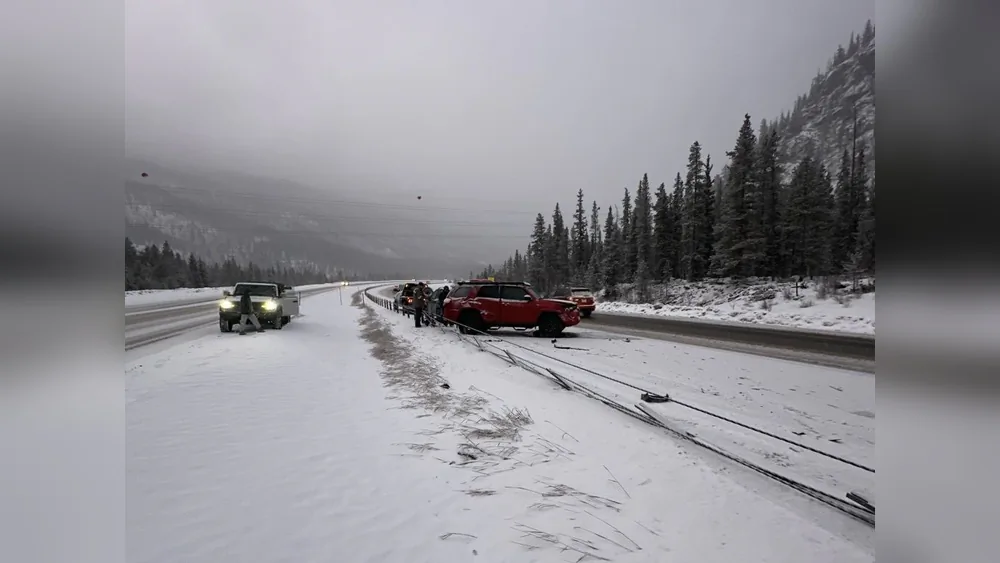
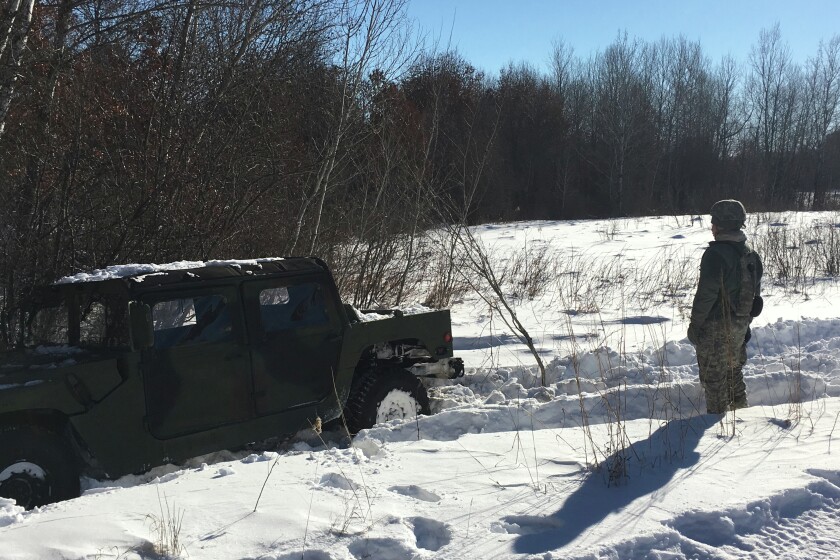
Getting stuck with your vehicle in winter can be stressful. The snow, ice, and freezing temperatures make off-road recovery much harder. Yet, with the right tools, knowledge, and approach, you can safely recover your vehicle and help others too. This guide will give you practical steps, real-world examples, and important advice to handle off-road vehicle recovery during winter conditions.
Whether you drive an SUV, truck, or ATV, understanding these recovery basics can make the difference between a quick rescue and a dangerous situation.
Why Winter Recovery Is Unique
Recovering a stuck vehicle in winter is very different from summer or dry conditions. Snow and ice reduce traction for both the stuck vehicle and any helpers. Cold weather affects batteries, recovery gear, and even your body’s ability to work.
Visibility can drop quickly during snowstorms, making it harder to see hazards or call for help. Additionally, the risk of hypothermia and frostbite is real if you’re not prepared.
A common mistake is assuming standard recovery methods will work. For example, spinning tires in deep snow often makes things worse, digging you down to the frame. Also, using gear not rated for cold can lead to broken straps, snapped ropes, or injuries.
Essential Recovery Gear For Winter
Having the right gear is critical. Not all tools are made for freezing conditions. Here’s what you should have in your recovery kit for winter off-roading:
- Recovery straps: Use high-quality, cold-rated recovery straps (not simple tow ropes). Check the breaking strength and make sure they’re rated for your vehicle’s weight.
- Shovel: A metal or reinforced snow shovel helps clear snow and ice from around tires and under the chassis.
- Traction boards: These give your tires grip on ice or deep snow. Some boards get brittle in cold, so choose ones made for winter use.
- Winch: An electric winch with a synthetic line is ideal, but keep the line dry since wet rope can freeze and lose strength.
- D-rings or shackles: Use steel shackles rated for your load. Avoid cheap hardware store versions—they may snap in cold.
- Tire deflator and gauge: Lowering tire pressure increases the contact patch, helping you float on snow.
- Gloves and insulated gear: Handling cold metal or synthetic lines can hurt your hands quickly.
- Emergency blanket and hand warmers: If you’re stuck for hours, staying warm is essential.
- Jump starter or cables: Batteries lose power in cold. A jump starter can get you moving if your battery fails.
- Headlamp or flashlight: Winter days are short. Recovery often happens in the dark.
Recommended Recovery Gear Comparison
Here’s a quick comparison of common gear types for winter recoveries:
| Gear | Best For | Winter Durability | Cost |
|---|---|---|---|
| Recovery Strap | Medium to heavy SUVs/trucks | High (if cold-rated) | $$ |
| Traction Boards | Sand, snow, ice | Varies (choose flexible, cold-rated type) | $$$ |
| Winch | Heavy vehicles, deep snow | High (synthetic line preferred) | $$$$ |
Credit: wessiler.substack.com
Step-by-step Winter Vehicle Recovery
Proper recovery is about more than just pulling a stuck car. Every step matters, from assessing the situation to post-recovery checks.
1. Assess The Situation Safely
Before you do anything, check your surroundings. Is there oncoming traffic? Is the snow deep enough to hide obstacles like rocks or logs? Make sure everyone is safe and visible. Use hazard lights, reflective vests, or flares if near a road.
2. Don’t Spin The Tires
When you first get stuck, resist the urge to spin your tires fast. Spinning often digs the vehicle deeper. Instead, shift to the lowest gear and gently try to move forward and backward. Sometimes, gentle rocking can free you.
3. Clear Snow And Ice
Use a shovel to dig out around the tires, under the axles, and behind the vehicle. Remove as much packed snow as possible. In icy conditions, break up the ice or scatter gravel or sand for extra grip.
4. Lower Tire Pressure
Letting some air out of your tires increases the surface area and helps you “float” on the snow. Drop pressure by 25–30% of the recommended PSI, but do not go below the minimum safe level for your tire and load.
Use a gauge, not just your eyes.
5. Use Traction Boards
Place traction boards under the tires with the most power (front for front-wheel drive, rear for rear-wheel drive, or all four for AWD/4WD). Make sure they are secure and not just sliding on top of packed snow.
6. Attach Recovery Straps Or Winch
If you need help from another vehicle or a winch, attach your recovery strap or winch line to a rated recovery point on the frame—not the bumper or suspension. Double-check all connections. Never use a tow ball for winching or recovery—it can break and become a deadly projectile.
7. Gentle Pull
Ask the recovery vehicle to pull gently, not jerk. Sudden force can break gear or damage both vehicles. Communicate clearly (hand signals work well if radios or phones are not possible).
8. Watch For Signs Of Trouble
During the pull, if you see straps stretching too much, hardware bending, or hear loud pops, stop immediately. Re-check all gear before continuing.
9. Check Vehicle After Recovery
Once free, stop and check underneath your vehicle for snow packed around brakes, axles, or the radiator. Remove any buildup to avoid overheating or brake problems. If you deflated your tires, re-inflate them before driving at higher speeds.
Key Techniques For Different Winter Scenarios
Not all winter recoveries are the same. Here’s how to adjust your technique for the most common situations.
Deep Snow
In deep powder, your biggest enemy is getting “high-centered,” where the underbody sits on the snow and the wheels lose contact. In these cases:
- Dig out under the chassis as much as possible.
- Place traction boards under all four wheels if available.
- Use the “rocking” method (gently moving forward and backward) to build up a packed track.
- If you have a winch, anchor to a tree ahead and pull slowly.
Ice
On ice, traction is almost zero. Even 4WD vehicles can slide uncontrollably. Key tips:
- Lay sand, gravel, or even your floor mats in front of the tires.
- Keep movements slow and avoid sudden steering or throttle inputs.
- If using a winch, pull at a slight angle to help tires find grip.
Slush And Wet Snow
Slush can freeze around your tires and brakes, making movement difficult. It can also soak recovery gear, which may then freeze.
- After recovery, check and clean your brakes.
- Dry off straps, ropes, and boards if possible before storing them.
- If possible, move your vehicle a short distance and stop again to ensure nothing is frozen solid.

Credit: www.northernforum.org
Common Mistakes To Avoid
Learning from others’ mistakes can save time and prevent accidents.
- Using weak or unrated gear: Always check the load rating and condition of your recovery tools.
- Ignoring the weather: A storm can move in fast. If the forecast looks bad, delay your trip.
- Not telling someone your plan: Always inform a friend or family member where you’re going and your expected return.
- No communication devices: In remote areas, cell phones may not work. Consider a satellite communicator or two-way radio.
Preparing Yourself And Passengers
Personal safety is as important as vehicle safety. Winter conditions can turn a simple recovery into a survival situation.
- Dress in layers—avoid cotton, which stays wet and cold.
- Carry extra food, water, and a first-aid kit.
- Have backup heat sources (hand warmers, insulated blankets).
- If stranded for long, run the engine for short periods only, and keep the exhaust clear of snow to prevent carbon monoxide poisoning.
Real-world Example: Recovery Gone Wrong
Last winter, a group of friends tried to recover their SUV stuck in a mountain pass. They used a thin rope from a hardware store, which snapped and damaged the rear window. Worse, one friend’s hands got frostbitten because he didn’t wear gloves while handling the icy rope.
The rescue took much longer than expected.
The lesson: use rated gear, protect yourself from the cold, and never rush the process.
Cost Of Recovery: Diy Vs. Professional Help
If you can’t recover your vehicle, you might need a tow service. Winter recoveries often cost more due to the difficulty and risk.
| Recovery Method | Average Cost | Response Time | Pros | Cons |
|---|---|---|---|---|
| DIY (with proper gear) | $0–$300 (gear cost) | Immediate | Fast, empowering, no waiting | Requires skill, risk of mistakes |
| Professional Tow | $150–$500+ | 1–6 hours (weather dependent) | Safe, experienced | Expensive, long wait times |
Credit: www.brainerddispatch.com
Vehicle Types: Which Get Stuck Most?
Some vehicles handle winter off-roading better than others. Here’s how common types compare:
| Vehicle Type | Off-Road Ability | Winter Recovery Difficulty |
|---|---|---|
| 2WD Sedan | Low | High |
| AWD Crossover | Medium | Medium |
| 4WD SUV/Truck | High | Low–Medium |
| ATV/UTV | High | Medium |
Advanced Tips Most Beginners Miss
- Pre-treat recovery gear with silicone spray to reduce icing and freezing.
- Carry a snow probe or long stick to check depth before driving over suspicious snow.
- Anchor winches to buried tires if trees aren’t available—dig a hole, bury a spare tire, and use it as a winch point.
- Mark your recovery points with colored tape before winter, so you don’t waste time searching under ice and snow.
These small steps can save you precious minutes and keep you safer in extreme cold.
When To Call For Help
If you’re low on fuel, running out of daylight, or the weather is getting worse, don’t wait too long to call for help. It’s better to get a tow truck or rescue service moving early than to wait until the situation is desperate.
For more information on winter driving safety and emergency preparedness, visit the National Highway Traffic Safety Administration.
Frequently Asked Questions
What’s The Safest Way To Attach A Recovery Strap In Winter?
Always use manufacturer-rated recovery points on your vehicle’s frame, never bumpers or suspension parts. In winter, check for ice buildup, which can make it hard for shackles to seat properly.
Can I Use Regular Tow Ropes For Off-road Recovery?
No. Regular tow ropes are not designed for heavy loads or the shock of recovery pulls—especially in cold weather. Use only recovery straps or ropes rated for your vehicle’s weight.
How Much Should I Lower My Tire Pressure For Snow?
Reduce tire pressure by 25–30% of the recommended value for better flotation. Never go below the minimum pressure listed on your tire or vehicle manual.
What If My Winch Line Or Recovery Strap Freezes?
Try to warm the line, but if it’s frozen stiff, don’t use it. Frozen synthetic lines lose flexibility and can snap under load. Keep gear dry and store in the cab if possible.
How Do I Prevent My Recovery Gear From Freezing?
Store straps and ropes in insulated bags, and use silicone spray to prevent water from sticking. Dry all gear before storing it after a recovery.
—
Off-road vehicle recovery in winter is challenging but manageable with the right skills and preparation. Equip yourself with reliable gear, understand the unique challenges of snow and ice, and always put safety first. A few smart steps can turn a winter rescue from a risky ordeal into a story of success.
Related posts
 Why You Should Use a Foam Cannon for Car Washing: Ultimate Guide
Washing your car is more than just making it look good. It protects the paint, keeps the value high, and makes driving feel better. But if…
 How to Clean Leather Seats Without Damaging Them: Expert Tips
Keeping your leather seats clean can be a challenge. Leather looks beautiful and feels luxurious, but it needs special care. Many people worry about damaging their…
 Why Using a Ceramic Coating Spray is Important for Your Car’s Shine
If you care about your car’s appearance and value, you probably wash and wax it regularly. But did you know there’s a better way to protect…