What is the Purpose of a Tree Saver Strap in Winching? Explained
Many people enjoy off-roading or need to recover vehicles stuck in mud, snow, or ditches. Winching is a common technique to pull a vehicle to safety. But there’s a tool that’s often misunderstood or ignored by beginners: the tree saver strap. If you want to recover your vehicle safely and protect the environment, understanding the purpose and use of a tree saver strap is essential.
Why Winching Needs More Than Just A Cable
Winching involves using a strong cable or rope, usually attached to a heavy anchor point, to pull a stuck vehicle. Trees are the most common anchors in forests, trails, or rural areas. But wrapping a winch cable directly around a tree can be dangerous and damaging.
The cable can cut into the bark, injure or kill the tree, and may even break under tension.
This is where a tree saver strap comes in. It’s not just an accessory — it’s a safety device for both people and nature.
What Is A Tree Saver Strap?
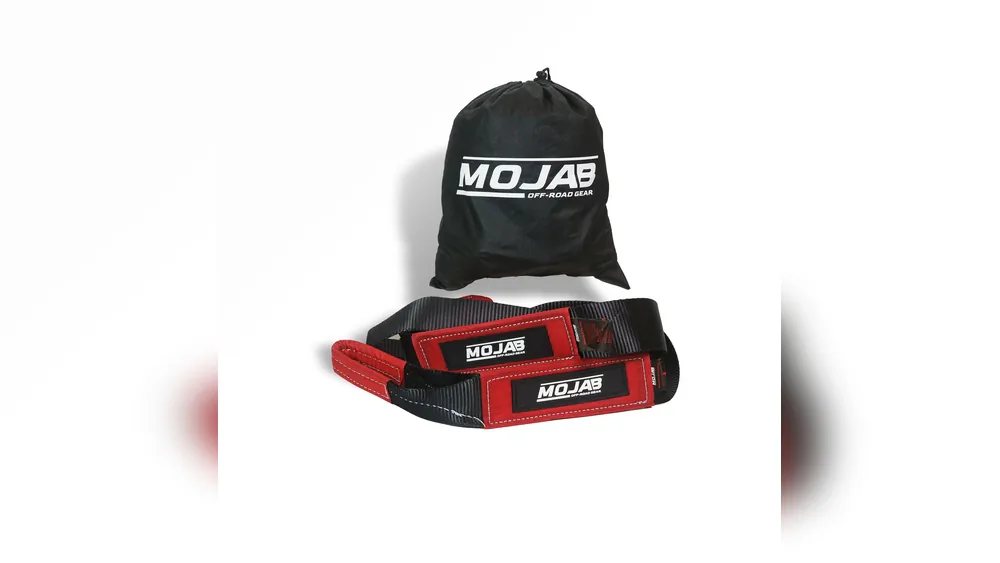
A tree saver strap is a heavy-duty, flat strap made of strong synthetic material like polyester or nylon. It usually measures 2 to 4 inches wide and 8 to 16 feet long. Both ends have reinforced loops.
Unlike steel cables or thin ropes, a tree saver strap spreads the force of winching over a wide area. It’s designed to protect trees from damage and provide a safe anchor point for recovery operations.

Credit: www.mojaboffroad.com
The Main Purpose Of A Tree Saver Strap In Winching
The main goal of a tree saver strap is simple: protect the anchor tree and ensure a safe, effective recovery. But let’s break down its purposes in detail:
- Protects Tree Health
- The wide, flat design spreads pressure over a larger area, preventing the strap from cutting into the bark.
- This helps keep the tree alive and healthy. Damaged bark can kill a tree or make it weak and unsafe as an anchor in the future.
- Provides a Safe Anchor Point
- Tree saver straps are rated for high loads (often 10,000 to 30,000 lbs or more).
- They’re designed to handle the shock and tension of winching, reducing the risk of the strap snapping or the anchor failing.
- Prevents Damage to Winch Cable or Rope
- Steel cables or synthetic ropes can be damaged by friction or sharp bends around a tree.
- Using a strap keeps your winch line in better condition, saving you money and reducing replacement needs.
- Promotes Responsible Off-Roading
- Using a tree saver strap shows respect for the environment and supports responsible outdoor practices.
- Many off-road clubs and events require tree saver straps for all winching operations.
How A Tree Saver Strap Works
When you need to winch your vehicle, you loop the tree saver strap around a strong, healthy tree. Attach the winch hook to both strap loops using a D-shackle or bow shackle. The winch then pulls the vehicle while the strap distributes the force evenly around the tree.
Here’s a simple step-by-step example:
- Park safely and assess the tree’s health and size.
- Wrap the strap around the tree, keeping it as low as possible (for strength).
- Connect both loops with a rated shackle.
- Attach the winch hook to the shackle.
- Begin winching slowly, keeping the strap straight and untwisted.
Key Features Of A Quality Tree Saver Strap
Not all straps are created equal. Here are features that matter most:
- Width: A wider strap (at least 2 inches) spreads force better and is less likely to damage the tree.
- Material: Look for polyester or nylon with high UV and water resistance.
- Load Rating: Choose a strap rated well above your vehicle’s weight.
- Reinforced Loops: Ends should be stitched and protected for extra strength.
- Length: 8-16 feet is typical; longer straps fit around bigger trees.
| Feature | Why It Matters | Typical Value |
|---|---|---|
| Width | Protects tree, spreads load | 2-4 inches |
| Material | Strength, durability | Polyester/Nylon |
| Load Rating | Safety margin for winching | 10,000–30,000+ lbs |
| Length | Fits around trees of various sizes | 8–16 feet |
Why Not Use A Tow Strap Or Winch Cable Directly?
Beginners sometimes wonder why not just use a tow strap or the winch cable itself. There are clear reasons:
- Tow straps are designed to stretch and absorb shock, not to act as static anchors. They can break or snap back dangerously if misused.
- Winch cables (steel or synthetic) can cut into trees, damage the winch drum, or break under improper loads. They’re not designed to wrap around rough surfaces.
A tree saver strap is purpose-built for anchor protection and safe recovery.
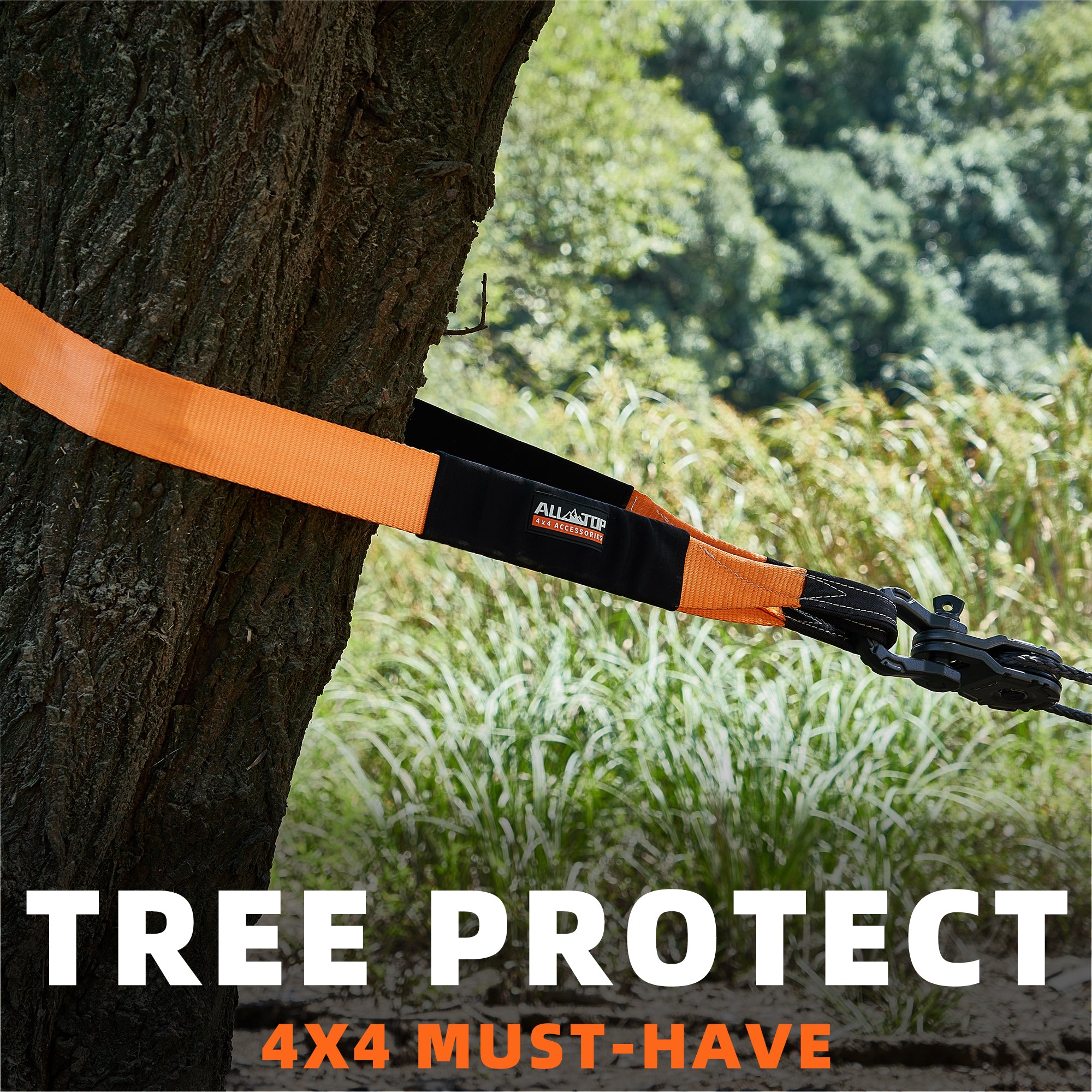
Credit: www.alltopusa.com
Environmental Impact
Using a tree saver strap isn’t just about equipment — it’s about protecting the environment. Damaging a single tree may seem minor, but repeated winching without protection can kill trees along popular trails, leading to erosion and habitat loss. Some parks now ban winching without a strap to protect local ecosystems.
Common Mistakes When Using A Tree Saver Strap
Even experienced users can make errors. Here are some common mistakes to avoid:
- Choosing a weak or dead tree: Always pick a healthy, live tree with a trunk at least 8 inches wide.
- Placing the strap too high: Position the strap as low as possible for maximum strength and stability.
- Twisting the strap: Twists can weaken the strap and put uneven stress on the tree.
- Using damaged straps: Inspect for cuts, frays, or faded material before every use.
- Leaving the strap behind: Always remove your strap to prevent litter and leave the trail clean.
How To Choose The Right Tree Saver Strap
Not sure which strap to buy? Here’s what matters:
- Vehicle weight: Your strap’s load rating should be at least 3 times your vehicle’s gross weight.
- Length: Measure typical tree sizes on your trails. Longer isn’t always better, but too short is useless.
- Brand reputation: Stick to known brands with tested ratings and positive reviews.
- Certifications: Look for compliance with off-road or safety organizations.
Here’s a quick comparison of two popular tree saver straps:
| Brand/Model | Load Rating | Width | Length | Material |
|---|---|---|---|---|
| ARB 730LB | 26,500 lbs | 3 inches | 10 feet | Polyester |
| Warn 99963 | 30,000 lbs | 4 inches | 8 feet | Nylon |
Real-world Example: Winching Without A Tree Saver Strap
Imagine an SUV stuck in deep mud. The driver wraps a steel winch cable around a nearby pine tree and begins to pull. The cable bites into the bark, tearing through the protective layer. The tree is scarred, and months later, the bark wound becomes infected, killing the tree.
Worse, the cable develops sharp kinks, making it unsafe.
Now, using a tree saver strap, the pressure is distributed, the tree is unharmed, and the winch line stays in good condition. One simple tool makes all the difference for both safety and nature.
Tree Saver Strap Vs. Other Recovery Straps
There are several types of recovery straps, but each has a specific use:
- Tree saver strap: Non-stretch, wide, designed to protect anchor points.
- Snatch strap: Stretchy, used for vehicle-to-vehicle recovery (not for anchoring).
- Tow strap: For towing on flat ground, not suitable for winching.
Here’s a quick overview:
| Strap Type | Main Use | Stretch | Anchor Protection |
|---|---|---|---|
| Tree Saver | Winching anchor | No/Low | Yes |
| Snatch Strap | Vehicle recovery | High | No |
| Tow Strap | Towing | Low | No |
Safety Tips For Using A Tree Saver Strap
- Always check the load rating before use.
- Inspect for damage before and after every recovery.
- Use a rated shackle to join both strap loops.
- Never use a damaged or wet/muddy strap if you can avoid it.
- Keep bystanders well away from the winch line and anchor point.
- Store the strap out of sunlight and clean after use to extend its life.

Credit: www.gearamerica.com
Practical Insights Most Beginners Miss
- Tree selection is as important as the strap: A strong strap means nothing if you pick a weak or rotting tree. Always check for solid roots and healthy bark.
- Proper connection prevents strap slippage: Make sure the shackle passes through both strap loops. If only one loop is used, the strap can slip or twist, increasing risk.
Most beginners focus on strap strength alone, but environmental care and correct attachment are just as important.
Where To Learn More
For those who want to dive deeper into off-road recovery safety, the Wikipedia page on winches offers useful background on winching techniques and safety.
Frequently Asked Questions
What Is The Difference Between A Tree Saver Strap And A Snatch Strap?
A tree saver strap is designed to be static and protect anchor points like trees during winching. A snatch strap is made to stretch and recover energy, useful for pulling vehicles out when both are moving. Never use a snatch strap as an anchor; it’s not designed for that purpose.
Can I Use A Chain Instead Of A Tree Saver Strap?
No, using a chain can severely damage a tree and is more dangerous if it breaks under tension. Chains also concentrate force on a small area, cutting into the bark and possibly killing the tree.
How Do I Know If A Tree Is Strong Enough For Winching?
Choose a healthy, live tree with a trunk at least 8 inches (20 cm) in diameter. Avoid dead, rotting, or small trees. If in doubt, find a larger anchor.
How Often Should I Replace My Tree Saver Strap?
Inspect your strap before and after every use. Replace it if you see cuts, fraying, exposed threads, or weakened loops. A well-maintained strap can last for years, but safety comes first.
Is A Tree Saver Strap Required By Law?
Laws vary, but many parks and off-road clubs require a tree saver strap for any winching operation. Even if it’s not the law, it’s good practice for safety and environmental protection.
Using a tree saver strap is about more than just getting unstuck — it’s about safe, responsible, and effective vehicle recovery that keeps both people and nature safe. The next time you head off the beaten path, make sure a quality tree saver strap is in your recovery kit.
It’s a small investment for peace of mind and environmental respect.
Related posts
 Why You Should Use a Foam Cannon for Car Washing: Ultimate Guide
Washing your car is more than just making it look good. It protects the paint, keeps the value high, and makes driving feel better. But if…
 How to Clean Leather Seats Without Damaging Them: Expert Tips
Keeping your leather seats clean can be a challenge. Leather looks beautiful and feels luxurious, but it needs special care. Many people worry about damaging their…
 Why Using a Ceramic Coating Spray is Important for Your Car’s Shine
If you care about your car’s appearance and value, you probably wash and wax it regularly. But did you know there’s a better way to protect…