
Safety Guidelines for Using Winch Recovery Rings: Expert Tips
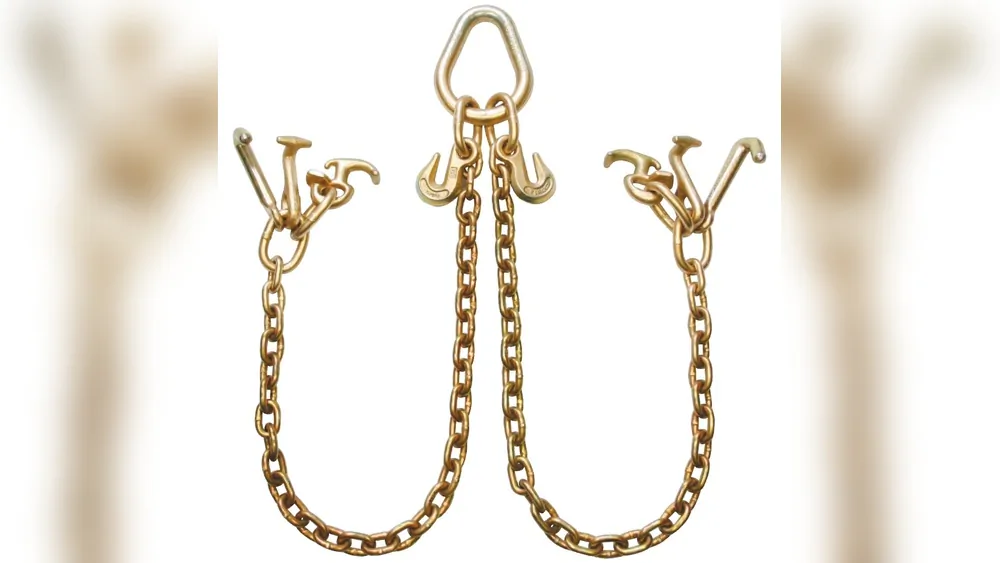
Using a winch recovery ring is now a popular choice in off-roading and vehicle recovery. These compact tools are lighter and often safer than traditional snatch blocks. However, their small size can make people forget that they demand careful handling.
Whether you’re a weekend trail rider or rescue vehicles for a living, understanding how to use a winch recovery ring safely is essential. Mistakes can lead to equipment failure or, worse, personal injury. Let’s dig into the important safety guidelines, best practices, and real-world examples to keep your recovery operations both effective and secure.
What Is A Winch Recovery Ring?
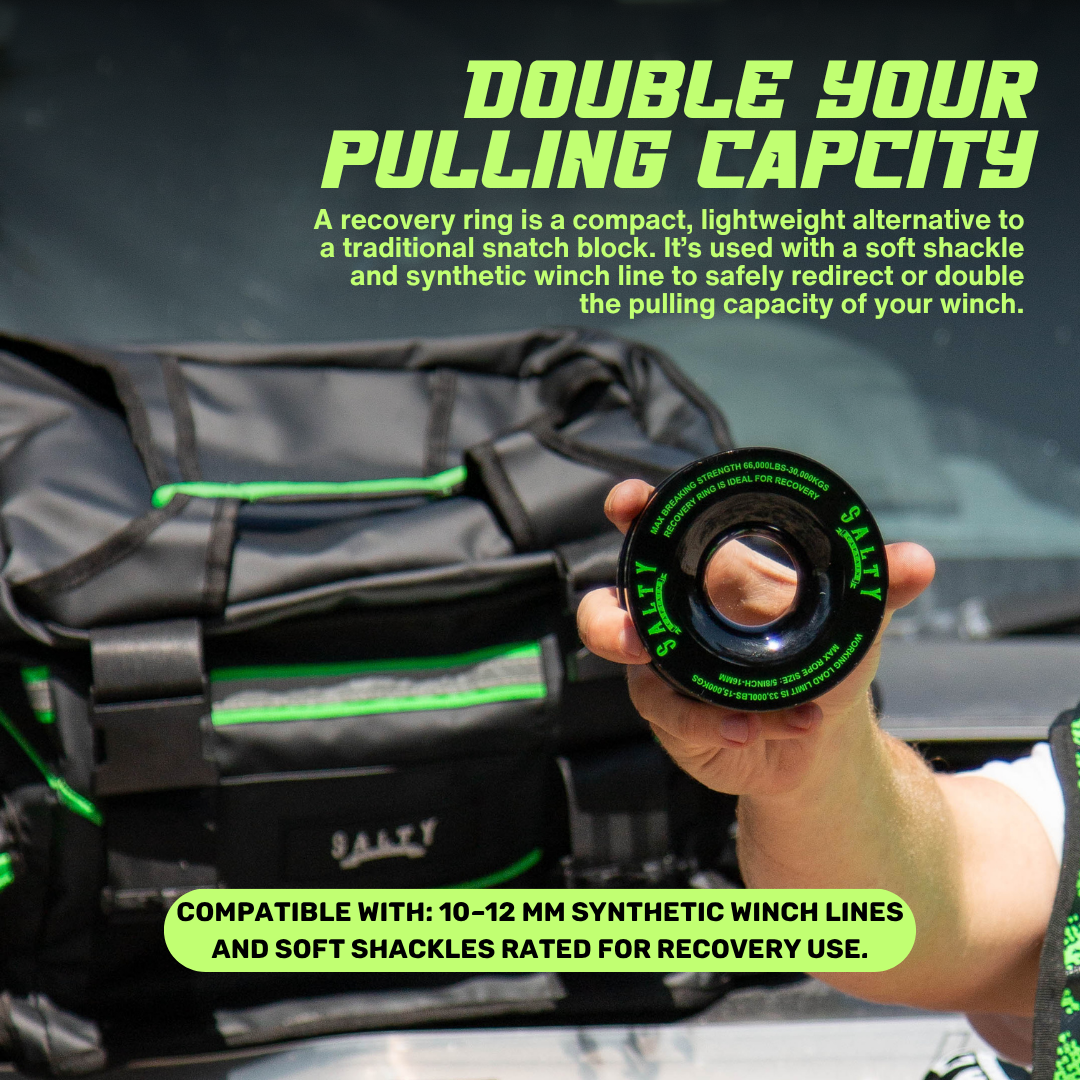
A winch recovery ring is a round pulley made from strong metal, usually aluminum alloy. It is used with a soft shackle and synthetic winch line to create a change of direction, or to double the pulling power of your winch. Unlike traditional steel snatch blocks, recovery rings are lighter and have no moving parts, making them less likely to fail from wear or rust.
Recovery rings are gaining popularity for off-roaders, overlanders, and rescue professionals. Their simple design means less maintenance and easier storage, but they also require the right technique and equipment for safe operation.
Why Safety Matters With Recovery Rings
Vehicle recovery is always risky. Winch lines can snap under tension, and hardware can turn into dangerous projectiles. Even though recovery rings are designed to reduce some risks, misuse can lead to severe accidents. It’s easy to underestimate the forces involved. A winch pulling a stuck truck can produce thousands of pounds of tension—enough to break equipment or cause injury.
The biggest safety risks include:
- Incorrect rigging or setup
- Using the wrong type or size of ring, shackle, or winch line
- Poor inspection and maintenance
- Standing too close to the recovery zone
Understanding and following safety guidelines helps prevent injuries and protects your equipment investment.
Choosing The Right Recovery Ring And Gear
Selecting the correct winch recovery ring and supporting gear is the first step in safety.
| Item | Key Factors | Common Mistakes |
|---|---|---|
| Recovery Ring | Rated load, material, size, groove shape | Choosing an undersized ring |
| Soft Shackle | Breaking strength, diameter, quality fiber | Using old or damaged shackles |
| Winch Line | Synthetic rope, proper rating, condition | Using frayed or old cables |
Key Points When Choosing
- Rated Load: Always use equipment with a Working Load Limit (WLL) higher than your vehicle’s weight. For example, a 10,000 lb SUV needs a ring and shackle rated for at least 10,000 lbs.
- Material Quality: Look for aircraft-grade aluminum recovery rings. Avoid unbranded, cheap copies.
- Ring Groove: A smooth, wide groove helps your synthetic line glide without fraying.
- Shackle Compatibility: Make sure the soft shackle fits snugly in the ring’s center without binding.
Non-obvious tip: Some rings are designed only for synthetic winch lines, not steel cables. Never mix them.
Pre-use Inspection Checklist
Before every use, inspect all recovery gear. This quick routine can prevent failures during a pull.
- Check the recovery ring for cracks, gouges, or any sharp edges.
- Inspect the soft shackle for fuzziness, cuts, or knots.
- Examine the winch line for fraying, melted spots, or broken strands.
- Look at anchor points (such as recovery points on vehicles or trees) for rust or deformation.
- Test fit the shackle and ring together to ensure smooth rotation.
If you find any sign of damage, don’t use the equipment. Replace worn components immediately.
Non-obvious insight: Even a tiny burr on the ring can cut through a synthetic rope under load, leading to sudden failure.
Credit: saltycaptain.com.au
Setting Up A Safe Recovery Operation
Proper setup is the backbone of safe recovery. Skipping steps or guessing can be dangerous.
Step-by-step Safe Setup
- Plan the Pull: Decide where the stuck vehicle is going and clear a safe work zone.
- Set the Anchor: Choose a solid anchor point (tree, another vehicle, or ground anchor).
- Wrap the Tree: If using a tree, use a wide tree saver strap to protect the bark and spread the load.
- Attach the Recovery Ring: Secure the ring to the tree saver or anchor point using a soft shackle. Make sure the shackle’s knot is outside the ring groove.
- Thread the Winch Line: Run the synthetic winch line through the ring’s groove. Double-check that the line isn’t twisted or crossing itself.
- Connect to the Vehicle: Attach the winch hook or another soft shackle to the vehicle’s recovery point.
- Check Alignment: Ensure the winch line pulls straight through the ring. Avoid side loads—they can damage the ring or the line.
- Clear the Zone: Move all bystanders far from the winch line and recovery ring—at least 1.5 times the length of the winch line.
Example Of Safe Setup
Imagine you’re pulling a Jeep stuck in mud. You anchor to a large pine tree using a tree saver and soft shackle. The winch line runs through a 12,000 lb-rated recovery ring, back to the Jeep’s tow point. No one stands in line with the winch cable, and you place a recovery damper (a heavy blanket or purpose-made weight) over the line.
Operating The Winch Recovery Ring
Smooth and controlled operation reduces stress on all equipment.
Key Guidelines
- Winch Slowly: Use slow, steady tension. Jerky pulls can shock-load the system, risking failure.
- Monitor the Line: Stop if you see the line rubbing on the ground, rocks, or itself.
- Pause and Inspect: After every few feet, stop to check the ring, shackle, and line.
- Never Stand Over the Line: Always operate the winch from a safe distance and never step over a loaded line.
- Use a Winch Damper: Place a damper over the line to reduce recoil if anything breaks.
Example: A winch operator notices the synthetic line is starting to fray during a pull. They stop immediately, inspect the whole setup, and replace the line before continuing. This quick action prevents a dangerous snap.
Common Mistakes To Avoid
Even experienced off-roaders sometimes make errors with recovery rings. Learn from these common mistakes:
- Using Steel Cable with Recovery Rings: Most rings are designed only for synthetic rope. Steel cable can cut into the groove or bind, creating a failure point.
- Incorrect Shackle Placement: Never attach the shackle inside the ring’s groove. It must always go through the center hole.
- Ignoring Load Ratings: Don’t guess—always check the stamped rating on every piece of gear.
- Improper Cleaning: Mud, grit, or sand can scratch the ring’s groove and weaken it over time.
- Overheating the Rope: Long, heavy pulls can heat up synthetic rope, reducing its strength. Give it time to cool between pulls.
Maintenance And Storage
Proper care keeps your recovery ring and gear reliable for years.
Cleaning
- Rinse the ring and shackles with clean water after every use, especially if used in mud or sand.
- Dry all parts thoroughly to prevent hidden corrosion, especially on shackles.
Inspection And Replacement
- Inspect for wear or damage after every use. Look for grooves, cracks, or flattened spots on the ring.
- Retire any gear that shows signs of aging or deformation.
Storage Tips
- Store recovery rings in a padded bag or case to avoid scratches.
- Keep soft shackles and synthetic lines out of direct sunlight to prevent UV damage.
- Never store wet gear in a sealed bag—mildew and rot can destroy fibers.
Practical tip: Mark the inspection date on a piece of tape and stick it to your gear bag. This helps you remember when each item was last checked.
Comparison: Recovery Ring Vs. Snatch Block
Understanding how recovery rings differ from traditional snatch blocks can help you choose the right tool for your needs.
| Feature | Recovery Ring | Snatch Block |
|---|---|---|
| Weight | Lighter (about 1 lb) | Heavier (2-4 lbs) |
| Moving Parts | None | Has bearings/pulley |
| Maintenance | Minimal | Requires greasing |
| Rope Type | Synthetic only | Synthetic or steel |
| Cost | Similar or lower | Similar or higher |
Insight: If you still use steel winch cable, a snatch block is your only safe option. For synthetic rope setups, recovery rings are usually better.
Real-world Examples And Case Studies
Example 1: Successful Recovery
An experienced off-roader used a 14,000 lb-rated recovery ring and soft shackle to extract a pickup stuck in deep snow. By following each inspection and setup step, the recovery was smooth and safe. The operator praised the lighter weight and easier setup compared to their old snatch block.
Example 2: Avoided Accident
A group attempted a recovery with mismatched gear—a 9,000 lb winch, 8,000 lb ring, and 10,000 lb shackle. The ring started to deform under load. They stopped, swapped in a higher-rated ring, and completed the pull safely. This highlights why matching ratings is crucial.
Example 3: Equipment Failure
A synthetic winch line was used with a recovery ring showing small nicks. The line failed during a hard pull, snapping back dangerously. No one was hurt, but the incident led the group to improve their inspection routine.

Credit: www.horntools.com
Safety Tips That Many Miss
- Always Check the Shackle Knot: The knot on a soft shackle should not sit in the ring groove. It can create a weak spot and cause uneven wear.
- Monitor Ambient Temperature: Synthetic ropes lose strength when hot. If your hands can’t comfortably grip the rope after a pull, let it cool before using again.
- Communicate Clearly: Use hand signals and assign one person to direct the recovery. Too many voices can cause confusion and mistakes.
Frequently Asked Questions
How Do I Know If My Recovery Ring Is Strong Enough?
Check the Working Load Limit (WLL) stamped on the ring. It should be equal to or higher than your vehicle’s gross weight. If in doubt, choose the next size up. Never use gear without a visible rating.
Can I Use A Steel Winch Cable With A Recovery Ring?
No. Most recovery rings are designed only for synthetic winch lines. Steel cable can damage the groove or bind up, leading to dangerous failures. Use a traditional snatch block if you still run steel cable.
How Far Should People Stand From The Recovery Area?
Everyone should stand at least 1.5 times the length of the winch line away from the recovery setup. This keeps people safe in case something breaks and recoils.
What Is The Best Way To Clean A Recovery Ring?
Rinse it with clean water to remove mud, sand, or grit. Dry thoroughly. Do not use harsh chemicals or abrasive brushes, as these can damage the ring’s finish.

Credit: www.amazon.sg
Where Can I Learn More About Safe Recovery Techniques?
You can find excellent guides and safety courses through off-road organizations and reputable sources like International 4-Wheel Drive Trainers’ Association.
Using a winch recovery ring is a smart, safe choice when you respect the gear and follow the right steps. With proper selection, inspection, setup, and operation, you can recover stuck vehicles efficiently—without risking your safety or your equipment.
Related posts
 Why You Should Use a Foam Cannon for Car Washing: Ultimate Guide
Washing your car is more than just making it look good. It protects the paint, keeps the value high, and makes driving feel better. But if…
 How to Clean Leather Seats Without Damaging Them: Expert Tips
Keeping your leather seats clean can be a challenge. Leather looks beautiful and feels luxurious, but it needs special care. Many people worry about damaging their…
 Why Using a Ceramic Coating Spray is Important for Your Car’s Shine
If you care about your car’s appearance and value, you probably wash and wax it regularly. But did you know there’s a better way to protect…