
Snatch Block Vs. Pulley System for Winching: Ultimate Comparison
Winching can turn a tough day into a manageable one. If you’ve ever been stuck off-road, helped move heavy loads, or worked with recovery gear, you’ve likely heard about snatch blocks and pulley systems. But many people aren’t sure which tool to pick—or if there’s even a difference. This article will clear up confusion, compare both tools, and help you choose the right one for your winching needs.
Understanding The Basics
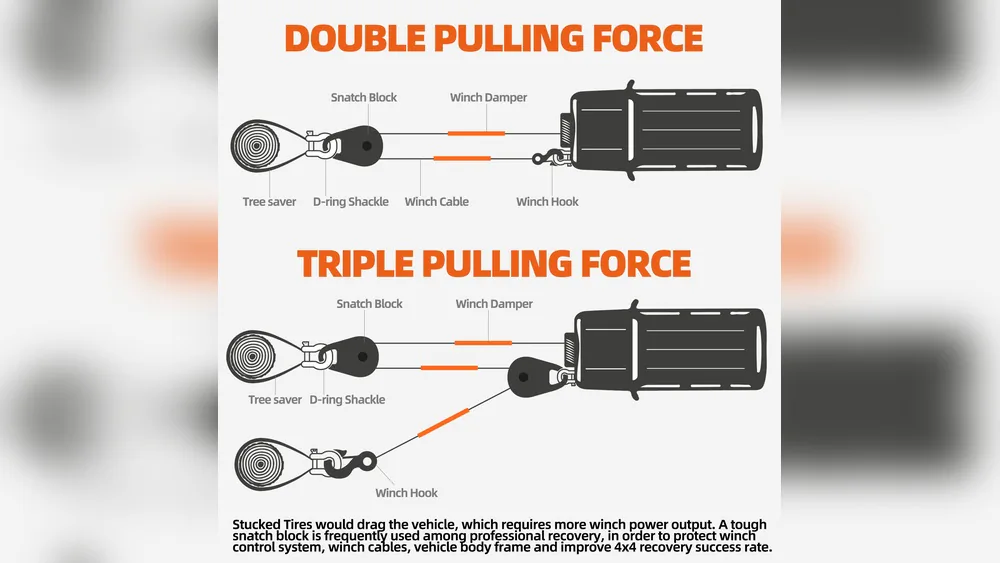
Before comparing, let’s quickly explain what each system is. A snatch block is a type of pulley that opens on one side, so you can attach it without threading the rope’s entire length through. It’s mostly used for changing the direction of pull or doubling the pulling power. A pulley system refers to any arrangement that uses wheels and ropes or cables to move or lift a load, which could include one or more pulleys, and may or may not use a snatch block.
At first glance, they seem similar, but the small differences matter a lot in real-world recovery situations.
How Snatch Blocks Work
A snatch block is a steel or aluminum device with a rotating sheave (wheel) in the center. You open the side plates, place your winch line on the sheave, and close it. The snatch block is then anchored—usually to a tree, a vehicle, or a recovery point. When you operate the winch, the line runs through the block, allowing you to:
- Change the direction of the pull to avoid obstacles or align with the stuck vehicle.
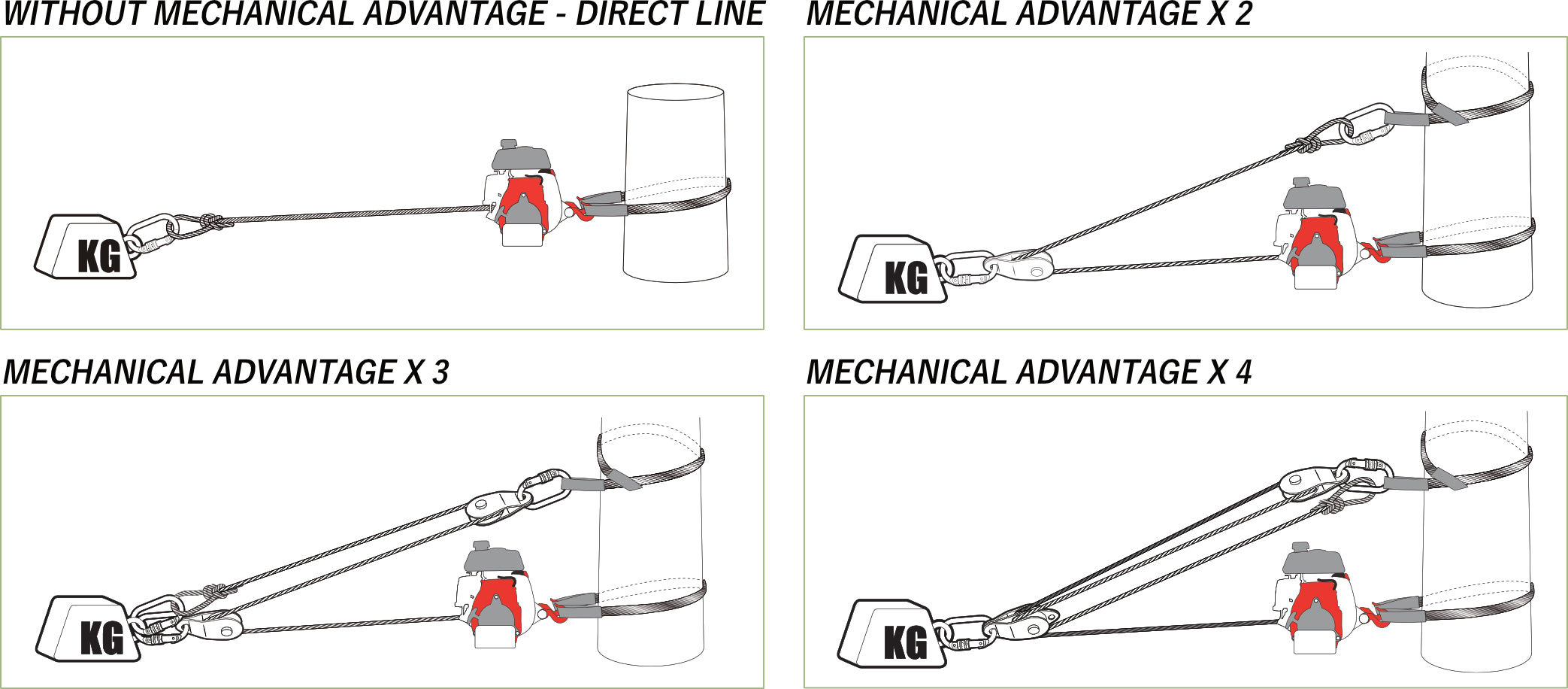
- Double the pulling force by creating a loop that halves the load on the winch.
For example, if your winch is rated for 10,000 lbs, using a snatch block can let you pull nearly 20,000 lbs (minus friction losses).
Many off-roaders and recovery teams carry snatch blocks for their simplicity and versatility. They work with both steel cables and synthetic ropes, though you should always check compatibility.

Credit: www.amazon.sg
How Pulley Systems Operate
A pulley system is broader and can mean any setup using one or more pulleys. This includes basic single-pulley systems (sometimes just a snatch block) and complex multi-pulley rigs for heavy lifting or technical rescues. The main goal is to reduce the effort needed to move a load.
Common uses include:
- Lifting engines or building materials
- Technical rescue operations
- Rigging for winching in off-road or industrial settings
A pulley system can multiply force by running the rope through multiple pulleys (called a block and tackle). This allows for even heavier loads, but the setup is more complex and may require extra gear.
Key Differences: Snatch Block Vs. Pulley System
It’s easy to mix up these terms, but there are practical differences. The table below highlights the main contrasts:
| Feature | Snatch Block | Pulley System |
|---|---|---|
| Definition | Single, openable pulley for winching | Arrangement of one or more pulleys |
| Setup Complexity | Simple, fast | Can be complex (multi-pulley) |
| Main Use | Change line direction, double force | Reduce effort, lift/move heavy loads |
| Portability | Very portable | Varies (single pulley portable, large rigs bulky) |
| Cost | Low to moderate | Can be higher (more parts) |

Credit: www.exploringoverland.com
Strengths Of Snatch Blocks
1. Fast Setup
A snatch block is ready in seconds. You don’t need to unspool your entire winch line or dismantle anything. Just open the cheek plates, set the line, and close.
2. Doubles Pulling Power
This is the reason most people buy a snatch block. By running the winch line through the block and anchoring it, you halve the strain on the winch. For example, a 12,000 lb winch paired with a snatch block can tackle loads close to 24,000 lbs, accounting for friction.
3. Direction Change
You don’t always get a straight shot to your recovery point. A snatch block lets you redirect the winch line around obstacles, making tough angles possible.
4. Compact And Easy To Carry
Most snatch blocks fit in a glovebox or recovery bag, so they’re always on hand. This matters for off-roaders and tow truck drivers who don’t want heavy gear.
5. Reliable Under Tough Conditions
Snatch blocks are built tough. Good ones handle mud, rain, snow, and sand without jamming or failing.
Weaknesses Of Snatch Blocks
1. Limited To Single Pulley
A snatch block is just one pulley. You can double pulling force, but more power means adding more snatch blocks and careful rigging. It’s not suited for lifting with high mechanical advantage (like a block and tackle).
2. Increased Line Friction
Every pulley adds friction. A snatch block is efficient but not perfect—expect to lose 5-10% pulling power to friction.
3. Not For Continuous Heavy Lifting
Snatch blocks are built for short, powerful pulls—not for lifting loads up and down all day. For that, you need a true pulley system.
Strengths Of Pulley Systems
1. Maximum Mechanical Advantage
A multi-pulley system (block and tackle) gives you more power. With enough pulleys, a single person can lift massive weights. This is ideal for construction, rescue, or heavy industrial work.
2. Flexible Configurations
You can design the system for your needs—add pulleys for more power, or arrange them for complex angles. Some systems even allow for controlled lowering, not just lifting.
3. Less Strain On Anchor Points
Because the load is split among multiple pulleys, each anchor point feels less force. This can prevent failures in weak anchor spots.
4. Efficient For Vertical Lifting
If you need to raise or lower something (like an engine), a proper pulley system is safer and easier than just a snatch block and winch.
Weaknesses Of Pulley Systems
1. Complex Setup
Rigging a multi-pulley system is slow and requires careful planning. Mistakes can lead to dangerous situations.
2. Bulky And Heavy
Carrying several pulleys, slings, and rigging hardware is not practical for quick vehicle recovery or trail work.
3. Higher Cost
Quality pulleys and hardware are expensive. For simple tasks, a full system is overkill.
4. More Maintenance
More moving parts means more chances for something to go wrong—especially in mud, sand, or wet conditions.
Practical Scenarios: Which Is Better?
Let’s look at some real-world examples to see which tool makes sense.
Off-road Vehicle Recovery
If your Jeep is stuck in mud and you need to pull at an angle, a snatch block is the winner. It’s fast to set up, lets you double the winch’s power, and gets you out with less stress on your equipment.
Heavy Lifting On A Worksite
If you need to lift a generator or beam slowly and safely, a pulley system is better. You can rig a block and tackle, control the lift, and use human power or a winch.
Industrial Or Rescue Work
Rescue teams and industrial riggers often use advanced pulley systems. They need precise control, redundancy, and the ability to lift or lower loads safely.
Recreational Towing Or Trail Work
A single snatch block covers most needs. It’s simple, reliable, and gives you extra power without extra gear.
Common Mistakes Beginners Make
- Using the wrong tool for the job. Many people try to use a snatch block like a full block and tackle, which doesn’t work for complex lifts.
- Ignoring line compatibility. Not all snatch blocks are safe for synthetic ropes—sharp edges or burrs can damage the line.
- Overloading equipment. Even with a snatch block or pulley system, anchor points or winch lines can fail if you exceed their ratings.
- Improper rigging. Crossing winch lines or using low-quality shackles can cause accidents.
Choosing The Right Tool: Key Factors
When deciding, think about:
- Purpose: Are you winching a stuck truck or lifting a heavy load?
- Speed vs. control: Do you need fast recovery or slow, precise lifting?
- Portability: Will you carry it in your vehicle or store on a worksite?
- Budget: Snatch blocks are cheaper; full pulley systems cost more.
Here’s a quick reference for your decision:
| Situation | Best Choice | Why? |
|---|---|---|
| Off-road recovery | Snatch block | Fast, portable, doubles power |
| Heavy lifting (vertical) | Pulley system | Precise, safe lifting |
| Complex angles or multi-point pulls | Pulley system | Flexible setup options |
| Single-vehicle towing | Snatch block | Simple and effective |
Real-world Data And Insights
- Tests show that using a snatch block can increase pulling power by 85-95%, depending on friction and winch quality.
- Adding more pulleys further reduces required input force. For example, a triple-pulley system can let you lift three times your input, though each pulley adds some friction.
- According to Wikipedia, block and tackle systems have been used for centuries to move heavy loads efficiently.
Maintenance And Safety
Both tools need regular checks.
- Snatch blocks: Inspect for cracks, bent plates, and sheave wear. Lubricate moving parts.
- Pulley systems: Check all pulleys, ropes, and shackles for wear. Replace anything with visible damage.
Always wear gloves and eye protection. Never stand in line with a tensioned winch cable—if something fails, it can snap back dangerously.
Two Overlooked Insights
- Snatch blocks can overheat during long pulls. If you’re winching for more than a minute or two, the sheave can heat up, especially with synthetic rope. This can damage both the block and the rope, so let it cool between uses.
- Anchor stability is critical. Many people focus only on their winch or pulley but forget the anchor. An unstable or weak anchor can cause the whole system to fail, no matter how good your hardware is.
Credit: www.portablewinch.com
Frequently Asked Questions
How Does A Snatch Block Double Winch Power?
A snatch block lets you run the winch line back to your vehicle or another anchor, so the winch only does half the work. The block takes half the load, which doubles the effective pulling power (minus friction losses).
Can I Use A Snatch Block As Part Of A Pulley System?
Yes, a snatch block is a type of pulley. You can use several snatch blocks together to create a more complex pulley system for increased mechanical advantage.
Which Is Safer For Beginners: Snatch Block Or Pulley System?
A snatch block is generally safer and easier for beginners. Pulley systems can be complicated and need careful rigging to avoid accidents.
Will Using These Tools Damage My Winch Cable?
If used correctly, both tools are safe. However, cheap or damaged snatch blocks can pinch or fray cables, especially synthetic ones. Always check for sharp edges and ensure the block fits your cable size.
Do I Need Special Training To Use A Pulley System?
For simple snatch block setups, basic instruction is enough. For multi-pulley systems or technical rescue work, proper training is essential to avoid dangerous mistakes.
Choosing between a snatch block and a pulley system depends on your needs. For most winching and off-road recovery, a snatch block is simple, effective, and all you need. For heavy lifting or complex rigging, invest in a proper pulley system—and learn to use it safely. Both tools are valuable, but understanding their strengths and limits is the key to safe, efficient recovery.
Related posts
 Why You Should Use a Foam Cannon for Car Washing: Ultimate Guide
Washing your car is more than just making it look good. It protects the paint, keeps the value high, and makes driving feel better. But if…
 How to Clean Leather Seats Without Damaging Them: Expert Tips
Keeping your leather seats clean can be a challenge. Leather looks beautiful and feels luxurious, but it needs special care. Many people worry about damaging their…
 Why Using a Ceramic Coating Spray is Important for Your Car’s Shine
If you care about your car’s appearance and value, you probably wash and wax it regularly. But did you know there’s a better way to protect…