
How to Prevent Winch Rope Damage During Recovery: Expert Tips
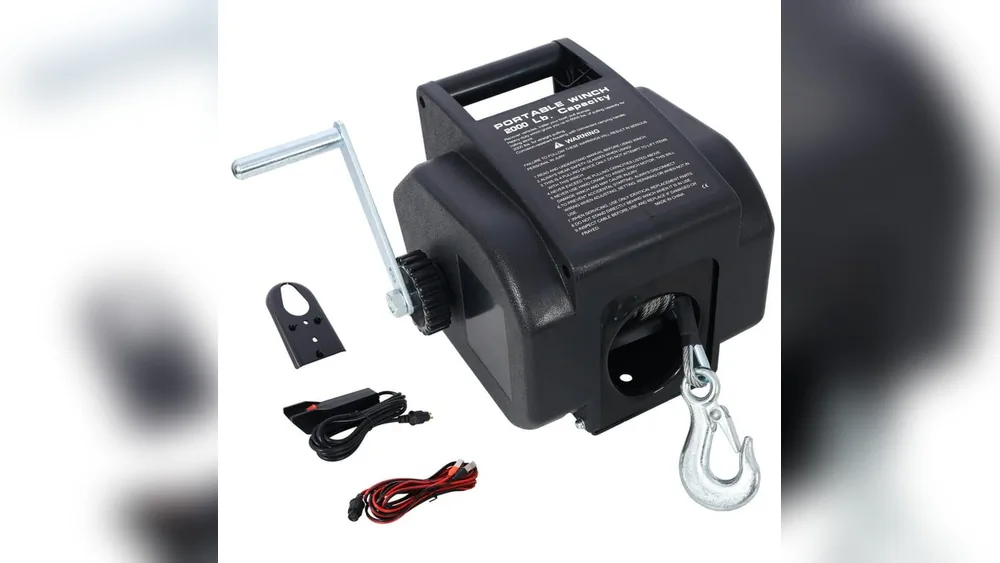
When you’re out on the trail, your winch rope is your lifeline. Whether you’re stuck in mud, climbing rocks, or helping a friend, a damaged winch rope can quickly turn a recovery into a dangerous situation. Many people focus on winch power or technique, but often overlook rope care. The truth is, even the strongest winch is useless if the rope fails. If you want your recovery gear to last, you need to understand how winch ropes get damaged—and how to prevent it.
This guide will show you exactly how to prevent winch rope damage during recovery, no matter if you use synthetic or steel cable. You’ll learn the key mistakes to avoid, best practices for different environments, and practical tips that most beginners miss. By the end, you’ll know how to keep your winch rope safe, reliable, and ready for your next adventure.
Understanding Winch Rope Types
Before you can protect your winch rope, it’s important to know which type you have. There are two main options:
| Type | Material | Main Advantages | Common Weaknesses |
|---|---|---|---|
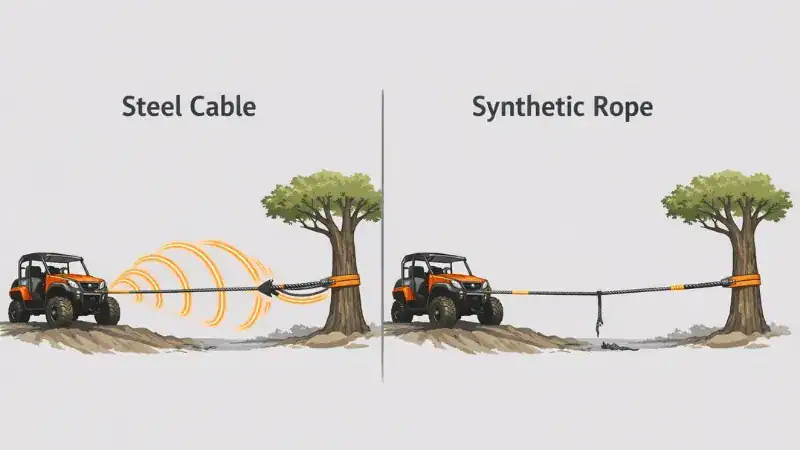
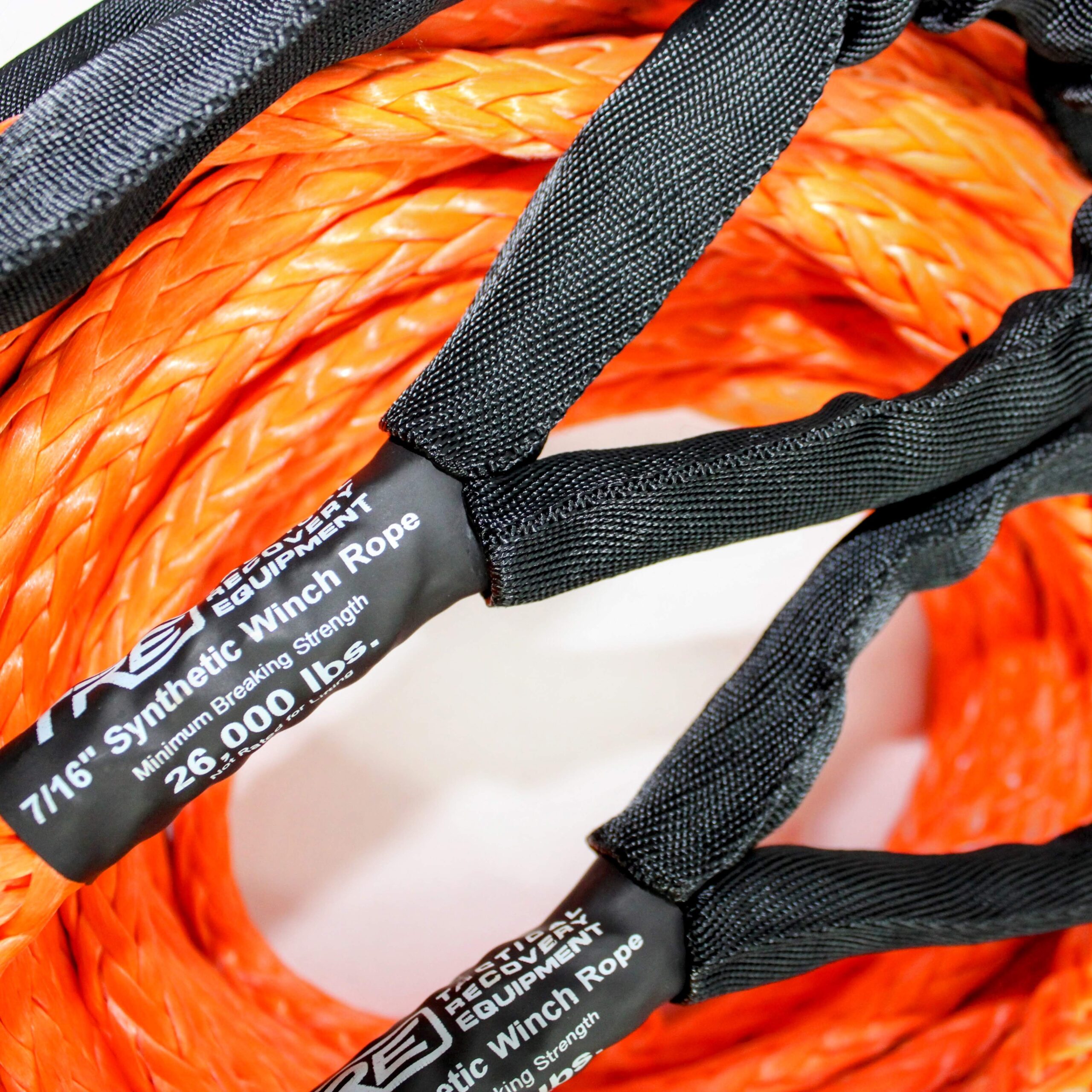
| Synthetic Rope | Polyethylene (usually Dyneema) | Lightweight, safe if it breaks, easy to handle | UV sensitive, can fray easily, affected by dirt and heat |
| Steel Cable | Galvanized Steel | Very strong, resistant to abrasion, affordable | Heavy, dangerous if snapped, rusts over time |
Synthetic winch rope is now the popular choice for off-roaders, but both types are still used. The kind of rope you have will affect how you prevent damage, so always check your equipment first.
Main Causes Of Winch Rope Damage
Many winch ropes fail long before their expected life because of avoidable mistakes. Here are the most common causes:
- Abrasion: Rubbing against rocks, metal, or rough surfaces quickly wears the rope fibers or cable.
- Overloading: Pulling more weight than the rope’s rated capacity weakens its structure.
- Heat: Friction and winch drum heat can melt synthetic ropes and weaken steel cable.
- Improper Winding: Tangled or uneven spooling creates weak points.
- Sharp Bends and Kinks: Forcing the rope around tight corners or letting steel cable kink can lead to breaks.
- Chemical Exposure: Oil, fuel, and solvents degrade rope materials.
- UV Degradation: Sunlight weakens synthetic fibers over time.
- Lack of Maintenance: Dirt, rust, and grit shorten the life of all ropes.
Most of these problems are preventable with careful handling and a few simple habits. Let’s look at the best ways to keep your winch rope in top shape.
Choosing The Right Rope For Your Needs
Selecting the proper winch rope is the first defense against damage. Always consider:
- Load Rating: Your rope’s breaking strength should be at least 1.5 times your vehicle’s gross weight.
- Length: Longer ropes give more reach, but shorter ropes are less likely to tangle or overheat.
- Coating: Protective coatings on synthetic ropes help resist UV and water damage.
- Cost vs. Durability: Synthetic ropes cost more but are easier to handle; steel cables are cheaper but require more care.
Example: If your 4×4 weighs 3,000 kg, your winch rope should have a minimum breaking strength of 4,500 kg.
Proper Winch Setup To Prevent Damage
Your winch setup plays a major role in rope health. Here’s what you need to get right:
Fairlead Selection
A fairlead guides the rope onto the drum. There are two main types:
| Fairlead Type | Best for | Why It Matters |
|---|---|---|
| Hawse | Synthetic Rope | Smooth, less abrasion on fibers |
| Roller | Steel Cable | Handles lateral forces, reduces cable wear |
Using the wrong fairlead can quickly ruin your rope. Always match fairlead to rope type.
Drum Spooling
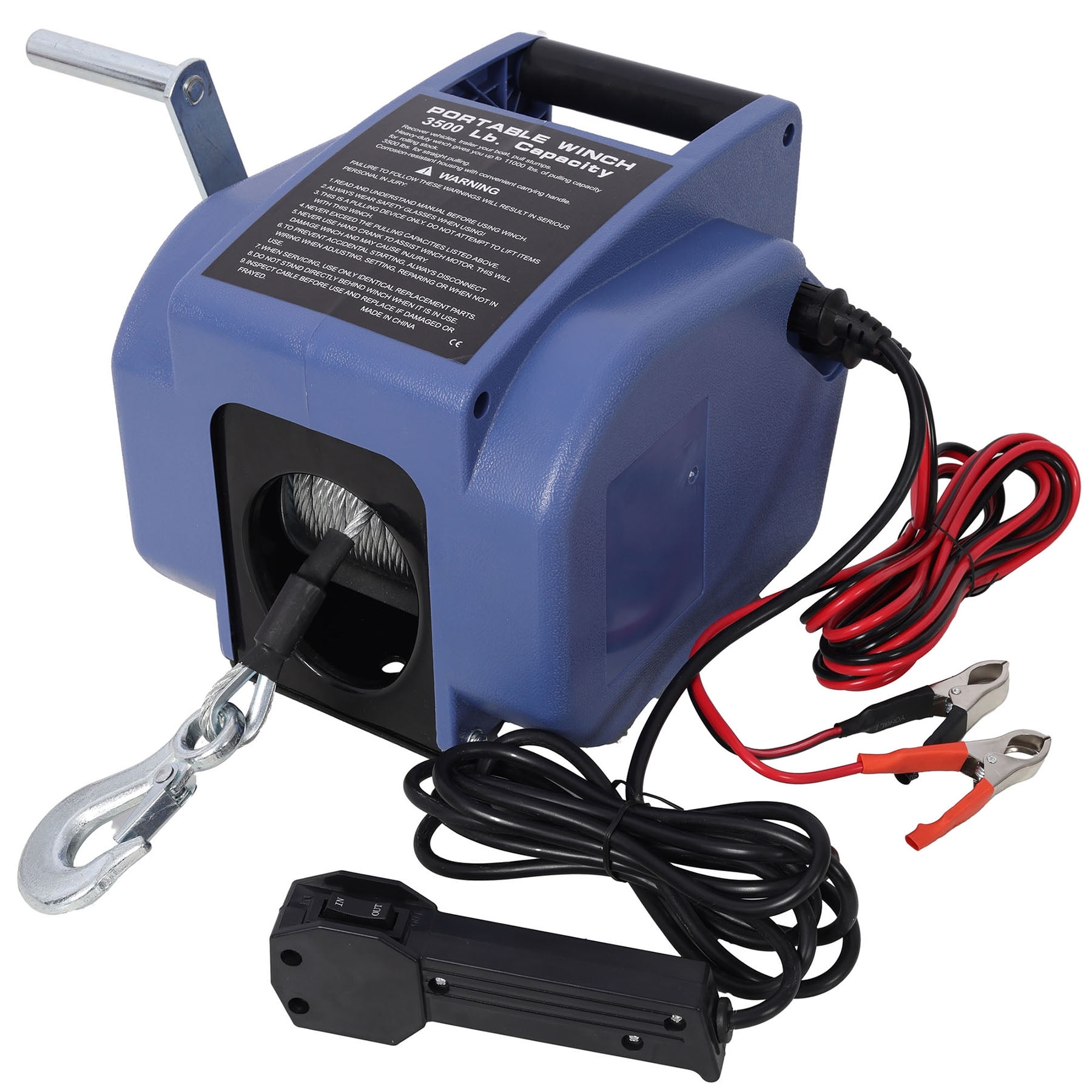
Never spool the rope onto the drum under low tension. Loose wraps can dig into lower layers and pinch or cut the rope during recovery. After every use, rewind the rope tightly and neatly under moderate tension.
Hook And Attachment Points
Use only rated recovery points and hooks. Cheap or damaged hooks can break or cut your rope. Avoid sharp edges where the rope attaches.
Credit: www.walmart.com
Safe Winching Techniques
How you use your winch is just as important as the equipment. To protect your winch rope:
- Always use a winch damper: Place a damper (or a heavy jacket) over the rope when winching. This absorbs energy if the rope snaps, reducing risk and damage.
- Avoid shock loading: Don’t jerk the winch. Apply steady, controlled tension.
- Use a tree strap or recovery strap: Never wrap the rope directly around trees, rocks, or recovery points. Straps spread the load and protect both the rope and the anchor.
- Guide the rope by hand: When spooling in, wear gloves and keep the rope straight. Avoid letting it bunch up on one side of the drum.
- Check for obstacles: Watch for rocks, roots, or metal that could rub or pinch the rope during recovery.
Inspecting Your Winch Rope
Inspection is often forgotten until something goes wrong. Make it a habit to check your rope before and after every use:
- Look for fraying, cuts, or melted spots on synthetic rope.
- Check for kinks, broken wires, or rust on steel cable.
- Run the full length through your hands (wear gloves) to feel for weak spots.
If you find damage, replace or repair the rope before your next recovery. A small problem can turn into a big failure under load.
Credit: atvnotes.com
Cleaning And Maintenance
Dirt and grit are the silent killers of winch ropes. Here’s how to keep them clean:
- After every off-road trip, unspool the rope and rinse with clean water. Use a soft brush for stubborn mud.
- Dry before storage. Synthetic ropes can rot or weaken if stored wet.
- Lubricate steel cable with a light oil to prevent rust.
- Store in shade. Sun damages synthetic ropes over time.
- Inspect winch drum and fairlead for sharp edges or burrs that could cut the rope.
A few minutes of maintenance after each use can add years to your rope’s life.
Dealing With Environmental Hazards
Different environments bring unique risks for your winch rope:
Mud And Sand
Mud and sand grind into the fibers, especially synthetic rope. Always rinse thoroughly and allow to dry.
Snow And Ice
Ice can freeze inside the rope, making it brittle. Warm up the rope gently before use, and never force a frozen rope.
Rocks And Sharp Edges
Always use a winch line protector or extra strap when pulling over rocks. Never drag the rope directly over jagged surfaces.
Credit: www.tacticalrecoveryequipment.com
Using Winch Accessories Wisely
Certain accessories can make a big difference:
- Winch line protectors: Sleeve-style guards that slide over the rope, protecting high-wear areas.
- Soft shackles: For synthetic rope, soft shackles are lighter and safer than metal. But keep them clean and check for cuts.
- Snatch blocks: These double your pulling power and change the winch line’s direction, reducing stress on the rope.
Example: Using a snatch block can lower the load on your winch rope by half, making recovery safer and prolonging rope life.
Common Mistakes And How To Avoid Them
Even experienced users fall into these traps:
- Using the rope as a tow strap: Winch ropes are for controlled pulls, not for towing. Towing puts the rope under shock loads it wasn’t designed for.
- Ignoring the rope’s first layer: The last wrap of rope on the drum is the weakest point. Always leave at least 5 wraps on the drum to avoid slipping.
- Letting the rope drag on the ground: Dirt and grit can cut into the rope fibers, especially with synthetic lines.
- Not replacing worn parts: If your fairlead, hook, or drum has damage, it will quickly ruin a new rope.
When To Retire Your Winch Rope
No rope lasts forever. If you see:
- Multiple broken strands or wires
- Deep cuts or melted spots
- Flat or squashed sections
- Significant rust (for steel cable)
It’s time for a replacement. Don’t risk your safety for a little extra life from a damaged rope.
Real-world Example: Synthetic Rope Failure
A 2021 off-road survey found that over 30% of winch rope failures happened because of abrasion on rocks or metal. In one case, a driver used a synthetic rope without a protector, dragging it over a sharp boulder. The rope frayed internally and snapped under moderate load, nearly injuring bystanders. This shows why proper technique and protection are critical for safe recoveries.
Cost Of Replacing Vs. Maintaining
Taking care of your winch rope pays off. Here’s a quick look at the cost difference:
| Approach | Average Cost Per Year | Expected Rope Life |
|---|---|---|
| Regular Maintenance | $20–$40 (cleaning, lubricants) | 4–6 years |
| No Maintenance | $100–$200 (new rope) | 1–2 years |
A little care saves money and avoids breakdowns when you need your winch most.
Pro Tips Most Beginners Miss
- Rotate the rope position: Every few months, unspool and respool the rope from the opposite end. This evens out wear.
- Carry spare rope or repair kit: In remote areas, a repair kit or backup rope can save your trip.
- Never winch at sharp angles: This increases stress and abrasion at the fairlead.
- Check anchor points: Weak or unstable anchors put extra force on the rope, risking failure.
Where To Learn More
For detailed information on winch rope technology and standards, visit the Wikipedia page on winches.
Frequently Asked Questions
What Is The Best Way To Store A Winch Rope?
Store your winch rope in a cool, dry place out of direct sunlight. If possible, unspool it and hang it loosely to prevent kinks and allow airflow, especially if it’s synthetic. Never store a wet rope for long periods.
How Often Should I Inspect My Winch Rope?
Inspect before and after every use. For frequent off-roaders, a detailed inspection every month is wise. Look for cuts, fraying, kinks, rust, or any signs of wear.
Can I Repair A Damaged Winch Rope?
Small cuts on synthetic rope can sometimes be repaired with proper splicing. Steel cable with minor fraying might be trimmed and re-clamped. But for major damage or if you’re unsure, replace the rope to stay safe.
Is Synthetic Rope Better Than Steel Cable?
Synthetic rope is lighter, safer, and easier to handle, but requires more maintenance and is less resistant to abrasion. Steel cable is stronger and more durable in harsh environments, but can be dangerous if it snaps. Choose based on your needs and environment.
Do I Need Gloves When Handling Winch Rope?
Yes, always wear gloves. Synthetic rope can still burn or cut your hands, and steel cable can have sharp wires. Gloves also help you feel for damage during inspections.
Taking care of your winch rope is about more than just protecting your gear—it’s about staying safe and making sure your recovery goes smoothly. With the right habits and a little attention, you’ll keep your winch rope strong and reliable for years of off-road adventures.
Related posts
 Why You Should Use a Foam Cannon for Car Washing: Ultimate Guide
Washing your car is more than just making it look good. It protects the paint, keeps the value high, and makes driving feel better. But if…
 How to Clean Leather Seats Without Damaging Them: Expert Tips
Keeping your leather seats clean can be a challenge. Leather looks beautiful and feels luxurious, but it needs special care. Many people worry about damaging their…
 Why Using a Ceramic Coating Spray is Important for Your Car’s Shine
If you care about your car’s appearance and value, you probably wash and wax it regularly. But did you know there’s a better way to protect…