
Can Winch Recovery Rings Be Used for Boat Recovery? Expert Guide
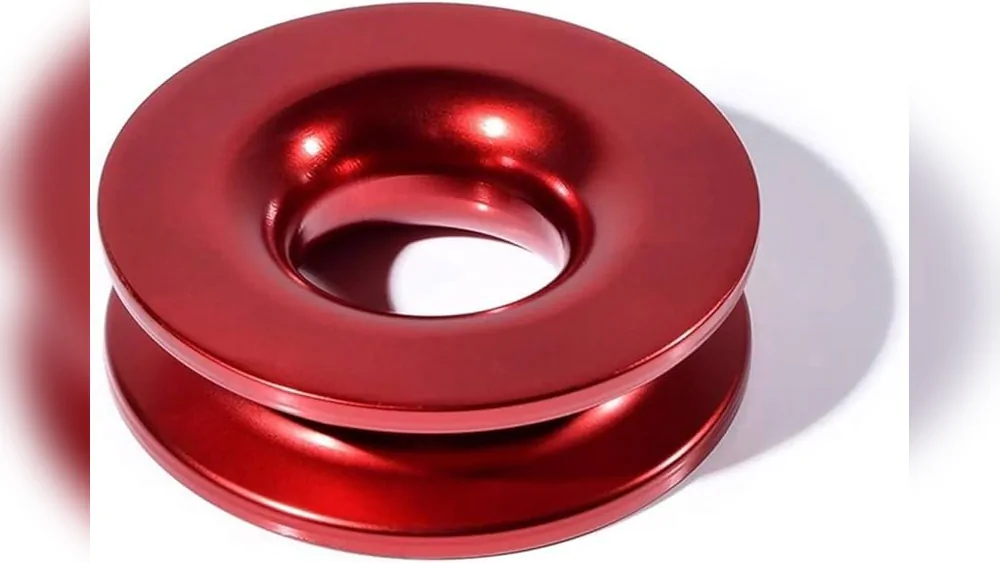
Can Winch Recovery Rings Be Used For Boat Recovery?
Recovering a stuck boat is never easy, whether you’re dealing with a beached fishing boat, a stranded jet ski, or a trailer that slipped off a muddy ramp. For years, most people used traditional snatch blocks or pulleys as the go-to tools. Recently, winch recovery rings have become popular in off-road circles. But can these compact, lightweight rings work for boat recovery too? If you’re curious about swapping your heavy gear for something simpler, this guide breaks down everything you need to know.
What Are Winch Recovery Rings?
A winch recovery ring is a small, circular device made from strong metal—usually aluminum. Instead of using a pulley with moving parts, a winch ring is just a smooth ring with a groove. You wrap a soft shackle and synthetic winch line around it to change the direction of your pull or to create a mechanical advantage. This system is lighter, has fewer parts to break, and is easier to carry than traditional snatch blocks.
Most rings are designed for synthetic winch lines, not steel cables. They usually fit in the palm of your hand and weigh less than 1 pound, yet can handle tens of thousands of pounds of force.
How Boat Recovery Differs From Vehicle Recovery
Recovering a boat is not the same as pulling a truck out of mud. There are unique challenges:
- Water and Wet Surfaces: Ramps and shorelines are slippery.
- Limited Anchor Points: You may not always have strong trees or rocks nearby.
- Boat Construction: Hulls are often fiberglass or aluminum, which are more fragile than a truck frame.
- Variable Weights: Boats can be much heavier when filled with water, gear, or fuel.
Boat recovery often means pulling from odd angles, working in wet conditions, and sometimes using portable anchor points.
Can Winch Recovery Rings Handle Boat Recovery Loads?
When used correctly, winch recovery rings can handle impressive loads. High-quality rings are rated for 10,000 to 40,000 lbs of force, which is enough for most recreational boats. But it’s important to match the ring’s rating to your boat’s weight and the expected resistance. For example, pulling a 3,000 lb boat up a slick ramp may require much more force than just lifting it on dry land.
Example Load Ratings
| Winch Ring Size | Minimum Breaking Strength | Typical Boat Size Supported |
|---|---|---|
| 2.5 inch | 22,000 lbs | Small boats (jet ski, dinghy) |
| 3.5 inch | 35,000 lbs | Recreational boats (20–28 ft) |
| 4+ inch | 40,000+ lbs | Large boats (yachts, houseboats) |
This means that for most personal watercraft, fishing boats, and small sailboats, a properly rated ring can do the job.
Pros Of Using Winch Recovery Rings For Boats
There are several clear benefits if you choose a winch recovery ring:
- Lightweight: Easy to carry on a boat or in a vehicle.
- Simple Design: Fewer moving parts means less maintenance.
- Corrosion Resistant: Most rings are anodized aluminum, which resists saltwater much better than steel.
- Safe with Synthetic Ropes: Synthetic winch lines are safer and float in water, making them ideal for boat recovery.
- Quick Setup: Attaching a soft shackle and winch line is fast—great for urgent situations.
These features make winch rings especially attractive for solo boaters or those with limited storage.

Credit: www.piercearrowinc.com
Challenges And Limitations
Despite the benefits, winch recovery rings are not perfect for every boat recovery scenario. Here’s what you need to watch out for:
- Not for Steel Cable: Winch rings are designed for synthetic rope only. Steel cable will damage the ring and may slip.
- Limited Directional Change: Rings allow for a redirection of pull, but not as sharp as a traditional snatch block.
- Heat Build-up: On very heavy pulls, the friction can heat up the ring and rope. This may weaken the rope or ring if not monitored.
- Dependence on Soft Shackles: You need high-quality soft shackles; lower-quality ones can break under high loads.
- Anchor Point Strength: The ring is only as strong as your anchor (tree, cleat, or vehicle).
Real-world Example
Imagine trying to recover a 2,500 lb fishing boat that slipped off a ramp and is now stuck in the mud. A winch ring, synthetic line, and a rated soft shackle can easily handle this, as long as your anchor is strong and your gear is in good shape.
But if you only have a steel winch line, or your anchor is just a small dock cleat, the ring won’t be the limiting factor—the rest of your setup will be.
How To Use A Winch Recovery Ring For Boat Recovery
If you want to use a winch ring for boat recovery, follow these steps for a safe and effective process:
- Choose a Strong Anchor Point: Look for a tree, solid dock post, or secure vehicle.
- Attach a Soft Shackle: Wrap the shackle around the anchor and through the ring.
- Run Your Synthetic Winch Line: Pass the winch line through the groove of the ring.
- Connect to the Boat: Attach the end of the winch line to a reinforced tow point on the boat.
- Winch Slowly: Keep an eye on the rope and ring for heat build-up or slippage.
- Monitor All Gear: Stop if anything looks twisted, frayed, or if the anchor shifts.
Tips For Success
- Use gloves to handle synthetic ropes and shackles.
- Keep the ring clean; dirt and sand can increase friction.
- Check ratings for every part of your system—not just the ring.
- Don’t rush; slow, steady pulls are safer.

Credit: www.amazon.com
Comparing Winch Recovery Rings To Traditional Snatch Blocks
Many boaters are familiar with snatch blocks. How do winch rings compare?
| Feature | Winch Recovery Ring | Snatch Block |
|---|---|---|
| Weight | Very light (0.5–1 lb) | Heavy (4–8 lbs) |
| Maintenance | Low (no moving parts) | Needs greasing, cleaning |
| Best with | Synthetic rope only | Synthetic or steel cable |
| Corrosion Resistance | High | Moderate (varies by material) |
| Setup Speed | Fast | Slower (must open, close block) |
| Sharp Angles | Limited | Better for sharp redirection |
If you use synthetic lines and want a quick, light solution, winch rings are ideal. For steel cables or very complex angles, a snatch block is still the better choice.
Common Mistakes When Using Winch Recovery Rings For Boats
Even experienced boaters can make mistakes. Here are some to avoid:
- Using with Steel Cable: This will damage both the ring and the cable.
- Ignoring Ratings: Using gear below your load requirements risks failure.
- Improper Anchor Points: Weak or movable anchors can lead to accidents.
- Neglecting Inspection: Always check for cracks, grooves, or wear on the ring and shackles.
- Overheating the Ring: Long, heavy pulls can build up heat. Allow time for cooling between pulls.
Non-obvious Insights For Boat Owners
Many beginners overlook these important details:
- Water Drag Is Real: A boat partially submerged in mud or water needs much more force to move than its dry weight suggests. Always overestimate the load.
- Soft Shackles Float: Unlike metal shackles, soft shackles and synthetic lines float. This reduces the risk of losing gear in the water and makes setup easier around the boat.
Safety Considerations
Safety should always come first in any recovery scenario. Here are crucial points:
- Stay Clear of Lines Under Tension: If a line or ring fails, it can whip back with deadly force.
- Inspect All Equipment Before Use: Look for frayed ropes, bent rings, or worn shackles.
- Never Stand in Line with the Pull: Even if everything looks safe, something can always go wrong.
Real-world Applications And Stories
Many off-roaders and boaters now keep a winch ring in their kit. For example, a group fishing off the Gulf Coast reported using a 3. 5-inch ring to recover a 21-foot center console boat stuck on a sandy ramp. The lightweight gear made it easy to set up, and the synthetic rope floated, preventing tangling in the water.
The key was using a large enough anchor and checking all gear before the pull.
Another story comes from a kayak tour guide who used a small recovery ring and a portable ground anchor to recover kayaks and small aluminum boats during low tide. The ring’s size and corrosion resistance made it perfect for saltwater environments.
When To Avoid Winch Recovery Rings
There are times when a winch recovery ring is not the right tool:
- If you only have a steel winch cable.
- If you need to redirect the line at a very sharp angle (over 90 degrees).
- If your boat is extremely heavy and the ring’s rating is lower than your load.
- If your anchor points are weak or unreliable.

Credit: www.piercearrowinc.com
Top Brands And What To Look For
When buying a winch recovery ring, focus on:
- Material: 7075 or 6061 anodized aluminum is best.
- Load Rating: Must exceed your boat’s wet, loaded weight.
- Groove Quality: Smooth grooves reduce rope wear.
- Brand Reputation: Stick to established brands like Factor 55, ARB, or Smittybilt.
- Soft Shackle Compatibility: Check the groove diameter matches your soft shackle size.
Avoid unbranded, cheap rings—these can have hidden flaws.
Maintenance And Care
Winch recovery rings are low-maintenance, but you should:
- Rinse with fresh water after saltwater use.
- Store dry and out of direct sunlight.
- Check for scratches, dents, or sharp edges before every use.
A well-maintained ring can last for many years with minimal effort.
Environmental Impact
Unlike heavy steel snatch blocks, winch rings are less likely to damage soft ground, plants, or marine environments. The use of synthetic lines and soft shackles also reduces the risk of leaving metal debris in the water, which can harm wildlife.
Summary: Are Winch Recovery Rings Right For Boat Recovery?
Winch recovery rings are an excellent tool for many boat recovery scenarios, especially for recreational boats with synthetic lines. They’re light, strong, and easy to use. However, you must match the ring, shackle, and rope ratings to your boat, use them only with synthetic lines, and always respect the limits of your anchor points.
For most everyday boaters, a winch ring is a smart addition to your recovery kit—but keep a traditional snatch block handy for complex or extreme situations.
For more details on winch ratings and safe recovery, you can check out this BoatUS guide to winching.
Frequently Asked Questions
Can Winch Recovery Rings Be Used With Steel Winch Cables?
No. Winch recovery rings are designed only for synthetic winch ropes. Steel cables will damage the ring’s surface and may slip or fray, creating a safety hazard.
What Size Winch Recovery Ring Do I Need For My Boat?
Choose a ring with a minimum breaking strength at least 2–3 times your boat’s loaded weight. For most small to medium boats, a ring rated at 22,000 lbs or more is sufficient. Always check the rating of your soft shackles and winch line too.
Are Winch Recovery Rings Safe For Saltwater Use?
Yes, most high-quality rings are made from anodized aluminum which resists corrosion. Always rinse your ring with fresh water after saltwater use and check for signs of pitting or corrosion.
Do Winch Recovery Rings Require Special Winch Lines?
Yes. They are meant for synthetic winch lines only, such as Dyneema or Spectra. Do not use with steel cable or cheap plastic ropes.
What Is The Main Advantage Of A Winch Recovery Ring Over A Snatch Block For Boaters?
The biggest advantage is weight and simplicity. A winch recovery ring is light, compact, and has no moving parts, making it perfect for quick, low-hassle boat recoveries—especially in wet environments. However, snatch blocks are better for steel cables and very sharp directional changes.
Related posts
 Why You Should Use a Foam Cannon for Car Washing: Ultimate Guide
Washing your car is more than just making it look good. It protects the paint, keeps the value high, and makes driving feel better. But if…
 How to Clean Leather Seats Without Damaging Them: Expert Tips
Keeping your leather seats clean can be a challenge. Leather looks beautiful and feels luxurious, but it needs special care. Many people worry about damaging their…
 Why Using a Ceramic Coating Spray is Important for Your Car’s Shine
If you care about your car’s appearance and value, you probably wash and wax it regularly. But did you know there’s a better way to protect…