
Best Techniques for Winching Off-Road Vehicles: Expert Tips & Tricks
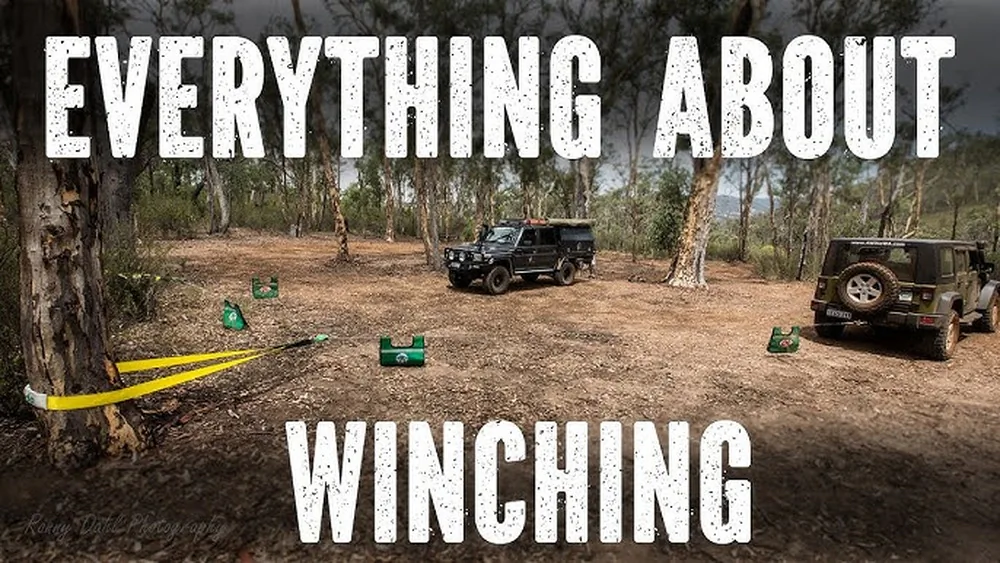
Getting your off-road vehicle stuck is part of the adventure. But knowing how to winch safely and effectively can turn a frustrating situation into a manageable one. Winching is more than just hooking up and pulling; it’s about using smart techniques, the right equipment, and common sense.
Let’s dive into the best techniques for winching off-road vehicles, so you can recover your ride with confidence, avoid damage, and stay safe in the wild.
Understanding The Basics Of Winching
Winching means using a mechanical device (the winch) to pull your stuck vehicle out of mud, sand, snow, or over rough terrain. Most off-roaders use electric winches mounted to the front bumper, but hand and PTO winches are also seen in the field. The main goal is to move the vehicle without causing injury or damage.
Winching might look simple, but mistakes can have serious consequences. A snapped cable or an unstable anchor can turn a recovery into a disaster. That’s why knowing the fundamentals is essential before you ever grab the remote.
Choosing The Right Winch And Gear
Picking a winch isn’t just about brand or price. The key factors are pulling capacity, line type, and reliability.
- Capacity: Your winch should pull at least 1.5 times your vehicle’s gross weight. For example, a 5,000-pound SUV needs a winch rated for 7,500 pounds or more.
- Line type: Synthetic ropes are lighter and safer if they break, while steel cables are durable but heavier and more dangerous under tension.
- Recovery kit: Always carry gloves, D-shackles, snatch blocks, tree protectors, and a winch damper. These tools aren’t optional; they’re essential for safe winching.
Here’s a quick comparison of synthetic rope vs steel cable:
| Feature | Synthetic Rope | Steel Cable |
|---|---|---|
| Weight | Light | Heavy |
| Safety | Safer if breaks | Dangerous recoil |
| Maintenance | Prone to UV/wear | Rusts, needs oiling |
| Cost | More expensive | Cheaper |
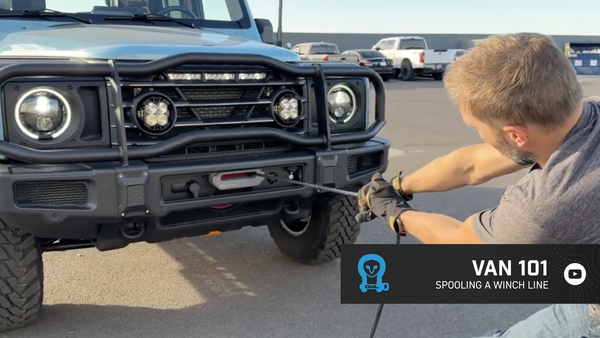
Credit: owlvans.com
Preparing For A Winch Recovery
Preparation is half the battle in safe winching. Before you ever attach the hook, run through these steps:
- Assess the situation. Check for bystanders, terrain stability, and vehicle condition.
- Plan your pull. Decide the best direction and anchor point. Avoid angles that could tip or twist the vehicle.
- Lay out your gear. Get gloves on, and keep your tools within reach.
- Clear the area. Make sure nobody is near the winch line. A winch line under tension can be deadly if it snaps.
A common mistake is rushing into a pull without checking the basics. Always take a few extra minutes to prepare—this prevents injuries and damage.
Finding And Using The Right Anchor Point
Your winch is only as strong as what you attach it to. Natural anchors include trees, large rocks, or another vehicle. Man-made anchors, like ground stakes, are a last resort.
- Tree: Use a tree saver strap to protect both the tree and your winch line. Never wrap the winch cable directly around a tree—it damages the bark and can kill the tree.
- Vehicle: Only use a vehicle as an anchor if its parking brake is set and it’s heavier than the stuck vehicle.
- Ground anchor: Use only when natural anchors aren’t available. Proper placement is critical for safety.
Here’s a simple guide to anchor strength:
| Anchor Type | Strength | Best Use |
|---|---|---|
| Large tree (healthy) | Very high | Most recoveries |
| Large boulder | High | Rocky terrain |
| Another vehicle | Variable | When trees unavailable |
| Ground anchor | Medium-low | Open ground |
Setting Up The Winch Line
How you attach and lay your winch line affects both safety and pulling power.
- Straight line pull: Whenever possible, pull in a straight line from the winch to the anchor.
- Snatch block: Use this pulley to change the direction of pull or double your winch’s effective pulling power. Route the line through the block and back to your vehicle or a second anchor.
- Line tension: Keep the line tight to reduce slack and prevent shock loads.
- Winch damper: Always place a damper (or a heavy jacket) over the winch line. This absorbs energy if the line breaks.
Never hook the winch line to itself. Use a proper D-shackle or a tree protector to form a secure connection.
Winching Techniques For Different Situations
Every recovery is different. Here are the main techniques and when to use them:
1. Single-line Pull
The simplest method—connect the winch line directly from your vehicle to the anchor. Best for light to moderate stuck situations.
- Keep the line as straight as possible.
- Winch slowly to avoid overheating.
- Watch both the vehicle and the winch for signs of strain.
2. Double-line Pull (snatch Block)
When your vehicle is deeply bogged or the winch is underpowered, a double-line pull gives you extra force.
- Attach a snatch block to the anchor.
- Run the winch line through the block and back to your vehicle.
- This halves the speed but doubles pulling power and reduces winch strain.
3. Angled Pull
Sometimes you can’t pull straight ahead. Use a snatch block to change direction, but remember that side pulls put extra stress on the winch and bumper.
- Never exceed a 45-degree angle.
- Monitor attachment points for movement.
- Use multiple snatch blocks for complex angles.
4. Winching With Multiple Anchors
For extra-stuck vehicles, you may need to use two or more anchors. This spreads the load and helps control vehicle movement.
- Use multiple tree straps and snatch blocks as needed.
- Always check all connections before pulling.
5. Assisted Winching
Another vehicle can help by gently driving while you winch. This reduces the load on the winch and speeds up recovery.
- Coordinate with the driver—clear communication is key.
- Go slowly to prevent jerky movements.
Essential Safety Tips For Winching
Safety is the most important part of winching. Here are rules you should never ignore:
- Wear gloves. Winch lines can have burrs or frayed fibers.
- Stand clear. Nobody should be within 1.5 times the length of the line under tension.
- Use a damper. As mentioned, always put a damper or heavy blanket over the line.
- Check gear. Inspect all equipment before use for damage or wear.
- Keep hands away. Don’t touch the winch line or hook when the winch is running.
- Never overload. If the winch or line feels overstressed, stop and rethink your setup.
Here’s a quick comparison of safe vs unsafe winching habits:
| Safe Habit | Unsafe Habit |
|---|---|
| Wearing gloves | Bare hands on cable |
| Using a winch damper | Leaving line exposed |
| Standing clear | Standing near line |
| Inspecting gear | Using damaged gear |
Common Winching Mistakes And How To Avoid Them
Beginners often repeat a few dangerous errors that can be costly or even deadly:
- Not checking anchor strength: Pulling against a weak anchor can cause it to break loose and hit someone.
- Skipping the damper: Never rely on “luck.” A damper is a must for every pull.
- Winching too fast: Overheating the winch or causing sudden vehicle movement.
- Crossing winch lines: Don’t let the line tangle or wrap improperly on the drum—it can jam or damage the winch.
- Improper hook-up: Never use the winch hook latch as the main load point; always hook to a D-shackle or rated recovery point.
A smart wincher takes a few extra seconds to check each step, rather than rushing and risking disaster.

Credit: www.factor55.com
Advanced Winching Tricks Most People Miss
Even experienced off-roaders sometimes overlook these pro tips:
- Pre-tension the line: Before a hard pull, pull the slack out with your hands (wear gloves) and let the winch spool tighten up. This prevents jerky starts.
- Use the lowest gear: If your vehicle is running, keep it in the lowest gear to help the winch without spinning tires.
- Monitor battery voltage: Winching draws huge amps—keep your engine running to avoid draining the battery.
- Switch to manual control: If your winch has both remote and manual controls, use manual for better feel during tough pulls.
- Repack the drum after use: After a recovery, respool the line neatly under tension. This prevents tangles and line damage next time.
Off-road Winching Etiquette
Respect for others and nature matters in off-roading. These etiquette tips help keep trails open and safe:
- Don’t block trails: If possible, move your vehicle off the main path before winching.
- Leave no trace: Use tree protectors and clean up gear after use.
- Help others: If you see someone stuck, offer advice or assistance—but only if you’re confident in your skills.
- Educate your group: Make sure everyone knows the basics before you start a recovery.
When To Call For Help
Sometimes, a situation is beyond what your winch and gear can handle. If you’re stuck in deep water, on a steep slope, or with a damaged vehicle, don’t risk injury. Call for professional help or a recovery service. Your safety is always more important than saving time or money.
For more on safe recovery operations, check out this guide to vehicle recovery.
Frequently Asked Questions
How Do I Choose The Right Winch Size For My Vehicle?
Calculate your vehicle’s gross weight (including gear and passengers) and multiply by 1.5. Choose a winch with at least that much pulling capacity. For most SUVs, a 9,000- to 12,000-pound winch is enough.
Can I Use A Winch Without A Tree Or Another Vehicle Nearby?
Yes. You can use a ground anchor or a spare tire buried in the ground as a makeshift anchor. However, these are less reliable and should only be used when no better anchor is available.
Is Synthetic Winch Rope Better Than Steel Cable?
Both have pros and cons. Synthetic rope is lighter, easier to handle, and safer if it breaks. Steel cable is more durable in rough environments but heavier and more dangerous under tension.
What Should I Do If My Winch Line Snaps During Recovery?
Immediately stop all winching. Clear the area, inspect the line and all gear for damage, and replace the line if needed. Always use a damper to reduce risk of injury from a snapping line.
Do I Need To Keep My Engine Running While Winching?
Yes. Winching uses a lot of battery power, so keep your engine running to maintain voltage and prevent battery drain.
Winching is an essential skill for any off-road driver. With the right techniques, proper gear, and respect for safety, you can handle tough recoveries and get back on the trail. Master these winching methods, and you’ll not only recover your own vehicle—you’ll be the one others look to when things go wrong.
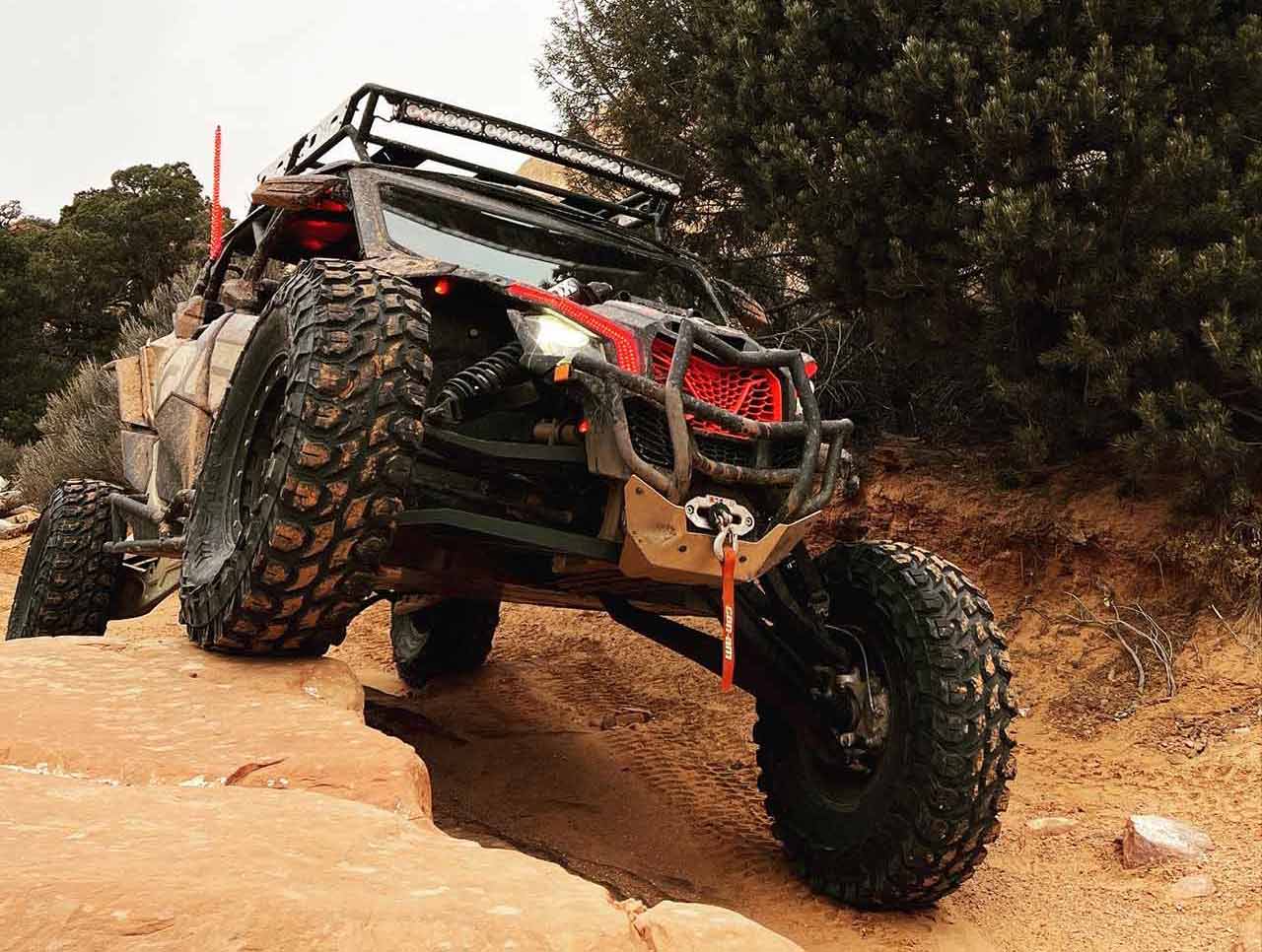
Credit: sidebysidefury.com
Related posts
 Why You Should Use a Foam Cannon for Car Washing: Ultimate Guide
Washing your car is more than just making it look good. It protects the paint, keeps the value high, and makes driving feel better. But if…
 How to Clean Leather Seats Without Damaging Them: Expert Tips
Keeping your leather seats clean can be a challenge. Leather looks beautiful and feels luxurious, but it needs special care. Many people worry about damaging their…
 Why Using a Ceramic Coating Spray is Important for Your Car’s Shine
If you care about your car’s appearance and value, you probably wash and wax it regularly. But did you know there’s a better way to protect…