
The Importance of Using High-Strength Winch Snatch Rings Safely
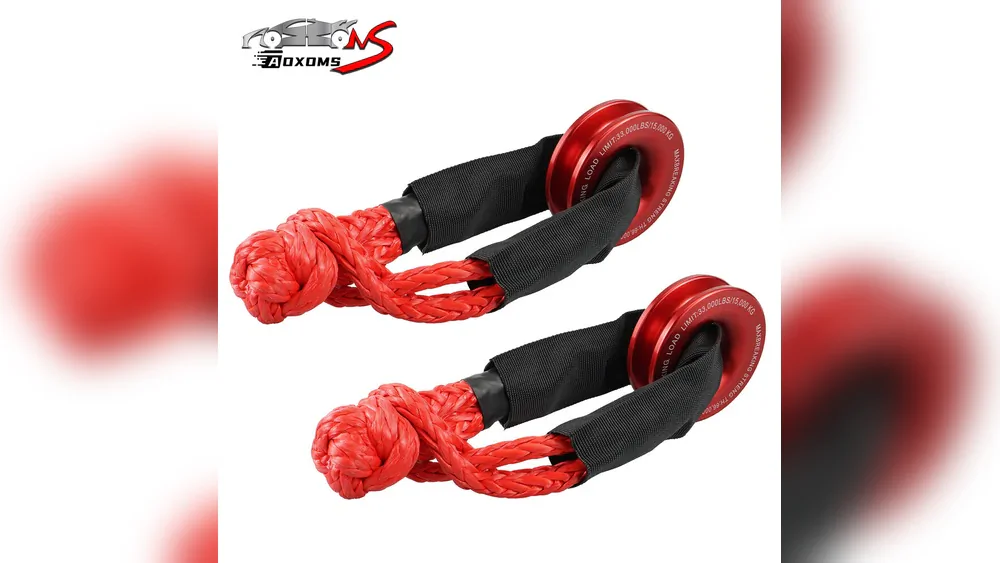
When you face tough recovery situations off-road, having the right equipment can mean the difference between success and disaster. Many people focus on winches and ropes, but often overlook one key tool: the high-strength winch snatch ring. This simple device is a game-changer for 4×4 drivers, rescue teams, and anyone pulling heavy loads. Understanding why high-strength snatch rings matter will help you make safer, smarter choices when preparing for challenging recoveries.
What Is A Winch Snatch Ring?
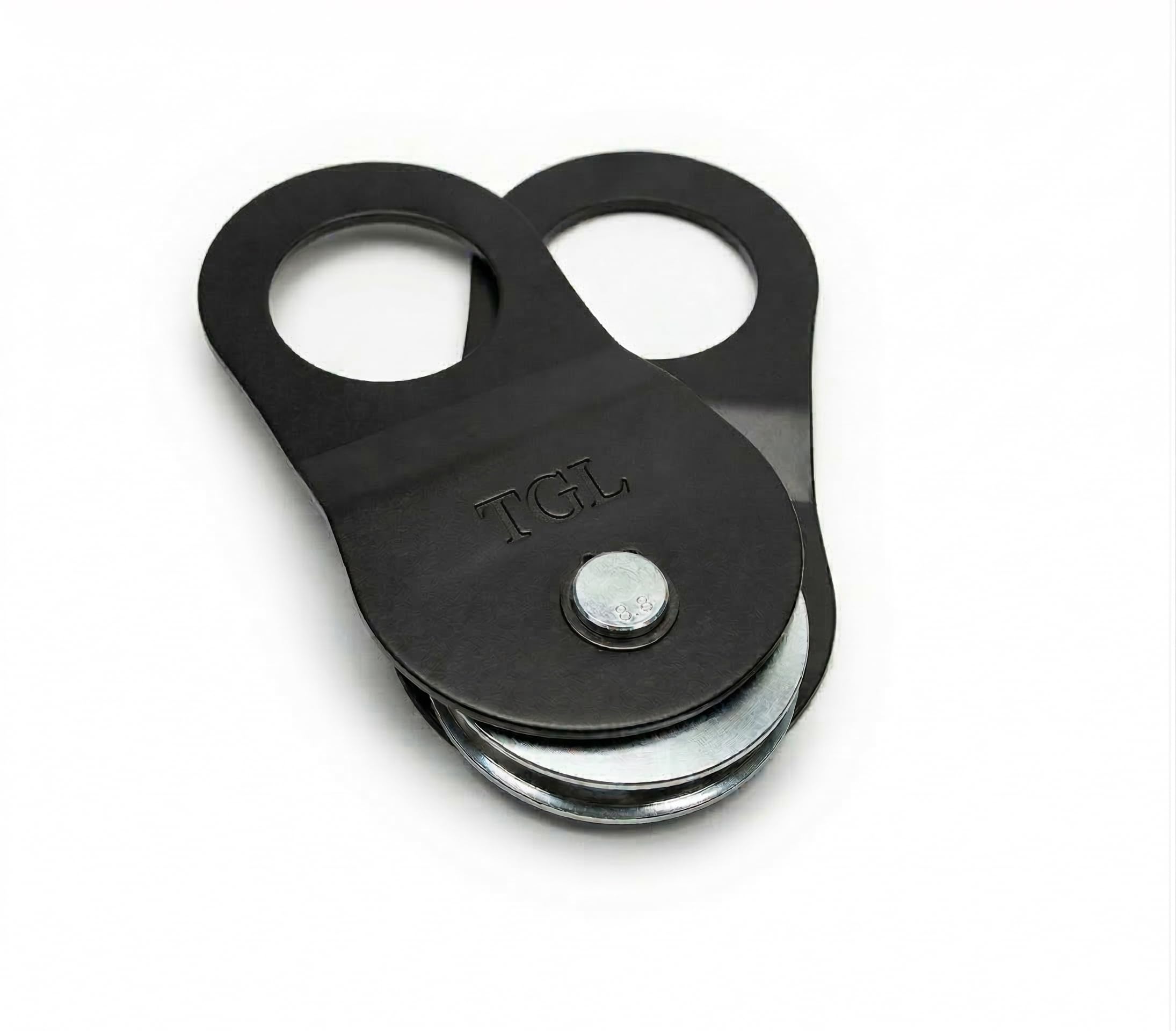
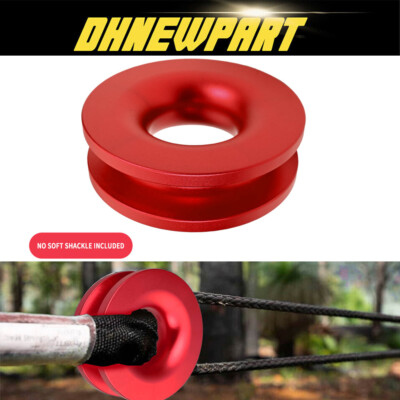
A winch snatch ring is a compact pulley made from metal, usually aluminum or steel, with a smooth groove for synthetic rope or steel cable. It acts like a pulley block but is lighter and simpler. You connect it to a recovery point with a soft shackle or bow shackle, then pass the winch line around the ring. This lets you change the direction of the pull or double the pulling power.
High-strength snatch rings are designed to handle serious loads, often rated from 10,000 kg (22,000 lbs) and up. This strength is critical, as winch recoveries often involve unpredictable forces and extreme tension.
Why High-strength Matters
Low-quality or weak snatch rings can fail under stress. Here’s why using a high-strength model is essential:
- Safety: If a snatch ring breaks, it can turn into a dangerous projectile. High-strength rings are less likely to fail, reducing the risk of injury.
- Load Capacity: Many winches can pull 9,000–12,000 lbs or more. A weak ring can’t handle these forces, especially when doubling line tension.
- Durability: High-strength alloys resist bending, cracking, and wear, even in mud, sand, or cold.
- Peace of Mind: When you trust your gear, you focus on the recovery, not on what might break.
Credit: www.amazon.com
Key Benefits Of High-strength Winch Snatch Rings
Increased Safety On The Trail
The most important reason to use a high-strength snatch ring is safety. Winching is risky; heavy vehicles and stuck equipment create enormous tension. A snatch ring with a high working load limit (WLL)—for example, 20,000 kg—will not deform or break under normal use. This protects everyone nearby.
Many off-road organizations now recommend using snatch rings instead of older snatch blocks, especially with synthetic ropes. Snatch rings have no moving parts and are less likely to fail due to grit or lack of lubrication.
Greater Versatility And Efficiency
With a high-strength snatch ring, you can:
- Change the direction of pull to avoid obstacles.
- Use double-line pulls to increase winch power.
- Set up complex recovery systems with multiple anchor points.
Because they are small and light, you can carry several rings without adding much weight. This flexibility lets you adapt quickly to different situations.
Compatibility With Modern Recovery Gear
Snatch rings work especially well with synthetic winch ropes. They do not damage the rope fibers and allow smooth operation. Most high-strength rings have a low friction surface—often anodized or polished—to reduce heat and wear.
Older snatch blocks often use steel rollers or pins that can pinch or weaken synthetic lines. With a snatch ring, the wide groove spreads the load and keeps the rope safe.
Comparison: Snatch Ring Vs. Snatch Block
Here’s a simple comparison:
| Feature | High-Strength Snatch Ring | Traditional Snatch Block |
|---|---|---|
| Weight | 200–400 grams | 1–2 kg |
| Moving Parts | None | Bearing/Pin |
| Maintenance | Minimal | Needs cleaning, lubrication |
| Best For | Synthetic rope | Steel cable |
| Strength | Up to 20,000+ kg | Up to 12,000–20,000 kg |
High-strength snatch rings are easier to carry and maintain, and they match or exceed the strength of most snatch blocks.
How To Choose A High-strength Snatch Ring
Selecting the right snatch ring means looking at more than just price. Here’s what really matters:
- Rated Strength: Check the minimum breaking strength (MBS). It should be much higher than your winch’s capacity. For example, if your winch is 9,000 lbs, choose a ring rated for at least 18,000 lbs.
- Material: Aluminum alloy rings are light but strong. Steel is heavier but can handle more abuse.
- Surface Finish: Look for a smooth, anodized or polished groove. This protects your synthetic rope and extends its life.
- Rope Compatibility: Make sure the groove fits your winch line’s diameter (usually 8–12 mm).
- Weight and Size: Lighter rings are easier to carry, but make sure they fit your recovery gear.
Never buy a snatch ring with no clear strength rating. Unknown brands or cheap copies may use weak materials or poor designs.
Credit: www.ebay.com
Using High-strength Snatch Rings: Best Practices
Even the best snatch ring is only safe if used correctly. Here are some key steps:
- Inspect your ring and rope before each use. Look for cracks, sharp edges, or wear.
- Use a soft shackle (rated for high loads) to connect the ring to a recovery point.
- Always keep bystanders away from the recovery area.
- Tension the winch line slowly to avoid shock loading.
- After use, clean the ring to remove dirt or sand that could scratch the surface.
A common mistake is using steel shackles or thin D-rings that can damage the snatch ring or rope. Stick with soft shackles unless your gear specifically calls for steel.
Real-world Example: Off-road Recovery
Imagine a 4×4 stuck in deep mud. The driver uses a synthetic winch line and a high-strength snatch ring rated at 20,000 kg. By anchoring the ring to a tree and running a double-line pull, the winch’s power is doubled, making the recovery possible. The ring’s smooth surface protects the rope, and its light weight means the driver can easily carry two for complex recoveries.
This setup is safer and more effective than relying on heavy, old-fashioned blocks, especially in rough terrain.

Credit: www.amazon.com
Practical Data: Snatch Ring Strength Ratings
Below is a comparison of common snatch ring ratings:
| Snatch Ring Model | Material | Minimum Breaking Strength (kg) | Weight |
|---|---|---|---|
| ARB Recovery Ring | Aluminum Alloy | 20,000 | 350g |
| Factor 55 Rope Retention Pulley | Aluminum Alloy | 22,000 | 330g |
| Warn Epic Snatch Ring | Aluminum Alloy | 18,000 | 320g |
Most reputable brands provide clear data. Avoid products with no published ratings.
Non-obvious Insights
Many beginners think a snatch ring is only for serious off-roaders, but it’s actually useful for anyone with a winch. It can help clear fallen trees, rescue stuck vehicles, or even move heavy objects on farms or worksites.
Another detail often missed: snatch rings must be kept clean and free of deep scratches. Even small damage can weaken the ring, especially under repeated heavy loads.
Trusted Resources
For more technical information on winch safety and recovery gear, see this Wikipedia article on winches.
Frequently Asked Questions
What Is The Main Advantage Of A High-strength Snatch Ring Over A Snatch Block?
A high-strength snatch ring is lighter, easier to carry, and has no moving parts that can fail or jam. This makes it safer and more reliable, especially with synthetic winch ropes.
How Do I Know If My Snatch Ring Is Strong Enough?
Always check the minimum breaking strength (MBS) on the ring. It should be at least double your winch’s pulling capacity. Never use a ring with no clear rating.
Can I Use A Snatch Ring With Steel Winch Cable?
Most snatch rings are designed for synthetic rope. Using steel cable can cause damage to both the ring and the cable. Always read the manufacturer’s instructions for compatibility.
How Do I Maintain My Snatch Ring?
After each use, clean off any dirt or sand. Inspect for scratches or cracks. Store in a dry place and avoid dropping it onto hard surfaces, as impacts can cause hidden damage.
Is A High-strength Snatch Ring Necessary For All Recoveries?
Not every recovery requires a snatch ring, but having a high-strength one available greatly increases your options and safety. It’s a small investment for peace of mind and flexibility.
Equipping your recovery kit with a high-strength winch snatch ring is one of the smartest moves you can make. It raises your safety, efficiency, and confidence—ensuring you’re ready for anything, on or off the road.
Related posts
 Why You Should Use a Foam Cannon for Car Washing: Ultimate Guide
Washing your car is more than just making it look good. It protects the paint, keeps the value high, and makes driving feel better. But if…
 How to Clean Leather Seats Without Damaging Them: Expert Tips
Keeping your leather seats clean can be a challenge. Leather looks beautiful and feels luxurious, but it needs special care. Many people worry about damaging their…
 Why Using a Ceramic Coating Spray is Important for Your Car’s Shine
If you care about your car’s appearance and value, you probably wash and wax it regularly. But did you know there’s a better way to protect…