
Off-Road Recovery Gear Guide: Essential Tools for Every Adventure
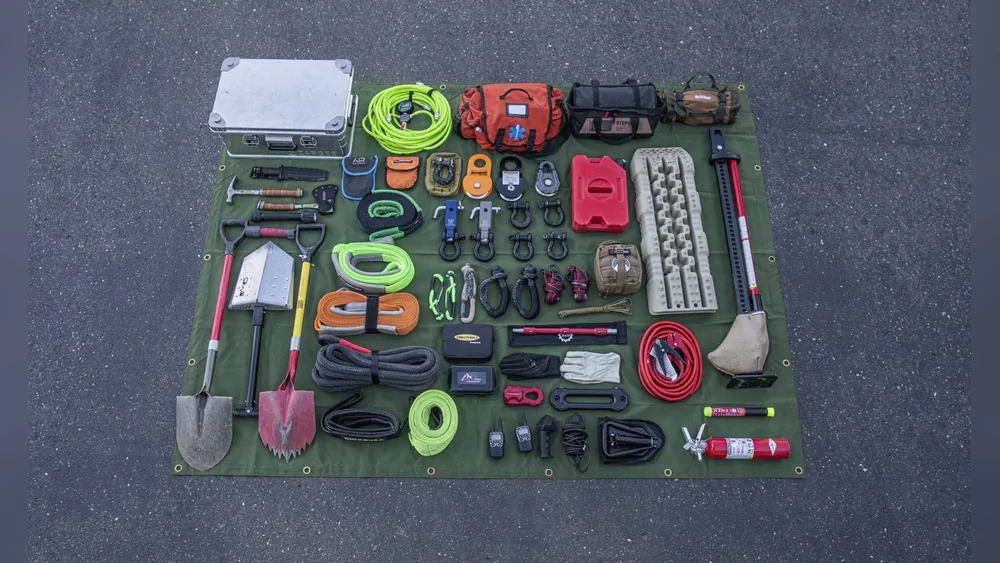
Getting stuck off-road can happen to anyone, whether you’re a beginner or an experienced adventurer. Mud, sand, snow, and steep trails all bring challenges that regular driving never does. The right off-road recovery gear can make the difference between a quick rescue and a long, stressful wait. This guide gives you the essential tools, explains how to use them, and offers real-world tips that most newcomers overlook.
Essential Off-road Recovery Gear
Every off-road vehicle should carry certain basic items. These tools help you recover from common problems like getting stuck in mud, sand, or snow.
1. Recovery Straps
Recovery straps (also called snatch straps) are strong, stretchable bands used to pull vehicles out of tough spots. They can handle thousands of pounds and are more effective than standard tow ropes because they stretch and “snap” the stuck vehicle free.
- Look for straps rated at least 2-3 times your vehicle’s weight.
- Never use recovery straps with metal hooks, as they can break and cause injury.
2. Winch
A winch mounts to the front or rear of your vehicle and uses a motor to pull you out of trouble. Winches are crucial if you often travel alone or in remote areas.
- Choose a winch rated at least 1.5 times your vehicle’s gross weight.
- Synthetic ropes are safer and lighter than steel cables.
3. D-shackles And Soft Shackles
D-shackles (bow shackles) and soft shackles connect your recovery straps or winch line to recovery points. D-shackles are made of metal, while soft shackles are made from synthetic rope and are lighter.
- Always use shackles rated for off-road recovery (not hardware store versions).
- Soft shackles are safer; they won’t become dangerous projectiles if they break.
4. Traction Boards
Traction boards (or recovery boards) are flat, reinforced plastic planks you place under your tires to gain grip in mud, sand, or snow. These tools are fast, simple, and often work without another vehicle.
- Store traction boards outside the vehicle for quick access.
- Quality boards can support up to 10,000 lbs.
5. Hi-lift Jack
The hi-lift jack is a versatile tool for lifting vehicles stuck in deep ruts or changing tires on uneven ground. It can also be used for winching or clamping, but it requires care to avoid injuries.
- Make sure your vehicle has proper jack points.
- Practice using a hi-lift jack before you need it in an emergency.
6. Shovel
A shovel is essential for digging out wheels or clearing obstacles. Folding shovels are compact, but full-size shovels work faster in deep mud or sand.
- A sturdy steel blade is best for rocky terrain.
- Keep the shovel accessible, not buried under gear.
7. Tire Deflator And Air Compressor
Lowering tire pressure increases tire surface area for better grip. A tire deflator lets you reduce pressure quickly, and an air compressor is needed to refill tires for highway driving.
- Never drive long distances on deflated tires; reinflate before returning to pavement.
8. Gloves And Recovery Blanket
Heavy-duty gloves protect your hands from rope burns, sharp edges, and hot parts. A recovery blanket (or winch dampener) is placed over winch lines to reduce whiplash if a line snaps.
- Use gloves every time you handle winch cables or recovery straps.
- Always cover winch lines during recovery operations.
Comparison: Recovery Strap Vs. Winch
The following table compares two of the most used recovery tools:
| Feature | Recovery Strap | Winch |
|---|---|---|
| Cost | Low ($30–$100) | High ($300–$1500+) |
| Setup Time | Very fast | Slower, requires mounting |
| Best Use | Quick pulls with another vehicle | Solo recoveries or tricky terrain |
| Skill Level | Beginner-friendly | Requires practice |

Credit: driving.ca
Safety Gear And Best Practices
Safety is often ignored by beginners but is absolutely vital in off-road recovery.
- Always stand clear of tensioned straps or winch lines.
- Use only rated recovery points—never tow from a bumper or suspension part.
- Communicate clearly with everyone involved before starting a recovery.
Common Mistakes To Avoid
- Using unrated or old straps, which can snap.
- Attaching to weak points on the vehicle.
- Not checking for bystanders before starting recovery.
- Forgetting to wear gloves.
Advanced Gear For Serious Off-roaders
For those who go deep into the wilderness or tackle extreme trails, some extra tools can be game-changers.
1. Kinetic Ropes
Kinetic ropes stretch even more than standard recovery straps, delivering a smoother, more powerful pull. They’re ideal for sand and mud.
2. Tree Saver Straps
When using trees as anchor points for winching, a tree saver strap spreads the load and protects the bark.
3. Snatch Block
A snatch block is a pulley that lets you change the winch line direction or double the winch’s pulling power.
- Always use with gloves and a recovery blanket for safety.

Credit: offroadtents.com
Choosing The Right Gear: Quick Comparison
Here’s a table to help match gear to the terrain you expect:
| Terrain | Essential Gear | Recommended Extras |
|---|---|---|
| Mud | Traction boards, recovery strap, shovel | Kinetic rope, winch |
| Sand | Traction boards, tire deflator, shovel | Kinetic rope, air compressor |
| Snow | Traction boards, recovery strap, gloves | Winch, snatch block |
| Rocks | Hi-lift jack, gloves, shovel | Winch, tree saver |
Real-world Tips Most Beginners Miss
- Always test new gear at home. Practice with your winch and straps in a safe place, so you’re not learning under stress.
- Check ratings on every item. Hardware store shackles and ropes often aren’t strong enough for vehicle recovery.
- Regularly inspect all gear for fraying, rust, or damage. Replace anything questionable.
- Keep gear organized in a dedicated bag or box, so you can find what you need fast.
- Plan for communication. In remote areas, a two-way radio or satellite messenger can save lives if a recovery goes wrong.

Credit: trail4runner.com
Frequently Asked Questions
What Is The Most Important Off-road Recovery Gear For Beginners?
For most beginners, traction boards and a recovery strap are the best starting points. They work in many situations, are easy to use, and don’t require a lot of skill.
How Do I Know If My Recovery Gear Is Strong Enough?
Check the rating on every piece of gear. Straps and shackles should be rated at least 2–3 times your vehicle’s gross weight. Never use unlabeled or unrated gear.
Can I Use A Standard Tow Rope For Vehicle Recovery?
It’s not recommended. Standard tow ropes often have metal hooks and aren’t designed to stretch. Use recovery straps or kinetic ropes made for off-road recovery.
How Often Should I Inspect My Recovery Gear?
Inspect your gear before and after every trip. Look for cuts, fraying, rust, or any sign of weakness. Replace any damaged items immediately.
Where Can I Learn More About Off-road Recovery Techniques?
Many off-road clubs and organizations offer training. You can also read detailed guides from the International Four Wheel Drive Trainers’ Association (IFATWA) for in-depth, expert advice.
Having the right off-road recovery gear isn’t just about safety—it’s about confidence and enjoying every adventure. With proper tools and knowledge, you can explore further, knowing you’re ready for the unexpected.
Related posts
 Why You Should Use a Foam Cannon for Car Washing: Ultimate Guide
Washing your car is more than just making it look good. It protects the paint, keeps the value high, and makes driving feel better. But if…
 How to Clean Leather Seats Without Damaging Them: Expert Tips
Keeping your leather seats clean can be a challenge. Leather looks beautiful and feels luxurious, but it needs special care. Many people worry about damaging their…
 Why Using a Ceramic Coating Spray is Important for Your Car’s Shine
If you care about your car’s appearance and value, you probably wash and wax it regularly. But did you know there’s a better way to protect…