
How to Tie a Recovery Rope to a Winch: Expert Step-by-Step Guide
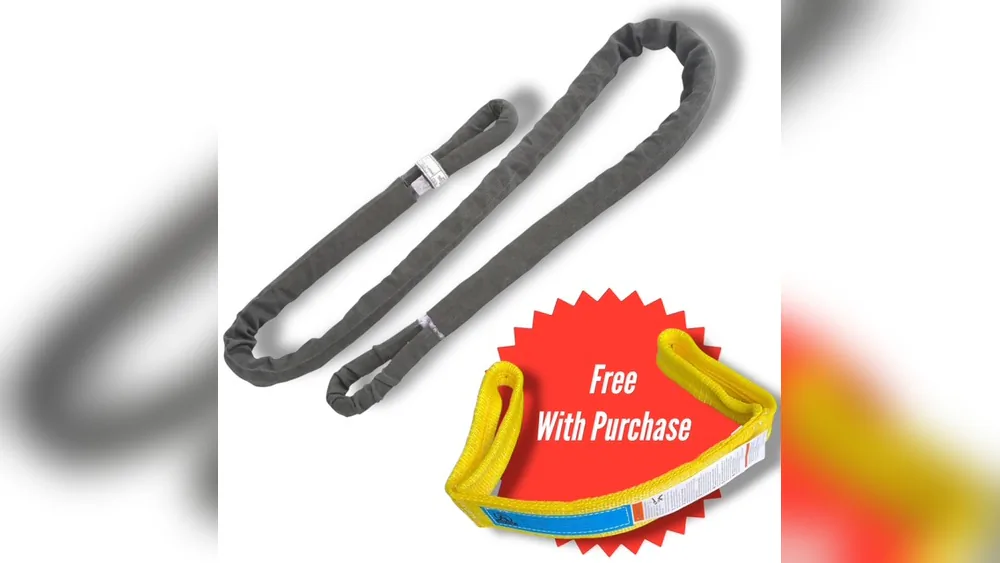
Getting your vehicle stuck off-road is common, but knowing how to use a winch and recovery rope can turn a stressful moment into a simple task. Many people make mistakes when connecting a recovery rope to a winch, which can damage equipment or cause accidents. This guide will show you how to tie a recovery rope to a winch safely, step by step. Along the way, you’ll learn practical tips, avoid common errors, and understand the right tools for the job.
Understanding Recovery Ropes And Winches
Recovery ropes are different from regular tow ropes. They are made to stretch and absorb shock, which helps free a stuck vehicle gently. Winches, on the other hand, use a motor to pull heavy loads with a steel cable or synthetic line. Properly connecting a recovery rope to a winch is important for both safety and effectiveness.
Key Differences
| Feature | Recovery Rope | Winch Cable |
|---|---|---|
| Material | Nylon (often) | Steel or Synthetic Fiber |
| Stretch | High (20-30%) | Low |
| Purpose | Kinetic recovery | Controlled pulling |
| Shock Absorption | Excellent | Poor |
Knowing these differences helps you choose the best tool for your situation.
Safety First: Before You Begin
Every year, thousands of off-road accidents happen due to improper winching. Before starting, always check your equipment and the area around you.
- Inspect your gear: Look for frayed ropes, bent shackles, or worn winch cables.
- Clear the area: Make sure bystanders are at least 1.5 times the length of the rope away from the recovery site.
- Wear gloves: This protects your hands from cuts and rope burns.
- Use rated equipment: Both the winch and rope should be rated for your vehicle’s weight.
Skipping these steps is a common mistake. Even experienced drivers sometimes forget, leading to preventable injuries.

Credit: vulcanbrands.com
Step-by-step: How To Tie A Recovery Rope To A Winch
Connecting a recovery rope to a winch takes care and attention. Here’s how to do it right:
1. Prepare The Winch
- Disengage the winch clutch so you can pull out the cable by hand.
- Pull enough cable to reach the stuck vehicle comfortably, but avoid excessive slack.
2. Choose The Right Attachment Point
- Never wrap the winch cable around a bumper, axle, or tree directly.
- Use a rated recovery point or shackle on the vehicle.
- If using a tree, use a tree saver strap to avoid damaging nature and your gear.
3. Attach The Recovery Rope
- Connect a D-shackle or soft shackle to the recovery point on the stuck vehicle.
- Loop the recovery rope through the shackle.
- Attach the other end of the rope to the winch cable using a bowline knot or a rated recovery hook.
Example: Bowline Knot
The bowline knot is strong, easy to untie, and commonly used for recovery.
- Form a small loop at the end of the winch cable.
- Pass the recovery rope through the loop.
- Wrap the rope around itself and pull the end through the loop.
- Tighten the knot.
4. Tension The Line
- Slowly reel in the winch until the rope is taut.
- Double-check all connections before applying full power.
5. Begin Recovery
- Keep the engine running in both vehicles if possible.
- The stuck vehicle should gently apply power while the winch pulls.
- Communicate clearly with all helpers.
6. Finish Safely
- Once free, stop the winch and disconnect everything in reverse order.
- Inspect your equipment for damage before storing.
One insight beginners often miss: Never use a kinetic (stretchy) recovery rope with a winch under load. The sudden stretch can create dangerous snapback, risking serious injury.
Types Of Recovery Ropes And Winch Lines
The right combination of rope and winch line increases safety and effectiveness. Here’s a quick comparison of popular choices.
| Type | Pros | Cons |
|---|---|---|
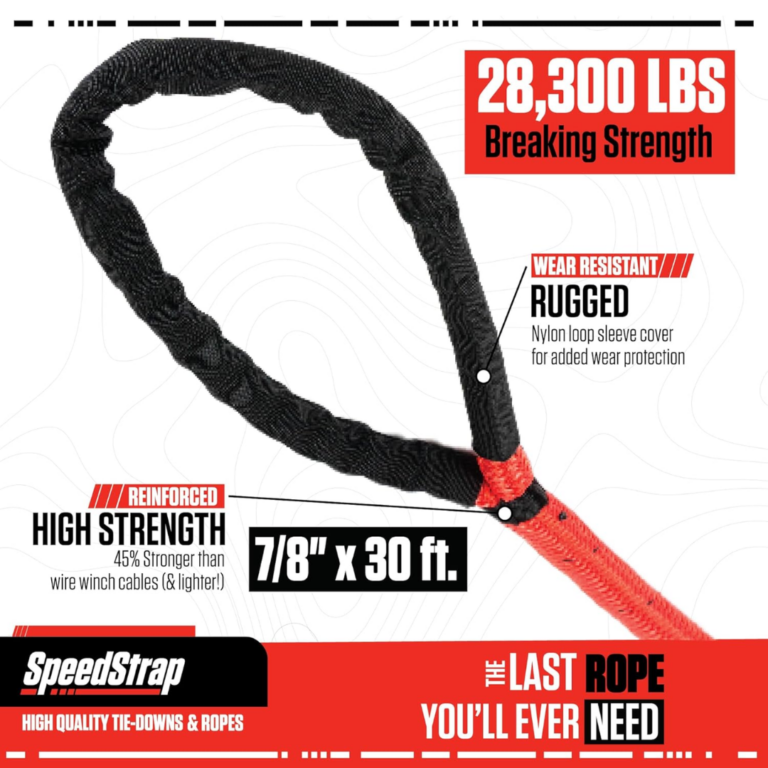
| Synthetic Rope | Lightweight, flexible, safe if broken | UV-sensitive, needs protection from abrasion |
| Steel Cable | Very strong, durable | Heavy, dangerous if snapped |
| Kinetic Recovery Rope | Stretch absorbs shock, gentle recovery | Not for winching under load |
Choose a rope and winch line that suit your vehicle’s weight and your typical off-road environment.

Credit: eur.vevor.com
Common Mistakes And How To Avoid Them
Many people new to recovery make simple but risky errors:
- Using the wrong knot: Not all knots are safe for heavy loads. Stick with the bowline or use rated hooks.
- Connecting directly to the winch drum: Always use the winch hook or a proper loop, never tie a rope to the drum itself.
- Ignoring weight ratings: Using under-rated gear can cause dangerous failures.
- Standing too close: Always keep a safe distance. If something breaks, parts can fly far and fast.
Some drivers don’t realize that synthetic ropes are safer than steel cables for most off-roaders because they don’t store as much energy if they break. This is a detail many beginners overlook.
Extra Tips For Safe And Effective Recovery
- Use a damper blanket or heavy jacket over the winch line. This helps absorb energy if the line breaks.
- Regularly clean and inspect your recovery gear for dirt, moisture, and damage.
- Practice tying knots at home, so you’re not learning under stress.
- Carry spare shackles and gloves in your vehicle at all times.
- If your winch line is too short, use an extension strap rated for your setup.
Following these steps and tips will make your vehicle recovery smoother and much safer. For more detailed information on winching and recovery, visit 4×4 Training.
Credit: www.prpseats.com
Frequently Asked Questions
How Do I Know If My Recovery Rope Is Strong Enough?
Check the breaking strength of the rope. It should be at least three times your vehicle’s weight. For example, a 2,000 kg SUV needs a rope rated for 6,000 kg or more.
Can I Use A Tow Strap Instead Of A Recovery Rope?
Tow straps are less stretchy and not designed for snatch recoveries. Using the right recovery rope reduces shock and makes recovery safer.
What’s The Safest Knot For Tying A Rope To A Winch?
The bowline knot is recommended for its strength and easy untying after use. Make sure to learn it well before heading off-road.
Is It Safe To Use A Steel Cable With A Recovery Rope?
Steel cables can be used, but always connect them using rated shackles or hooks. Never tie knots in steel cables, as this weakens them.
How Often Should I Replace My Recovery Rope?
Inspect your rope after each use. Replace it if you see fraying, cuts, or melted fibers. Most ropes last several years with proper care, but frequent use in harsh conditions may shorten their lifespan.
Connecting a recovery rope to a winch is a skill every off-roader should master. With the right knowledge and gear, you can recover a stuck vehicle smoothly and safely. Always put safety first, use the right tools, and practice your technique before you need it in the wild.
Related posts
 Why You Should Use a Foam Cannon for Car Washing: Ultimate Guide
Washing your car is more than just making it look good. It protects the paint, keeps the value high, and makes driving feel better. But if…
 How to Clean Leather Seats Without Damaging Them: Expert Tips
Keeping your leather seats clean can be a challenge. Leather looks beautiful and feels luxurious, but it needs special care. Many people worry about damaging their…
 Why Using a Ceramic Coating Spray is Important for Your Car’s Shine
If you care about your car’s appearance and value, you probably wash and wax it regularly. But did you know there’s a better way to protect…