
How to Use a Winch Snatch Block for Recovery Like a Pro
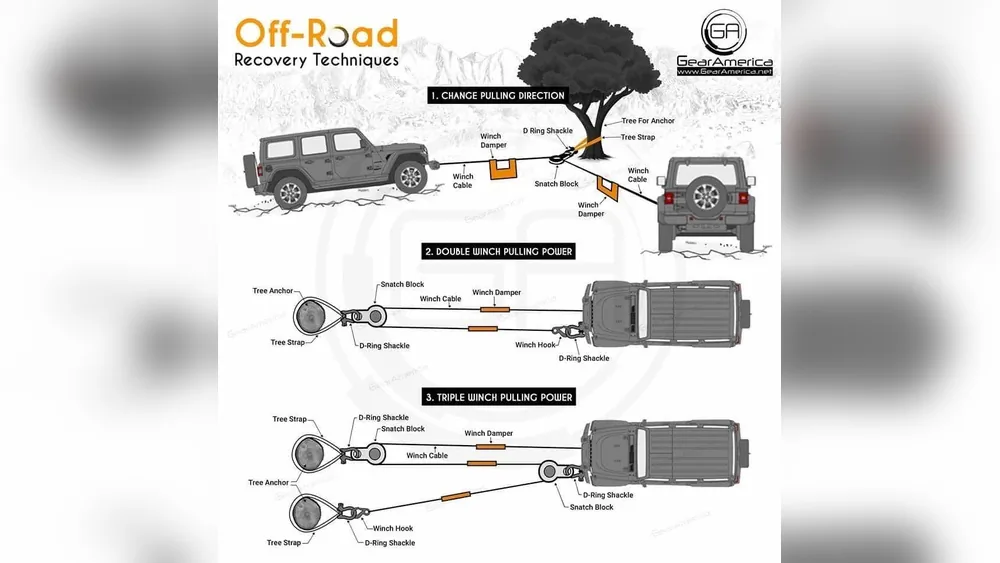
Getting your vehicle stuck off-road is a challenge many adventurers face. A winch is a powerful tool for recovery, but sometimes, a straight pull is not enough. This is where a snatch block becomes essential. Used correctly, it can double your pulling power, change your line direction, and make recovery much safer. If you’re new to winching or just want to get better, learning how to use a winch snatch block is a skill you shouldn’t overlook.
What Is A Winch Snatch Block?
A winch snatch block is a heavy-duty pulley with a side plate that opens. This design allows you to feed your winch cable or rope into the pulley, then close the plate for secure use. The block rotates as the winch pulls, reducing friction and letting you control the direction and strength of your pull.
Most snatch blocks are made from steel or aluminum and rated for different weight capacities. Using the right block for your winch and vehicle weight is crucial for safety.
Why Use A Snatch Block?
Many off-roaders think a winch alone is enough. But a snatch block offers unique advantages:
- Doubles pulling power: By redirecting the cable, the block splits the load, making your winch twice as effective.
- Changes pull direction: You can pull from angles not directly in front of your vehicle.
- Reduces winch stress: Lower strain means your winch motor lasts longer and is less likely to overheat.
- Improves control: A snatch block can slow down the pull, making tricky recoveries smoother.
Here’s a quick comparison of winching with and without a snatch block:
| Feature | Winch Alone | Winch + Snatch Block |
|---|---|---|
| Pulling Power | Normal | Up to 2x |
| Direction Change | Limited | Flexible |
| Winch Motor Strain | High | Reduced |
| Heat Buildup | Faster | Slower |

Credit: overlandvehiclesystems.com
When Should You Use A Snatch Block?
A snatch block is helpful in several situations:
- Your winch is not strong enough for the stuck load.
- The anchor point (like a tree or rock) is not straight ahead.
- You want to reduce the stress on your winch system.
- You need to pull at an angle to avoid obstacles.
Beginners often forget: Using a snatch block isn’t just for extreme off-roading. Even a small hill or a heavy trailer can create enough resistance to make it necessary.
How To Use A Winch Snatch Block Step By Step
Using a snatch block safely is more than just clipping it on. Follow these steps to make sure you use it correctly:
1. Assess The Situation
Before doing anything, check your vehicle’s position, the anchor points available, and the terrain. Make sure you have a clear path for the winch cable, and that nothing will get caught or pinched.
2. Choose The Right Snatch Block
Make sure your snatch block’s rated capacity is at least equal to your winch’s maximum pull. For example, if your winch is rated at 10,000 pounds, use a block rated for 10,000 pounds or more.
Here is a quick reference for winch and snatch block compatibility:
| Winch Capacity | Minimum Snatch Block Rating |
|---|---|
| 8,000 lbs | 8,000 lbs |
| 10,000 lbs | 10,000 lbs |
| 12,000 lbs | 12,000 lbs |
Insight: Always check both the block and the anchor point’s rating. A strong block is useless if your tree strap or shackle is weak.
3. Prepare The Winch Cable
Pull out enough winch cable to reach your anchor point. Never let the cable drag across rocks or dirt, as this can cause damage.
- If using steel cable, wear gloves to protect your hands.
- For synthetic rope, check for frays or cuts before use.
4. Set Up The Snatch Block
- Open the snatch block by swinging aside one of its side plates.
- Place the cable or rope into the pulley wheel (sheave).
- Close the plate and make sure it clicks securely.
5. Attach To Anchor Point
Wrap a tree saver strap or recovery strap around your anchor point (like a tree or rock). Attach the snatch block to the strap with a D-shackle or bow shackle.
- Never wrap the winch cable directly around the anchor point.
- Make sure all connections are tight but not over-tightened.
6. Route The Cable Back
For double line pulls, bring the cable back to your vehicle and attach it to a secure recovery point. For directional pulls, run the cable through the block toward the vehicle you are recovering.
Example: If you’re stuck in mud and the only tree is to your left, use the snatch block to pull from the side instead of straight ahead.
7. Check Everything
Before winching:
- Double-check all shackles, straps, and the snatch block for proper attachment.
- Clear the area of people—stand at least 1.5x the length of the cable away.
- Use a winch damper or heavy jacket over the cable to reduce snapback risk.
8. Start Winching Slowly
Operate the winch in short bursts. Watch the snatch block and anchor point for movement or shifting. If anything looks unsafe, stop immediately.
Tip: Listen for strange noises. Grinding or squealing can mean the block is overloaded or not turning freely.
9. Complete The Recovery
Once your vehicle is free, put the winch in neutral. Slowly release tension on the cable, then disconnect the snatch block and all recovery gear. Inspect everything for damage before storing.

Credit: www.youtube.com
Key Mistakes To Avoid
- Using a snatch block rated too low for your winch.
- Not inspecting recovery gear for damage before use.
- Forgetting to use a tree saver strap, which damages trees and is dangerous.
- Standing too close to the winching operation.
- Over-tightening shackles, which can make them hard to remove.
Extra insight: Many beginners don’t realize that a snatch block can create extra heat. Let your winch rest between pulls if the motor starts to feel hot.
Maintenance Tips For Snatch Blocks
- Clean the snatch block after every use, especially if it’s been in mud or sand.
- Lubricate the pulley wheel regularly to prevent rust and ensure smooth turning.
- Check for cracks, worn bearings, or bent side plates before each trip.
A well-maintained snatch block lasts years and is safer in every recovery.

Credit: www.desertwranglers.club
Frequently Asked Questions
What Is The Main Benefit Of Using A Snatch Block?
The main benefit is doubling your winch’s pulling power. It also lets you change the direction of pull and reduces stress on your winch motor.
Can I Use Any Pulley As A Snatch Block?
No, only use a snatch block designed for winching. Regular pulleys are not strong enough and could break, causing injury.
How Do I Know If My Snatch Block Is Overloaded?
If the block’s pulley stops turning smoothly or you hear grinding noises, stop immediately. Always check the block’s rated capacity before use.
Is A Snatch Block Safe For Synthetic Winch Rope?
Yes, most snatch blocks are safe for synthetic rope. However, make sure the block’s sheave is smooth and free of sharp edges to avoid damaging the rope.
Where Can I Learn More About Winch Safety?
You can find in-depth guides and safety tips at the Wikipedia page on winches.
Mastering the use of a snatch block takes practice, but it’s one of the best ways to make off-road recovery safer and more effective. With the right technique and attention to detail, you’ll be ready for any challenge on the trail.
Related posts
 Why You Should Use a Foam Cannon for Car Washing: Ultimate Guide
Washing your car is more than just making it look good. It protects the paint, keeps the value high, and makes driving feel better. But if…
 How to Clean Leather Seats Without Damaging Them: Expert Tips
Keeping your leather seats clean can be a challenge. Leather looks beautiful and feels luxurious, but it needs special care. Many people worry about damaging their…
 Why Using a Ceramic Coating Spray is Important for Your Car’s Shine
If you care about your car’s appearance and value, you probably wash and wax it regularly. But did you know there’s a better way to protect…