
Winch Recovery Ring Vs. Traditional Hooks: Which Is Better?
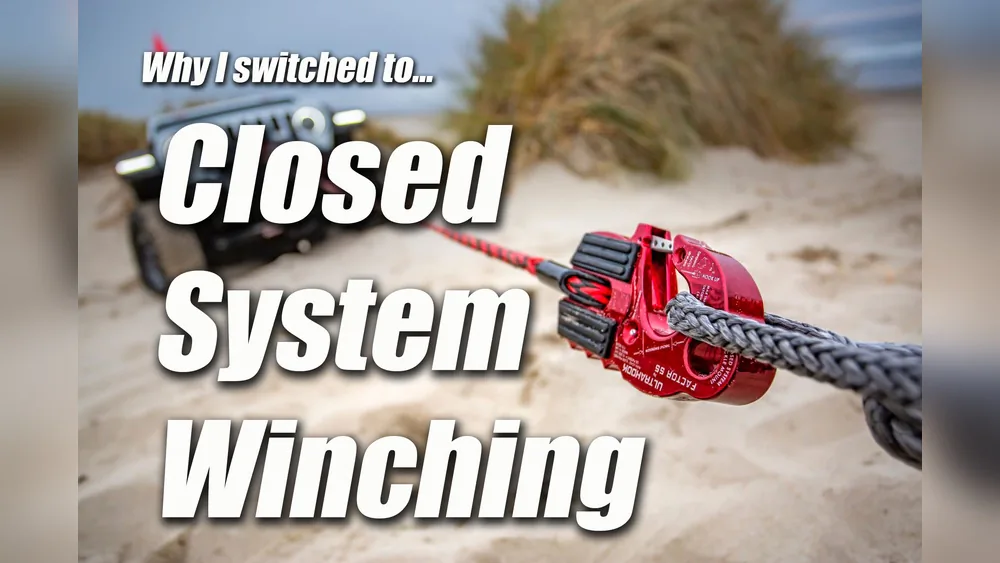
When it comes to off-road recovery, the right gear can make a huge difference in safety and efficiency. Two key pieces of equipment are the winch recovery ring and the traditional hook. While both are designed to help pull vehicles from tough spots, they operate differently and offer unique benefits and drawbacks. If you’re new to winching or want to upgrade your gear, it’s important to understand how these tools compare, how they work, and which one might fit your needs best.
What Is A Winch Recovery Ring?
A winch recovery ring is a compact, lightweight device used with soft shackles and synthetic winch lines. It acts as a pulley, changing the direction of pull or doubling the pulling power of your winch. Unlike traditional snatch blocks (which use rollers and pins), recovery rings are simple, have no moving parts, and are made from strong aluminum.
This design reduces weight and maintenance. To use a recovery ring, you loop a soft shackle through the ring and attach it to a recovery point. The winch line runs around the ring, allowing it to slide smoothly as you pull.
Key benefits:
- Much lighter than metal snatch blocks or hooks
- No moving parts to break or rust
- Designed for use with synthetic winch ropes
What Is A Traditional Hook?
A traditional winch hook is the classic metal hook found at the end of most winch cables. It’s made from heavy-duty steel and is designed to clip onto recovery points, tow straps, or other hardware quickly. The hook shape allows for fast attachment and removal, which is why it’s still popular today.
However, traditional hooks can have exposed sharp edges, are heavy, and can become dangerous if a winch line snaps under load.
Key features:
- Fast and easy connection
- Steel construction for high strength
- Used with steel or synthetic winch lines

Credit: www.factor55.com
Head-to-head Comparison
To help you see the core differences at a glance, here’s a direct comparison between winch recovery rings and traditional hooks:
| Feature | Winch Recovery Ring | Traditional Hook |
|---|---|---|
| Weight | Very light (200-400g) | Heavier (400-700g) |
| Material | Anodized aluminum | Forged steel |
| Compatibility | Synthetic rope only | Steel & synthetic cables |
| Ease of Use | Needs soft shackle | Quick hook-on |
| Safety | No sharp edges, less risk if failure | Can become projectile if line fails |
Strength And Safety
Both tools are built to be strong, but the way they handle force is different. Winch recovery rings are designed for smooth, controlled movement of synthetic ropes. They avoid sharp bends and reduce friction, which protects your rope and minimizes heat buildup. Most quality rings have a working load limit above 10,000 kg.
Traditional hooks are made from forged steel and rated for heavy pulls. However, if a winch line or hook fails, the heavy metal can turn into a dangerous projectile. Hooks also have open gaps which can slip off recovery points if not secured correctly.
Real-world Data
- Recovery rings: Some models can handle up to 20,000 kg of force.
- Hooks: Standard winch hooks are usually rated for 5,000–10,000 kg.
A surprising point most beginners miss: the weakest link is often the anchor point or the way you connect the equipment—not the hardware itself. Always check all connections before winching.

Credit: www.factor55.com
Usability And Practicality
Choosing the right tool depends on your needs and setup.
- Winch recovery rings require soft shackles and synthetic rope. They’re best for modern off-roaders who want the lightest, safest option.
- Traditional hooks are quick to use, work with most winches, and are familiar to many drivers.
A common mistake is trying to use a recovery ring with a steel cable. This can damage the ring and cause dangerous failures. Always follow the manufacturer’s guidelines.
Durability And Maintenance
Winch recovery rings need almost no maintenance. With no moving parts, you just wipe them clean after use. Their anodized finish resists corrosion.
Traditional hooks are tough but can rust, especially if the paint chips or they’re exposed to saltwater. Inspect hooks for cracks, sharp edges, or wear before each use.
Cost Differences
You might think high-tech gear is always expensive, but that’s not always true. Winch recovery rings usually cost between $30–$70. Good-quality hooks range from $20–$50.
However, consider the cost of extra gear: recovery rings require soft shackles (about $30–$50 each), while hooks can be used alone. For a full upgrade, the initial investment in rings can be higher.
Which One Should You Choose?
If you mostly use synthetic rope and want maximum safety, a winch recovery ring is the modern choice. It’s lighter, safer, and easier to carry. For quick, simple jobs or if your winch uses steel cable, a traditional hook is reliable and proven.
Here’s a quick guide for different situations:
| Scenario | Best Choice | Why |
|---|---|---|
| Modern 4×4 with synthetic rope | Recovery ring | Lightweight, no damage to rope |
| Older winch with steel cable | Traditional hook | Works with steel, fast to use |
| Group recoveries or complex rigging | Recovery ring | Easier for redirects, doubles pulling power |
| Occasional use, low budget | Traditional hook | Cheaper upfront, familiar |
Extra Insights Most Beginners Miss
- Soft Shackles Are Essential: If you want to use a recovery ring, you must buy soft shackles. They’re safer than metal D-shackles and lighter, but can wear out if dragged on rough surfaces.
- Line Angle Matters: Using a recovery ring lets you redirect force, reducing the chance of pulling your vehicle sideways or damaging anchor points. Hooks do not offer this flexibility.
Safety Reminders
- Never use damaged or worn gear.
- Stand clear during winching—both rings and hooks can become dangerous if something breaks.
- Always read and follow manufacturer instructions.
For more in-depth safety tips and best practices, check the 4WDABC Guide to Safe Recoveries.

Credit: overlandvehiclesystems.com
Frequently Asked Questions
What Is The Main Difference Between A Winch Recovery Ring And A Traditional Hook?
A winch recovery ring is a pulley for redirecting force and doubling pulling power, mainly used with synthetic ropes and soft shackles. A traditional hook is a quick-attach metal hook for connecting directly to recovery points, used with steel or synthetic cables.
Can I Use A Winch Recovery Ring With A Steel Cable?
No, recovery rings are designed only for synthetic winch ropes. Using them with steel cable can damage the ring and create safety risks.
Are Recovery Rings Safer Than Traditional Hooks?
Yes, in most cases. Recovery rings have no sharp edges and are lighter, reducing injury risk if something fails. However, both require safe use and proper setup.
Do I Need Soft Shackles To Use A Recovery Ring?
Yes. Soft shackles are required to connect a recovery ring to anchor points. Traditional hooks do not need extra shackles for most uses.
How Do I Know If My Winch Equipment Is Strong Enough?
Check the working load limit (WLL) stamped on your gear. All parts, including winch lines, rings, hooks, and shackles, should have a WLL above your vehicle’s weight. Always use gear that matches your winching needs.
Choosing between a winch recovery ring and a traditional hook depends on your setup, safety priorities, and budget. Both have their place in modern off-road recovery, but understanding the differences will help you make the right choice for your next adventure.
Related posts
 Why You Should Use a Foam Cannon for Car Washing: Ultimate Guide
Washing your car is more than just making it look good. It protects the paint, keeps the value high, and makes driving feel better. But if…
 How to Clean Leather Seats Without Damaging Them: Expert Tips
Keeping your leather seats clean can be a challenge. Leather looks beautiful and feels luxurious, but it needs special care. Many people worry about damaging their…
 Why Using a Ceramic Coating Spray is Important for Your Car’s Shine
If you care about your car’s appearance and value, you probably wash and wax it regularly. But did you know there’s a better way to protect…