Guide to Off-Road Recovery Gear for Beginners: Essential Tips
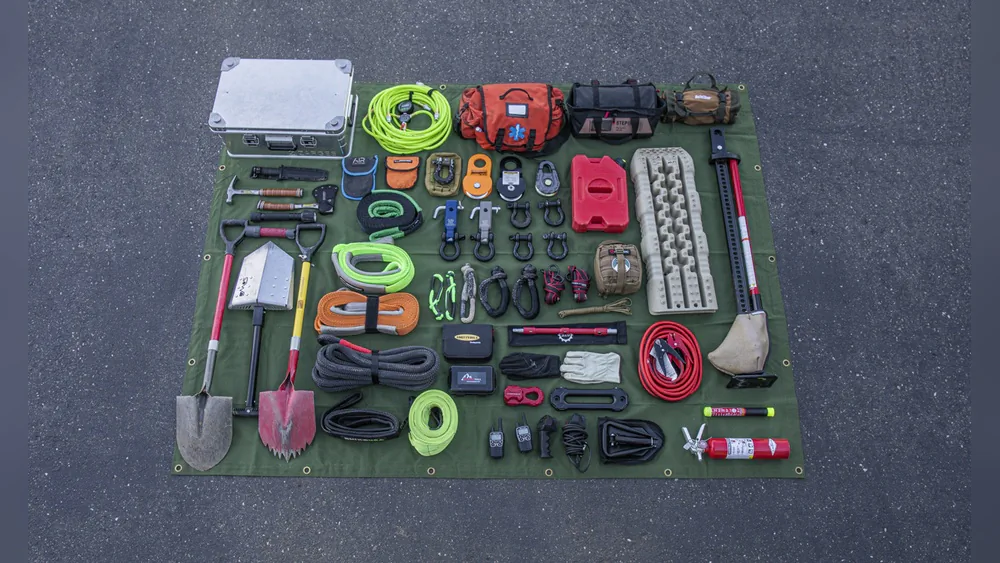
Venturing off-road for the first time is exciting, but it comes with risks. Getting stuck in mud, sand, or snow can happen to anyone, even experienced drivers. The right off-road recovery gear can turn a tough situation into a simple fix. For beginners, understanding what gear to carry and how to use it is just as important as learning to drive off-road. This guide will help you confidently prepare for your next adventure and avoid common mistakes that leave many stranded.
Essential Off-road Recovery Gear
Every beginner should pack a basic set of recovery tools before heading off-road. These items are not only for emergencies—they also build confidence and independence.
1. Recovery Straps
Recovery straps—often called snatch straps—are made from strong, stretchy nylon. They connect two vehicles so one can pull the other out of trouble. Unlike chains, straps stretch and store energy, making recovery smoother and less likely to damage vehicles.
Two key specs matter:
- Length: 20–30 feet is ideal for most situations.
- Rating: The strap’s breaking strength should be 2–3 times your vehicle’s weight.
2. D-shackles (bow Shackles)
D-Shackles connect recovery straps to your vehicle’s recovery points. Choose steel shackles rated for at least 4.75 tons. Never use cheap hardware-store shackles; they may fail under stress.
3. Traction Boards
If you lose traction in sand, snow, or mud, traction boards can help you drive out instead of digging. Place them under the tires for grip. They are lightweight and easy to use but often forgotten by beginners.
4. Tire Deflator
Lowering tire pressure increases traction. A tire deflator lets you quickly reduce air to the right pressure for the terrain. Always air up again before returning to the road.
5. Portable Air Compressor
You’ll need a portable air compressor to reinflate tires after using a deflator. Get one that connects to your battery and can handle your tire size.
6. Shovel
A sturdy off-road shovel is more useful than it sounds. Use it to clear mud or sand from around tires, or to flatten a path. Metal shovels are more durable than plastic.
7. Recovery Points
Never attach straps to bumpers or tow balls—they can break and cause injury. Use rated recovery points mounted to the chassis. Check your vehicle before you go; many SUVs do not have them from the factory.
8. Work Gloves
Work gloves protect your hands from sharp objects, heat, and abrasion when handling gear. Leather gloves last longer and offer better protection.
9. Winch
While not essential for all beginners, a winch can be a game-changer. Electric winches pull your vehicle using a cable and are especially helpful when traveling alone. Learn how to use one safely before relying on it.
10. Tree Trunk Protector
When using a winch, a tree trunk protector wraps around a tree without damaging the bark. This is vital for responsible off-roading and environmental care.
How To Choose Quality Recovery Gear
Not all recovery gear is equal. Cheap or fake equipment can break and make things worse. Here’s what matters most when buying:
| Item | What to Look For | Why It Matters |
|---|---|---|
| Straps | Nylon, rated for 2–3x vehicle weight | Strength and stretch absorb shock |
| D-Shackles | Forged steel, 4.75+ ton rating | Prevents breakage during pulls |
| Winch | 1.5x vehicle weight pull capacity | Ensures winch can handle load |
Non-obvious insight: Many beginners buy the most powerful winch or thickest strap, thinking bigger is always better. This can lead to overloading vehicle mounts or making handling difficult. Match gear size to your actual vehicle and needs.
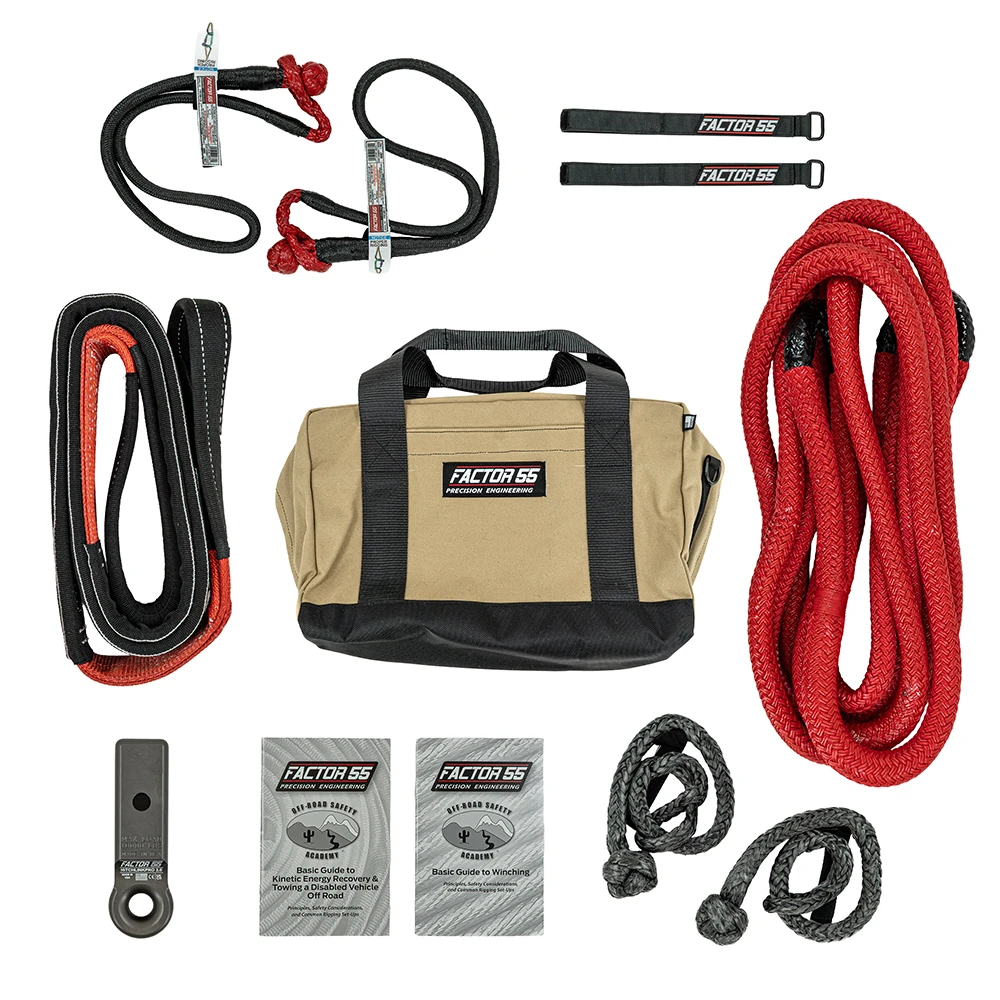
Credit: agileoffroad.com
Safe Recovery Techniques
Gear alone is not enough. Using it the right way keeps everyone safe.
- Assess the situation. Don’t rush. Check for dangers like loose rocks, soft ground, or trees.
- Use rated points. Only connect gear to official recovery points.
- Communicate clearly. Agree on signals with others before starting.
- Stand clear. Never stand near tight straps or cables—they can snap and cause injury.
- Avoid wheel spin. Spinning tires can dig you in deeper. Use gentle throttle.
Practical tip: Carry a tarp or recovery damper to place over cables during winching. If the cable breaks, the damper absorbs energy and reduces risk.
Common Mistakes Beginners Make
Avoid these errors to make off-road recovery safer and easier:
- Relying only on friends’ vehicles for help, not carrying your own gear.
- Using tow balls for recovery. Tow balls can become lethal projectiles if they break.
- Forgetting to check tire pressure before recovery attempts.
- Not learning basic knots if using ropes.
- Packing gear but never practicing how to use it.
Non-obvious insight: Practice recovery techniques in a safe environment before your first real outing. The middle of a forest or desert is not the place to learn how to use your winch or connect a recovery strap.

Credit: dixie4wheeldrive.com
Quick Comparison: Essential Vs. Advanced Recovery Gear
Beginners often wonder what’s truly necessary versus what’s “nice to have.” Here’s a simple comparison:
| Essential Gear | Advanced Gear |
|---|---|
| Recovery Straps | Winch |
| D-Shackles | Snatch Block |
| Traction Boards | Hi-Lift Jack |
| Shovel | Sand Ladders |
| Work Gloves | Tree Saver |
Start with the essentials. As you gain experience, add advanced tools based on your needs and the terrains you explore.
Packing And Maintenance Tips
Keeping gear organized and in good condition is key. Store straps and shackles in a dedicated bag. After use, clean mud or sand off, dry everything, and check for damage. Replace worn straps or rusty shackles before your next trip.
Pro tip: Keep a small spray bottle of silicone lubricant for shackles and winch cables to prevent rust.

Credit: offroadtents.com
Real-world Example
Imagine you’re stuck in soft sand. You deflate your tires to 15 psi with your tire deflator, lay out traction boards under the tires, and use your shovel to clear a path. With gentle acceleration, you drive out—no towing needed.
This simple recovery uses basic gear, but only works if you have it with you and know how to use it.
For more detailed guides and off-road safety resources, check the Off-roading Wikipedia page.
Frequently Asked Questions
What Is The Most Important Recovery Item For Beginners?
The recovery strap is the most important. It allows another vehicle to pull you out safely. Make sure it’s rated for your vehicle’s weight.
Can I Use A Regular Tow Rope Instead Of A Recovery Strap?
No. Tow ropes don’t stretch and can break under sudden loads. Always use a proper recovery strap designed for off-road use.
Do I Need A Winch As A Beginner?
Not always. A winch is helpful, but many beginners do fine with straps, shackles, and traction boards. Learn the basics before investing in a winch.
How Do I Know My Gear Is Strong Enough?
Check the load rating. Straps, shackles, and winches should be rated for at least 1.5–3 times your vehicle’s weight. Never use unmarked or unrated equipment.
Should I Practice Using My Gear Before Going Off-road?
Absolutely. Practice connecting straps, using traction boards, and lowering tire pressure at home. This makes real recoveries faster and safer.
Preparing for off-road adventures means more than just packing gear. Understanding, practicing, and maintaining your equipment will help you stay safe and enjoy your trip. With the right knowledge and tools, you’ll be ready for whatever the trail throws at you.
Related posts
 Why You Should Use a Foam Cannon for Car Washing: Ultimate Guide
Washing your car is more than just making it look good. It protects the paint, keeps the value high, and makes driving feel better. But if…
 How to Clean Leather Seats Without Damaging Them: Expert Tips
Keeping your leather seats clean can be a challenge. Leather looks beautiful and feels luxurious, but it needs special care. Many people worry about damaging their…
 Why Using a Ceramic Coating Spray is Important for Your Car’s Shine
If you care about your car’s appearance and value, you probably wash and wax it regularly. But did you know there’s a better way to protect…