Winch Accessories for Heavy-Duty Towing: Must-Have Gear
Heavy-duty towing is a serious task. It demands more than just a powerful winch. The right winch accessories can mean the difference between a safe, smooth recovery and a risky, failed job. Whether you’re a professional tow operator or an off-road enthusiast, knowing which accessories to use, and how to use them, is critical. Many beginners think the winch alone does all the work, but in reality, winch accessories are what keep you in control, protect your equipment, and help you handle unexpected challenges.
Essential Winch Accessories For Heavy-duty Towing
Understanding which accessories are truly vital will help you get the best results from your winch setup. Here are the key tools and add-ons every heavy-duty towing operation should include:
1. Recovery Straps
Recovery straps are flexible, strong, and designed to handle massive loads. They are often made from nylon, which stretches under tension. This stretch helps “snatch” a stuck vehicle out of mud or sand, delivering a smooth pull.
- Typical length: 20–30 feet
- Breaking strength: 20,000 lbs or more
Never use tow straps (which don’t stretch) for winching. The right recovery strap can absorb shock and reduce the risk of breaking.
2. Snatch Blocks
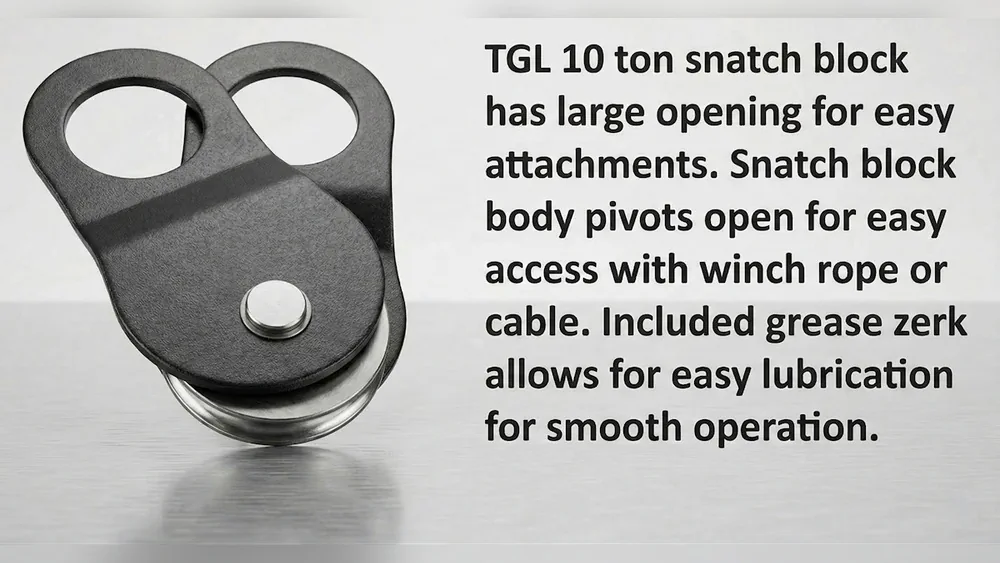
A snatch block is a pulley that changes the direction of your winch line or doubles your pulling power. It’s a must-have for heavy-duty towing because it allows you to:
- Winch at an angle
- Pull heavier vehicles
- Reduce strain on your winch motor
For example, a winch rated for 10,000 lbs can pull up to 20,000 lbs with a snatch block.
3. D-shackles And Bow Shackles
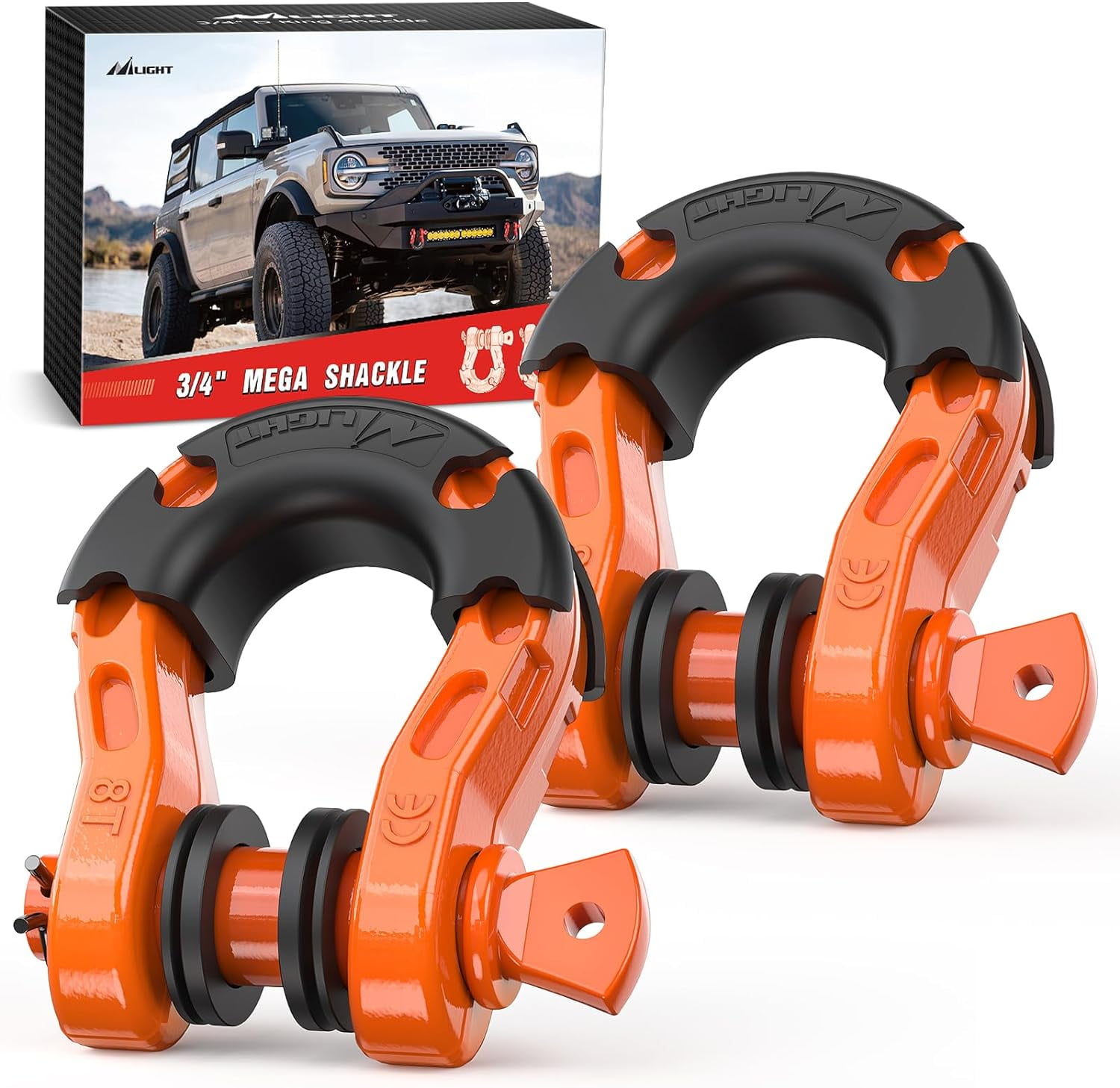
D-shackles (or bow shackles) are used to connect straps, chains, or winch lines to recovery points. Always choose shackles with a working load limit higher than your winch’s capacity. For heavy-duty towing, 3/4″ shackles with a 4.75-ton rating are common.
4. Tree Saver Straps
When winching from a tree, a tree saver strap is essential. It wraps around the tree, creating a strong anchor point without damaging the bark. This keeps forests healthy and prevents fines in many areas.
5. Winch Line Dampers
A winch line damper is a simple but often overlooked safety item. It’s a weighted blanket or pouch placed over the winch cable. If the line snaps, the damper absorbs energy and reduces whip-back, protecting people and vehicles.
6. Synthetic Winch Lines
Traditional steel cables are tough, but synthetic winch lines are lighter, safer, and easier to handle. They won’t develop sharp burrs and are less dangerous if they break. Synthetic lines do require extra care to avoid abrasion and UV damage.
7. Gloves
Good winching gloves protect your hands from cuts, burns, and pinching. Heavy-duty leather gloves are best, especially when working with steel cables.
8. Recovery Points
Strong, purpose-built recovery points on your vehicle are critical. Never use bumpers, tow balls, or random frame holes—they can fail under load. Look for rated recovery hooks or welded-on eyes.
9. Winch Extension Straps
Sometimes your winch cable isn’t long enough. Winch extension straps add 20–50 feet of reach while keeping strength and safety.
10. Rigging Plates
A rigging plate lets you organize complex pulls, like when you need multiple anchor points. It distributes force and keeps connections neat.
11. Soft Shackles
Soft shackles made of synthetic rope are lighter and safer than steel. They’re especially useful with synthetic winch lines and can be quickly attached or removed.
12. Winch Covers
Winch covers protect your winch from dirt, water, and UV rays. Keeping your winch clean increases its lifespan and reliability.
13. Pulley Blocks
While often confused with snatch blocks, pulley blocks can be used for both winching and lifting. They’re essential for more advanced recoveries, especially with heavy machinery.
14. High-lift Jack
A high-lift jack is a versatile tool for lifting vehicles, winching, or shifting stuck equipment. It’s not a direct winch accessory, but often works with winching to free seriously stuck vehicles.
15. Chain
Heavy-duty chain offers unmatched strength for certain pulls, especially in commercial towing. Always use chains rated for at least 1.5 times your maximum winch load.
16. Wireless Winch Remote
A wireless remote lets you operate the winch from a safe distance. This is vital in hazardous recovery situations, keeping you out of harm’s way.
17. Recovery Boards
Recovery boards are used to provide instant traction under tires. They often work alongside winching, especially in mud, sand, or snow.
Comparison Of Key Winch Accessories
Here’s a quick look at how some essential winch accessories stack up in terms of strength, weight, and cost:
| Accessory | Typical Strength | Weight | Average Cost |
|---|---|---|---|
| Recovery Strap | 20,000+ lbs | 3-7 lbs | $40-$80 |
| Snatch Block | 15,000-30,000 lbs | 5-10 lbs | $50-$100 |
| Soft Shackle | 20,000+ lbs | 0.5-1 lb | $30-$60 |
| Synthetic Winch Line | 10,000-20,000 lbs | 2-5 lbs | $150-$250 |
Credit: www.quadernidaltritempi.eu
How To Choose The Right Winch Accessories
Selecting the best accessories depends on several factors:
- Weight of the vehicles you’ll tow
- Type of terrain (mud, snow, rocks)
- Winch capacity
- Frequency of use
- Budget
When in doubt, choose accessories with a higher strength rating than your winch’s pull. Inspect all gear before each use. Replace any item with visible wear, fraying, or rust.
Common Mistakes When Using Winch Accessories
Even experienced operators sometimes make avoidable errors:
- Using under-rated shackles or straps: This can lead to dangerous failures.
- Skipping the winch damper: It only takes a moment, but makes winching much safer.
- Improper anchor points: Weak or unstable anchors can come loose under load.
- Not maintaining synthetic lines: Dirt and UV can degrade these fast.
- Ignoring manufacturer instructions: Each accessory may have specific use limits or steps.

Credit: www.baremotion.com
Advanced Tips For Safe And Efficient Towing
- Double up: Use two snatch blocks for extremely heavy vehicles.
- Spread the load: Rigging plates and multiple anchors reduce stress on any one point.
- Monitor line angles: Excessive angles reduce pulling power and can damage cables.
- Pre-plan: Walk through the recovery before starting. This reveals hazards and helps you choose the right tools.
Example: Real-world Heavy-duty Towing Scenario
Let’s say you’re recovering a loaded delivery truck stuck in a ditch. The truck weighs 18,000 lbs. Your winch is rated for 12,000 lbs. By using a snatch block, you double your winch’s pulling power to 24,000 lbs, making the recovery possible and safe.
You’ll also use a tree saver strap for anchoring, a winch damper for safety, and rated shackles to connect everything.
Here’s a table showing a simple setup:
| Accessory | PURPOSE |
|---|---|
| Snatch Block | Double winch capacity |
| Tree Saver Strap | Anchor to tree safely |
| D-Shackles | Secure connections |
| Winch Line Damper | Protect against cable snap |
Where To Learn More
Many recovery and off-road clubs offer training on proper use of winch accessories. For extra details on winch ratings and gear selection, check out the Wikipedia Winch Guide.
Frequently Asked Questions
What’s The Difference Between A Snatch Block And A Pulley Block?
A snatch block is designed to open and accept a winch cable without threading it. A pulley block may require disassembling to insert the cable but works similarly. Both are used to redirect force or increase pulling power.
Can I Use A Tow Strap As A Winch Extension?
No. Tow straps are designed for steady pulling, not the shock loads of winching. Always use a winch extension strap rated for your winch’s capacity.
Are Synthetic Winch Lines Better Than Steel Cables?
Synthetic lines are lighter, safer, and easier to handle. They won’t whip dangerously if they break, but require more care to avoid abrasion and UV exposure. Steel is tougher but heavier and can develop sharp burrs.
How Do I Know If My Shackles Are Strong Enough?
Check the working load limit (WLL) stamped on the shackle. It should be greater than or equal to your winch’s maximum pull. For heavy-duty towing, 4.75-ton (9,500 lbs) shackles are standard.
What’s The Most Overlooked Winch Accessory For Beginners?
The winch line damper is often forgotten but essential for safety. It can prevent serious injury if the winch line breaks under tension.
Heavy-duty towing is about more than horsepower. With the right winch accessories, you’ll recover vehicles faster, safer, and with far less risk of damage or injury. Keep your gear rated, maintained, and ready—because when the pressure is on, every piece counts.

Credit: www.almalakiacarpets.com
Related posts
 Why You Should Use a Foam Cannon for Car Washing: Ultimate Guide
Washing your car is more than just making it look good. It protects the paint, keeps the value high, and makes driving feel better. But if…
 How to Clean Leather Seats Without Damaging Them: Expert Tips
Keeping your leather seats clean can be a challenge. Leather looks beautiful and feels luxurious, but it needs special care. Many people worry about damaging their…
 Why Using a Ceramic Coating Spray is Important for Your Car’s Shine
If you care about your car’s appearance and value, you probably wash and wax it regularly. But did you know there’s a better way to protect…