
The Role of Soft Shackles in Off-Road Vehicle Recovery Explained
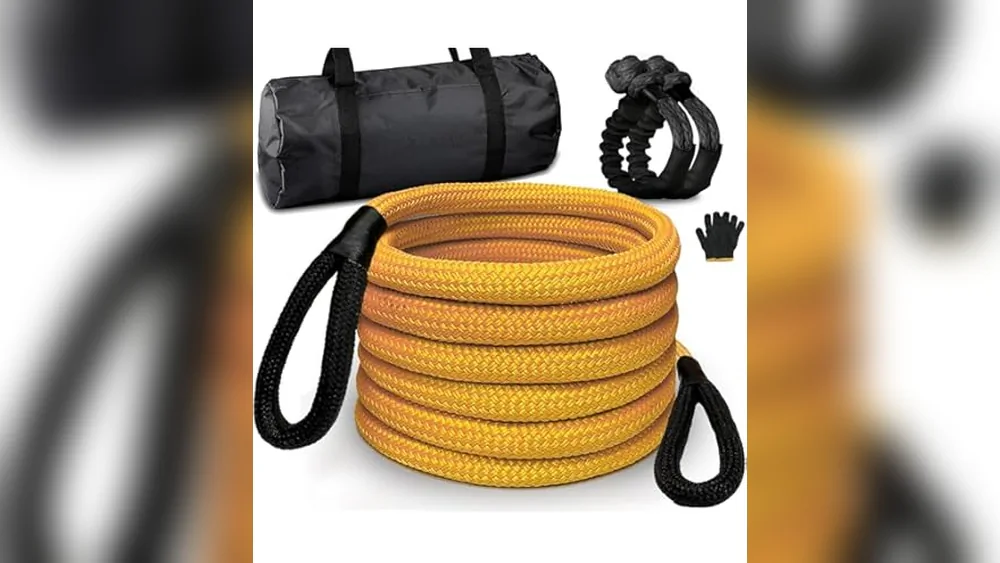
When you get stuck off-road, the tools you use can make the difference between a quick recovery and hours of frustration. In recent years, soft shackles have become a favorite among off-roaders. Their rise isn’t just a trend—they bring real advantages over traditional metal shackles. If you’re new to vehicle recovery or upgrading your gear, understanding the role of soft shackles is essential.
What Are Soft Shackles?
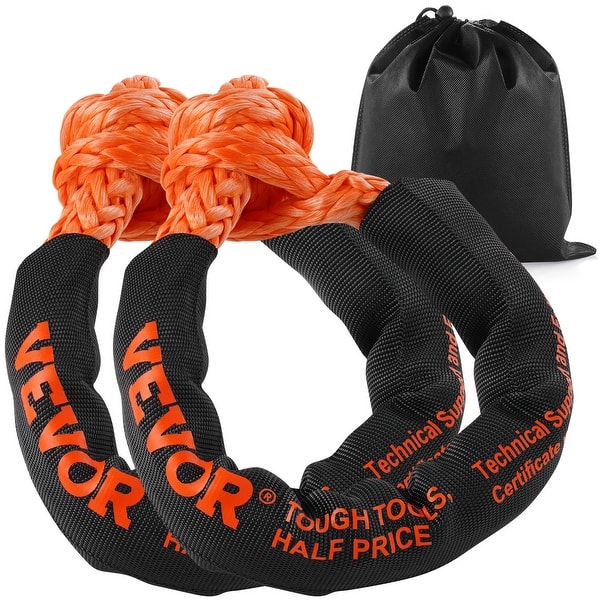
A soft shackle is a loop made from high-strength synthetic rope, usually Dyneema or Spectra fibers. Unlike heavy steel D-rings or bow shackles, these shackles are flexible, lightweight, and easy to handle. Their design allows them to replace metal shackles in most off-road recovery situations.
You simply wrap the soft shackle around recovery points or ropes, then close it by passing one end through a special knot or loop. This creates a strong, reliable connection without metal parts.
Why Off-roaders Prefer Soft Shackles
Soft shackles are becoming the go-to tool for recovery for several reasons:
- Weight savings: A soft shackle weighs just a fraction of a steel shackle. Carrying several in your recovery kit adds almost no weight.
- Safety: Without metal parts, there’s less risk if something fails. Steel shackles can become dangerous projectiles under tension. Soft shackles, if they break, lose energy quickly and rarely cause injury.
- No corrosion: Synthetic fibers do not rust, even after water crossings or mud. This means less maintenance and longer life.
- Flexibility: Soft shackles can wrap around odd shapes—roll cages, bumpers, or trees—where metal shackles cannot fit.
- Easy inspection: Damage like fraying or abrasion is easy to spot. This makes it simple to know when to replace your gear.

Credit: yankum.com
How Soft Shackles Work In Recovery
During a recovery, you might need to connect a winch line to a recovery point or join two straps. Here’s how soft shackles fit in:
- Connecting recovery straps: Instead of threading a steel shackle, you wrap the soft shackle around both strap loops and secure it. This is faster and less fiddly, especially with gloves on.
- Winching: Soft shackles join winch hooks to snatch blocks or tree trunk protectors. Their flexibility reduces metal-on-metal wear.
- Towing: If a vehicle needs towing, a soft shackle attaches easily to tow points—even those with awkward angles or limited space.
- Tree protection: When anchoring to a tree, a soft shackle does not dig into bark or metal, which helps minimize damage to nature.
Comparing Soft Shackles And Steel Shackles
Off-roaders often ask if soft shackles are as strong as steel ones. The answer is yes, for most uses. Here’s a closer look:
| Feature | Soft Shackle | Steel Shackle |
|---|---|---|
| Weight | 100–150 grams | 600–900 grams |
| Strength | 8,000–20,000 kg (varies by brand) | 9,500–20,000 kg (rated) |
| Corrosion | No | Yes |
| Safety if fails | Low risk | High risk (can fly) |
| Maintenance | Inspect for fraying | Check for rust/cracks |
As you can see, the strength of high-quality soft shackles matches or exceeds that of similar steel shackles. The real advantage comes from safety and ease of use.
When Not To Use Soft Shackles
Soft shackles are strong, but they do have limits:
- Sharp edges: Synthetic rope can be cut by sharp metal recovery points. Always check attachment points for burrs or rough spots.
- Heat: High temperatures (from friction or exhausts) can weaken synthetic fibers.
- Overloading: Never exceed the shackle’s rated breaking strength. Know your equipment’s limits.
Most problems come from using a soft shackle in the wrong place, not from the shackle itself.
Choosing The Right Soft Shackle
Not all soft shackles are equal. Consider these factors when buying:
- Material: Dyneema is the gold standard. Look for “SK75” or “SK78” grades for maximum strength.
- Diameter: Thicker shackles (10–12 mm) handle bigger loads but can be harder to fit through small recovery points.
- Breaking strength: Choose a shackle rated at least 4 times your vehicle’s weight. For example, for a 2,500 kg SUV, use a shackle with at least 10,000 kg breaking strength.
- Protective sleeve: Some shackles include a sleeve to protect against abrasion. This extends lifespan, especially when used around metal or trees.
- Quality assurance: Buy from reputable brands. Cheap, unbranded shackles may not meet safety standards.
Here’s a quick comparison of two common sizes:
| Shackle Size | Recommended Use | Breaking Strength |
|---|---|---|
| 8 mm | Light SUVs, ATVs | ~9,000 kg |
| 12 mm | Trucks, heavy 4x4s | ~18,000 kg |
Credit: www.bedbathandbeyond.com
Care And Maintenance Tips
Caring for your soft shackles keeps them safe and long-lasting:
- Rinse after use: Clean mud, sand, and dirt with fresh water. Grit can damage fibers over time.
- Dry before storage: Store in a dry, cool place to prevent mildew or rot.
- Inspect regularly: Check for cuts, frays, or heavy wear. Replace if in doubt.
- Avoid chemicals: Keep away from oils, fuels, or strong cleaners, which can weaken the material.
A well-cared-for soft shackle can last for years, even with regular use.
Real-world Examples
Soft shackles have saved the day in many recoveries. For example, on a muddy forest trail, a 4×4 owner needed to connect a winch to a tree. The only anchor point was a small branch, impossible for a steel shackle.
The soft shackle wrapped securely, and the recovery succeeded without damaging the tree.
In another case, after a river crossing, a group used soft shackles to join multiple tow straps. The synthetic shackles floated, making them easy to find and handle in the water.
Two Insights Beginners Miss
First, many beginners don’t realize that soft shackles float. If you drop one in water or mud, it’s easy to retrieve—unlike a heavy metal shackle that disappears.
Second, using a protective sleeve isn’t just for durability. It also improves grip, making it much easier to open the shackle with wet or muddy hands.
Frequently Asked Questions
How Strong Are Soft Shackles Compared To Steel Ones?
High-quality soft shackles are just as strong as steel shackles of similar size. Many are rated for 8,000–20,000 kg, which is more than enough for most off-road vehicles.
Can I Use A Soft Shackle With Any Recovery Point?
You can use soft shackles with most recovery points, but avoid sharp or rough edges that might cut the rope. Always inspect recovery points before use.
How Long Does A Soft Shackle Last?
With proper care, a soft shackle can last several years. Regularly inspect for damage, rinse after use, and store dry to extend its life.
Are Soft Shackles Safe For All Recovery Situations?
They are safe for most recoveries, especially compared to steel shackles. However, avoid using them where they might rub on sharp or hot surfaces.
Where Can I Learn More About Off-road Recovery Gear?
For deeper information, visit the Wikipedia Off-roading page for background and safety tips.
Soft shackles have changed the way off-roaders approach vehicle recovery. They combine strength, safety, and convenience in a way steel shackles cannot match. By choosing the right gear and using it wisely, you make every off-road adventure safer and more enjoyable.
Credit: www.walmart.com
Related posts
 Why You Should Use a Foam Cannon for Car Washing: Ultimate Guide
Washing your car is more than just making it look good. It protects the paint, keeps the value high, and makes driving feel better. But if…
 How to Clean Leather Seats Without Damaging Them: Expert Tips
Keeping your leather seats clean can be a challenge. Leather looks beautiful and feels luxurious, but it needs special care. Many people worry about damaging their…
 Why Using a Ceramic Coating Spray is Important for Your Car’s Shine
If you care about your car’s appearance and value, you probably wash and wax it regularly. But did you know there’s a better way to protect…