
Off-Road Recovery Accessories for Jeeps And Trucks: Must-Haves
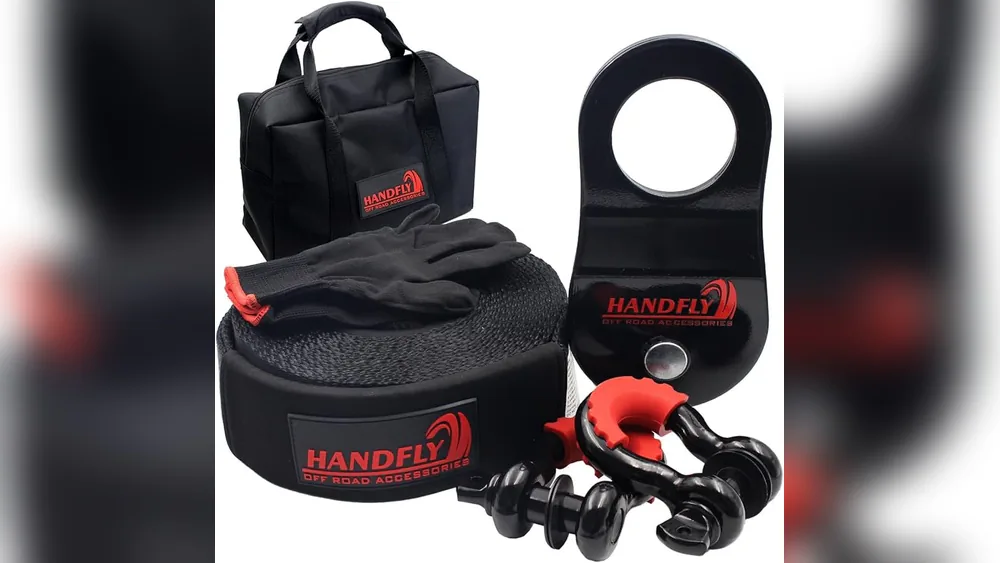
When you love exploring off the beaten path with your Jeep or truck, getting stuck is part of the adventure. Mud, sand, rocks, and snow can all catch you by surprise. The difference between a good story and a bad day is having the right off-road recovery accessories. These tools not only help you get out of tough spots, but they also keep you safe and protect your vehicle from damage. In this guide, you’ll learn about the most important recovery gear, how to choose the best options, and what beginners often overlook.
Essential Off-road Recovery Accessories
A well-prepared off-roader always packs the right equipment. Here are the must-have recovery accessories for any serious Jeep or truck owner.
1. Recovery Straps And Tow Ropes
These strong nylon or polyester straps connect vehicles together for pulling. The most popular are kinetic recovery straps that stretch and “snap” to help free a stuck vehicle. Make sure your strap has a minimum breaking strength at least 3 times your vehicle’s weight. Avoid old tow ropes that can snap and cause injury.
2. Winches
A winch is a powerful electric or hydraulic device mounted to your bumper. It uses a cable to pull your vehicle out of deep mud, sand, or snow. Most Jeep winches have ratings from 8,000 to 12,000 pounds. Synthetic rope winches are lighter and safer than steel cable.
3. D-shackles And Soft Shackles
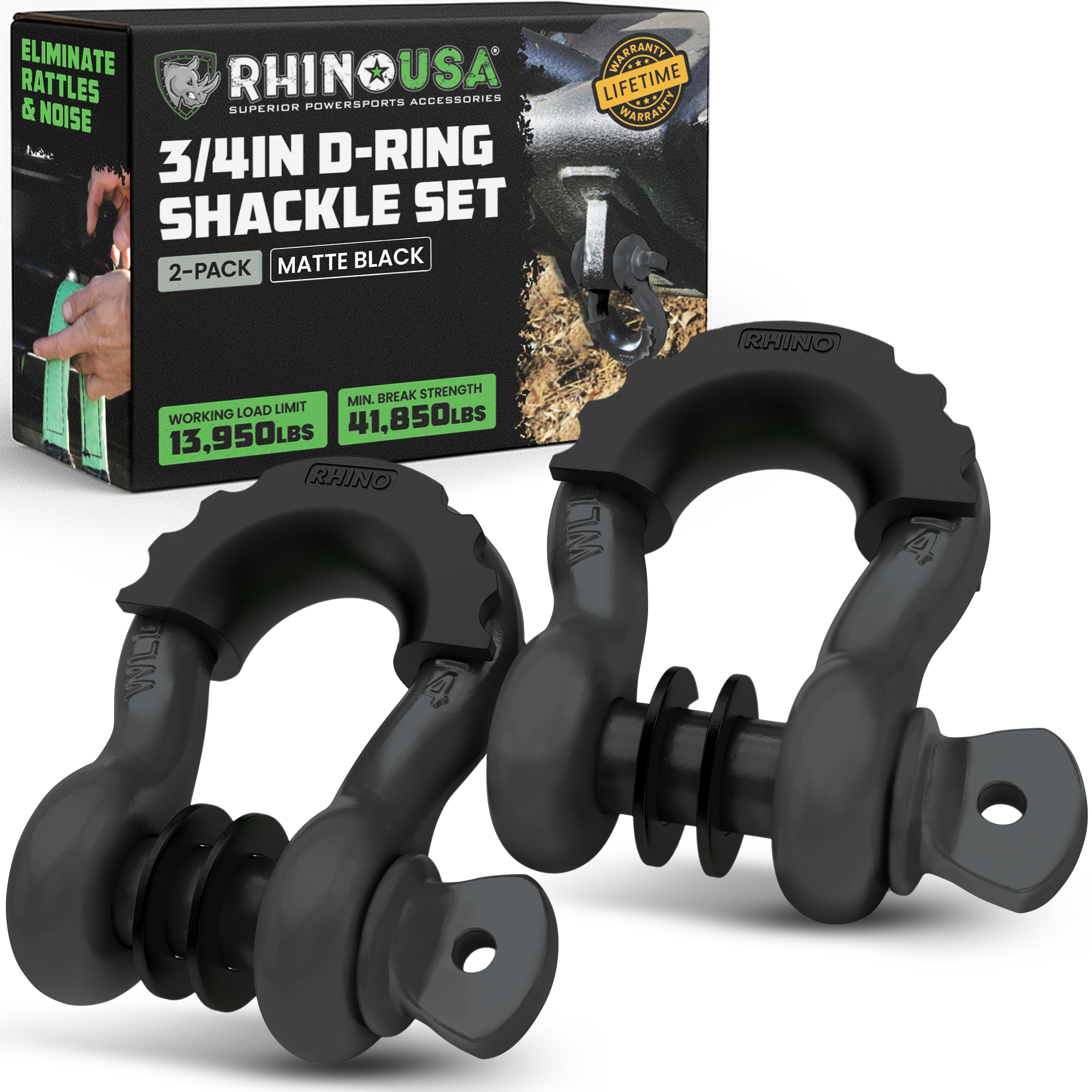
These connectors link straps, winches, or anchor points. D-shackles are metal, while soft shackles use strong synthetic rope. Soft shackles are lighter and less likely to damage bumpers. Always check the load rating before use.
4. Traction Boards
Brightly colored plastic boards (like Maxtrax) go under your wheels to help you drive out of sand or mud. They are easy to use and save your tires from spinning uselessly. Store at least two in your vehicle.
5. Hi-lift Jack
This heavy-duty jack lifts your vehicle to place rocks or boards under the tires. It can also be used for winching and clamping. A Hi-Lift jack works where standard jacks fail, but it requires careful handling.
6. Shovel
A simple folding shovel can dig around tires, clear mud from the undercarriage, or help set up a winch anchor. Metal shovels last longer than plastic ones.
7. Snatch Block
This pulley device doubles your winch’s pulling power and allows for angled pulls. A snatch block can be a lifesaver if your Jeep or truck is badly stuck.
8. Gloves
Sturdy work gloves protect your hands from sharp winch cables, hot metal, or broken glass. Always wear gloves when handling recovery gear.
9. Tree Saver Strap
When winching from a tree, use a wide tree saver strap. This protects the tree’s bark and prevents damage that can kill the tree.
10. Recovery Points
Factory tow hooks are often too weak. Install aftermarket recovery points rated for your vehicle’s weight. Never attach straps to bumpers or axles.
11. Air Compressor
Lowering your tire pressure increases traction in sand or snow, but you’ll need a portable air compressor to refill tires before heading home.
12. Tire Repair Kit
Sharp rocks can puncture off-road tires. A plug repair kit lets you fix leaks and continue your journey.
13. Jump Starter
If your battery dies far from help, a compact jump starter can get you going again. Choose one with enough amperage for your engine size.
How To Choose The Right Recovery Accessories
With so many options, it’s easy to buy gear you don’t need. Here’s what matters most:
- Vehicle Weight: Always check the weight ratings of straps, winches, and shackles. Overloading gear can cause dangerous failures.
- Type of Terrain: Sand, mud, and snow each need different tools. For example, traction boards are essential for sand, while a winch is better for deep mud.
- Storage Space: Jeeps and trucks have limited room. Choose compact gear and store it where it’s easy to reach.
- Ease of Use: Some recovery tools require practice. Test your gear at home so you’re ready in an emergency.
Beginners often forget to check ratings or practice with their accessories. Don’t wait until you’re stuck to learn how your winch or Hi-Lift jack works.
Comparison Of Key Recovery Accessories
To help you decide what to pack, see how popular accessories compare on important features.
| Accessory | Main Use | Average Cost | Pros | Cons |
|---|---|---|---|---|
| Kinetic Recovery Strap | Pulling stuck vehicles | $50-$100 | Simple, quick, strong | Needs another vehicle |
| Winch | Self-recovery | $400-$1200 | Works solo, powerful | Heavier, expensive |
| Traction Boards | Sand/mud escape | $80-$300 | Light, easy to use | Limited in deep mud |
| Hi-Lift Jack | Lifting vehicle | $70-$120 | Multi-purpose | Can be dangerous if misused |
Useful Tips For Off-road Recovery
Even with the best accessories, smart planning makes a big difference.
- Travel with a Buddy: Most recovery tools work better with two people.
- Inspect Gear Regularly: Check for frayed straps, rusted shackles, or low batteries.
- Learn Basic Knots: Secure connections are safer and more effective.
- Watch for Anchor Points: Not every tree or rock is strong enough to winch from.
A common mistake is relying only on a winch. Sometimes, simple tools like a shovel or traction boards solve the problem faster and with less risk.

Credit: metalcloak.com
Real-world Example: Muddy Trail Recovery
Imagine driving your truck on a muddy forest trail. The wheels start spinning, and you sink deeper. Here’s how a prepared driver handles it:
- Try traction boards first. If the wheels spin, stop immediately.
- Clear mud from around the tires with your shovel.
- Attach a kinetic strap to a friend’s Jeep and pull gently.
- If solo, set up your winch, using a tree saver strap on a strong tree.
- Put on gloves and use a snatch block if you need extra power.
This approach avoids damage to your vehicle and reduces the chance of injury.
Table: Key Ratings For Recovery Accessories
Understanding ratings is essential for safety.
| Accessory | Minimum Safe Rating | Why It Matters |
|---|---|---|
| Kinetic Strap | 3x vehicle weight | Prevents breakage under strain |
| Winch | 1.5x vehicle weight | Handles stuck loads |
| D-Shackle | At least 4.75 tons | Matches strap and winch ratings |
| Hi-Lift Jack | 3 tons | Supports heavy vehicles |

Credit: www.vevor.co.uk
Common Mistakes And Overlooked Essentials
Many drivers pack a winch but skip smaller items. For example, forgetting gloves or a tire repair kit can turn a small problem into a big one. Another beginner mistake is using factory tow points, which often fail under stress. Always install proper recovery points before heading off-road.
Another insight: Don’t just buy the gear—learn how to use it. Practice in a safe place before you need it for real.
For more on off-road safety standards, check the Wikipedia Off-Roading page.
Frequently Asked Questions
What Is The Most Important Recovery Accessory For Off-roading?
The kinetic recovery strap is often the most used. It’s simple, strong, and works well in most stuck situations. However, if you travel alone, a winch is essential.
How Often Should I Inspect My Recovery Gear?
Check all recovery gear before each trip. Look for cuts, rust, or worn parts. Replace anything that looks damaged to ensure safety.
Are Soft Shackles Better Than Steel D-shackles?
Soft shackles are lighter, won’t rust, and are safer if they break. However, steel D-shackles are sometimes required for very heavy loads or sharp connection points.
Can I Use My Factory Tow Hooks For Recovery?
Most factory tow hooks are not strong enough for serious recovery. Install aftermarket recovery points rated for your vehicle’s weight to avoid failure.
Is A Hi-lift Jack Safe For All Vehicles?
A Hi-Lift jack is powerful but requires care. It works best on vehicles with strong steel bumpers or rock sliders. Never use it on weak or plastic bumpers.
Being prepared with the right off-road recovery accessories helps you explore with confidence. With quality gear, a bit of training, and smart planning, you’ll handle any obstacle the trail throws your way.
Credit: carrigalineprimarycarecentre.ie
Related posts
 Why You Should Use a Foam Cannon for Car Washing: Ultimate Guide
Washing your car is more than just making it look good. It protects the paint, keeps the value high, and makes driving feel better. But if…
 How to Clean Leather Seats Without Damaging Them: Expert Tips
Keeping your leather seats clean can be a challenge. Leather looks beautiful and feels luxurious, but it needs special care. Many people worry about damaging their…
 Why Using a Ceramic Coating Spray is Important for Your Car’s Shine
If you care about your car’s appearance and value, you probably wash and wax it regularly. But did you know there’s a better way to protect…