
What are the Best Recovery Tools for Off-Road Vehicles? Top Picks
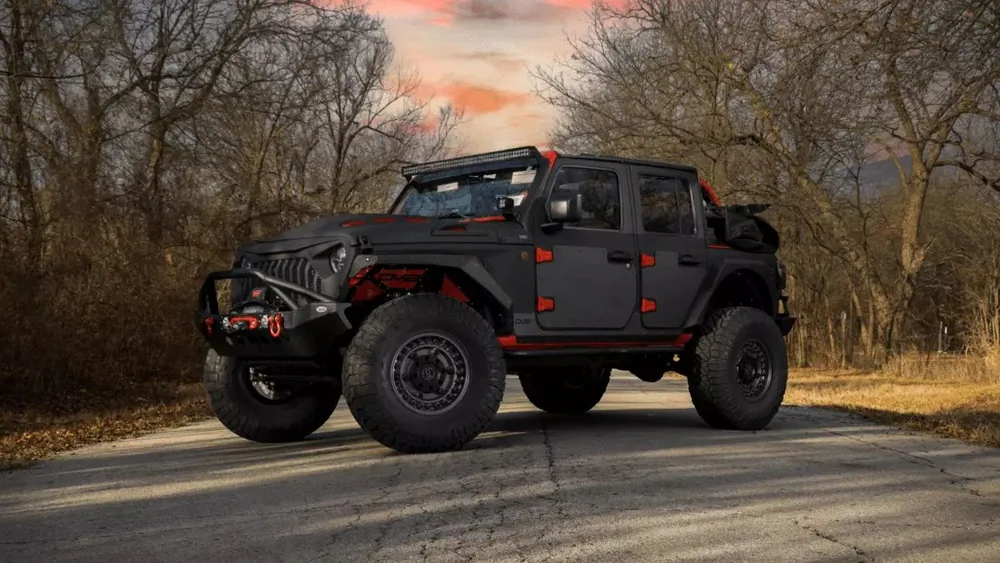
When you head off the beaten path, your adventure relies on more than just a tough vehicle. Even the most skilled off-roaders get stuck, tip over, or face unexpected breakdowns. What separates a minor delay from a disaster is having the right recovery tools on board. Whether you’re a weekend explorer or a seasoned trail leader, knowing what to pack—and why—can save time, money, and even lives.
Essential Recovery Tools For Off-road Vehicles
Let’s break down the must-have tools every off-road vehicle should carry. These are the gear items that solve real problems—not just add weight.
1. Recovery Straps
A recovery strap is the backbone of off-road recovery. Unlike tow straps, recovery straps stretch, storing kinetic energy that helps “snap” a stuck vehicle free. Look for straps rated for at least 2-3 times your vehicle’s weight. Avoid using chains, which can break dangerously.
2. Winch
A winch is often the fastest way to self-recover. Electric winches are the most common, with pulling capacities from 8,000 to 12,000 pounds. Synthetic rope is safer and lighter than steel cable. Remember, a winch is only as useful as your knowledge of safe winching techniques.
3. D-shackles (bow Shackles)
D-shackles connect recovery straps to recovery points. Choose shackles rated above your vehicle’s gross weight. Soft shackles, made of synthetic rope, are gaining popularity due to their light weight and reduced risk if they fail.
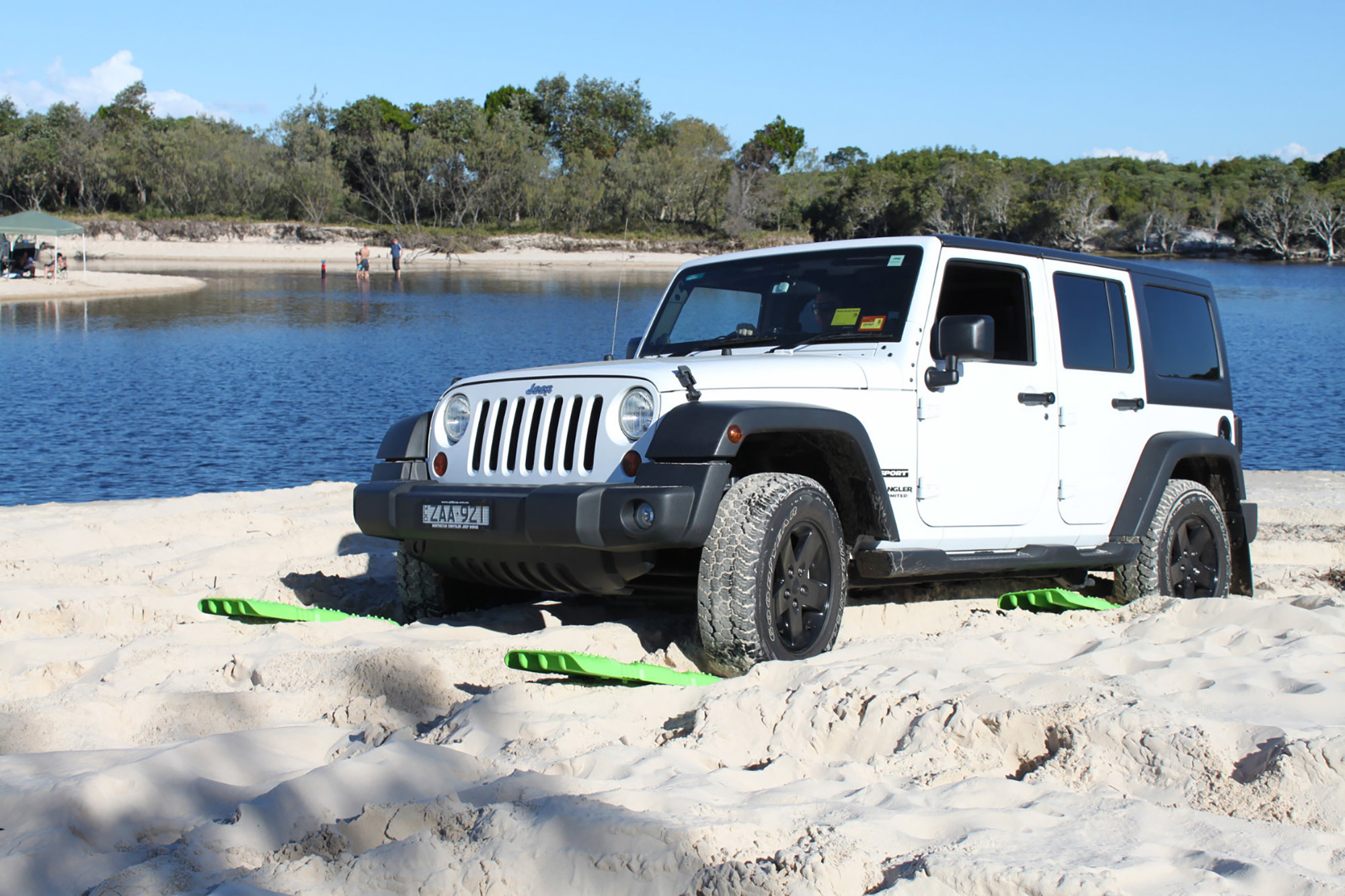
4. Traction Boards
Traction boards give instant grip under tires stuck in sand, mud, or snow. High-quality boards can support heavy vehicles and have aggressive tread patterns. Place them securely under tires, and avoid spinning wheels to prevent damage.
5. Hi-lift Jack
A hi-lift jack lifts vehicles high enough to place boards, rocks, or fill holes. It works in mud or ruts where standard jacks fail. However, it requires caution—improper use is a common cause of injury.
6. Shovel
A sturdy off-road shovel can dig out sand, mud, or snow. Compact folding shovels save space, but full-size versions offer more leverage. Look for shovels with reinforced blades and ergonomic handles.
7. Tire Repair Kit
Sharp rocks and debris cause punctures far from help. A tire repair kit with plugs, insertion tools, and valve cores lets you fix most punctures on the trail. Also, carry a portable air compressor for reinflation.
8. Snatch Block
A snatch block doubles your winch’s pulling power and allows angled recoveries. By redirecting the winch line, you reduce load and increase versatility. Always check the rated capacity before use.
9. Gloves
Heavy-duty work gloves protect your hands from cable burns, sharp rocks, and hot components during recoveries. Choose gloves with reinforced palms and a snug fit for better grip.
10. Tree Trunk Protector
When using a tree as an anchor point, a tree trunk protector spreads the load and prevents bark damage. This protects the environment and avoids damaging your recovery gear.
11. Recovery Points
Never attach straps to tow balls or bumpers. Rated recovery points are essential for safe recoveries. Many aftermarket bumpers include built-in recovery mounts.
12. Air Compressor
Tire pressure changes are common off-road. An air compressor lets you air down for better traction, then reinflate for highway driving. Look for compressors with at least 2 CFM (cubic feet per minute) output for fast inflation.
13. Tire Deflators
Tire deflators quickly lower tire pressure to improve grip in sand, rocks, or mud. Some models automatically stop at a preset PSI, preventing over-deflation.
14. Flashlight Or Headlamp
Night recoveries are challenging without proper light. A LED flashlight or headlamp with adjustable brightness helps you see and be seen. Choose water-resistant models for durability.
15. Vehicle-mounted Recovery Boards
Some vehicles benefit from mounted recovery boards on roof racks or bumpers. This keeps them accessible and saves space inside.
Comparing Key Recovery Tools
Here’s a quick look at how common recovery tools compare for off-road situations:
| Tool | Best Use Case | Weight | Skill Needed |
|---|---|---|---|
| Winch | Heavy stuck, solo travel | 15-40 kg | High |
| Recovery Strap | Stuck in mud/sand, with help | 2-5 kg | Medium |
| Traction Boards | Soft surfaces, solo/with help | 5-8 kg (pair) | Low |
| Hi-Lift Jack | Uneven ground, tire change | 12-15 kg | High |
Common Mistakes When Using Recovery Tools
Many beginners focus on buying gear, but overlook safe usage. A few things to avoid:
- Using tow balls for recovery—these can break and become deadly projectiles.
- Winching with damaged cables or without a damper.
- Not matching recovery strap and shackle ratings to the vehicle’s weight.
- Skipping regular gear inspection—UV, mud, and abrasion weaken equipment over time.
Understanding these details prevents accidents and ensures your tools work when needed most.
Practical Recovery Kit Packing Tips
Packing the right gear isn’t just about buying tools. Think about weight distribution and accessibility. Store heavier items low and near the vehicle’s center. Keep gloves, straps, and shovels where you can grab them quickly. Group small items in labeled bags or boxes to avoid searching in an emergency.

Credit: www.amazon.ae
Example: Recovery Scenario
Imagine your vehicle is stuck in deep mud. Here’s how the right tools work together:
- Use a shovel to clear mud from the tires.
- Place traction boards under the drive wheels.
- If stuck deeper, connect a recovery strap to a rated recovery point and have another vehicle pull you out.
- If solo, use a winch with a tree trunk protector, a D-shackle, and a snatch block for extra pulling power.
This sequence highlights how each tool plays a role, and why redundancy matters.
Durability And Maintenance
Quality recovery gear can last for years if cared for. Clean straps and boards after each trip. Dry winch lines to prevent rust or mildew. Inspect shackles and jacks for cracks or bends. Replace damaged items immediately—failure in the field can be catastrophic.

Credit: www.peakgear.com
Quick Reference: Tool Selection Guide
Selecting the best recovery tools depends on your vehicle, terrain, and group size. Here’s a guide for different scenarios:
| Vehicle Type | Must-Have Tools | Optional Upgrades |
|---|---|---|
| Light SUV | Strap, shovel, tire kit, compressor | Winch, traction boards |
| Heavy 4×4 | Winch, snatch block, D-shackles | Hi-lift jack, tire deflators |
| Overland Camper | Winch, traction boards, shovel | Mounted boards, air compressor |
Frequently Asked Questions
What Is The Difference Between A Recovery Strap And A Tow Strap?
A recovery strap stretches to store energy and “snaps” a stuck vehicle free. A tow strap is less elastic, designed for pulling a free-rolling vehicle. Using the wrong strap can be dangerous and ineffective.
How Often Should I Inspect My Recovery Gear?
Inspect before and after every trip. Look for fraying, cuts, bent shackles, and rust. Replace damaged gear immediately—failure under load is risky.
Can I Use My Factory Tie-down Points For Recovery?
Most factory tie-down points are not rated for recovery. Always use purpose-built, rated recovery points to avoid breakage and injury.
Is A Winch Necessary For All Off-roaders?
A winch is invaluable for solo travel or extreme conditions, but not mandatory for everyone. For mild trails or traveling with a group, a good strap and traction boards may be enough.
Where Can I Learn More About Off-road Recovery Techniques?
Many off-road clubs offer training. For detailed guides, check resources like the Tread Lightly organization.
Off-road adventures are unpredictable, but the right recovery tools turn challenges into stories, not emergencies. Prepare wisely, understand your gear, and your next trip will be safer and more enjoyable.
Credit: www.quadratec.com
Related posts
 Why You Should Use a Foam Cannon for Car Washing: Ultimate Guide
Washing your car is more than just making it look good. It protects the paint, keeps the value high, and makes driving feel better. But if…
 How to Clean Leather Seats Without Damaging Them: Expert Tips
Keeping your leather seats clean can be a challenge. Leather looks beautiful and feels luxurious, but it needs special care. Many people worry about damaging their…
 Why Using a Ceramic Coating Spray is Important for Your Car’s Shine
If you care about your car’s appearance and value, you probably wash and wax it regularly. But did you know there’s a better way to protect…