
Winch Pulley Systems Explained: Ultimate Guide for Beginners
Winch Pulley Systems Explained
Anyone working with heavy loads—whether in construction, off-roading, or marine settings—will eventually hear about winch pulley systems. These clever tools, often called snatch blocks or pulley blocks, make it possible to move or lift weights that would otherwise be impossible with just a winch alone. But how do they actually work, and why are they so important? Let’s dive into the mechanics, types, uses, and real-world tips for getting the most from your winch pulley system.
What Is A Winch Pulley System?
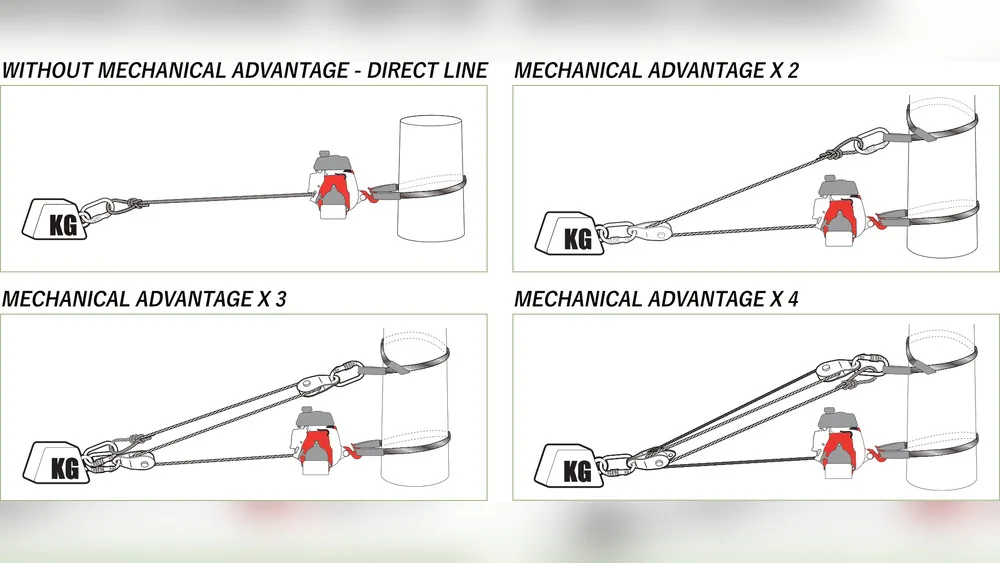
A winch pulley system uses one or more pulleys to guide a winch cable, change its direction, or multiply pulling force. At its core, the system consists of a pulley wheel inside a strong casing, with an attachment point for anchoring. When you run your winch cable through the pulley, you can redirect the cable or even double the pulling power. This is called a mechanical advantage.
In simple terms, if your winch can pull 5,000 pounds, using a pulley system can let it pull up to 10,000 pounds—though the exact gain depends on setup and equipment strength.
Key Components Of A Winch Pulley System
Understanding the main parts helps you choose the right gear and use it safely.
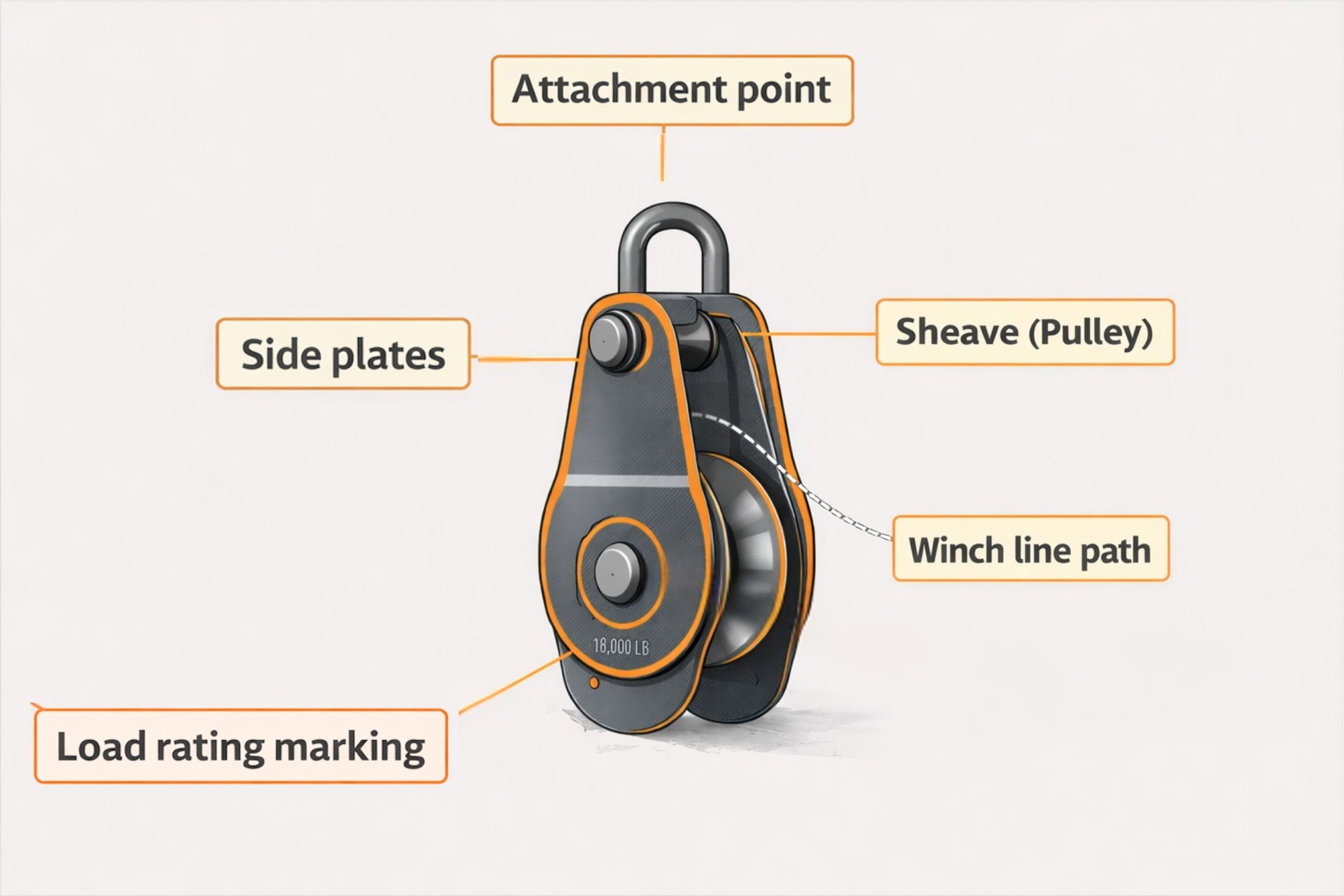
- Pulley block (snatch block): The heart of the system, with a strong wheel (sheave) and a body that opens for easy cable placement.
- Winch cable or rope: Usually steel or synthetic, rated for the loads you plan to move.
- Anchor point: A secure place to attach the pulley, like a tree, tow hook, or another vehicle.
- Shackles or hooks: Heavy-duty connectors to secure the pulley block and cable.

Credit: www.youtube.com
How Winch Pulley Systems Work
Imagine you are stuck in mud with your off-road vehicle. Your winch alone isn’t strong enough to pull you out. By attaching a snatch block to a tree ahead and running your winch cable through it, then back to your vehicle, you double the pulling force. The pulley changes the cable’s direction and splits the load between two sections of cable, making the winch’s job easier.
Here’s a basic example:
- Attach the pulley to an anchor point.
- Run the winch cable from your vehicle to the pulley and back to your vehicle or another anchor.
- Start winching—the load is now shared, and the winch works with less strain.
This setup is called a double-line pull and is the most common way people use pulleys with winches.
Types Of Winch Pulley Systems
There are several variations, each with unique advantages. Here’s a closer look:
Single Pulley System
The simplest setup uses one pulley block. It changes the cable’s direction and can give you up to 2x pulling power. Perfect for basic recovery situations or when you need to pull at an angle.
Multiple Pulley System
For very heavy loads, you can use two or more pulleys. Each added pulley increases mechanical advantage but also complexity and the potential for mistakes. Multi-pulley setups are often used in industrial settings or for winching extremely heavy equipment.
Redirecting (deflection) Systems
Sometimes, you only need to change the direction of pull, not increase power. For example, pulling a boat onto a trailer at an angle. A single pulley anchored to the side can smoothly guide the cable without straining the winch.
Mechanical Advantage Explained
The main reason to use a winch pulley system is to gain mechanical advantage. This means you use less force to move a heavy object. Here’s how different setups compare:
| System Type | Number of Pulleys | Mechanical Advantage | Example Use |
|---|---|---|---|
| Single Line Pull | 0 | 1x | Winching a car straight ahead |
| Double Line Pull | 1 | 2x | Recovering a stuck vehicle |
| Triple Line Pull | 2 | 3x | Lifting heavy machinery |
A key point beginners miss: The winch must pull more cable length for each added pulley. A double-line pull moves the load half as far for each foot of cable reeled in. This is a trade-off for extra power.
Choosing The Right Winch Pulley System
Selecting the right system depends on your needs:
- Load rating: Always choose pulleys and cables rated above your maximum load.
- Cable compatibility: Check that the pulley fits your cable diameter.
- Ease of use: Snatch blocks that open easily save time in emergencies.
- Weight and size: For off-roading, lighter gear is easier to carry.
A common mistake is using a pulley with a lower rating than your winch or load. This can lead to dangerous failures.
Here’s a comparison of common pulley block features:
| Pulley Type | Max Load (lbs) | Cable Size (in) | Weight (lbs) | Best For |
|---|---|---|---|---|
| Standard Snatch Block | 20,000 | Up to 1/2″ | 6 | Off-road recovery |
| Heavy Duty Block | 40,000 | Up to 3/4″ | 12 | Industrial lifting |
| Lightweight Block | 10,000 | Up to 3/8″ | 3 | ATVs, small vehicles |

Credit: www.sciencedirect.com
How To Use A Winch Pulley System Safely
Safety is critical. Here are essential steps for safe operation:
- Inspect all gear for damage before use—never use frayed cables or cracked pulleys.
- Anchor the pulley block to something immovable, like a tree or solid ground anchor.
- Use rated shackles and connectors.
- Stand clear of cables under tension; a snapped cable can whip back dangerously.
- Wear gloves to protect your hands from cable strands.
A non-obvious tip: Always keep bystanders behind a vehicle or a safety blanket over the cable to reduce injury risk if something fails.
Real-world Applications
Winch pulley systems are used far beyond off-roading. You’ll find them in:
- Construction: Lifting beams and materials to upper floors.
- Rescue operations: Moving debris or vehicles during emergencies.
- Forestry: Pulling logs from difficult terrain.
- Boating: Loading large boats or shifting docks.
The key is matching the system’s power and features to your specific task.
Credit: atvnotes.com
Maintenance And Longevity
Regular checks and simple care help pulleys last for years:
- Lubricate the sheave (pulley wheel) regularly to keep it spinning smoothly.
- Clean mud, grit, and salt off all parts after use.
- Store gear in a dry place to prevent rust or corrosion.
A mistake many make is neglecting pulley maintenance, leading to slow operation or sudden failure.
Frequently Asked Questions
What Is The Main Advantage Of Using A Winch Pulley System?
The biggest advantage is increased pulling power. Using pulleys can double or triple the force your winch can apply, making it possible to recover heavy vehicles or move large loads safely.
Can I Use Any Pulley With My Winch?
No. Always use a snatch block or pulley rated for your winch’s capacity and your cable size. Using an under-rated pulley is unsafe and can lead to equipment failure.
Does A Winch Pulley System Reduce Strain On My Winch?
Yes. By sharing the load, a pulley system reduces the strain on your winch’s motor and gears, which can increase its lifespan and reduce the risk of overheating.
Can Winch Pulleys Be Used With Synthetic Rope?
Absolutely. Just ensure the pulley is compatible with synthetic rope (no sharp edges) and is rated for your rope’s diameter and strength.
Where Can I Learn More About Winch Safety?
For more detailed guidelines and safety standards, visit the Wikipedia winch page for up-to-date, authoritative information.
Winch pulley systems are simple tools that deliver powerful results. With the right knowledge and safety steps, they unlock your winch’s full potential, making heavy-duty tasks safer and easier. Use this guide as your foundation, and you’ll handle winching challenges like a pro.
Related posts
 Why You Should Use a Foam Cannon for Car Washing: Ultimate Guide
Washing your car is more than just making it look good. It protects the paint, keeps the value high, and makes driving feel better. But if…
 How to Clean Leather Seats Without Damaging Them: Expert Tips
Keeping your leather seats clean can be a challenge. Leather looks beautiful and feels luxurious, but it needs special care. Many people worry about damaging their…
 Why Using a Ceramic Coating Spray is Important for Your Car’s Shine
If you care about your car’s appearance and value, you probably wash and wax it regularly. But did you know there’s a better way to protect…