
Safety Tips for Using Recovery Rings in Winching Safely
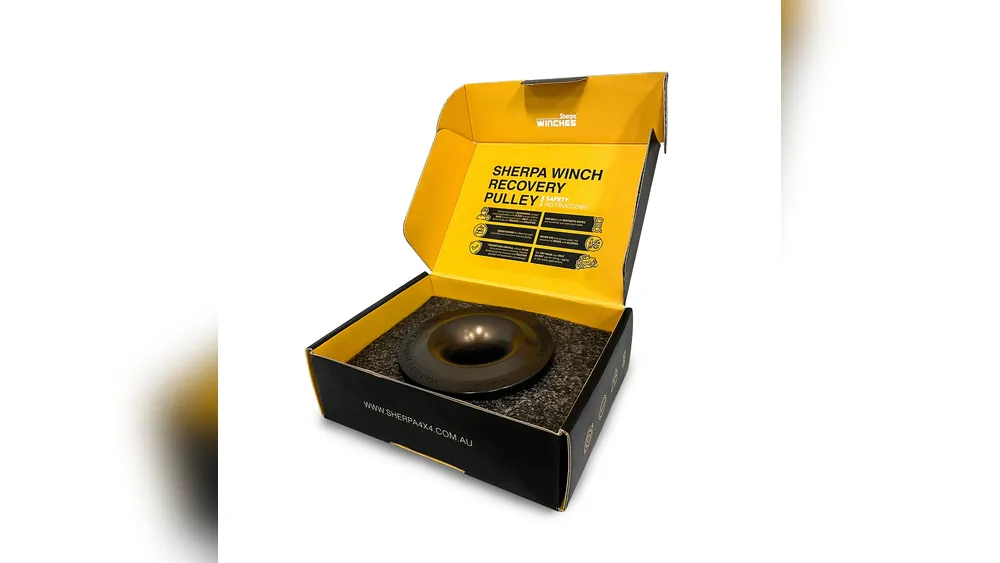
Winching is a powerful technique for vehicle recovery, but it’s not without risks. The use of recovery rings has become popular for their compact size and efficiency. However, safe operation is critical. Incorrect handling can cause gear failures or injuries. Here, you’ll discover practical, easy-to-follow safety tips for using recovery rings in winching, so every off-road adventure ends well.
What Are Recovery Rings And Why Use Them?
Recovery rings are lightweight, circular devices made from high-grade aluminum or similar metals. They replace traditional snatch blocks, allowing winch lines—especially synthetic ropes—to change direction smoothly. Their design reduces friction, making recoveries safer and easier for modern vehicles.
Unlike traditional snatch blocks, recovery rings are smaller and have no moving parts. This means less maintenance and fewer failure points. But their simplicity doesn’t mean you can ignore safety—understanding the right usage is key.
Pre-winching Checks: Preparation Is Everything
Before using a recovery ring, inspect your gear carefully. Faulty equipment is a leading cause of accidents.
- Examine the recovery ring for cracks, dents, or sharp edges. Even minor damage can weaken its structure.
- Check the winch line for fraying or cuts. Damaged ropes can snap under stress.
- Inspect soft shackles or straps. Look for worn fibers or broken stitching.
- Verify load ratings. The recovery ring, winch, shackles, and ropes must all match or exceed the expected load.
If you find any issues, replace the equipment immediately. Never take chances with damaged recovery gear.
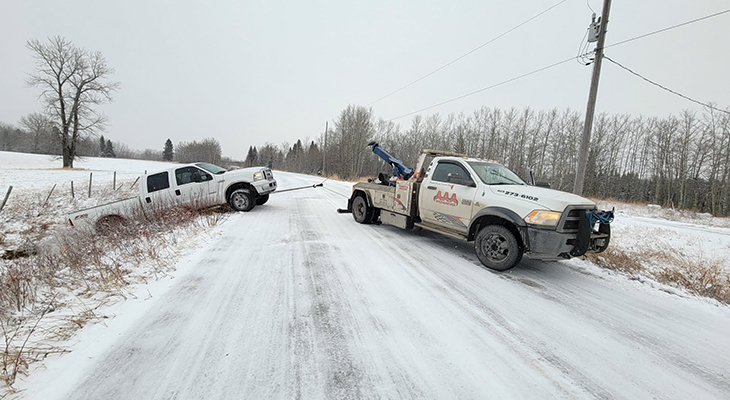
Credit: www.aaatowing.ca
Setting Up Recovery Rings Safely
Proper setup is crucial for a safe recovery. Follow these steps:
- Position vehicles on stable, level ground. Avoid mud or slopes if possible.
- Secure the anchor point. Choose a strong tree, rated recovery point, or another vehicle with appropriate attachments.
- Thread the winch rope through the recovery ring. Attach the ring to the anchor using a high-quality soft shackle.
- Keep lines straight. Avoid sharp angles that could stress the rope or ring.
Here’s a comparison of common anchor points for winching:
| Anchor Point | Strength | Risk Level | Best Use |
|---|---|---|---|
| Tree with Tree Saver Strap | High | Low | Most off-road recoveries |
| Vehicle Recovery Point | Medium-High | Medium | When trees unavailable |
| Boulder or Rock | Medium | High | Emergency only |
Using the right anchor point helps prevent accidents during winching.
During Winching: Safe Operation Practices
Once everything is set, focus on operational safety.
- Clear the area. Keep all people at least 1.5 times the length of the winch line away. This is called the “danger zone.”
- Use a winch damper. Placing a heavy blanket or damper on the winch line helps absorb energy if the rope fails.
- Maintain steady tension. Avoid sudden jerks, which can stress the recovery ring and line.
- Communicate clearly. Use hand signals or radios with your team to avoid confusion.
Here’s a quick look at safe distances:
| Winch Line Length | Minimum Safe Distance | Danger Zone |
|---|---|---|
| 10 meters | 15 meters | Within 15 meters |
| 20 meters | 30 meters | Within 30 meters |
| 30 meters | 45 meters | Within 45 meters |
Never stand near the winch line or recovery ring when pulling.
Choosing The Right Recovery Ring
Not all recovery rings are the same. Consider these factors before buying or using one:
- Material: Look for aircraft-grade aluminum for high strength and light weight.
- Size: Larger rings handle bigger ropes and higher loads but may be bulkier.
- Finish: Smooth anodized surfaces prevent rope damage.
- Load rating: The ring must exceed your winch’s maximum pull.
Here’s a simple comparison:
| Ring Size | Max Rope Size | Max Load | Weight |
|---|---|---|---|
| Small (3″) | Up to 10mm | 10,000 kg | 200g |
| Medium (4″) | Up to 12mm | 12,000 kg | 350g |
| Large (5″) | Up to 14mm | 15,000 kg | 500g |
A common mistake is using a ring that’s too small for the winch or rope size. Always check specifications before use.
Common Mistakes And How To Avoid Them
Many accidents happen due to simple errors. Here are two less obvious mistakes:
- Incorrect shackle pairing: Some users mix steel shackles with recovery rings, which can cause wear or even cut the ring’s surface. Always use soft shackles or those designed for rings.
- Improper cleaning: Mud or sand inside the ring can scratch the surface, leading to premature failure. After each use, clean the ring and rope with water and let them dry.
Another error is overlooking the effect of angle pull. If you pull at a sharp angle, it can overload the ring and rope, causing them to fail. Always try to keep pulls as straight as possible.
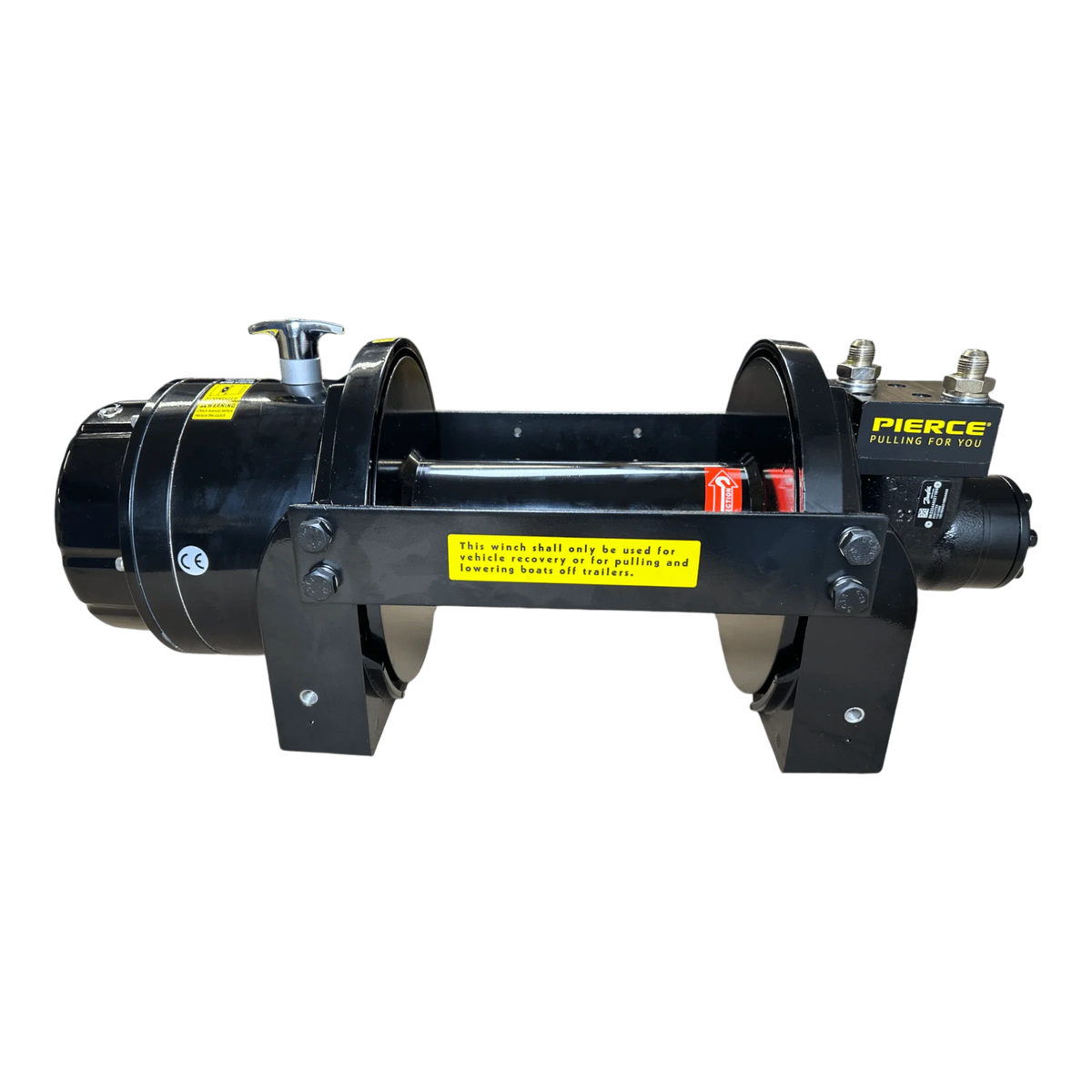
Credit: www.piercearrowinc.com
Maintenance And Storage
Keeping your recovery ring in good shape extends its life and ensures safety.
- Clean after use. Remove dirt, mud, and grit.
- Dry thoroughly. Moisture can lead to corrosion over time.
- Store in a dry bag or container, away from direct sunlight.
- Inspect before every trip. Small cracks or dents may not be visible at first but can be deadly under load.
A well-maintained recovery ring is much less likely to fail when you need it most.
Real-life Example: Why Safety Matters
In 2022, a group of off-roaders in Australia faced a stuck vehicle in deep sand. They used a recovery ring but ignored safe distances. The synthetic rope snapped, and the ring flew back, hitting a bystander’s leg. The injury required hospital treatment.
If the group had used a winch damper and kept a safe distance, this accident would have been avoided.
This example highlights why each safety step is non-negotiable. Mistakes with recovery equipment often have serious consequences.
Useful Resources
For more details on safe winching techniques and recovery gear, visit the official Wikipedia winch page.
Frequently Asked Questions
What Is The Main Advantage Of Using A Recovery Ring Over A Snatch Block?
Recovery rings are lighter, have no moving parts, and are quicker to set up. They are ideal for synthetic winch ropes and require less maintenance than traditional snatch blocks.
Can I Use A Steel Shackle With A Recovery Ring?
It’s best to use soft shackles with recovery rings. Steel shackles can damage the ring’s surface and reduce its lifespan. Always check compatibility before use.
How Do I Know If My Recovery Ring Is Safe To Use?
Inspect for cracks, sharp edges, or any sign of wear. Make sure the load rating exceeds your winch’s maximum pull. Regular inspection before each use is vital.
What Should I Do If My Winch Line Gets Muddy During Recovery?
Stop and clean the line and ring with water. Mud and sand can cause abrasion, weakening both the rope and the ring. Proper cleaning prevents long-term damage.
Are Recovery Rings Safe For All Types Of Winch Ropes?
Recovery rings are designed mainly for synthetic winch ropes. Some can be used with steel cables, but always check the manufacturer’s guidelines to avoid damage or unsafe conditions.
By following these safety tips and best practices, you can reduce risks and make your winching operations safer and more effective, ensuring that your adventures stay fun and free from injury.

Credit: hmfracing.com
Related posts
 Why You Should Use a Foam Cannon for Car Washing: Ultimate Guide
Washing your car is more than just making it look good. It protects the paint, keeps the value high, and makes driving feel better. But if…
 How to Clean Leather Seats Without Damaging Them: Expert Tips
Keeping your leather seats clean can be a challenge. Leather looks beautiful and feels luxurious, but it needs special care. Many people worry about damaging their…
 Why Using a Ceramic Coating Spray is Important for Your Car’s Shine
If you care about your car’s appearance and value, you probably wash and wax it regularly. But did you know there’s a better way to protect…