
Synthetic Winch Rope Vs. Steel Cable: Which Is Best for Your Winch?
Synthetic Winch Rope vs. Steel Cable: Which Is Right for You?
Winches are essential tools for off-roading, vehicle recovery, and industrial work. The choice between synthetic winch rope and steel cable can affect safety, performance, and cost. Many buyers struggle to pick the right option because both have unique advantages and drawbacks. Let’s break down their differences, real-world performance, safety, and what you need to know before buying.
What Are Synthetic Winch Rope And Steel Cable?
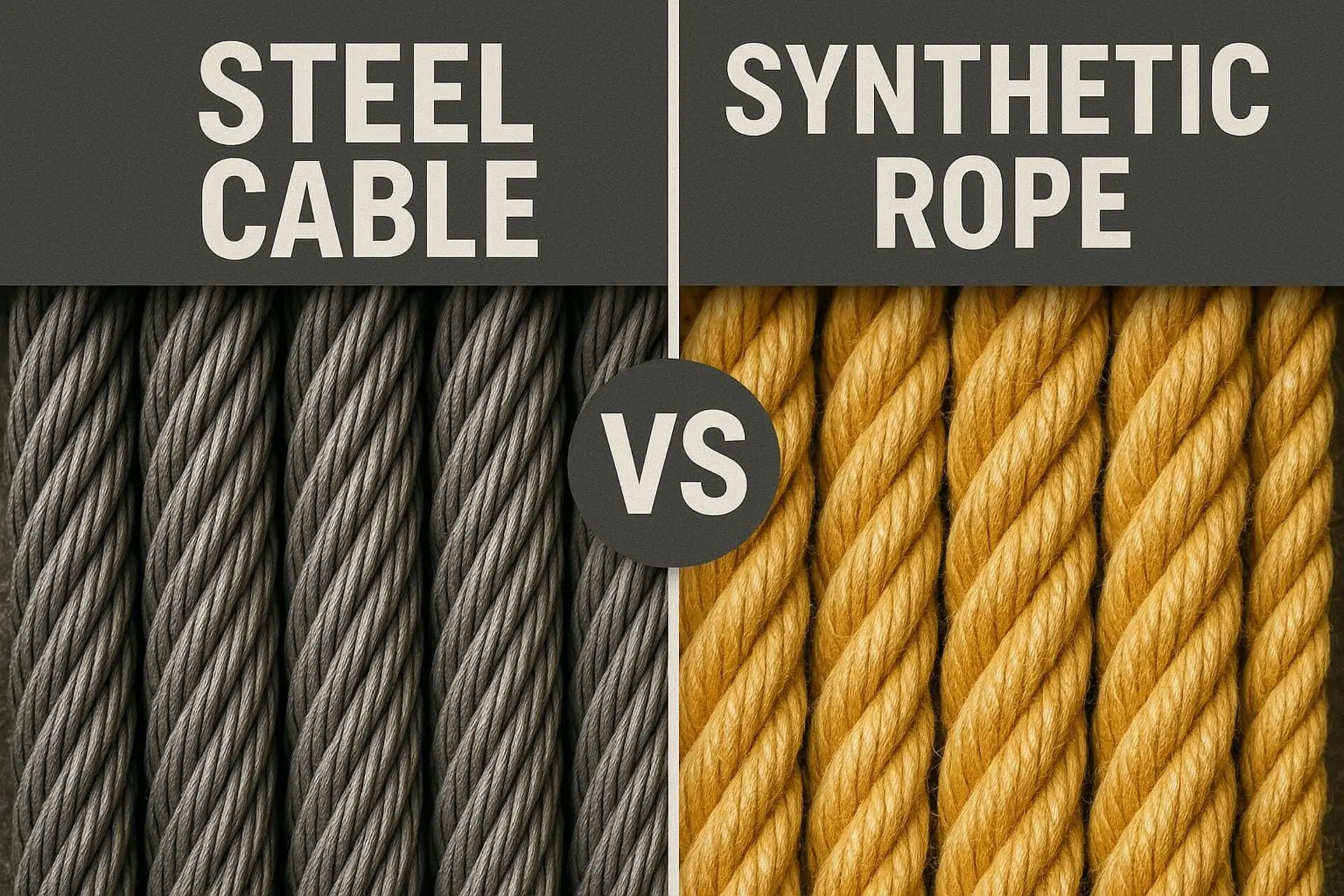
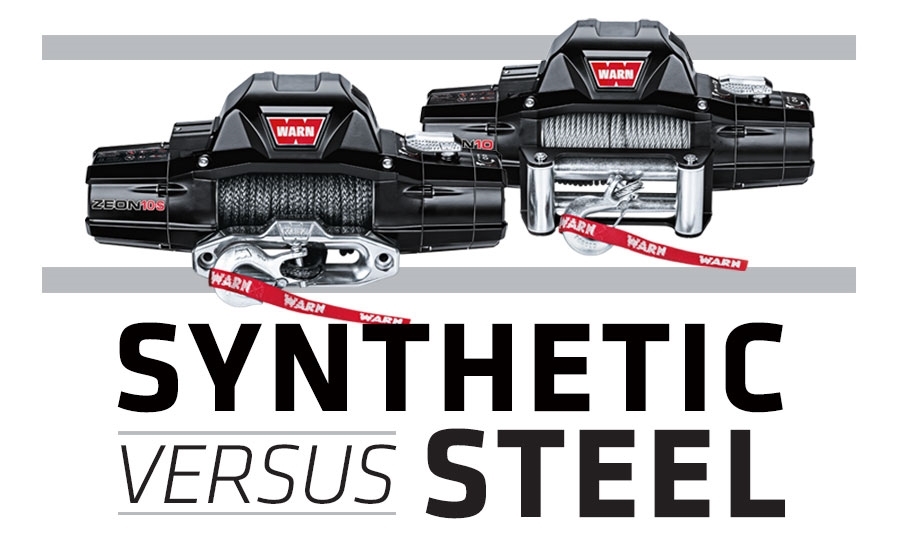
Synthetic winch rope is made from high-strength fibers like Dyneema or Spectra. It’s light, flexible, and easy to handle. Steel cable, on the other hand, is made from braided steel wires. It’s known for its durability and classic reliability.
Both are designed to pull heavy loads, but their material differences create distinct pros and cons.
Strength And Durability Compared
Breaking strength is a key factor. High-quality synthetic ropes can match or even exceed the breaking strength of steel cables with the same diameter. Still, each reacts differently under stress and in tough conditions.
| Type | Typical Breaking Strength (3/8″ Diameter) | Weight | Flexibility |
|---|---|---|---|
| Synthetic Rope | 17,500 – 20,000 lbs | 2-4 lbs (100ft) | Very flexible |
| Steel Cable | 15,000 – 19,000 lbs | 14-16 lbs (100ft) | Stiff, less flexible |
Non-obvious insight: Synthetic ropes can degrade faster from UV light and chemicals, while steel cables are more vulnerable to rust if not maintained.
Credit: duracordix.com
Safety: Which Is Safer?
Safety is often the top concern for winch users. Both types have risks, but the nature of those risks is very different.
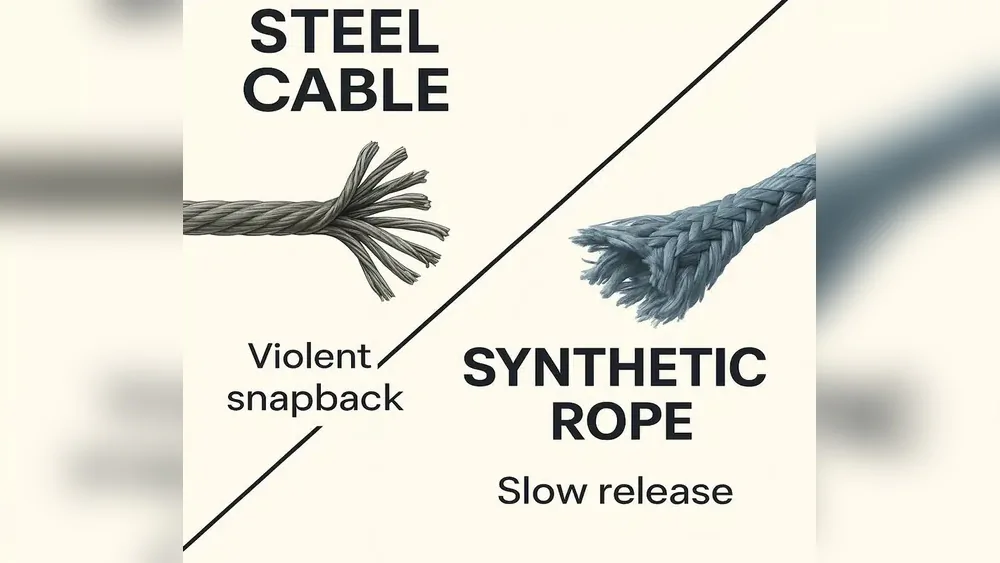
- Synthetic rope: If it breaks, it tends to drop to the ground. It stores very little energy, so the snapback risk is minimal.
- Steel cable: If it snaps, the stored energy can whip the cable dangerously, causing injury or damage.
For this reason, many off-road groups and events only allow synthetic rope.
Common mistake: Some users think wearing gloves is only for steel cable. Synthetic rope can also cause rope burns, so protection is important for both.
Weight And Handling
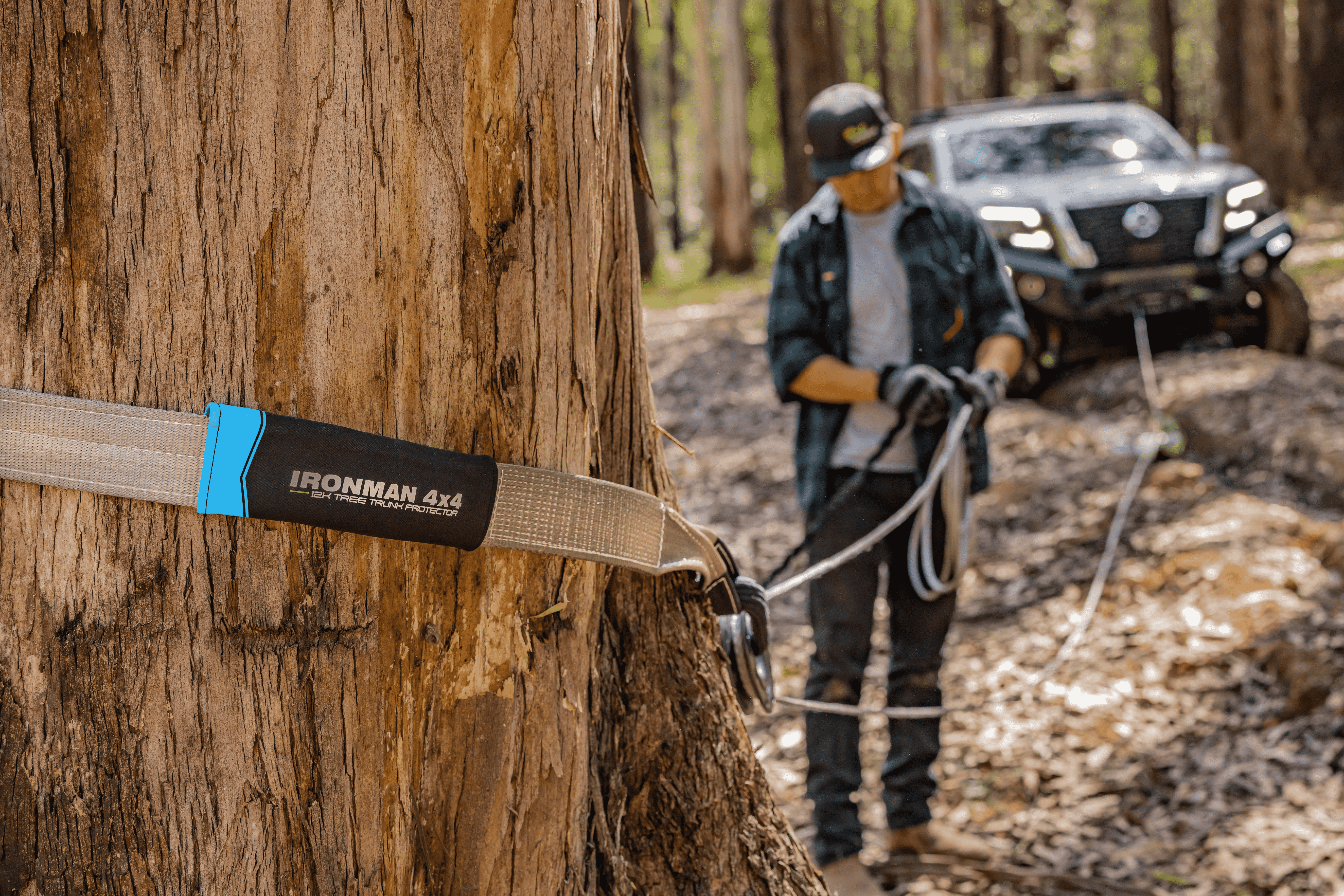
A lighter winch line can make a big difference in real situations. Synthetic rope is dramatically lighter than steel cable. This is especially important if you need to carry the winch line over rough ground or through mud.
Steel cable is heavier and can be difficult to handle, especially in cold weather when it stiffens.
Here’s a quick comparison:
| Feature | Synthetic Rope | Steel Cable |
|---|---|---|
| Weight (100 ft) | 2-4 lbs | 14-16 lbs |
| Ease of Handling | Easy, no splinters | Can cause hand injuries |
| Floatation | Floats on water | Sinks |
Non-obvious insight: The lightness of synthetic rope reduces strain on your winch’s motor and battery, especially during repeated pulls.
Credit: www.ironman4x4.com.au
Durability In Different Conditions
Steel cable stands up better to abrasion from sharp rocks, rough surfaces, and heat. It can handle dragging across the ground, but it’s prone to kinks. Once a steel cable is kinked, its strength drops sharply and it can become unsafe.
Synthetic rope can fray if dragged over rocks, but you can install a protective sleeve on high-wear spots. It is not affected by kinks, but it is more sensitive to UV rays and chemicals like oil or battery acid.
Real-world Example
In cold, icy conditions, steel can become brittle and hard to handle. Synthetic rope stays flexible, making it easier to spool and use. However, in a construction site with lots of sharp edges, steel cable may last longer without damage.
Maintenance And Longevity
Both options require care, but in different ways.
- Synthetic rope: Rinse mud and grit off after use. Store away from sunlight. Check for frays and cut back damaged ends.
- Steel cable: Lubricate regularly to prevent rust. Check for broken wires, rust spots, or kinks. Wear gloves during handling.
Common mistake: Neglecting inspection. Damaged winch lines are dangerous, no matter the material.
Cost: Upfront And Over Time
Steel cable is usually cheaper to buy and replace. Synthetic rope costs more upfront, but can offer savings in the long run if you value safety and ease of use. Replacement costs for synthetic rope have dropped in recent years as technology improves.
Here’s a simple cost comparison:
| Type | Average Upfront Cost (100 ft) | Average Replacement Interval |
|---|---|---|
| Synthetic Rope | $100 – $200 | 2-4 years (with care) |
| Steel Cable | $50 – $100 | 3-6 years (with care) |
Which One Should You Choose?
The right choice depends on your needs:
- Off-road and 4×4 users: Synthetic rope is safer, lighter, and easier to handle.
- Heavy industrial or winching over rocks: Steel cable may last longer if abrasion is a constant risk.
- Cold weather: Synthetic rope remains flexible.
- Budget-focused buyers: Steel cable is cheaper upfront.
If you often winch alone or in remote areas, the safety and ease of synthetic rope can make a big difference. But if your winch sees hard abuse daily, steel cable’s abrasion resistance might be worth the trade-off.
For more technical data and standards, the official Wikipedia Winch page offers further reading.
Credit: www.warn.com
Frequently Asked Questions
What Is The Main Advantage Of Synthetic Winch Rope?
The main advantage is safety. If synthetic rope breaks, it doesn’t whip dangerously. It’s also lighter and easier to handle, making it popular with off-roaders.
Does Steel Cable Last Longer Than Synthetic Rope?
Steel cable can last longer in high-abrasion environments, but it is prone to rust and kinking. With proper care, both can last several years, but usage conditions matter most.
Can Synthetic Winch Rope Replace Steel Cable On Any Winch?
Most winches can use synthetic rope, but you may need to change the fairlead to an aluminum hawse type to prevent rope damage. Always check your winch’s compatibility.
Are There Situations Where Steel Cable Is Better?
Yes. Steel cable is better for dragging over rocks, sharp edges, or hot surfaces. In situations where abrasion is extreme, steel may outlast synthetic rope.
How Do I Maintain Synthetic Winch Rope?
Rinse it after muddy or sandy use, store out of sunlight, and check for frays. Use a protective sleeve in high-wear spots. Replace it if you see major damage.
Choosing between synthetic winch rope and steel cable is not just about cost—it’s about safety, handling, and the kind of recovery you do. Weigh your needs and make the best choice for your vehicle and your adventures.
Related posts
 Why You Should Use a Foam Cannon for Car Washing: Ultimate Guide
Washing your car is more than just making it look good. It protects the paint, keeps the value high, and makes driving feel better. But if…
 How to Clean Leather Seats Without Damaging Them: Expert Tips
Keeping your leather seats clean can be a challenge. Leather looks beautiful and feels luxurious, but it needs special care. Many people worry about damaging their…
 Why Using a Ceramic Coating Spray is Important for Your Car’s Shine
If you care about your car’s appearance and value, you probably wash and wax it regularly. But did you know there’s a better way to protect…