
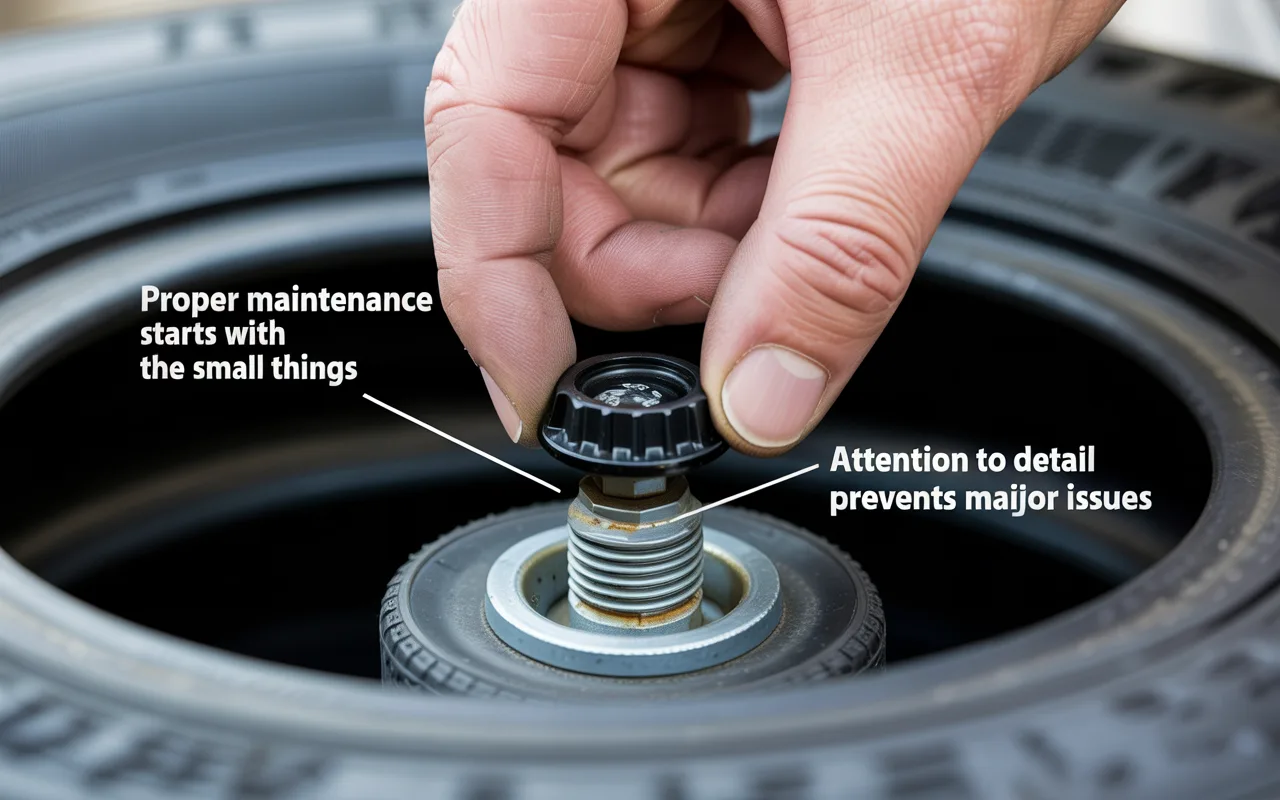
Learn how to install tire valve stem caps with this simple guide. These small parts protect your valves from dirt and help maintain proper air pressure in your tires. Follow easy steps for a secure fit on any vehicle, ensuring safety and longevity.
Tire valve stem caps might seem like tiny details on your vehicle, but they play a big role in keeping things running smoothly. These little covers sit on the end of the valve stems, which are the points where you add air to your tires. Without them, dust, water, and debris can sneak in, causing leaks or corrosion over time. If you’re wondering about basic car care, knowing how to install tire valve stem caps is a straightforward skill that anyone can pick up. It’s one of those quick tasks that can save you from bigger headaches down the road, like uneven tire wear or sudden flats. In this guide, we’ll walk through everything from choosing the right caps to putting them on properly, all in a way that’s easy to follow.
Many people overlook these caps until they notice one missing after a drive. They’re often lost during routine checks or when tires are rotated at a shop. Replacing them isn’t just about looks; it’s about protection. The valve stem itself is made of rubber or metal, and it needs that cap to stay sealed against the elements. Think of it as a hat for your tire’s air inlet. Over the years, I’ve seen how a simple cap can prevent air loss, which keeps your tires at the right pressure for better fuel efficiency and handling. Plus, with so many styles available, from basic plastic to fancy metal ones, you can even add a bit of personality to your wheels.
“Proper maintenance starts with the small things, like ensuring your valve caps are secure to avoid unnecessary air loss,” says automotive expert John Davis from AutoCare Magazine.
When you decide to install tire valve stem caps, start by gathering what you need. You’ll want caps that fit your vehicle’s valve stems, which are usually standard Schrader valves on most cars and trucks. Check your owner’s manual or look at the existing caps for size. Tools are minimal: often just your hands, but sometimes a small wrench if they’re tight. Safety comes first, so park on a flat surface and make sure the tires are cool before starting. This prevents any burns from hot brakes or inaccurate pressure readings.
Why You Should Install Tire Valve Stem Caps
Installing tire valve stem caps offers several benefits that go beyond basic protection. First, they act as a barrier against dirt and moisture, which can corrode the valve core inside. Without a cap, tiny particles build up, leading to slow leaks that drop your tire pressure gradually. This not only affects how your car drives but also increases wear on the tires, meaning you might need replacements sooner. Proper caps help maintain consistent air levels, which is key for safe driving, especially on long trips or in bad weather.
Another reason is to prevent accidental damage. Exposed valve stems can get bent or broken if hit by road debris or during parking mishaps. A cap adds a layer of defense, making the stem less vulnerable. From experience, vehicles without caps often show signs of rust around the valves, which can lead to costly repairs. Caps also make it easier to check tire pressure because they keep the area clean, so your gauge fits snugly without issues.
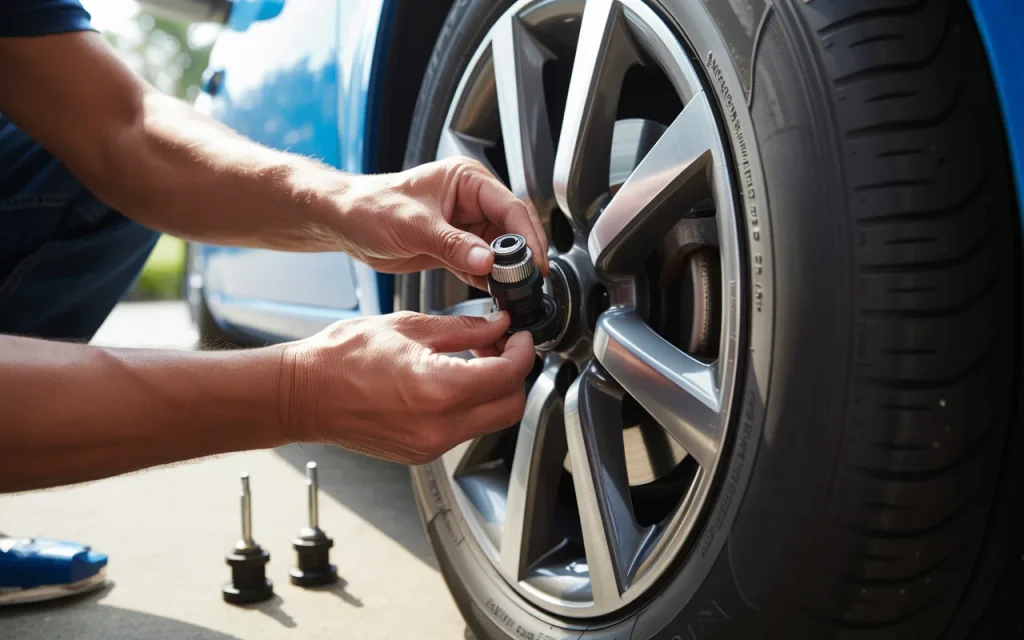
In terms of cost, these caps are inexpensive, often under a dollar each, yet they contribute to overall vehicle longevity. They can even improve aesthetics if you choose colored or themed ones, like those with logos or glow-in-the-dark features. But the main point is functionality. Studies from tire manufacturers show that vehicles with capped valves retain pressure better over time, reducing the risk of blowouts. It’s a small step in car maintenance that pays off in reliability and peace of mind.
| Benefit | Description |
|---|---|
| Protection from Debris | Keeps dust and water out of the valve stem. |
| Maintains Tire Pressure | Prevents slow leaks for better fuel efficiency. |
| Enhances Safety | Reduces risk of tire failure on the road. |
| Low Cost | Affordable way to extend tire life. |
Types of Tire Valve Stem Caps Available
There are various types of tire valve stem caps to suit different needs and preferences. Basic plastic caps are the most common, lightweight and cheap, ideal for everyday use. They screw on easily and provide standard protection without any frills. Metal caps, often made from aluminum or brass, offer more durability and a sleeker look. These are great for off-road vehicles or those exposed to harsh conditions, as they resist corrosion better.
Then there are locking caps, which require a key to remove, adding security against theft or tampering. This is useful in urban areas where vandalism might be a concern. Decorative caps come in shapes like skulls, dice, or even with LED lights for visibility at night. While fun, make sure they don’t interfere with the valve’s function. For high-performance cars, there are caps designed for higher pressures, ensuring they stay put during fast drives.
Choosing the right type depends on your driving habits. If you frequently check air pressure, opt for easy-to-remove ones. For those in rainy climates, sealed caps prevent water ingress. Always match the thread size; most are universal, but double-check for specialty vehicles like motorcycles or RVs. Mixing types on one vehicle is fine as long as they fit securely.
Tools and Materials Needed to Install Tire Valve Stem Caps
Before you begin to install tire valve stem caps, gather a few essentials to make the process smooth. The caps themselves are the main item; buy a set of four or more to have spares. A tire pressure gauge is handy to check levels while you’re at it, ensuring everything is optimal. If the old caps are stuck, a pair of pliers or a valve cap remover tool can help without damaging the stem.
Gloves keep your hands clean, especially if the wheels are dirty. A small flashlight is useful for low-light conditions or seeing into the wheel well. Some people use thread sealant for extra grip, but it’s not always necessary. For cleaning, a rag and some soapy water wipe away grime from the stems before installation.
Keep in mind that no fancy equipment is required; this is a DIY task. If you’re replacing caps on all tires, do them one by one to avoid mixing up pressures. Having these items ready saves time and frustration, turning a simple job into an effortless one.
| Tool/Material | Purpose |
|---|---|
| Valve Stem Caps | The main item to install. |
| Tire Pressure Gauge | To check air levels post-installation. |
| Pliers or Remover | For stuck old caps. |
| Gloves and Rag | For cleanliness and grip. |
Step-by-Step Guide: How to Install Tire Valve Stem Caps
Let’s get into the details of how to install tire valve stem caps. Start by parking your vehicle on a level surface and turning off the engine. This ensures stability and safety. Locate the valve stems on each tire; they’re usually black rubber tubes sticking out from the rim, about an inch long.
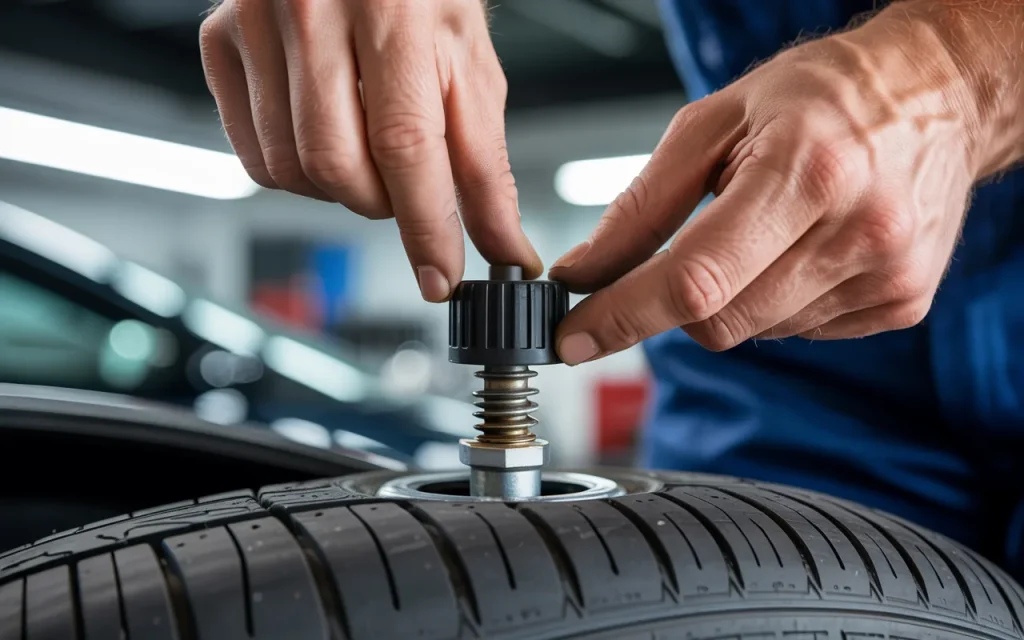
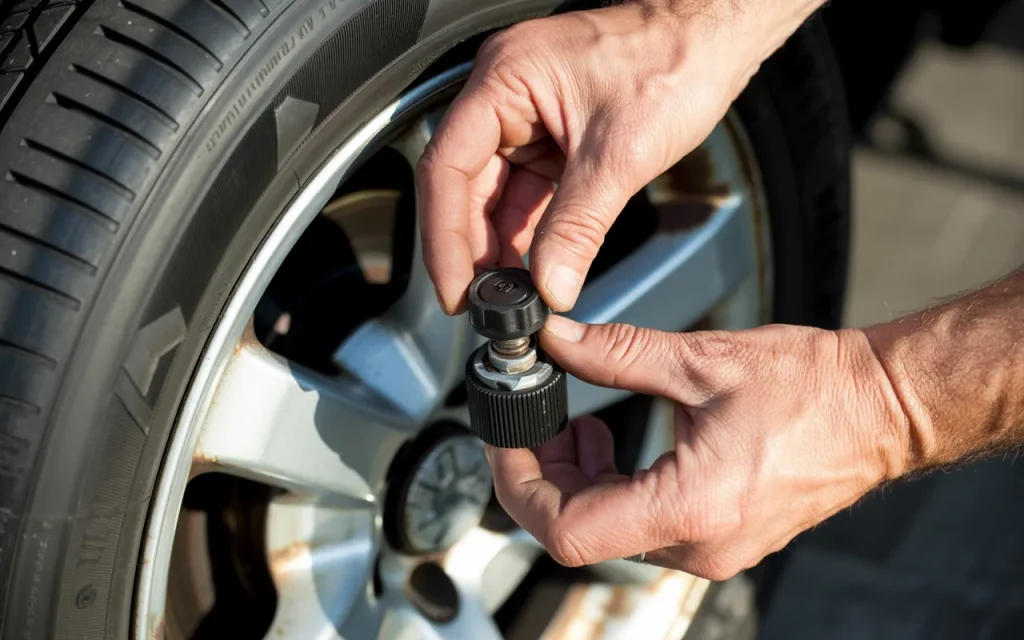
If there’s an old cap, remove it by twisting counterclockwise. Use your fingers first; if it’s tight, grab pliers gently to avoid scratching. Clean the stem with a rag to remove any buildup, which helps the new cap seal better. Now, take the new cap and align it with the threads on the stem. Screw it on clockwise, hand-tightening until snug. Don’t overdo it, as too much force can strip the threads.
Repeat for all four tires, checking each one as you go. After installation, use your gauge to verify tire pressure, adding air if needed through the cap’s opening if it’s vented. This whole process takes just a few minutes per tire, but it’s worth doing carefully to ensure a proper fit.
For vehicles with tire pressure monitoring systems, make sure the caps are compatible so they don’t interfere with sensors. If you’re installing metal caps, they might feel colder in winter, but that doesn’t affect performance. Always inspect the stems for cracks before capping; if damaged, replace the stem at a shop.
Common mistakes include cross-threading, which happens if you start screwing at an angle. To avoid this, feel for the threads to catch smoothly. Another tip: install caps when tires are cold for accurate pressure. Over time, this routine becomes second nature, keeping your tires in top shape.
“Attention to detail in small tasks like capping valve stems can prevent major issues,” notes mechanic Sarah Thompson from Roadside Repair Services.
Common Mistakes When Installing Tire Valve Stem Caps
Even simple tasks like installing tire valve stem caps can have pitfalls. One frequent error is over-tightening, which damages the threads and makes future removal hard. Always use hand strength only; tools are for loosening, not tightening. Another issue is not cleaning the stem first, leading to poor sealing and potential leaks.
People sometimes mix up cap types, using ones that don’t fit properly, causing them to fall off while driving. Check compatibility before buying. Ignoring the condition of the stem itself is a mistake; if it’s worn, a new cap won’t help much. Also, forgetting to check pressure afterward misses an opportunity to spot problems early.
In cold weather, caps can seize due to contraction, so install them indoors if possible. Avoid cheap caps that crack easily; quality matters. By steering clear of these errors, you’ll ensure the caps do their job effectively.
Maintenance Tips After You Install Tire Valve Stem Caps
Once you’ve learned how to install tire valve stem caps, keeping them in good condition is key. Check them monthly during tire inspections, looking for looseness or damage. If a cap is missing, replace it right away to protect the valve.
Clean the caps and stems regularly with mild soap to remove road salt or grime. For metal caps, a bit of lubricant on the threads prevents sticking. Rotate tires as recommended, and inspect caps during that time. If you notice air loss, the cap might not be the issue, but it’s a good starting point to check.
Store spare caps in your glove box for quick fixes. In extreme climates, consider weather-resistant options. These habits extend the life of your tires and valves, saving money long-term.
Troubleshooting Issues with Tire Valve Stem Caps
Sometimes, after you install tire valve stem caps, problems arise. If a cap won’t screw on, the threads might be dirty or damaged; clean or replace as needed. Leaks could mean the cap isn’t tight enough or the valve core is faulty.
If caps keep coming loose, they might not match the stem size. Vibration from rough roads can loosen them, so check after bumpy drives. For hissing sounds when removing caps, that’s normal air release, but persistent noise indicates a deeper issue.
In rare cases, caps can freeze in winter; warm them gently to remove. If unsure, consult a professional. Addressing these early keeps your tires safe.
“A little prevention with valve caps goes a long way in vehicle upkeep,” advises tire specialist Mike Rivera from Wheel World Journal.
Frequently Asked Questions
What are tire valve stem caps made of?
Tire valve stem caps come in materials like plastic, metal, or rubber-coated varieties. Plastic is lightweight and affordable, while metal offers strength.
How often should I replace tire valve stem caps?
Replace them every few years or when they show wear, like cracks or looseness. Always have spares handy.
Can I install tire valve stem caps on a motorcycle?
Yes, the process is similar, but ensure the caps fit motorcycle valve sizes, which might differ from cars.
Do tire valve stem caps affect tire pressure monitoring?
Most don’t, but choose compatible ones to avoid sensor interference.
What if I lose a tire valve stem cap while driving?
It’s not an emergency, but replace it soon to prevent debris entry. Drive carefully until fixed.
Are decorative tire valve stem caps safe?
As long as they fit securely and don’t obstruct, they’re fine. Avoid overly bulky ones.
How do I know if my tire valve stem cap is the right size?
Most are universal for Schrader valves, but measure the stem diameter if in doubt.
Can I reuse old tire valve stem caps?
If they’re in good shape, yes, but inspect for damage first.
What happens if I don’t install tire valve stem caps?
Valves can clog with dirt, leading to air loss and potential tire damage.
Where can I buy tire valve stem caps?
Auto parts stores, online retailers, or even gas stations carry them.
Conclusion
Wrapping up, knowing how to install tire valve stem caps is an essential part of basic vehicle care that anyone can handle. These small pieces make a big difference in protecting your tires from everyday wear and tear. By following the steps outlined, you’ll ensure a secure fit that maintains proper pressure and extends tire life. Remember to check them regularly and replace as needed for ongoing safety. With this knowledge, you’re set to keep your wheels in great condition for miles ahead.