
Winch Recovery Tips for High-Performance Vehicles: Expert Guide
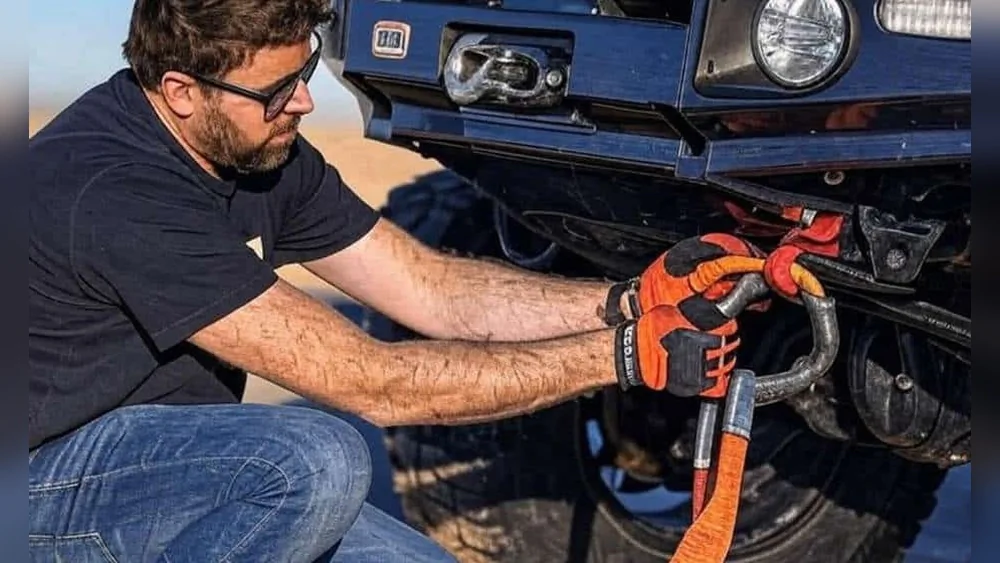
High-performance vehicles are built for speed, power, and agility. But even the best-engineered machines can get stuck—whether off-road, in mud, or during motorsport events. Using a winch is a common way to recover these vehicles, but the process is not as simple as it seems.
Mistakes can cause injuries, damage expensive parts, or leave you stranded. If you drive a high-performance vehicle, understanding proper winch recovery techniques is essential for safety and success.
Why Winch Recovery Is Different For High-performance Vehicles
Not all vehicles recover the same way. High-performance vehicles have low ground clearance, lightweight construction, and sensitive electronics. A recovery plan that works for a heavy-duty truck may not be safe for a sports car or race-tuned SUV.
A common mistake is using standard recovery points or cheap winch lines. These can fail under load, causing dangerous situations. Knowing the unique needs of your vehicle can help avoid costly errors.
Essential Winch Gear For High-performance Vehicles
Bringing the right equipment is your first line of defense. Here’s what you need:
| Gear | Purpose | Special Considerations |
|---|---|---|
| Synthetic Winch Rope | Pulls the vehicle | Lightweight, less recoil if it breaks |
| Soft Shackles | Connects winch to recovery points | Won’t damage paint, easy to handle |
| Recovery Dampener | Adds weight to winch line | Reduces snapback risk |
| Snatch Block | Redirects winch cable | Allows double-line pulls for more power |
Always check the working load limit of every item. High-performance vehicles often need lighter but strong gear to match their unique build.

Credit: offroadcreative.com.au
Key Winch Recovery Tips
Successful recovery starts with careful planning and correct technique. Here are the most important tips:
1. Assess The Situation First
Never rush. Look for obstacles, check the surface under your tires, and see if you can drive out before using the winch. Sometimes lowering tire pressure or clearing debris is enough.
2. Use Proper Recovery Points
Not all parts of a high-performance vehicle can handle winching forces. Always use factory-rated recovery points or professionally installed alternatives. Avoid using suspension parts, axles, or body panels—they can bend or snap.
3. Plan Your Winch Line Path
Make sure the line is straight and not rubbing against sharp edges. Friction can damage synthetic rope quickly. If you must winch at an angle, use a snatch block to change direction safely.
4. Apply A Recovery Dampener
Always place a dampener or a heavy jacket over the winch line. This absorbs energy if the line breaks and helps protect you and bystanders.
5. Control The Winch Remotely
Stand clear of the cable’s path. Use a wireless remote if possible. If not, keep your hands and body away from the line while operating the winch.
6. Winch Slowly And Steadily
High torque can damage sensitive parts. Use slow, controlled pulls. Avoid jerking the vehicle or sudden throttle inputs.
7. Monitor Battery And Electrical Load
Performance vehicles often have smaller batteries. Winching draws high current, which can drain the battery fast. Keep the engine running and monitor voltage.
8. Protect Electronics And Air Intakes
Before winching out of water or mud, check for exposed sensors and air intakes. Cover them if possible. Recovery can splash water or debris where it doesn’t belong.
9. Double-line Pull For Heavy Loads
If your vehicle is deeply stuck, use a snatch block to double the line. This reduces stress on the winch and improves pulling power.
10. Communicate Clearly
Use hand signals or radios if working with a team. Noise and stress can lead to mistakes. Make sure everyone knows the plan.
Common Mistakes To Avoid
Even experienced drivers can slip up. Avoid these errors for a safer recovery:
| Mistake | Why It’s Dangerous | Better Practice |
|---|---|---|
| Using Tow Hooks Not Rated for Winching | May break and cause injury | Use dedicated, rated recovery points |
| Winching at Sharp Angles | Damages rope and vehicle structure | Use snatch blocks for redirection |
| Ignoring Battery Limits | Can lead to total power loss | Monitor voltage and keep engine running |
| Standing Near Tensioned Winch Line | Risk of serious injury if line snaps | Stand clear, use a dampener |
Many beginners overlook the importance of proper anchor points. Choosing a weak tree or an unstable rock can endanger everyone.
Real-world Example: Off-road Rally Car Recovery
During an off-road rally event, a Subaru WRX STI got stuck in deep mud. The team used a synthetic winch rope and soft shackles to minimize damage to the car’s bodywork. They attached to a reinforced recovery point, used a snatch block for a straight pull, and covered the line with a dampener.
The car was pulled out smoothly without stressing the suspension or damaging the paint. The lesson: even high-stress situations can be handled safely with the right gear and methods.
Choosing The Right Winch For Your Vehicle
Selecting a winch is not just about power. Consider these factors:
- Vehicle Weight: The winch should have at least 1.5 times your vehicle’s gross weight capacity.
- Mounting Options: Some sports cars have limited space for winch mounts. Choose a model with a compact design.
- Synthetic vs. Steel Cable: Synthetic is lighter and safer, but steel is more durable in some cases.
- Electrical Load: Match winch draw to your battery’s output.
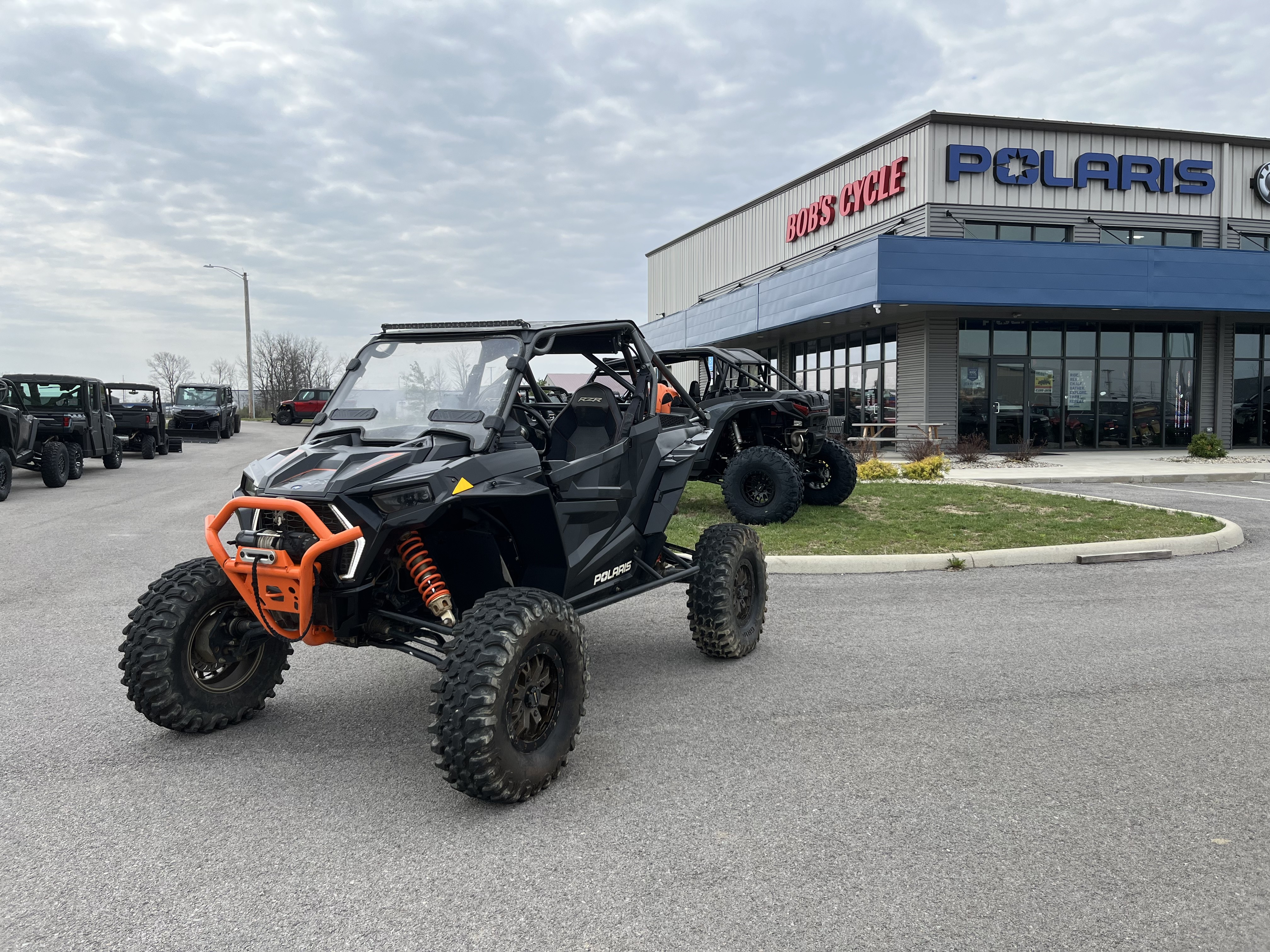
A common error is over-sizing the winch. Bigger is not always better—excess weight at the front can affect handling and ride quality.
Credit: www.hit-the-gas.com
How To Care For Winch Equipment
After every recovery, check your gear for damage. Look for frayed ropes, bent shackles, and worn pulleys. Clean and dry all synthetic lines before storage to prevent mold and weakening.
Regular maintenance ensures your equipment won’t fail when you need it most. For more on winch safety and maintenance, see this guide from the 4WD Official Site.
Frequently Asked Questions
What Is The Safest Winch Line For High-performance Vehicles?
Synthetic winch rope is considered safest because it is light, easy to handle, and less dangerous if it breaks under tension.
Can I Use The Same Winch For My Sports Car And Suv?
You can, but check the weight rating and mounting options. Each vehicle may need a different winch capacity and fit.
How Often Should I Inspect My Winch Gear?
Check your winch gear before and after every use. Look for cuts, kinks, or worn spots in the rope and damage to hardware.
Is It Safe To Winch Alone?
Winching alone is risky. Always let someone know your location, and use remote controls to keep a safe distance. Having a spotter is best.
What Should I Do If My Battery Dies During Recovery?
Stop winching immediately. Try to jump-start the battery or use a portable power pack. Avoid continuing with low voltage—it can damage the winch and vehicle.
Winch recovery for high-performance vehicles is about more than just brute force. It requires planning, the right gear, and careful technique. By following these tips and paying attention to details, you can keep your vehicle safe and get back on the road or track quickly.

Credit: duracordix.com
Related posts
 Why You Should Use a Foam Cannon for Car Washing: Ultimate Guide
Washing your car is more than just making it look good. It protects the paint, keeps the value high, and makes driving feel better. But if…
 How to Clean Leather Seats Without Damaging Them: Expert Tips
Keeping your leather seats clean can be a challenge. Leather looks beautiful and feels luxurious, but it needs special care. Many people worry about damaging their…
 Why Using a Ceramic Coating Spray is Important for Your Car’s Shine
If you care about your car’s appearance and value, you probably wash and wax it regularly. But did you know there’s a better way to protect…