
Recovery Gear Checklist for Off-Road Adventures: Essentials You Need
Heading out for an off-road adventure is thrilling, but the excitement can quickly fade if your vehicle gets stuck or breaks down far from help. Being prepared with the right recovery gear is not just smart—it can be the difference between a small delay and a dangerous situation. Many beginners focus on navigation or food, but forget about the essential tools needed when things go wrong on rough terrain. This guide will walk you through a complete recovery gear checklist, sharing practical advice and lesser-known tips to help you stay safe and confident on any off-road journey.
Essential Recovery Gear Items
Every off-roader, whether new or experienced, should carry certain must-have tools. These items are the backbone of any recovery kit and can help you get out of most sticky situations.
- Recovery Straps: Unlike tow ropes, recovery straps are designed to stretch and store energy, making them ideal for pulling vehicles out of mud or sand. Choose straps rated at least twice your vehicle’s gross weight.
- D-Shackles (Bow Shackles): These strong metal connectors attach straps to recovery points. Always use rated shackles (look for WLL—Working Load Limit) to avoid dangerous breakages.
- Winch: A winch is a powerful tool for self-recovery, especially when traveling alone. Electric winches are most common, but hydraulic versions offer more pulling power. Make sure your winch is rated for your vehicle’s weight.
- Gloves: Recovery often involves handling sharp or heavy gear. A pair of heavy-duty gloves protects your hands from cuts and burns.
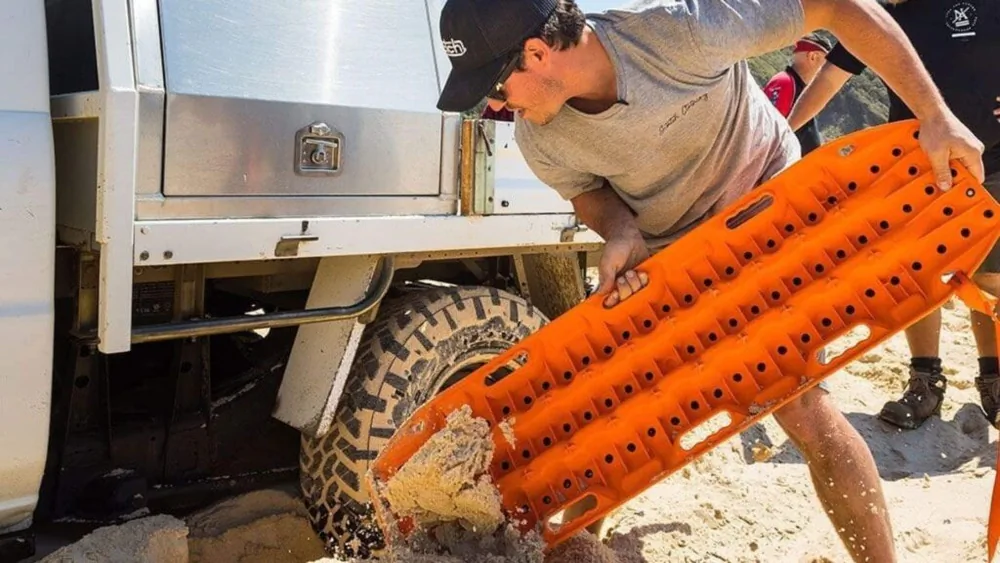
- Traction Boards: These plastic or metal boards give your tires something to grip when stuck in sand, mud, or snow. They’re lightweight and easy to use—simply place them under the wheels and drive out.
- Shovel: A collapsible shovel helps you dig out around tires or clear obstacles from under your vehicle. Look for one made of strong metal, not plastic.
- Hi-Lift Jack: This versatile jack can lift your vehicle from almost any point and is useful for changing tires or freeing a stuck 4×4. Practice using it before your trip, as improper use can be dangerous.
- Snatch Block: Used with a winch, a snatch block doubles pulling power and allows for angled recoveries. This is especially helpful when there’s no anchor directly in front of your vehicle.
- Tree Trunk Protector: When using trees as anchor points, always wrap a tree trunk protector around the base. This wide strap protects both the tree and your recovery gear.
- Tire Deflator and Pressure Gauge: Lowering tire pressure increases traction on sand or mud. A tire deflator lets you quickly air down, while a pressure gauge ensures you don’t go too low.
- Air Compressor: After airing down, you’ll need a portable air compressor to refill your tires before returning to the road.
- Basic Tool Kit: Include wrenches, pliers, screwdrivers, and a tire repair kit. Simple repairs in the field can save hours or even days.
- First Aid Kit: Off-road injuries can happen far from medical help. A comprehensive first aid kit with supplies for cuts, sprains, and burns is non-negotiable.
- Flashlight or Headlamp: Recovery often happens in low light. A bright flashlight or headlamp keeps your hands free and your workspace visible.
- Emergency Blanket or Bivvy: If you have to spend the night outdoors, an emergency blanket keeps you warm and safe from the elements.
Comparison Of Key Recovery Tools
Choosing the right gear can be confusing. Here’s a quick comparison of three popular recovery items to help you decide:
| Item | Main Use | Weight | Approx. Cost |
|---|---|---|---|
| Winch | Self-recovery, heavy pulls | 20-40 kg | $300-$1,500 |
| Traction Boards | Stuck in sand/mud | 6-10 kg (pair) | $100-$400 |
| Snatch Strap | Vehicle-to-vehicle recovery | 3-5 kg | $50-$150 |

Credit: trail4runner.com
Tips For Packing And Using Recovery Gear
Bringing the right gear is only half the story; knowing how to use it is just as important. Here are some practical tips:
- Practice before you go: Try using your winch, jack, and straps in a safe environment so you’re not learning under stress.
- Store gear accessibly: Keep essential items like gloves and straps where you can reach them quickly.
- Check gear regularly: Inspect straps for frays, shackles for rust, and winch cables for damage before each trip.
One insight many forget: weight distribution matters. Heavy recovery gear can shift during rough driving. Secure it tightly and keep the heaviest items low in your vehicle to avoid tipping.
Common Recovery Gear Mistakes
Some problems are easy to avoid if you know what to look out for:
- Buying cheap, unrated gear: Saving money can be tempting, but poor-quality straps or shackles can snap and cause injury.
- Ignoring vehicle-specific needs: Not all gear fits every vehicle. Double-check that your recovery points and jacks match your 4×4.
- Overpacking: More is not always better. Carry what you need, but don’t overload your vehicle, which can affect handling and fuel use.
Many beginners miss that communication devices (like a two-way radio) are also part of your recovery kit—they help you coordinate with other vehicles or call for help when phone signals fail.

Credit: www.timbertowing.com
Advanced Recovery Gear For Experienced Adventurers
If you often travel in remote or extreme areas, consider these advanced items:
- Satellite communicator: Works where phones do not. Devices like the Garmin inReach allow you to send SOS messages from anywhere.
- Kinetic recovery rope: These ropes stretch even more than snatch straps, providing smoother and safer recoveries.
- Exhaust jack: Inflates using your vehicle’s exhaust and lifts vehicles in soft sand where standard jacks might sink.
Here’s a comparison of two advanced tools:
| Tool | Best For | Special Feature |
|---|---|---|
| Kinetic Rope | Deep mud, sand recovery | High stretch, smooth pull |
| Exhaust Jack | Soft ground lifting | Uses exhaust or compressor |
Recovery Gear Maintenance
Proper maintenance keeps your gear reliable:
- Clean straps and boards after each use to prevent wear and rot.
- Lubricate moving parts on your winch and jack to keep them functional.
- Replace worn or damaged gear immediately—never risk using compromised equipment.

Credit: outlawadventuretours.com
Frequently Asked Questions
What Is The Most Important Piece Of Recovery Gear?
The recovery strap is often the most used and versatile tool. It enables quick vehicle-to-vehicle recovery and is easy for beginners to use safely.
How Do I Choose The Right Winch Size For My Vehicle?
Select a winch rated for at least 1. 5 times your vehicle’s gross weight. For example, if your SUV weighs 2,000 kg, choose a winch rated for 3,000 kg or more.
Can I Use A Regular Tow Rope For Recovery?
No, tow ropes lack the stretch and strength needed for recovery and may snap under load. Always use rated recovery straps or ropes.
Are Traction Boards Worth Carrying?
Yes, traction boards are lightweight, quick to deploy, and can get you out of mud, sand, or snow without outside help.
Where Can I Learn More About Off-road Recovery Techniques?
A great resource is the Tread Lightly! initiative, which offers education on responsible and safe off-road practices.
Being fully prepared with the right recovery gear gives you peace of mind and freedom to explore without worry. Take the time to build a complete kit, learn how to use every item, and you’ll be ready for whatever the trail brings.
Off-road adventures are unpredictable, but with the right preparation, you can handle any challenge nature throws your way.
Related posts
 Why You Should Use a Foam Cannon for Car Washing: Ultimate Guide
Washing your car is more than just making it look good. It protects the paint, keeps the value high, and makes driving feel better. But if…
 How to Clean Leather Seats Without Damaging Them: Expert Tips
Keeping your leather seats clean can be a challenge. Leather looks beautiful and feels luxurious, but it needs special care. Many people worry about damaging their…
 Why Using a Ceramic Coating Spray is Important for Your Car’s Shine
If you care about your car’s appearance and value, you probably wash and wax it regularly. But did you know there’s a better way to protect…