
How to Use a Winch Snatch Recovery Ring for Safe Off-Roading
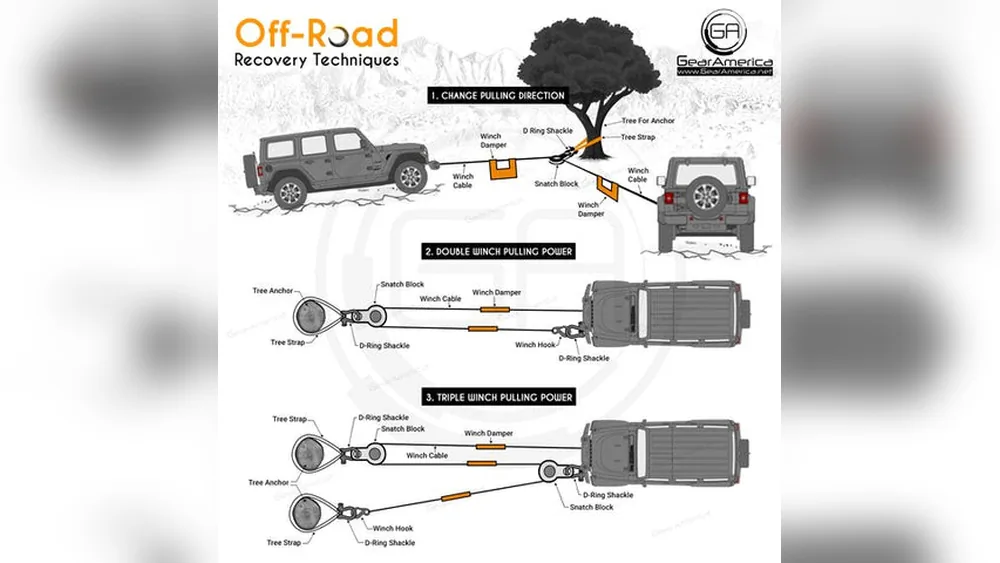
Getting stuck off-road can be stressful, but the right tools make recovery safer and easier. One tool that’s changing the way drivers recover vehicles is the winch snatch recovery ring. This small device is lighter and simpler than traditional snatch blocks, yet it offers impressive strength and flexibility. Learning how to use a snatch recovery ring properly helps prevent accidents, protects your gear, and gets you back on the trail fast.
What Is A Winch Snatch Recovery Ring?
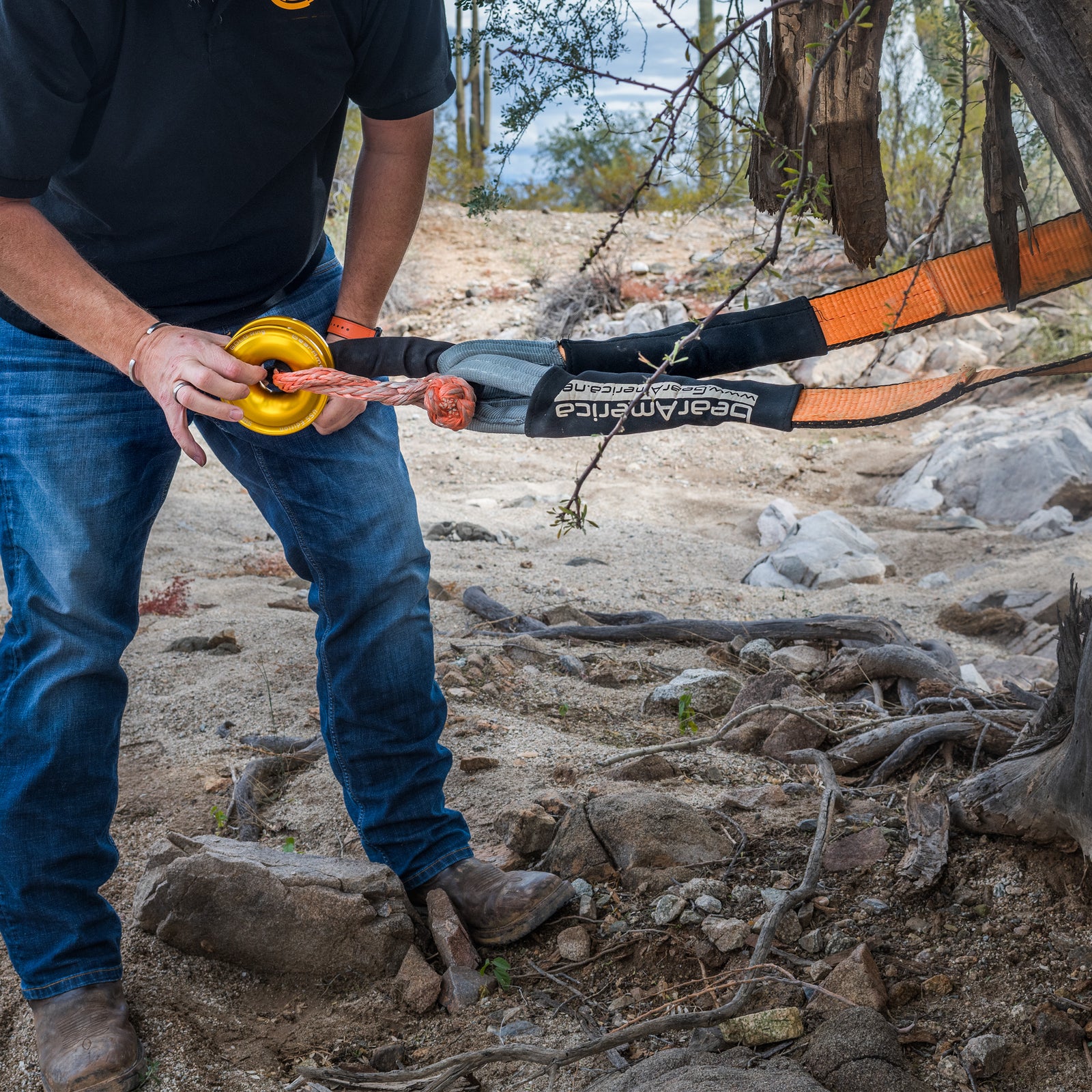
A winch snatch recovery ring is a compact pulley made from strong materials like aircraft-grade aluminum. Unlike old-style snatch blocks, it doesn’t have moving parts. Instead, it works with a soft shackle and synthetic winch rope to change the direction of a pull or double your winch’s power. These rings are popular for their light weight, ease of use, and lower risk of injury if something fails.
Why Use A Snatch Recovery Ring Instead Of A Snatch Block?
Many off-roaders wonder whether to use a snatch block or a recovery ring. Here’s a quick comparison to highlight the main differences:
| Feature | Snatch Block | Snatch Recovery Ring |
|---|---|---|
| Weight | Heavy (2-5 kg) | Very light (0.2-0.6 kg) |
| Moving Parts | Yes | No |
| Maintenance | Needs grease and inspection | Almost zero maintenance |
| Rope Type | Synthetic or wire | Synthetic only |
| Ease of Use | Can be fiddly | Very quick setup |
Most users find recovery rings safer and simpler, especially for quick recoveries in mud, sand, or snow.
Credit: www.gearamerica.com
Essential Gear Needed
Before you use a snatch recovery ring, gather all the necessary equipment. Here is what you need:
- Winch with synthetic rope – Recovery rings are designed for synthetic, not steel cables.
- Soft shackle – This replaces heavy metal shackles and connects the ring to an anchor point.
- Snatch recovery ring – Pick one with a working load limit (WLL) above your vehicle’s weight.
- Tree trunk protector or recovery strap – Protects trees and provides a strong anchor.
- Gloves – Protect your hands from abrasion and pinching.
- Rated recovery points – Both on your vehicle and the anchor.
Never use damaged or untested gear. Always check for frays, cracks, or other issues before starting.
How To Use A Winch Snatch Recovery Ring: Step-by-step
The real power of a snatch recovery ring comes from proper setup and technique. Follow these steps for a safe and effective recovery:
1. Assess The Situation
Before pulling out any gear, check your environment. Find a strong anchor point like a tree or another vehicle. Make sure you can stand clear of the recovery path in case something breaks.
2. Prepare Your Gear
Lay out your synthetic winch rope, soft shackle, and snatch recovery ring. Inspect each part for wear. Worn ropes or rings can fail under load, causing injury or damage.
3. Set Up The Anchor
Wrap a tree trunk protector or recovery strap around the anchor. Connect the ends using the soft shackle. Slide the snatch recovery ring onto the shackle before closing it.
4. Thread The Winch Rope
Pull out enough winch rope to reach the snatch ring. Pass the rope through the groove in the ring. Make sure the rope sits flat and smooth to avoid friction damage.
5. Tension And Angle
Connect the other end of the winch rope to your vehicle’s recovery point. Check the angle of pull. The ring allows you to change the direction of the pull, which is especially helpful if you need to winch around obstacles.
6. Begin Winching
Stand well back and ask bystanders to move away from the recovery zone. Slowly operate the winch, taking up slack gradually. Watch for any snagging or abnormal movement.
7. Monitor During Recovery
Pause regularly to check the ring, rope, and anchor. Overheating or misalignment can cause problems. If you need to double the winch line for extra pulling power, simply run the winch rope back to your vehicle and attach it to a second recovery point.
8. Finish And Pack Away
Once your vehicle is free, reverse the steps. Remove the rope from the ring, open the soft shackle, and pack away your gear. Inspect everything for damage before storing.

Credit: www.youtube.com
Advanced Tips For Safe And Efficient Recovery
To get the most from your snatch recovery ring, keep these expert tips in mind:
- Always use synthetic rope. Steel cable can damage the ring and is more dangerous if it breaks.
- Avoid side loading the ring. The pull should be as straight as possible to prevent wear.
- Never exceed the working load limit (WLL) of any gear.
- If the ring gets muddy or sandy, rinse it before storage to keep the surface smooth.
- Carry a spare soft shackle. Traditional shackles are heavy and can be deadly if they snap under tension.
- For long or complex recoveries, let the gear cool down between pulls. Heat from friction can weaken synthetic ropes over time.
Many beginners overlook the importance of proper anchor selection. Weak or unstable anchors can fail, putting everyone at risk. Take time to choose a solid anchor point every time.
Another common mistake is using metal shackles with a recovery ring. This reduces the safety benefit. Soft shackles are much lighter and safer if something breaks.
When To Use A Snatch Recovery Ring
Not every recovery needs a snatch ring, but some situations make it the best choice:
- You need to change the winch line’s direction to avoid trees, rocks, or other vehicles.
- The stuck vehicle is too heavy for a straight pull.
- You want to double your winch’s pulling power by “double-lining” the rope.
- You need a quick, safe setup in rough or muddy conditions.
A recovery ring is also a smart backup tool. It’s small enough to carry even if you use a snatch block for most recoveries.
Real-world Example
Imagine your 4×4 is stuck halfway down a steep, muddy trail. A tree is off to the side, not directly in front. Using a snatch recovery ring, you anchor to the tree, redirect the pull around the obstacle, and safely winch your vehicle without digging up the trail or risking damage to your winch cable.
Comparing Top Snatch Recovery Rings
Here’s a quick look at three popular snatch recovery rings and their main specs:
| Model | Material | WLL (tons) | Weight | Rope Size |
|---|---|---|---|---|
| Factor 55 00070 | 6061 Aluminum | 15 | 0.4 kg | Up to 13mm |
| ARB Recovery Ring | Forged Aluminum | 9 | 0.2 kg | Up to 12mm |
| Red Winches Ring | Alloy | 12 | 0.3 kg | Up to 11mm |
Choose a ring with a load rating at least twice your vehicle’s gross weight for extra safety.

Credit: overlandvehiclesystems.com
Frequently Asked Questions
What Is The Main Advantage Of A Snatch Recovery Ring Over A Snatch Block?
The biggest advantage is weight and simplicity. Snatch recovery rings are lighter, have no moving parts, and are much quicker to set up. They also require less maintenance and are safer with synthetic ropes.
Can I Use A Steel Winch Cable With A Recovery Ring?
No. Steel cables can damage the ring and are unsafe because they can cut into the aluminum. Snatch recovery rings are only for synthetic winch ropes.
How Much Pulling Force Can A Snatch Recovery Ring Handle?
Most rings support 8–15 tons depending on the model. Always check the manufacturer’s specifications and never exceed the listed working load limit.
Is A Soft Shackle Really Safe For Heavy Recoveries?
Yes, as long as you use a rated soft shackle and inspect it for wear. Soft shackles are actually safer than metal ones because they don’t store as much energy if something breaks.
Where Can I Learn More About Off-road Recovery Gear?
You can find in-depth guides, videos, and test results from reputable sites like the Expedition Portal.
A winch snatch recovery ring is a valuable tool for anyone who goes off-road. With the right technique and gear, it makes recoveries faster, safer, and simpler. Invest time in learning proper use and keep your equipment in top shape—your adventures will be much more enjoyable, and your recoveries far less stressful.
Related posts
 Why You Should Use a Foam Cannon for Car Washing: Ultimate Guide
Washing your car is more than just making it look good. It protects the paint, keeps the value high, and makes driving feel better. But if…
 How to Clean Leather Seats Without Damaging Them: Expert Tips
Keeping your leather seats clean can be a challenge. Leather looks beautiful and feels luxurious, but it needs special care. Many people worry about damaging their…
 Why Using a Ceramic Coating Spray is Important for Your Car’s Shine
If you care about your car’s appearance and value, you probably wash and wax it regularly. But did you know there’s a better way to protect…