
Winch Safety Checks before Use: Essential Steps for Safe Operation
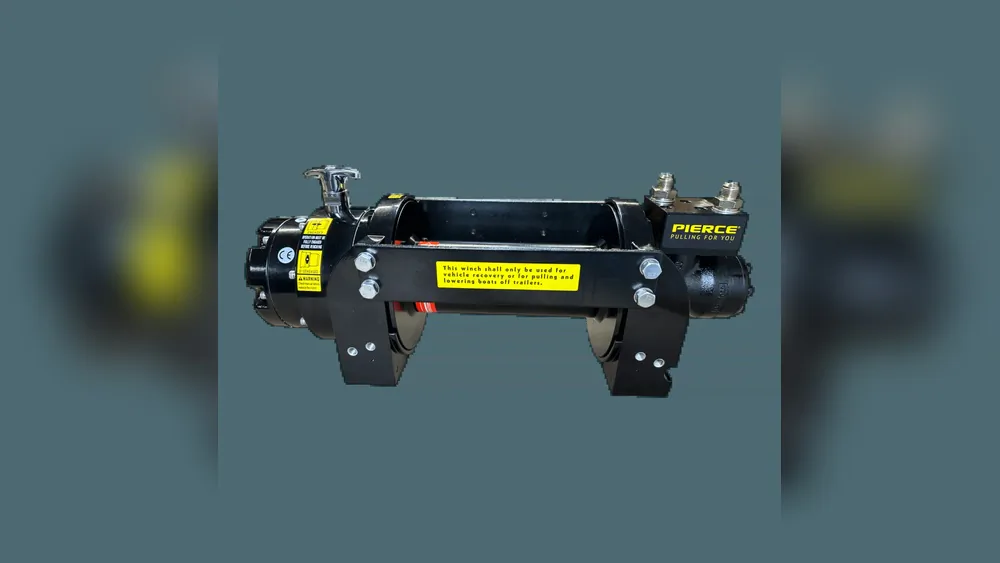
Before pulling a heavy load or rescuing a stuck vehicle, people often think about power and speed. But winch safety checks before use are just as important—maybe even more. A winch is a strong tool, but it can be dangerous if ignored or not inspected properly. Accidents happen fast when cables snap, anchors fail, or controls malfunction. A few minutes spent checking your winch can save time, money, and prevent injury. Whether you work with utility trucks, off-road vehicles, boats, or industrial machines, clear safety routines matter every single time.
Why Winch Safety Checks Matter
Every year, winch-related accidents cause injuries and even deaths. According to the U. S. Bureau of Labor Statistics, winch accidents are often linked to equipment failure or lack of inspection. The forces involved can be enormous—a steel cable under tension can cut through flesh or metal if it breaks.
Even a small mistake, like a loose hook, can cause the load to drop or swing. Careful safety checks protect not only you but also bystanders, vehicles, and property.
Pre-use Winch Inspection: The Complete Checklist
A winch has many parts, and each one can fail if not maintained. Here’s a detailed step-by-step guide for winch safety checks before use.
1. Visual Inspection
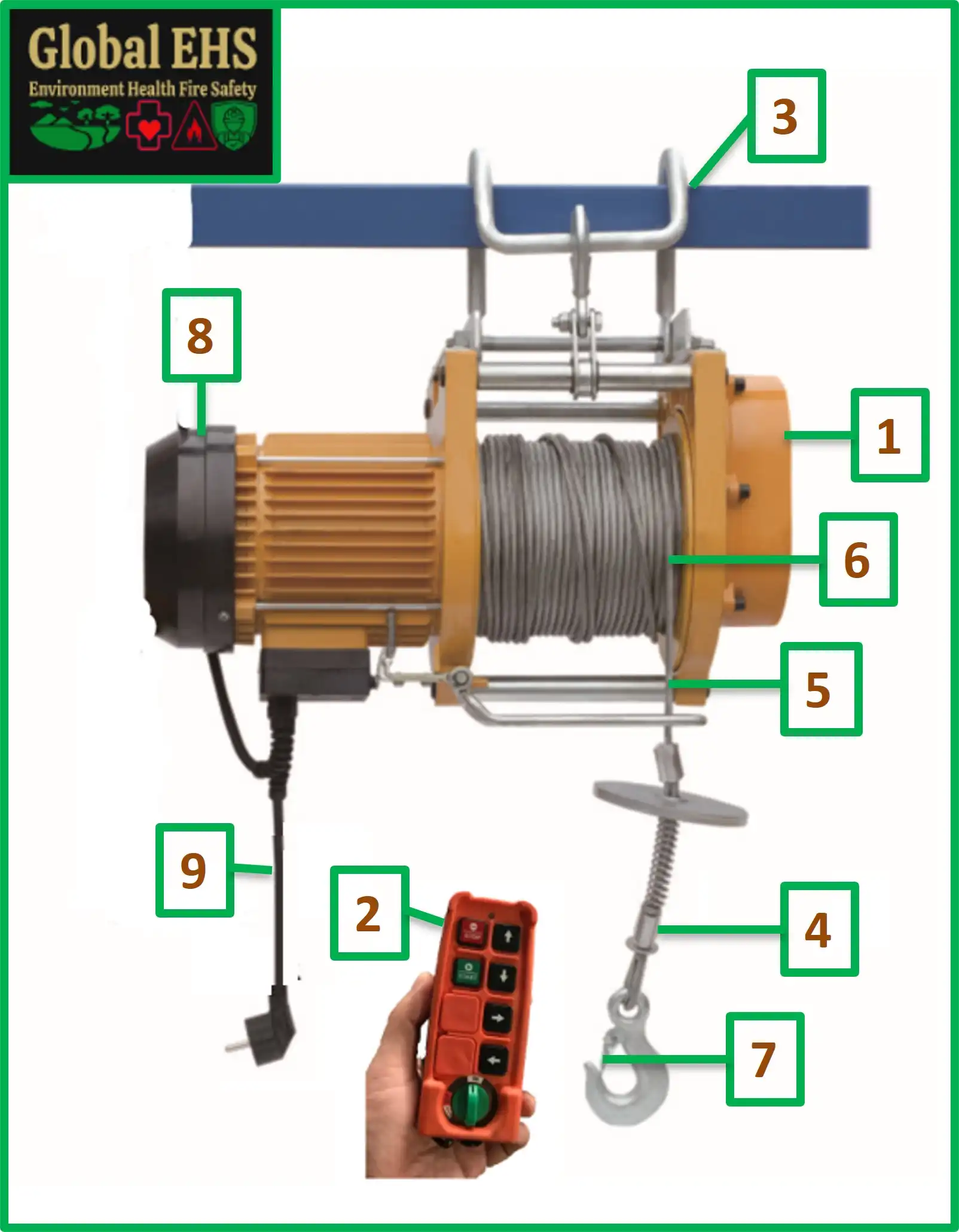
Look for visible damage like cracked housings, bent hooks, or missing bolts. Check the winch body, mounting plate, and all accessories. Dirt, rust, or oil leaks can signal deeper problems. If anything looks wrong, stop and investigate before use.
2. Cable Or Rope Condition
A damaged cable or synthetic rope is a major hazard. Run your gloved hand along the line and look for:
- Kinks
- Frays
- Broken wires (for steel)
- Abrasion or cuts (for synthetic)
- Corrosion
Replace the cable if you see serious wear. Don’t try to “make it work”—a broken cable can whip back with deadly force.
3. Drum And Fairlead
The winch drum should turn smoothly and hold the cable in neat, tight rows. The fairlead (the guide at the front) should be free of sharp edges or deep grooves. These can damage the cable quickly, especially under heavy loads.
4. Hook And Safety Latch
Inspect the hook for cracks, bends, or deformation. The safety latch must spring back and close securely. Never use a hook with a missing or weak latch—loads can slip out unexpectedly.
5. Mounting Bolts And Brackets
Loose or missing bolts are a common cause of winch failure. Use a wrench to check that all mounting bolts are tight. Look for cracks or rust around the brackets and the vehicle frame.
6. Electrical Connections
For electric winches, check the battery terminals and all wiring. Look for:
- Corrosion
- Frayed wires
- Loose connections
A poor connection can cause the winch to stall or spark. For hydraulic winches, inspect hoses for leaks or cracks.
7. Remote Control And Switches
Test the remote control and all switches before attaching a load. Make sure:
- The in and out functions work correctly
- The cord or wireless unit is not damaged
- The stop button (if present) works instantly
Never use a winch with a faulty remote.
8. Brake And Clutch Function
The brake should hold the load when the motor stops. The clutch must engage and disengage smoothly. Test both by running the winch without a load first.
9. Anchor Points
Check your recovery points or anchor hooks on the vehicle and the object being pulled. They must be rated for the load and free of cracks or rust.
10. Winch Accessories
Inspect all snatch blocks, tree straps, and shackles for damage. Use only certified gear with a known working load limit (WLL).
11. Personal Protective Equipment (ppe)
Never skip gloves, safety glasses, and sturdy boots. A winch line can easily pinch or cut hands, and snapped lines can send debris flying.
12. Load Rating And Limits
Know your winch’s maximum rated load. Never exceed it, even if the job looks easy. Overloading is a top cause of winch failure.
Real-world Examples: The Impact Of Skipping Safety Checks
Consider a recovery operation where a steel cable was not checked for frays. Midway through the pull, the cable snapped, damaging the vehicle and narrowly missing two people. In another case, a loose mounting bolt caused the winch to rip off its bracket under stress, destroying both the winch and the bumper.
Regular checks could have prevented both incidents.
Common Mistakes To Avoid
Even experienced users make errors. Here are two mistakes beginners often overlook:
- Ignoring the Winch Line Under Tension: Many users forget how much force is stored in a stretched cable. Never stand near or step over a loaded winch line. Always use a winch damper (a heavy blanket or mat) to reduce snapback if the line breaks.
- Assuming All Accessories Are Safe: People often mix old shackles, cheap straps, or untested recovery points. Only use rated, undamaged gear. Mixing brands or using unknown equipment is risky.

Credit: www.ezwheeler.com
Data On Winch Failures
Here’s a comparison of the most common winch failures and their root causes based on a 2021 safety survey:
| Failure Type | Percentage of Accidents | Common Cause |
|---|---|---|
| Cable/Rope Snap | 40% | Damaged line or overloading |
| Mounting Failure | 25% | Loose bolts or weak frame |
| Electrical Issue | 20% | Corroded or loose wires |
| Control Failure | 10% | Broken remote or buttons |
| Accessory Failure | 5% | Cheap or damaged gear |
As you can see, most problems come from basic maintenance mistakes.
Step-by-step: How To Perform A Safe Winch Check
Here’s a practical approach for any user:
- Wear gloves and eye protection
- Visually inspect the entire winch and line
- Check mounting hardware with a wrench
- Inspect all electrical or hydraulic connections
- Test remote controls and safety switches
- Run the winch “in” and “out” with no load to check function
- Inspect all accessories to be used
- Double-check anchor and recovery points
- Confirm load rating is not exceeded
This routine takes less than 10 minutes but can prevent hours of trouble.
Credit: globalehs.co.in
Quick Comparison: Steel Cable Vs. Synthetic Rope Safety
Choosing the right winch line is a safety decision. Here’s how they compare:
| Feature | Steel Cable | Synthetic Rope |
|---|---|---|
| Strength | Very high | High (lighter weight) |
| Safety if snapped | Whiplash risk | Less whiplash |
| Maintenance | Rusts, needs oil | Can fray, UV damage |
| Glove use | Essential | Still recommended |
| Cost | Lower | Higher |
Both types need regular inspection. Don’t assume synthetic rope is “safer”—it can still fail if damaged.
Maintenance Routine For Long-term Safety
Winch safety is not a one-time task. Build these habits for every use:
- Clean your winch after each job, especially after mud or water exposure.
- Lubricate moving parts as recommended by the manufacturer.
- Store your remote and accessories in a dry, safe place.
- Replace any part that shows significant wear or damage.
- Log each inspection and any repairs in a notebook or digital file.
Routine upkeep means fewer surprises on the trail or jobsite.
When To Call A Professional
Some issues are too complex or risky for DIY fixes. Contact a professional if you notice:
- Cracked winch housing or severe mechanical damage
- Malfunctioning electrical systems after troubleshooting
- Unusual noises or vibrations during use
- Repeated clutch or brake failures
A certified technician can perform repairs and help you avoid future breakdowns.
Training And Certifications
Proper training saves lives. Many workplaces now require winch operation certification. Courses teach safe load calculation, equipment checks, and emergency response. Even for personal use, watch videos or read manuals from trusted sources like the manufacturer or the OSHA.

Credit: fleetrabbit.com
Hidden Dangers Beginners Miss
Two often-overlooked issues:
- Cable Layering: If the cable is not wound tightly and evenly on the drum, it can dig into itself and jam under load. Always rewind slowly and under tension.
- Weather Effects: Cold, wet, or icy conditions can make winch parts brittle or slippery. Take extra time to check for hidden rust, ice buildup, or stuck components.
Frequently Asked Questions
What Ppe Should I Always Wear When Using A Winch?
Always wear heavy-duty gloves to protect your hands from sharp wires and a snapped line. Use safety glasses to shield your eyes from flying debris. Sturdy boots are important to protect your feet in case equipment drops or slips.
How Often Should I Inspect My Winch?
Check your winch before every use. Do a full inspection at least once a month if you use it rarely, and more often if it’s used in harsh conditions like mud, water, or salt.
Can I Repair A Frayed Winch Cable Myself?
It’s safer to replace a frayed cable. Temporary fixes are risky and not recommended. A damaged cable can fail without warning, causing serious injury or equipment damage.
What Are Signs My Winch Motor Is Failing?
Watch for slow or uneven pulling, strange noises, a burning smell, or the motor overheating. These can mean electrical problems or worn internal parts. Stop use immediately and consult a professional.
Why Do I Need A Winch Damper?
A winch damper (or heavy blanket) placed over the winch line reduces the snapback force if the line breaks. This protects people and property from injury or damage.
Taking winch safety seriously isn’t just about following rules—it’s about protecting yourself and everyone around you. These simple checks and good habits make every pull safer, smoother, and more reliable. Don’t rush or skip steps. A well-maintained winch is your best friend in tough situations.
Stay alert, inspect carefully, and you’ll avoid most problems before they even start.
Related posts
 Why You Should Use a Foam Cannon for Car Washing: Ultimate Guide
Washing your car is more than just making it look good. It protects the paint, keeps the value high, and makes driving feel better. But if…
 How to Clean Leather Seats Without Damaging Them: Expert Tips
Keeping your leather seats clean can be a challenge. Leather looks beautiful and feels luxurious, but it needs special care. Many people worry about damaging their…
 Why Using a Ceramic Coating Spray is Important for Your Car’s Shine
If you care about your car’s appearance and value, you probably wash and wax it regularly. But did you know there’s a better way to protect…