
What are the Best Practices for Using Winches And Snatch Blocks? Expert Tips
When you drive off-road, help someone stuck in mud, or move heavy objects, using winches and snatch blocks can make the job safer and easier. But these tools are powerful — if used incorrectly, they can break, cause injury, or damage your vehicle. Knowing the best practices is not just smart; it’s essential for safety and efficiency. Many beginners focus only on the basics, but the real difference comes from understanding details that most miss. This guide will show you everything you need to use winches and snatch blocks with confidence.
Understanding Winches And Snatch Blocks
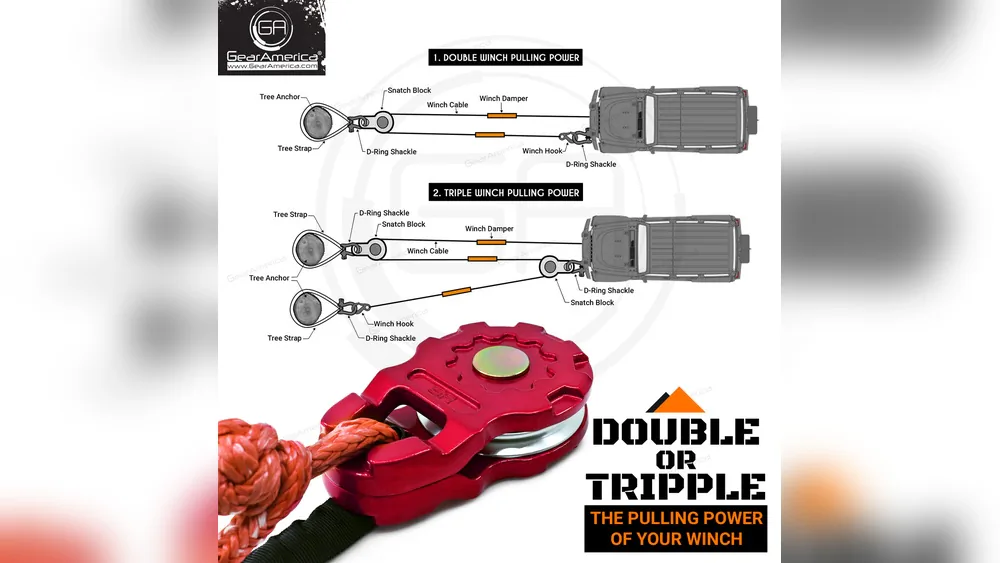
Before you start, it helps to know what these tools are and why they work well together. A winch is a motor-powered device that pulls in or lets out a strong cable or rope. People use winches for vehicle recovery, towing, and lifting. A snatch block is a type of pulley made to change the direction of a winch cable or double the pulling power. By adding a snatch block, you can pull heavier loads or rescue vehicles stuck in tough places.
One thing beginners often overlook: Not all winches and snatch blocks are made for the same jobs. Each has a rated capacity. Always check the specs before using them.
Choosing The Right Equipment
Selecting the correct winch and snatch block is the foundation of safe recovery. Here’s what matters most:
- Weight Rating: Your winch must be rated for at least 1.5 times your vehicle’s weight. For example, if your SUV weighs 2,500 kg, choose a winch rated for at least 3,750 kg.
- Snatch Block Rating: Match or exceed your winch’s pulling power. If your winch pulls 5,000 kg, your snatch block should handle at least 5,000 kg.
- Cable Type: Steel cables are strong but heavy and can snap dangerously. Synthetic ropes are lighter and safer, but need more care.
- Quality Shackles: Use bow shackles or D-shackles with matching ratings. Weak shackles are a common failure point.
- Anchor Points: Always check that your anchor point (such as a tree or recovery point on a vehicle) is secure and strong.
People often use the wrong snatch block size or a cheap, untested shackle. This is risky. Always invest in quality gear tested for your vehicle’s weight.

Credit: www.gearamerica.com
Inspecting Gear Before Use
Even the best equipment can fail if not checked often. Before every recovery:
- Look for cable frays, kinks, or rust.
- Check snatch block pulleys for cracks or warping.
- Test shackles and hooks for bent or damaged pins.
- Spin the snatch block wheel to ensure it moves freely.
A surprising fact: Over 30% of winching accidents come from damaged or poorly maintained gear. Five minutes of checking can prevent serious problems.
Setting Up Safely: Step-by-step
1. Plan Your Pull
Before attaching anything, decide where you want to move the stuck vehicle. Look for the straightest, safest path. Avoid sharp angles, as these add stress to the cable and tools.
2. Secure The Anchor
Find a strong anchor — a tree, boulder, or another vehicle. If using a tree, always protect it with a tree saver strap. This spreads the force and prevents damaging the tree.
3. Attach The Snatch Block
Open the snatch block and thread the winch cable through the pulley. Close the block and make sure it’s locked. Connect the snatch block to your anchor with a rated shackle.
4. Set Up The Winch Line
Pull the winch line toward the stuck vehicle. If doubling the line (to increase pulling power), run the cable from the winch to the snatch block and back to a recovery point on your vehicle.
5. Add Safety Equipment
Place a winch line dampener (a heavy blanket or purpose-made bag) over the cable. If the line snaps, this will slow it down and reduce the risk of injury.
6. Check Everything Again
Before starting, walk through your setup. Make sure all pins are tight, cables are straight, and the snatch block is aligned with the pull.
Here’s a quick comparison of basic vs. advanced setup using a snatch block:
| Step | Basic Winching | With Snatch Block |
|---|---|---|
| Line Direction | Straight pull | Can change direction |
| Pulling Power | Single line (full winch force) | Double line (more power) |
| Complexity | Simple | Needs extra gear and setup |
Best Practices For Winching
Use Slow And Steady Control
Operate your winch in short bursts, never full throttle. Fast winching can overheat the motor and snap cables. Give the winch a rest every few minutes to cool down, especially during heavy pulls.
Keep Hands And Body Clear
Never stand near the winch cable or snatch block during operation. If something breaks, the cable can whip with deadly force. Always control the winch with the remote from a safe distance.
Watch The Cable Angle
The best winching angle is straight in line with the drum. Using a snatch block, you can change the direction, but don’t create sharp bends. Too much angle increases cable wear and risk of failure.
Avoid Cable Overlap
Make sure the cable winds evenly on the drum. Crossed or bunched cable can cause jamming or damage. If possible, use a winch line guide or have someone help guide the cable.
Stay Under The Weight Limit
Never try to pull more than your winch or snatch block’s rated capacity. Overloading can cause sudden, dangerous failures. If the load is too heavy, use extra snatch blocks or get a bigger winch.
Best Practices For Using Snatch Blocks
Choose The Right Pulley Size
The pulley in the snatch block must fit your cable size. If it’s too small, the cable can kink or break. Check the manufacturer’s recommendations for cable diameter.
Lubricate The Pulley
A smooth-moving pulley reduces friction and makes the pull easier. Use a small amount of grease on the axle, but avoid getting oil on the cable.
Watch For Twisting
Make sure the snatch block stays in line with the pull. If it twists sideways, it can pinch the cable or put extra force on the block.
Double-check The Lock
Many beginners forget to close and lock the snatch block fully. An open or loose block can fail under load. Always check the latch or pin is secure.
Remove After Use
Don’t leave the snatch block on the cable when done. It’s heavy and can bounce around, damaging your gear or vehicle.
Here’s a comparison of snatch block use vs. not using one:
| Scenario | With Snatch Block | Without Snatch Block |
|---|---|---|
| Pulley Direction | Can adjust pull angle | Fixed straight line |
| Load on Winch | Reduced by half | Full load |
| Setup Time | Longer | Shorter |
Safety Precautions To Always Follow
- Wear gloves when handling cables to protect from cuts.
- Clear the area before winching — keep bystanders at least 1.5 times the length of the extended cable away.
- Never step over a tensioned winch line.
- Use a winch line dampener every time.
- Avoid sudden jerks or shock loads.
- If something doesn’t look or feel right, stop and check.
An often-missed tip: Watch for cable stacking on one side of the winch drum. This can happen if you pull at an angle for too long. Unspool and rewind the cable evenly when safe.
Mistakes To Avoid
- Using the wrong rated equipment. Always use gear strong enough for your vehicle and load.
- Skipping gear checks. Even new gear can have defects or damage.
- Not using a line dampener. A snapped cable is one of the most dangerous hazards.
- Standing in the danger zone. Always keep distance and never let anyone near the cable under load.
- Ignoring cable stacking. This can crush and weaken the inner layers of the winch cable.
- Forgetting to lubricate the snatch block. Friction makes the job harder and wears out gear.
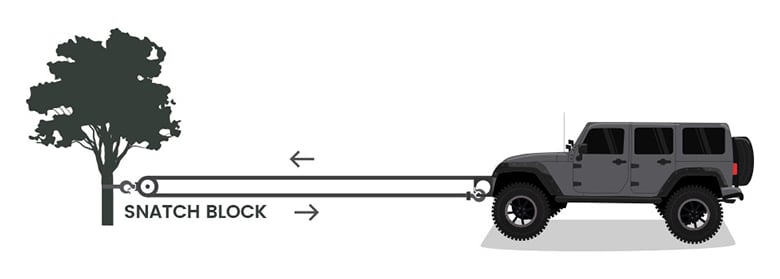
Credit: www.itstactical.com
Real-world Example
Imagine your 4×4 is stuck in deep mud. The winch alone isn’t strong enough to pull you out, so you use a snatch block attached to a tree. By running the cable through the block and back to your vehicle, you double the pulling power.
Because the tree isn’t straight in front of your vehicle, the snatch block also lets you change the pull direction for a smoother recovery. This setup, done correctly, gets your vehicle out safely while protecting the tree and your gear.
Maintenance Tips For Long Gear Life
- Clean winch cables and snatch blocks after use, especially if exposed to mud or salt water.
- Store gear dry to prevent rust.
- Check lubrication on snatch block pulleys every few uses.
- Inspect for wear and replace cables or blocks that show damage.
- Keep a log of maintenance, especially for frequent off-roaders.
A small effort in maintenance can add years to your winch and snatch block’s life and reduce the risk of failure.

Credit: www.youtube.com
Advanced Techniques
Multi-snatch Block Pulls
For extremely heavy recoveries, you can use two or more snatch blocks. This further increases pulling power and reduces the strain on each piece of equipment. However, every extra block adds complexity and more points of failure. Only try multi-block setups if you fully understand the forces involved and have experience.
Angled Pulls
When you can’t pull straight, a snatch block lets you create a “redirect.” This is useful for winching around obstacles, but remember: every angle adds stress. Try to keep angles as wide (open) as possible and avoid sharp turns.
Here’s a quick view of single vs. multi-block setups:
| Setup Type | Pulley Power | Complexity | Common Use |
|---|---|---|---|
| Single Snatch Block | 2x pulling power | Simple | Vehicle stuck, moderate load |
| Double Snatch Block | 3-4x pulling power | Advanced | Extreme recoveries, heavy loads |
Training And Resources
If you’re serious about off-road recovery, take a recovery training course. Hands-on learning with experts gives you skills that are hard to get from reading alone. You’ll learn how to use advanced setups, judge anchor points, and handle emergencies. Many off-road clubs and organizations offer classes. For more information on safe recovery practices, check out the International 4-Wheel Drive Trainers’ Association.
Frequently Asked Questions
What Is The Main Purpose Of A Snatch Block?
A snatch block is a pulley that lets you change the direction of a winch cable or double its pulling power. It’s commonly used in vehicle recovery and heavy lifting.
How Do I Know If My Snatch Block Is Strong Enough?
Check the working load limit (WLL) stamped on the block. It should be equal to or greater than the maximum pull of your winch. If your winch pulls 5,000 kg, your snatch block should be rated for at least 5,000 kg.
Can I Use A Snatch Block With Synthetic Rope?
Yes. Most snatch blocks work with both synthetic rope and steel cable, but check the pulley groove for sharp edges that could cut the rope. Some blocks are made specifically for synthetic lines.
How Often Should I Replace My Winch Cable?
Replace your winch cable if you see kinks, broken wires, heavy rust, or fraying. For heavy users, check after every few uses. If you use your winch rarely, inspect before each use.
Do I Need To Use A Winch Line Dampener Every Time?
Yes. A winch line dampener reduces the force if the cable snaps. It’s a simple step that can prevent serious injury or damage.
Using winches and snatch blocks the right way is about more than just hooking things up and pulling. Attention to detail, proper gear checks, and smart planning make all the difference. With these best practices, you’ll recover vehicles safely and protect your equipment for years to come.
Related posts
 Why You Should Use a Foam Cannon for Car Washing: Ultimate Guide
Washing your car is more than just making it look good. It protects the paint, keeps the value high, and makes driving feel better. But if…
 How to Clean Leather Seats Without Damaging Them: Expert Tips
Keeping your leather seats clean can be a challenge. Leather looks beautiful and feels luxurious, but it needs special care. Many people worry about damaging their…
 Why Using a Ceramic Coating Spray is Important for Your Car’s Shine
If you care about your car’s appearance and value, you probably wash and wax it regularly. But did you know there’s a better way to protect…