
Using Winch Recovery Rings for Heavy-Duty Off-Road Vehicles Safely
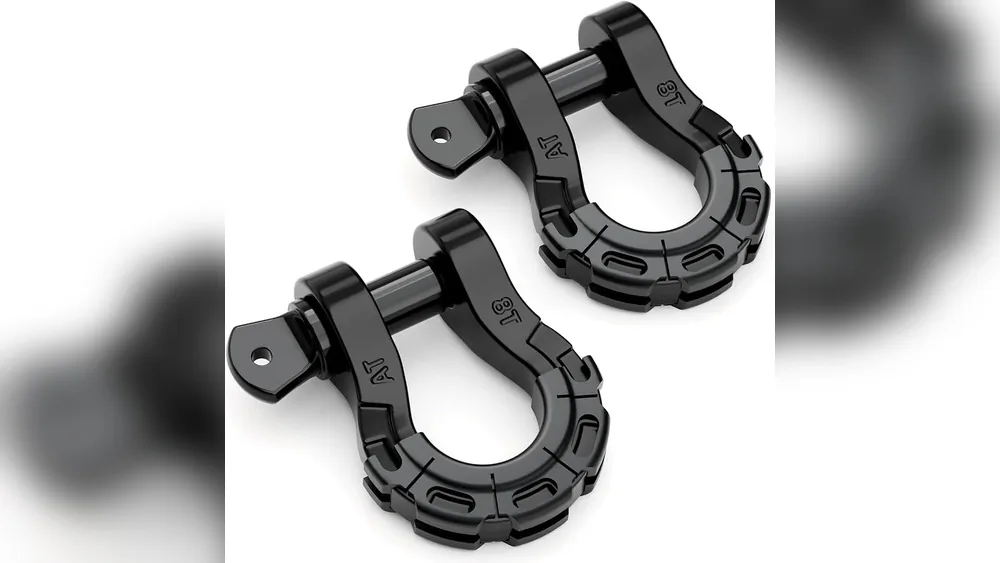
Using Winch Recovery Rings For Heavy-duty Off-road Vehicles
Tough terrains and unexpected obstacles are part of every serious off-road adventure. When a heavy-duty vehicle gets stuck in mud, sand, or over rocks, recovery equipment can make the difference between a quick rescue and a long, exhausting struggle. In recent years, winch recovery rings have changed the way many off-roaders handle difficult recoveries. These small, strong tools offer a modern solution that is lighter, safer, and often more effective than traditional snatch blocks. If you drive a heavy-duty 4×4, truck, or expedition vehicle, learning about winch recovery rings can help you recover safely and efficiently.
What Are Winch Recovery Rings?
A winch recovery ring is a compact, round metal device used to change the direction of a winch line during vehicle recovery. Unlike bulky snatch blocks, recovery rings are designed to work with synthetic winch ropes. They are simple, with no moving parts, and typically made from lightweight but strong materials like aluminum alloy.
You thread the winch rope around the smooth inner surface of the ring, and use a soft shackle or rope to attach it to a recovery point. This creates a safe and low-friction redirection for the winch line, often called a “redirect” or “doubler” in recovery setups.
Why Use Winch Recovery Rings?
Lightweight And Portable
Traditional snatch blocks are heavy. A steel snatch block for heavy-duty vehicles can weigh over 4 kg (9 lbs). In comparison, a typical winch recovery ring weighs about 400-700 grams (1-1. 5 lbs). For anyone packing recovery gear, weight savings matter—especially on long expeditions.
Simpler And Safer
Recovery rings have no moving parts. This means there are fewer points of failure, less chance of mechanical failure, and easier cleaning after muddy recoveries. When used with synthetic winch lines and soft shackles, the recovery system is less likely to cause dangerous projectiles if something breaks. This makes them safer for both the operator and bystanders.
High Strength
Modern winch rings are engineered for strength. Many are rated for working loads of 10-20 tons or more, which is enough for most heavy-duty off-road vehicles. The strength-to-weight ratio is impressive compared to older hardware.
Versatility
A recovery ring can be used in many ways:
- Double line pulls to increase winch power
- Redirecting winch lines around obstacles
- Multiple vehicle recoveries
- Complex rigging setups

Credit: www.walmart.com
How Winch Recovery Rings Work
The core idea is simple: the winch rope passes around the smooth channel of the ring, which reduces friction and prevents damage to the rope. The ring is anchored to a strong point, usually with a soft shackle.
Here’s a basic step-by-step example:
- Anchor the winch recovery ring to a solid recovery point using a soft shackle.
- Run the winch line through the ring.
- Operate the winch. The ring acts as a pulley, allowing the line to change direction or double back.
Unlike mechanical pulleys, recovery rings rely on the rope sliding around the curved, smooth surface, so they only work with synthetic winch lines, not wire cables.
Key Features To Consider When Choosing A Recovery Ring
Not all winch recovery rings are the same. If you’re outfitting a heavy-duty off-road vehicle, look for these critical factors:
Material And Build Quality
The best rings use CNC-machined aluminum or other high-strength alloys. The finish should be smooth and free from sharp edges to protect the winch rope. Avoid cheap, rough-cast rings—they can damage your line and fail under heavy loads.
Working Load Limit (wll)
Check the WLL rating. For heavy-duty vehicles (over 2,500 kg), choose a ring with a working load limit at least double your vehicle’s weight. Many quality rings offer a 10,000 kg (22,000 lbs) or higher rating.
Size And Rope Compatibility
Recovery rings come in different sizes. Large-diameter rings spread the load and reduce friction, but are bulkier. Make sure the ring you choose matches the diameter of your synthetic rope (common sizes: 8mm, 10mm, 12mm).
Weight
Choose a ring that’s light enough to carry, but not so thin that it compromises strength. Most high-quality rings weigh between 400g and 900g.
Finish And Coating
A hard-anodized finish resists corrosion and wear. This is important for off-road environments where dirt, grit, and moisture are common.
Here’s a quick comparison of some typical recovery ring specifications:
| Feature | Entry-Level Ring | Heavy-Duty Ring |
|---|---|---|
| Material | Aluminum Alloy | Forged Aluminum |
| WLL | 8,000 kg | 20,000 kg |
| Rope Size | 8-10mm | 10-14mm |
| Weight | 400g | 850g |
| Finish | Powder Coated | Hard Anodized |
How To Use A Winch Recovery Ring: Step-by-step
Proper use is essential for safety. Here’s how to set up a winch recovery ring for a heavy-duty vehicle recovery:
- Choose a Secure Anchor Point: This could be a tree, rock, or another vehicle. Use a tree saver strap if anchoring to a tree to prevent damage.
- Attach the Soft Shackle: Pass the soft shackle through the anchor point and the hole in the recovery ring. Fasten securely.
- Thread the Winch Rope: Take the synthetic winch rope and place it in the groove of the ring. Make sure it sits evenly.
- Check All Connections: Ensure the shackle and ring are secure, and the winch line is not twisted or pinched.
- Operate the Winch: Slowly pull in the winch. Keep clear of the rope and hardware during operation.
- Monitor the Setup: Watch for any movement, abnormal sounds, or shifting. Pause to check everything if the pull is long or difficult.
- Finish Safely: Once the vehicle is free, unwind the setup and inspect all gear for wear or damage.
Many beginners forget to inspect the rope and shackle after each use. Any signs of fraying or wear should be addressed before the next recovery.
Real-world Example: Heavy-duty Recovery Scenario
Imagine a 4×4 truck (weighing 3,500 kg) is stuck in deep mud. The winch alone can pull 5,500 kg, but the mud’s suction adds extra resistance. Using a winch recovery ring, you can double the line back to the vehicle, effectively doubling the pulling power.
This setup allows the winch to move the truck slowly and safely, reducing the chance of equipment failure.
During a recovery like this, using a snatch block would add 3-5 kg to your gear load. With a recovery ring, you achieve the same mechanical advantage for less than 1 kg in weight, and the setup is much faster.
Winch Recovery Rings Vs. Snatch Blocks
Many off-roaders still use snatch blocks. So how do the two compare?
| Feature | Winch Recovery Ring | Snatch Block |
|---|---|---|
| Weight | 400-900g | 3,000-5,000g |
| Ease of Use | Simple, Quick | More Steps |
| Works with | Synthetic Rope Only | Synthetic or Steel Cable |
| Maintenance | Minimal | Needs Lubrication |
| Durability | High (Few Parts) | Good (Can Wear Out) |
| Cost | Moderate | Moderate |
Recovery rings win on simplicity and weight, but snatch blocks work with steel cables and can sometimes handle higher loads. For most modern off-roaders using synthetic rope, recovery rings are the better choice.
Common Mistakes To Avoid
- Using with Steel Cable: Recovery rings are designed for synthetic rope only. Steel cable can damage the ring and itself.
- Overloading: Always check the WLL. Don’t use a recovery ring rated below your vehicle’s recovery needs.
- Improper Anchoring: Weak anchor points can fail under load, risking injury.
- Ignoring Rope Condition: A dirty or frayed rope can slip or break under tension.
- Standing in the Line of Pull: Always stay clear of the winch rope and recovery gear during operation.
Many beginners also forget that mud and sand can increase the load on a winch line by 50% or more. Always give yourself a safety margin.
Maintenance And Care
Even though winch recovery rings are tough, they need some basic care:
- Clean after use: Grit and mud can damage both the ring and synthetic rope.
- Inspect regularly: Look for scratches, grooves, or sharp edges.
- Store dry: Keep rings in a dry bag to avoid corrosion.
- Avoid dropping: Hard impacts can create hidden cracks.
Replace any ring that shows deep scratches or nicks. A damaged ring can cut synthetic rope under load.
Advanced Tips For Heavy-duty Setups
- Multiple Rings for Complex Pulls: In challenging recoveries, use two or more rings to create redirects or even triple-line pulls. This helps when space is limited or obstacles block a direct path.
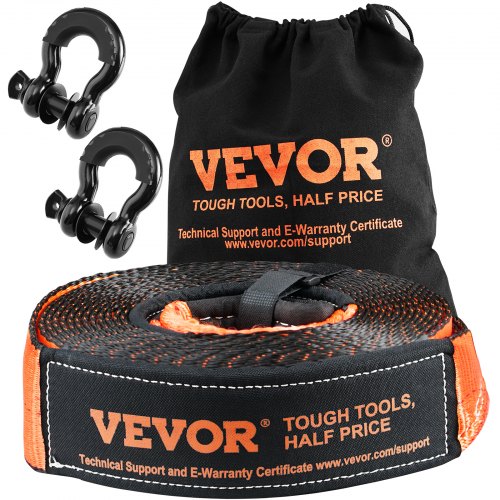
- Combine with Soft Shackles: Soft shackles are lighter and safer than steel bow shackles. They reduce the risk of “flying metal” in case of failure.
- Pre-Rig Before Trouble: When entering risky terrain, pre-rig your recovery ring and rope so it’s ready to deploy quickly.
- Learn Basic Rigging Theory: Understand load distribution, anchor strength, and rope angle effects. Simple mistakes in rigging can double the load on a single anchor.
- Carry Spares: Bring an extra ring and shackles. If one fails or is lost in mud, you can keep going.
A surprising insight: Many recoveries that damage vehicles or gear happen because of poor preparation, not hardware failure. Taking time to learn and practice with your equipment reduces risk.
Credit: www.vevor.co.uk
When Not To Use Winch Recovery Rings
- With wire winch cable: Only synthetic rope is safe.
- On sharp or rough anchors: If the anchor point can cut the shackle or ring, use a protective sleeve or a different method.
- When the ring is damaged: Small cracks or sharp edges can destroy synthetic rope quickly.
Real-world Feedback And Data
Off-road communities often share recovery stories. In surveys, more than 70% of modern expedition drivers prefer recovery rings over snatch blocks for daily use. Most report faster setup, less gear weight, and easier cleaning. However, older steel winch cables are still common in industrial vehicles, where snatch blocks remain the standard.
A 2023 field test by Overland Journal compared recovery times. Teams using recovery rings completed double-line pulls 30% faster on average, with fewer setup errors and less operator fatigue.
For more technical details, the Winch Wikipedia entry covers types of winching hardware and safety.

Credit: www.amazon.com
Frequently Asked Questions
Can I Use A Winch Recovery Ring With A Steel Winch Cable?
No. Recovery rings are designed for synthetic winch ropes only. Steel cables are abrasive and can damage both the ring and the cable, creating a serious safety risk.
How Do I Know What Size Recovery Ring To Buy?
Match the diameter of your synthetic winch rope to the ring’s groove size. Most heavy-duty ropes are 10-12mm, so choose a ring that fits that size. Always check the working load limit too.
Is A Snatch Block Ever Better Than A Recovery Ring?
Snatch blocks are still useful if you use steel cable or need to handle extremely high loads above 20,000 kg. For most synthetic rope recoveries, rings are faster and lighter.
How Often Should I Inspect My Recovery Ring?
Inspect your ring after every use. Check for scratches, dents, or sharp edges. Clean off any mud or grit, and store it dry to prevent corrosion.
Are Winch Recovery Rings Legal Everywhere?
There are no specific laws banning recovery rings, but always check your local off-road and safety regulations. Some parks or competitions may have equipment rules, so review those before heading out.
—
Strong, lightweight, and easy to use, winch recovery rings are now a must-have for serious off-roaders with heavy-duty vehicles. With proper setup and care, they make recovery safer and faster, letting you tackle tough terrain with confidence. As always, practice before you need them, and respect the power of your winch gear—your safety depends on it.
Related posts
 Why You Should Use a Foam Cannon for Car Washing: Ultimate Guide
Washing your car is more than just making it look good. It protects the paint, keeps the value high, and makes driving feel better. But if…
 How to Clean Leather Seats Without Damaging Them: Expert Tips
Keeping your leather seats clean can be a challenge. Leather looks beautiful and feels luxurious, but it needs special care. Many people worry about damaging their…
 Why Using a Ceramic Coating Spray is Important for Your Car’s Shine
If you care about your car’s appearance and value, you probably wash and wax it regularly. But did you know there’s a better way to protect…