
Winch Gear for 4X4 Recovery Vehicles: Essential Off-Road Guide
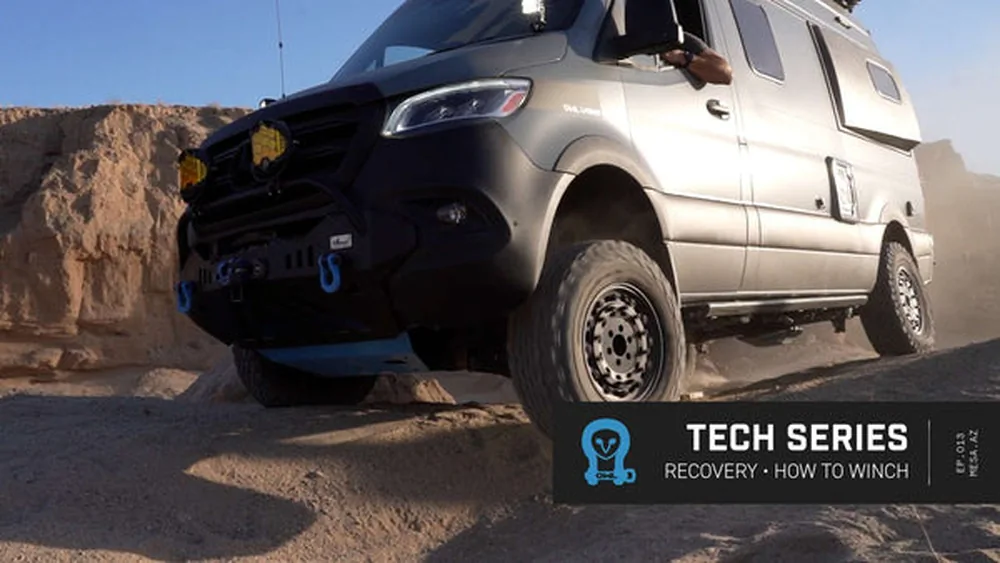
When you drive off-road, getting stuck is common. Mud, sand, or steep hills can leave your 4×4 recovery vehicle in trouble. That’s where a winch comes in. But having only a winch is not enough. The right winch gear makes recovery safe, fast, and reliable. Many beginners buy a winch and ignore the rest of the equipment, only to find out later they’re missing something important. This guide will explain the four essential pieces of winch gear every 4×4 recovery vehicle should carry, how to use them, and what makes each one necessary.
Essential Winch Gear For 4×4 Recovery Vehicles
Not all recovery situations are the same. Mud, rocks, and sand each need different approaches. The following four items are must-haves for effective and safe winching.
1. Winch Recovery Strap
A winch recovery strap is a strong, flexible webbing used to pull out stuck vehicles. Unlike steel cables, straps stretch a little. This stretch stores energy and helps pull the stuck vehicle free.
Most recovery straps are 2-3 inches wide and 20-30 feet long. They are rated for 10,000 to 30,000 pounds. Always choose a strap with a breaking strength at least three times your vehicle’s weight. For example, if your 4×4 weighs 5,000 pounds, get a strap rated for at least 15,000 pounds.
Many beginners confuse recovery straps with tow straps. The key difference: recovery straps stretch, but tow straps are not designed to stretch and can snap dangerously. Choose straps with reinforced loops at the ends for added safety.
2. Snatch Block
A snatch block is a heavy-duty pulley that changes the direction of the winch cable and doubles pulling power. It’s useful when you need to recover a heavier vehicle or when a straight pull is not possible.
To use a snatch block, open it, place the winch cable inside, and close it. Then attach the block to a recovery point like a tree or a solid vehicle anchor. This setup reduces the load on your winch, making tough recoveries possible.
Here’s how a snatch block can improve your recovery:
| Scenario | Without Snatch Block | With Snatch Block |
|---|---|---|
| Pulled Load | 5,000 lbs | 10,000 lbs |
| Winch Effort | 100% | 50% |
| Winch Heat Build-up | High | Lower |
Using a snatch block can also help you recover at an angle, which is often needed in forests or on rocky trails. It’s a tool many beginners forget, but it makes a big difference in real-world recoveries.
3. D-shackles (bow Shackles)
D-shackles, also called bow shackles, connect your winch gear to recovery points on vehicles, straps, or anchors. They are made from strong steel and shaped like a “D” or an arch. Always use rated shackles, not hardware-store versions. Rated shackles will have a Working Load Limit (WLL) stamped on them.
Most 4×4 recoveries use 3/4-inch shackles with a WLL of 4.75 tons (9,500 lbs). You should always use shackles that are stronger than your recovery strap rating.
Here’s a quick comparison of shackle sizes and ratings:
| Shackle Size | Working Load Limit | Common Use |
|---|---|---|
| 1/2 inch | 2 tons (4,000 lbs) | ATVs/Small SUVs |
| 3/4 inch | 4.75 tons (9,500 lbs) | 4×4 vehicles |
| 1 inch | 8.5 tons (17,000 lbs) | Heavy trucks |
A common mistake is cross-threading the pin or over-tightening it. After you tighten the pin, back it off a quarter turn. This makes it easier to remove after recovery, especially if the shackle twists under load.
4. Tree Trunk Protector
A tree trunk protector is a wide, strong strap used to anchor your winch cable to a tree without harming it. Many beginners wrap a cable directly around a tree, which can damage or even kill the tree. Proper tree trunk protectors are usually 3 inches wide and 6 to 10 feet long.
Here’s why you need a tree trunk protector:
- Prevents tree damage: Wide straps distribute force, protecting the bark.
- Safer for winching: Less chance of the cable slipping or cutting into wood.
- Improves anchor reliability: Trees are often the only available anchor point.
Always use the protector with a D-shackle to connect the winch cable or snatch block. Never use a recovery strap in place of a tree protector; recovery straps are designed to stretch, not anchor.
How To Choose Quality Winch Gear
Not all winch gear is created equal. Here are key factors to check before buying:
- Breaking strength: Look for gear rated at least three times your vehicle’s weight.
- Material: Choose synthetic or high-grade steel for durability.
- Certifications: Seek products with tested load ratings and clear labels.
- Brand reputation: Stick with trusted brands or check reviews for real-life performance.
It’s tempting to buy cheap gear, but failure during recovery can be dangerous. Spend a little more for safety and reliability.

Credit: www.outsideonline.com
Common Winch Gear Mistakes To Avoid
Many new off-roaders make these errors:
- Using the wrong strap: Mixing up tow straps and recovery straps can cause breakage.
- Ignoring rated shackles: Hardware store shackles are not safe for winching loads.
- Anchoring to weak points: Always attach to factory recovery points, not bumpers or axles.
- Neglecting tree protection: Directly wrapping cables around trees damages both the anchor and the gear.
- Skipping snatch blocks: Not carrying a snatch block limits your recovery options.
Knowing these pitfalls helps you plan better and avoid dangerous situations.
Practical Tips For Winch Gear Use
- Practice in a safe area before you need it for real. Learn how to connect all pieces together.
- Inspect gear regularly for fraying, rust, or damage.
- Store gear properly in a dry, secure bag inside your vehicle.
- Use gloves when handling winch cable to prevent injury.
Many experienced off-roaders also carry two sets of shackles and straps. This lets you help other vehicles or set up complex pulls.
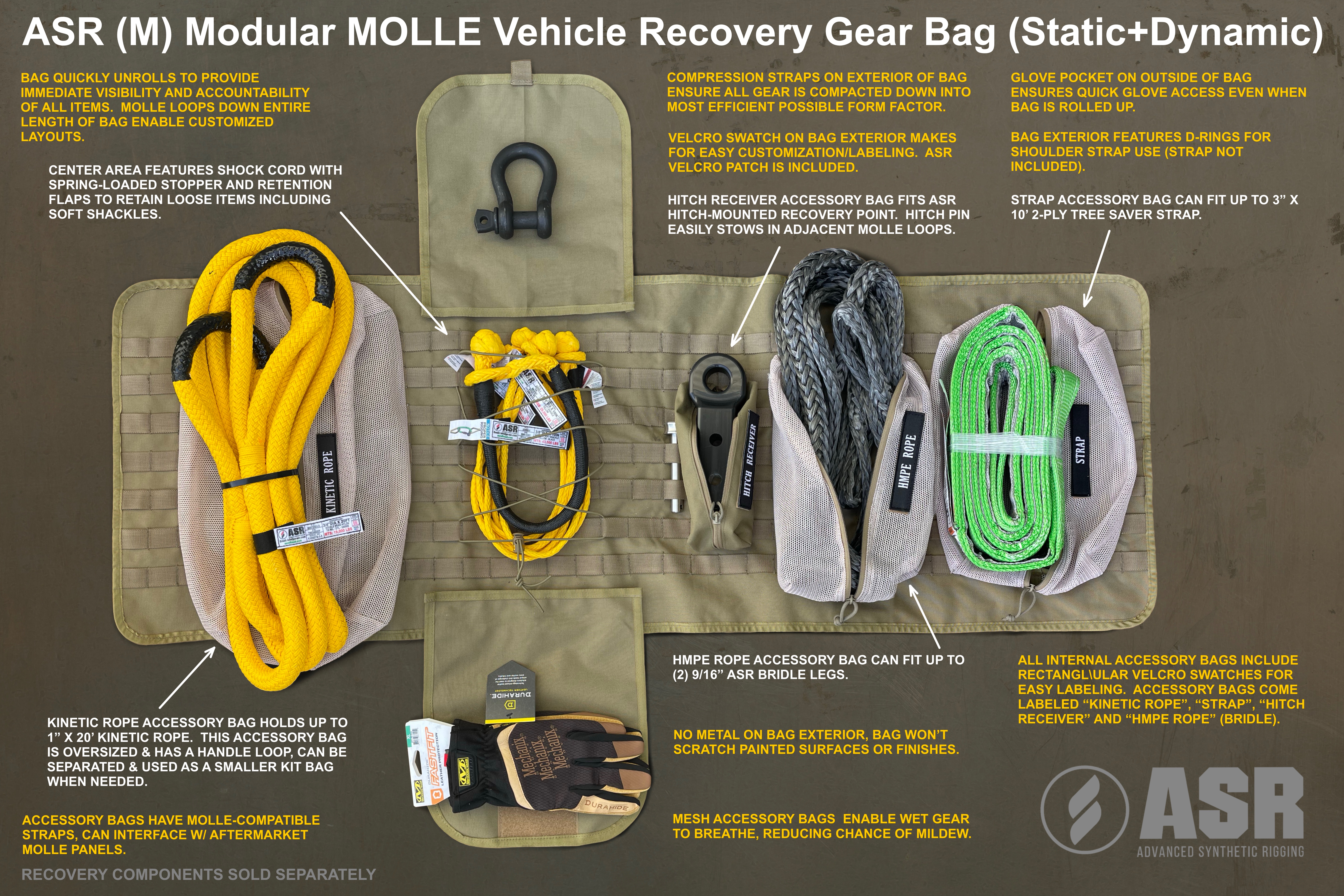
Credit: www.asroffroad.com
Frequently Asked Questions
What’s The Difference Between A Recovery Strap And A Tow Strap?
A recovery strap is designed to stretch and helps pull a stuck vehicle free. A tow strap does not stretch and is made for moving a free-rolling vehicle. Using the wrong one can lead to dangerous snaps.
Can I Use Synthetic Rope Instead Of A Steel Winch Cable?
Yes, synthetic rope is lighter, safer, and easier to handle than steel cable. It’s popular with modern 4×4 owners, but it needs more care to prevent abrasion.
How Do I Know If My Winch Gear Is Strong Enough?
Check the breaking strength or working load limit. Always use gear rated at least three times your vehicle’s weight. Labels and product info should clearly show these numbers.
Are All D-shackles Safe For Recovery?
No. Only use rated D-shackles with a stamped working load limit. Avoid cheap hardware-store shackles, which can fail under load and cause injuries.
Do I Really Need All Four Winch Gear Items?
Yes, each item has a unique job. Skipping one can make recovery difficult or unsafe. Professional guides and resources like the 4WD.com recommend carrying all four.
Having the right winch gear is not just about getting unstuck—it’s about doing it safely and efficiently. Equip your 4×4 with these four essentials, learn how to use them, and you’ll be ready for whatever the trail throws at you. A small investment in quality recovery gear can save you hours of struggle and keep your adventures safe for you, your friends, and the environment.
Related posts
 Why You Should Use a Foam Cannon for Car Washing: Ultimate Guide
Washing your car is more than just making it look good. It protects the paint, keeps the value high, and makes driving feel better. But if…
 How to Clean Leather Seats Without Damaging Them: Expert Tips
Keeping your leather seats clean can be a challenge. Leather looks beautiful and feels luxurious, but it needs special care. Many people worry about damaging their…
 Why Using a Ceramic Coating Spray is Important for Your Car’s Shine
If you care about your car’s appearance and value, you probably wash and wax it regularly. But did you know there’s a better way to protect…