Essential Winching Gear for Beginners: Must-Have Tools for Safety
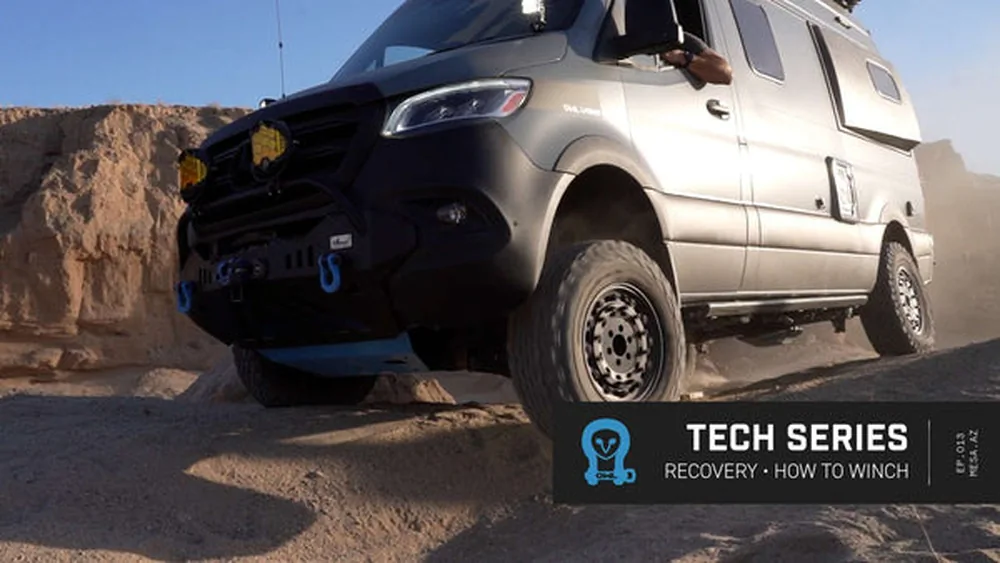
Winching is a valuable skill for off-roaders, overlanders, and anyone who drives in remote places. When you get stuck in mud, sand, or snow, a winch can be your best tool for self-recovery. But the winch itself is only one part of the system.
For safe and effective winching, you need the right gear—and beginners often overlook essential items. This guide covers the most important winching gear for beginners, with practical advice to help you choose wisely and avoid common mistakes.
Why Proper Winching Gear Matters
Using a winch without the right gear is risky. Winch cables can snap under tension, and anchors can fail. The right gear protects you, your vehicle, and bystanders. It also makes winching smoother and less stressful, especially when you’re learning.
Core Winching Gear Every Beginner Needs
Here are the essentials every beginner should have before heading off-road:
1. Winch Recovery Strap
A recovery strap (also called a tree saver) is used to attach your winch line to a recovery point, usually a tree or another vehicle. Straps rated for 15,000–30,000 lbs are best for most 4x4s. Look for straps with reinforced loops and avoid using tow straps, which stretch differently.
2. Snatch Block (pulley Block)
A snatch block doubles your winch’s pulling power and helps change the direction of the pull. For example, if you need to pull at an angle, a snatch block keeps the cable straight and reduces stress on the winch motor. Beginners often skip this, but it’s one of the most useful pieces of gear.
3. Winch Line Dampener
If a winch line breaks, it can whip dangerously. A winch line dampener absorbs energy and drops the line safely. This is often a weighted blanket or bag. Some people use a heavy jacket in emergencies, but a real dampener is safer and more reliable.
4. D-shackles (bow Shackles)
D-shackles connect the winch hook, straps, or snatch block to anchor points. Always use rated shackles, usually 3/4-inch with a working load limit (WLL) of 4.75 tons. Avoid cheap hardware-store shackles, which can fail under heavy loads.
5. Gloves
Winch cables, especially steel, can have sharp burrs. Heavy-duty gloves protect your hands from cuts, pinches, and burns. Leather is best for durability, but synthetic gloves work if they’re thick and reinforced.
6. Tree Trunk Protector
Using a tree trunk protector prevents damage to trees when anchoring. It’s a wide, flat strap (not a rope) that spreads the load and avoids cutting into bark. Responsible winching keeps trails open and protects the environment.
7. Recovery Damper Bag
Some dampers double as gear bags for carrying your recovery equipment. This keeps everything organized and easy to grab in an emergency.
8. Winch Line Extension
Sometimes the nearest anchor is too far. A winch line extension adds 20–30 feet of reach. Choose one with a rating similar to your main winch line.
9. Soft Shackles
Soft shackles are made of synthetic rope, and are lighter and easier to use than steel shackles. They’re strong, float in water, and don’t rust. They’re especially useful for connecting to vehicles without standard recovery points.
10. Shovel
A compact shovel helps dig out tires, clear mud, or build a ramp for your vehicle. Sometimes digging first means you won’t need to winch at all.
11. Recovery Boards
Recovery boards give your tires something to grip in sand, snow, or mud. They’re not just for winching—sometimes, they let you drive out without needing the winch at all.
12. Winch Cover
A winch cover protects your winch from dirt, water, and UV damage when not in use. This small investment can add years to your winch’s life.
13. Basic Tool Kit
Winching can put stress on your vehicle. Carry basic tools (wrenches, pliers, screwdriver) to fix minor issues before or after a recovery.
14. Rated Recovery Points
Your vehicle should have rated recovery points (front and rear). Never use tie-down hooks or bumpers not designed for winching—they can fail and cause injury.

Credit: www.asroffroad.com
Comparing Key Winching Gear
Winching gear is rated for strength, safety, and purpose. Here’s a quick comparison of three vital items:
| Gear | Typical Rating | Material | Best Use Case |
|---|---|---|---|
| Snatch Block | Up to 20,000 lbs | Steel/Aluminum | Double pulling power, redirect cable |
| Soft Shackle | Up to 30,000 lbs | Synthetic Rope | Lightweight connections, no metal |
| D-Shackle | Up to 19,000 lbs (3/4 inch) | Forged Steel | Strongest, for critical connections |
Common Beginner Mistakes
Many beginners buy a winch but skip important accessories. Here are two mistakes to avoid:
- Ignoring ratings: Always match your gear’s ratings to your winch and vehicle. Using weak gear can lead to dangerous failures.
- Poor storage: Throwing all your gear in the trunk can damage it or make it hard to find. Use a bag or case so you know where everything is in an emergency.

Credit: www.mojaboffroad.com
Practical Tips For Winching Safety
- Always inspect gear before every trip. Look for frayed straps, bent shackles, and cracked snatch blocks.
- Keep bystanders away from the winch line. Stand to the side, not in line with the cable.
- Use a winch line dampener every time, even if you’re in a hurry.
- Use the right anchor: A healthy tree (with a protector), a ground anchor, or another vehicle with rated recovery points.
How To Choose Quality Winching Gear
Not all recovery gear is the same. Here’s how to choose:
- Buy from trusted brands (ARB, Warn, Factor 55, etc. ).
- Check for certifications like WLL (Working Load Limit) stamped on shackles.
- Avoid “bargain” recovery kits with no ratings or instructions.
- Read user reviews and off-road forums for real-world feedback.

Credit: www.gearamerica.com
Sample Winching Scenario
Imagine you’re stuck in deep mud, and your winch cable won’t reach the nearest tree. Using a winch line extension, you attach a tree trunk protector, connect your snatch block to double pulling power, and add a line dampener. You connect everything with soft shackles.
Wearing gloves, you operate the winch slowly. The vehicle moves forward, and you pack up safely. This full setup prevents damage, injury, and wasted time—proof of why every piece of gear matters.
Winching Gear Cost Comparison
Some beginners worry about cost. Here’s what you can expect to spend:
| Item | Low-End Price | High-End Price |
|---|---|---|
| Recovery Strap | $25 | $70 |
| Snatch Block | $30 | $100 |
| Winch Line Dampener | $20 | $40 |
| Soft Shackle | $25 | $60 |
| Gloves | $10 | $35 |
Quality gear is an investment in your safety and your vehicle’s protection. Don’t cut corners.
Where To Learn More
For deep dives into winching safety and technique, the International 4-Wheel Drive Trainers’ Association is a trusted source for classes and guides.
Getting stuck is part of every off-road adventure. With the right winching gear, you’ll be ready for the challenge—and you’ll keep your trips safe, smooth, and fun.
Frequently Asked Questions
What Size Winch Do I Need For My Vehicle?
Choose a winch rated for at least 1. 5 times your vehicle’s gross weight. For example, a 4,000 lb SUV needs a 6,000 lb winch or bigger.
Can I Use A Tow Strap Instead Of A Recovery Strap?
No. Tow straps are not built to handle the sudden loads of winching and can snap. Use only recovery straps with proper ratings.
How Often Should I Inspect My Winching Gear?
Check all gear before and after every trip. Look for wear, rust, or damage. Replace any worn-out items immediately.
Are Soft Shackles As Safe As Metal Shackles?
Yes, if they are properly rated and used correctly. Soft shackles are lighter and safer because they don’t store energy like steel.
Do I Need A Snatch Block For Every Recovery?
Not always, but a snatch block makes tough recoveries easier and reduces strain on your winch. It’s worth carrying even if you don’t use it every time.
Related posts
 Why You Should Use a Foam Cannon for Car Washing: Ultimate Guide
Washing your car is more than just making it look good. It protects the paint, keeps the value high, and makes driving feel better. But if…
 How to Clean Leather Seats Without Damaging Them: Expert Tips
Keeping your leather seats clean can be a challenge. Leather looks beautiful and feels luxurious, but it needs special care. Many people worry about damaging their…
 Why Using a Ceramic Coating Spray is Important for Your Car’s Shine
If you care about your car’s appearance and value, you probably wash and wax it regularly. But did you know there’s a better way to protect…