Best Winch Snatch Blocks for Off-Road Vehicles: Top Picks 2024
Best Winch Snatch Blocks For Off-road Vehicles
When your off-road adventure takes you deep into mud or up a steep hill, a winch can be your best friend. But even the strongest winch can struggle without the right accessories. This is where snatch blocks come in. These simple yet powerful tools can double your winch’s pulling power, help you change the direction of the pull, and reduce the load on your winch. Whether you drive a Jeep, truck, or SUV, choosing the best snatch block is key to safer and more effective vehicle recovery.
This guide will help you understand how snatch blocks work, what to look for when buying one, and which models stand out in 2024. You’ll also find practical tips, common mistakes to avoid, and real-world comparisons to make your choice easier.
What Is A Snatch Block And Why Does It Matter?
A snatch block is a heavy-duty pulley designed for use with winches. It allows you to:
- Change the direction of your winch line
- Double your winch’s pulling capacity
- Reduce stress on your winch motor
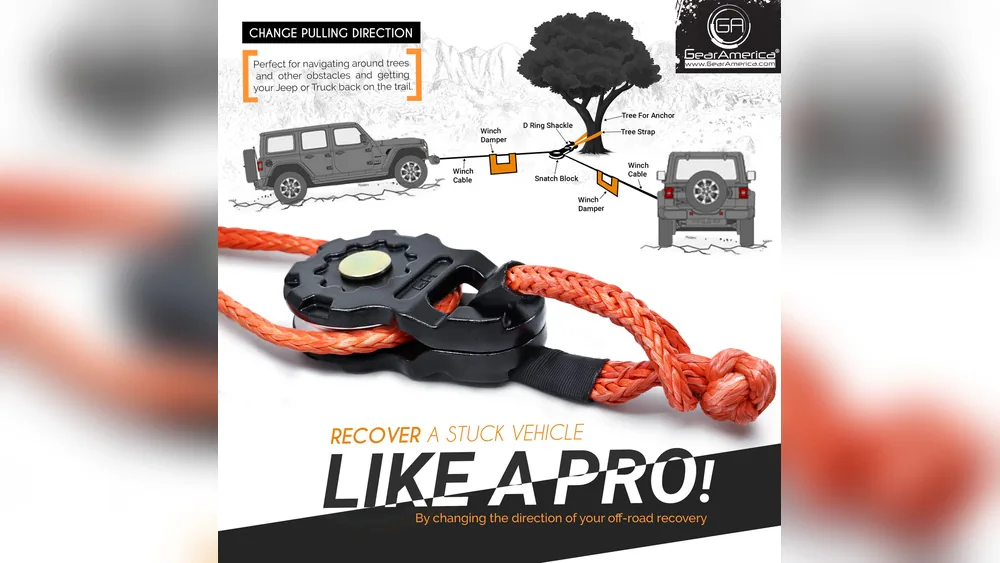
Off-roaders often use snatch blocks when stuck in deep mud or when a straight pull isn’t possible. For example, if a tree or boulder blocks the direct path, a snatch block can help you recover your vehicle safely by redirecting the winch line.
Key Factors When Choosing A Snatch Block
Not all snatch blocks are the same. Here’s what matters most:
- Weight Rating: Always check the maximum load capacity. Match it to your winch and vehicle weight. For most off-road vehicles, a rating of 8,000 to 20,000 lbs is standard.
- Material: Steel snatch blocks are strong and heavy, while aluminum models are lighter but often more expensive. Choose based on how much weight you want to carry.
- Pulley Size: A larger pulley fits thicker winch lines and reduces wear. Make sure the pulley matches your cable or synthetic rope diameter.
- Ease of Use: Look for easy-to-open side plates, smooth rotation, and simple maintenance.
- Grease Fittings: Some snatch blocks have zerk fittings for easy lubrication, which extends their life.
Here’s a quick comparison of popular snatch block specs:
| Model | Max Load (lbs) | Material | Pulley Size (in) | Cable Size (in) |
|---|---|---|---|---|
| ARB 10100020 | 20,000 | Steel | 5 | 0.5 |
| WARN 88922 | 12,000 | Steel | 4 | 0.38 |
| X-BULL Heavy Duty | 17,600 | Steel | 4.5 | 0.47 |

Credit: overlandvehiclesystems.com
Top 7 Winch Snatch Blocks For Off-road Vehicles
Let’s break down the top choices for off-roaders in 2024. Each one offers unique features and strengths.
- ARB 10100020 Snatch Block
- Supports up to 20,000 lbs, making it suitable for large trucks and fully loaded SUVs.
- Heavy-duty steel construction means durability, but it’s heavier than some competitors.
- The smooth pulley action works well with both steel cables and synthetic ropes.
- ARB is a respected brand in the off-road community.
- WARN 88922 Snatch Block
- Rated for 12,000 lbs, matching most mid-size winches.
- Compact design fits easily in a recovery kit.
- Works with winch cables up to 3/8 inch in diameter.
- Reliable for Jeep, Tacoma, and light-duty 4x4s.
- X-BULL Heavy Duty Snatch Block
- Handles 17,600 lbs, covering most off-road needs.
- Powder-coated for rust resistance.
- Features smooth, maintenance-free bearings.
- A good balance between strength and price.
- Smittybilt 2744 Universal Snatch Block
- Maximum load of 17,600 lbs.
- Fits cables up to 7/16 inch.
- Affordable and widely available, making it a popular choice for beginners.
- Simple, no-frills design.
- Factor 55 ProLink XXL
- Innovative closed-system shackle mount adds safety.
- 24,000 lbs rating for extreme recoveries.
- CNC-machined aluminum reduces weight.
- More expensive, but excellent for serious off-roaders.
- Rugged Ridge 15104.41
- Rated at 20,000 lbs.
- Features an easy-open side plate for quick setup.
- Heavy-duty steel with black powder coating.
- Good for frequent use in tough conditions.
- Omega Lift GQ035
- 10,000 lbs capacity, perfect for ATVs and smaller vehicles.
- Lightweight and easy to carry.
- Includes a grease fitting for easy maintenance.
- Budget-friendly without sacrificing quality.
Using A Snatch Block: Practical Tips
To get the most from your snatch block, keep these points in mind:
- Always inspect your winch line and snatch block before use.
- Anchor the snatch block to a strong point, like a tree with a tree saver strap.
- Thread the winch line through the pulley, close the side plates, and secure all connections.
- Stand clear when winching—lines can snap under load.
Many beginners forget to match their snatch block rating with both their winch and the weight of the loaded vehicle. Overloading a snatch block is dangerous and can lead to equipment failure.
Another common mistake is not lubricating the pulley. If your snatch block has a grease fitting, add lubricant regularly to keep the pulley spinning smoothly and reduce wear.
Here’s an example of how a snatch block can change a recovery situation:
You’re stuck in a ditch, but there’s only a tree at a 90-degree angle. With a snatch block, you can run the winch line to the block, anchor it to the tree, and pull yourself out sideways. This flexibility is why every serious off-roader carries at least one snatch block.

Credit: www.gearamerica.com
Comparing Performance: Snatch Block Vs. No Snatch Block
To see the real-world impact, let’s compare winching with and without a snatch block:
| Scenario | With Snatch Block | Without Snatch Block |
|---|---|---|
| Pulling Power | Doubles winch capacity | Single line pull only |
| Line Direction | Can change pull angle | Straight pull only |
| Winch Strain | Reduced motor load | Maximum strain |
| Recovery Options | More flexible | Limited |
Maintenance And Safety
Regularly clean dirt and mud from your snatch block after every trip. Check for cracks, rust, or bent side plates. Replace any damaged parts immediately.
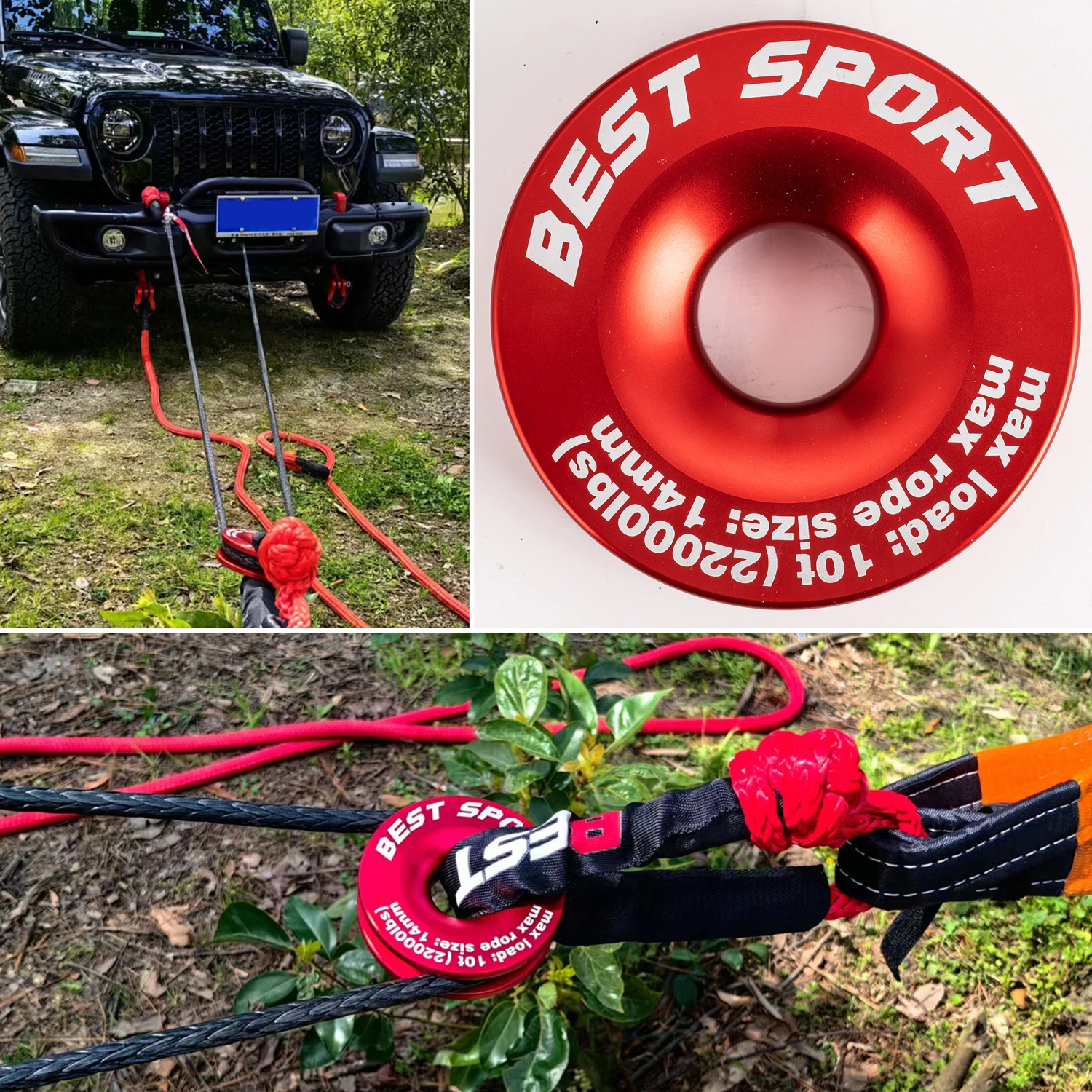
If you use synthetic rope, check that the pulley edges are smooth and won’t cut the rope. Some steel snatch blocks can damage synthetic lines if not properly finished.
For more in-depth winching safety tips, you can visit the Winch Wikipedia page.
Credit: www.aliexpress.com
Frequently Asked Questions
What Size Snatch Block Do I Need For My 4×4 Winch?
Choose a snatch block with a rating at least equal to your winch’s maximum pull. For most 4x4s, a 12,000–20,000 lbs snatch block is suitable.
Can I Use A Snatch Block With Synthetic Rope?
Yes, but make sure the pulley is smooth and free from sharp edges. Some snatch blocks are specially designed for synthetic winch lines.
How Often Should I Lubricate My Snatch Block?
If your snatch block has a grease fitting, lubricate before every trip and after exposure to mud or water. For sealed bearings, less frequent maintenance is needed.
Is One Snatch Block Enough For Serious Off-roading?
Most recoveries need only one, but carrying two gives you more options, like triple-line pulls or more complex recoveries.
Are Aluminum Snatch Blocks As Strong As Steel?
High-quality aluminum snatch blocks can be just as strong but are usually lighter. Always check the load rating and choose according to your needs.
A quality snatch block is an investment in your safety and recovery success. Choose carefully, maintain your gear, and you’ll be ready for whatever the trail brings.
Related posts
 Why You Should Use a Foam Cannon for Car Washing: Ultimate Guide
Washing your car is more than just making it look good. It protects the paint, keeps the value high, and makes driving feel better. But if…
 How to Clean Leather Seats Without Damaging Them: Expert Tips
Keeping your leather seats clean can be a challenge. Leather looks beautiful and feels luxurious, but it needs special care. Many people worry about damaging their…
 Why Using a Ceramic Coating Spray is Important for Your Car’s Shine
If you care about your car’s appearance and value, you probably wash and wax it regularly. But did you know there’s a better way to protect…