Snatch Block Winch Setup for Off-Road Recovery: Expert Guide
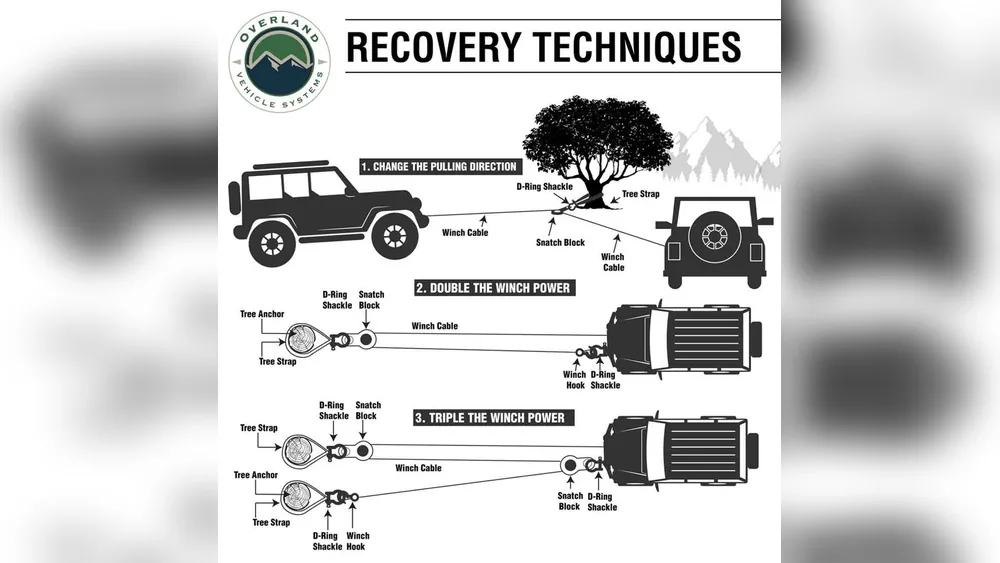
Off-roading can quickly turn into a test of your skills and equipment when your vehicle gets stuck in mud, sand, or snow. While a winch is a valuable recovery tool, adding a snatch block can make a huge difference. This simple pulley device doesn’t just double your winch’s pulling power—it also opens up creative ways to recover your vehicle from tough angles or obstacles. If you want to boost your off-road recovery game, understanding the snatch block winch setup is essential.
What Is A Snatch Block?
A snatch block is a heavy-duty pulley with a side plate that opens, allowing you to insert a winch cable or rope without threading it through the entire spool. Its main job is to change the direction of the pull or increase the mechanical advantage of your winch. Many off-roaders carry a snatch block because it is compact, strong, and extremely useful in challenging recovery situations.
Key Benefits Of Using A Snatch Block
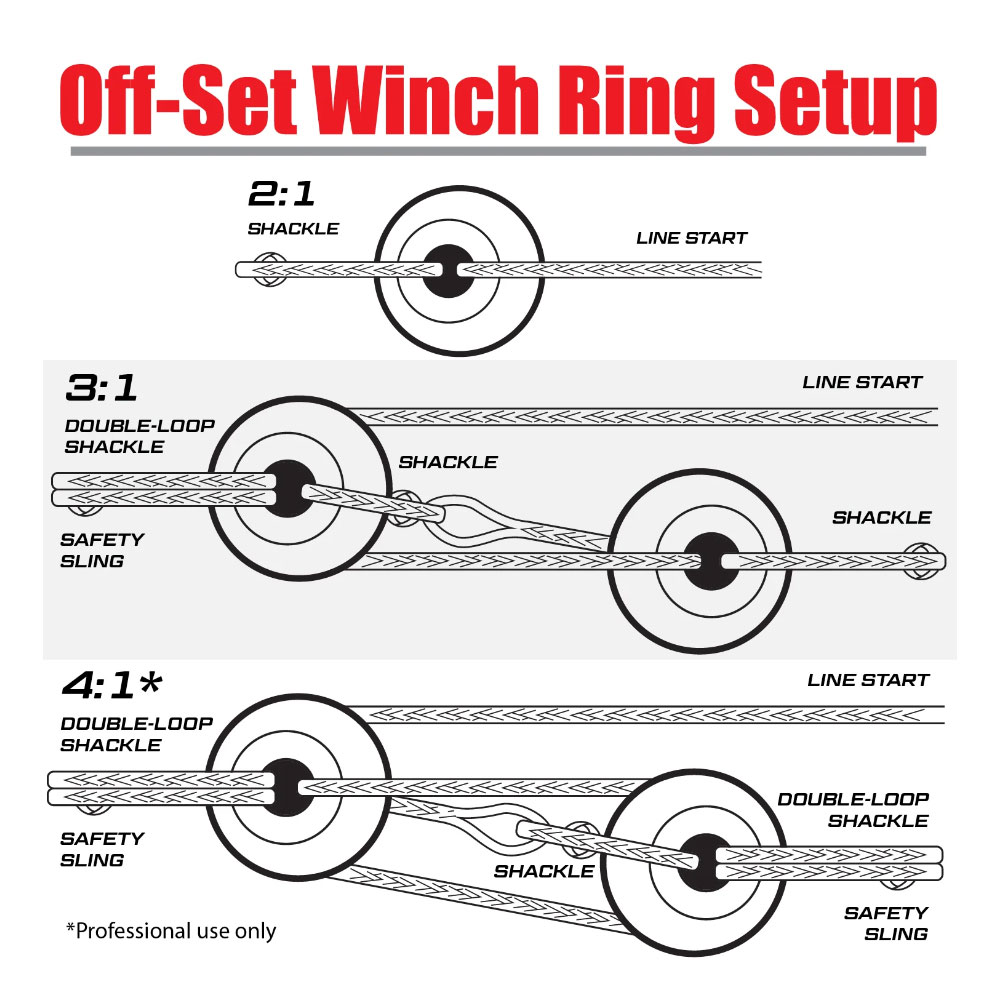
- Doubles Winch Pulling Power: By running the winch cable through a snatch block and back to your vehicle, you split the load, which effectively doubles the pulling force.
- Reduces Winch Strain: Your winch motor works less because the mechanical advantage lightens its load. This can prevent overheating and extend the life of your equipment.
- Allows Angled Recoveries: Sometimes, the only solid anchor point is not directly in front of your vehicle. A snatch block lets you change the cable’s direction, making side or angled pulls possible.
- Improves Safety: By reducing strain and allowing more controlled pulls, snatch blocks lower the risk of cable breakage and sudden failures.
Credit: agileoffroad.com
Essential Gear For A Snatch Block Winch Setup
Before you start, make sure you have:
- Winch (correctly rated for your vehicle)
- Snatch block (with a load rating higher than your winch)
- Winch cable or synthetic rope
- Tree saver strap or anchor strap
- D-shackles or bow shackles (rated for recovery)
- Gloves for hand protection
It’s important to check each item’s working load limit. For example, most off-road winches are rated between 8,000–12,000 lbs. Your snatch block and shackles should meet or exceed this. Using under-rated gear is a common mistake and risks both safety and success.
How To Set Up A Snatch Block Winch Recovery
Setting up a snatch block is straightforward, but every step matters for safety and success. Here’s a step-by-step guide:
- Assess the Situation: Make sure your anchor point (like a tree or another vehicle) is solid and can handle the load.
- Unspool the Winch Cable: Wearing gloves, pull out enough cable to reach the anchor point. If you’re using a tree, always use a tree saver strap to protect the bark.
- Attach the Snatch Block: Open the snatch block and insert the winch cable. Close it securely.
- Set Up the Anchor: Loop the tree saver strap around your anchor. Attach the snatch block to the strap using a rated D-shackle.
- Route the Cable: Run the cable through the snatch block and back to your vehicle (for double-line pull) or to another anchor point if redirecting.
- Check Everything: Make sure all connections are tight and shackles are properly seated (not overtightened).
- Begin Recovery: Stand clear, use a winch damper, and start winching slowly. Keep an eye on all equipment for any signs of strain.
Example Recovery Scenario
Imagine your 4×4 is stuck in deep mud, and there’s a strong tree 15 feet ahead. Using a snatch block, you connect your winch cable to the tree saver strap around the tree, run the cable back to a recovery point on your vehicle, and use a D-shackle to secure it.
This doubles your winch’s pulling power, making it much easier to get free.
Mechanical Advantage: How Much Power Do You Gain?
One of the main reasons to use a snatch block is to increase your winch’s power. Here’s a simple comparison showing how the setup changes your pulling force:
| Setup Type | Effective Pulling Power | Winch Load |
|---|---|---|
| Single-line pull | 100% | Full load on winch |
| Double-line pull (with snatch block) | ~200% | Half load on winch |
If your winch is rated for 10,000 lbs, a double-line pull setup can help you move up to 20,000 lbs (in theory), with less stress on the winch motor. Keep in mind, real-world gains are a bit less due to friction.
Choosing The Right Snatch Block
Not all snatch blocks are the same. When picking one, look for:
- Load rating: At least equal to or higher than your winch’s maximum pull.
- Sheave size: Larger sheaves are better for synthetic ropes.
- Ease of opening: Some blocks are easier to open and close with gloves.
- Maintenance needs: Grease fittings help keep it working smoothly.
Here’s a quick comparison of popular snatch block features:
| Brand | Max Load (lbs) | Sheave Size (inches) | Rope Type |
|---|---|---|---|
| ARB | 20,000 | 5 | Steel/Synthetic |
| Warn | 12,000 | 4 | Steel |
| Factor 55 | 22,000 | 6 | Synthetic |

Credit: www.desertwranglers.club
Common Mistakes And How To Avoid Them
Many beginners make avoidable errors when using a snatch block winch setup. Here are some to watch out for:
- Using mismatched gear: Never use a snatch block or shackle with a lower rating than your winch.
- Ignoring cable routing: Make sure the cable runs straight through the snatch block. Side loads can damage equipment.
- Skipping safety checks: Always double-check connections and stand clear during winching.
- Neglecting maintenance: Dirty or rusty snatch blocks increase friction and reduce effectiveness. Clean and lubricate after use.
A tip most new off-roaders miss: always pack a winch damper or heavy blanket to drape over the cable. If it snaps, this helps absorb the energy and can prevent injury.
Expert Tips For Off-road Recovery
- Practice before you need it: Try setting up your snatch block winch system in your driveway or yard.
- Plan anchor points: In dense forests, sometimes a second snatch block can let you pull at a safer or more effective angle.
- Monitor battery voltage: Winching draws a lot of power. Turn your engine on to avoid draining the battery.
- Consider backup: If you often recover alone, a second snatch block and extra straps give more options.
For more in-depth background and diagrams, check the Wikipedia entry on snatch blocks.

Credit: www.youtube.com
Frequently Asked Questions
What Does A Snatch Block Do In Winching?
A snatch block increases your winch’s pulling power and lets you change the direction of the pull. It works like a pulley, making tough recoveries easier and safer.
Can I Use A Snatch Block With Synthetic Rope?
Yes, but make sure the snatch block’s sheave is smooth and large enough for synthetic rope. Some older snatch blocks are made for steel cable only.
How Do I Know If My Snatch Block Is Strong Enough?
Check the load rating on the snatch block. It should be at least as high as your winch’s maximum pull, or higher.
How Often Should I Maintain My Snatch Block?
Clean and inspect your snatch block after each recovery. Lubricate the sheave bearing regularly, especially if used in mud or water.
Is Using A Snatch Block Safe For Beginners?
Yes, if you follow safety steps and use gear rated for your vehicle. Always stand clear of the cable and use a winch damper for extra safety.
Adding a snatch block to your winch setup is a smart move for anyone who goes off-road. It boosts your recovery options, makes difficult pulls easier, and helps protect your winch and vehicle. With the right setup and practice, you’ll be ready for almost any situation the trail throws at you.
Related posts
 Why You Should Use a Foam Cannon for Car Washing: Ultimate Guide
Washing your car is more than just making it look good. It protects the paint, keeps the value high, and makes driving feel better. But if…
 How to Clean Leather Seats Without Damaging Them: Expert Tips
Keeping your leather seats clean can be a challenge. Leather looks beautiful and feels luxurious, but it needs special care. Many people worry about damaging their…
 Why Using a Ceramic Coating Spray is Important for Your Car’s Shine
If you care about your car’s appearance and value, you probably wash and wax it regularly. But did you know there’s a better way to protect…