
Understanding the Materials Used in Winch Recovery Rings: A Guide
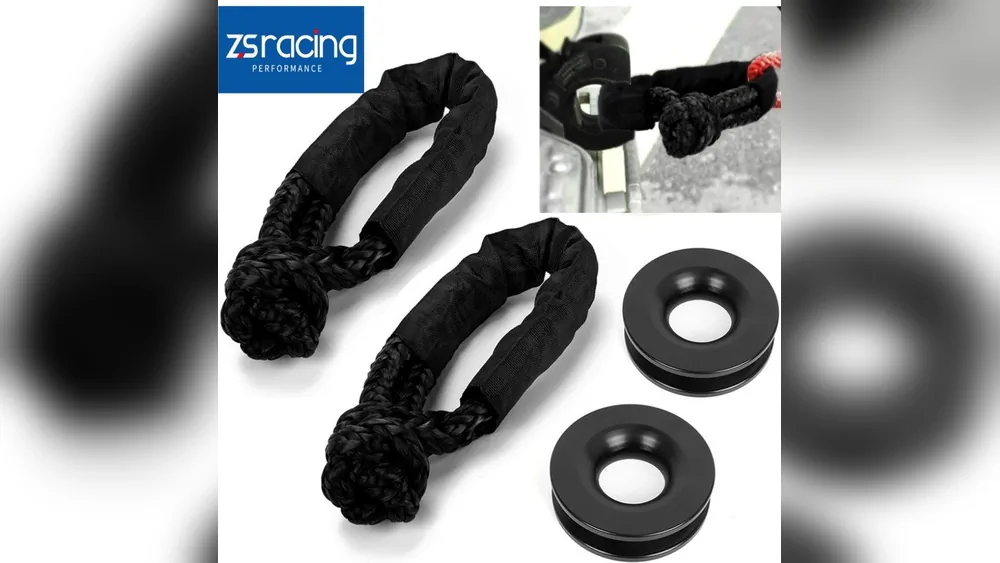
Winch recovery rings have become a favorite tool for off-road drivers, rescue teams, and adventurers who want to recover vehicles safely and efficiently. But few people stop to think about what makes these rings strong, reliable, and safe to use.
The secret lies in the materials chosen for their construction. If you want to choose a winch recovery ring that lasts, works in extreme conditions, and keeps you safe, it’s important to understand the materials behind the design. Let’s explore the world of winch recovery ring materials in detail.
What Is A Winch Recovery Ring?
A winch recovery ring is a compact, circular device designed to serve as a pulley for synthetic winch ropes. Unlike traditional snatch blocks, recovery rings have no moving parts and are lighter, making them easier to carry and use. The rope loops around the ring, and as the winch pulls, the ring allows the rope to slide smoothly, creating a mechanical advantage for vehicle recovery.
Understanding the materials used in these rings is essential. The wrong material can lead to breakage, failure, or dangerous accidents. The right one offers strength, low weight, and durability even in harsh environments.
Key Materials Used In Winch Recovery Rings
Different manufacturers use different materials based on cost, application, and safety standards. Here are the main types:
1. Aircraft-grade Aluminum Alloys
Most high-quality winch recovery rings are made from aircraft-grade aluminum alloys. The most common grades are 6061-T6 and 7075-T6.
- 6061-T6 Aluminum: Known for its excellent strength-to-weight ratio, corrosion resistance, and machinability. It is used in many industries, including aerospace and automotive.
- 7075-T6 Aluminum: Even stronger than 6061, this alloy has high fatigue resistance and is ideal for extreme loads.
Why Aluminum Is Popular
- Lightweight: Aluminum is much lighter than steel, making it easy to carry and handle.
- Strength: When properly designed, these alloys can handle loads exceeding 20,000 lbs.
- Corrosion Resistance: Aluminum naturally forms an oxide layer, protecting it from rust even in wet and muddy environments.
- Heat Dissipation: Aluminum releases heat quickly, preventing damage to the synthetic winch rope during fast recoveries.
Example
A typical 7075-T6 winch ring weighing only 300 grams can safely handle a 22,000 lb load, making it perfect for 4×4 recoveries.
2. Hard-anodized Coatings
While not a base material, hard-anodizing is a surface treatment applied to aluminum rings. The process thickens the oxide layer, making the surface harder and more resistant to scratches and wear.
Benefits
- Abrasion Resistance: The coating prevents grooves or rough spots that could damage synthetic ropes.
- UV Protection: Anodized surfaces resist fading and breakdown from sun exposure.
- Color Coding: Manufacturers can use different colors for load ratings or branding.
Non-obvious Insight
Some cheaper rings use thin or cosmetic anodizing. For real off-road use, always check for hard-anodized (Type III) rings, which offer much better protection.
3. High-strength Steel
Steel used to be the standard for all recovery gear. While less common now, some heavy-duty winch recovery rings still use high-strength alloy steel.
Advantages
- Extreme Strength: Steel rings can handle massive loads well over 30,000 lbs.
- Durability: Steel resists deformation under shock loads, making it ideal for industrial or military applications.
Drawbacks
- Weight: Steel rings are much heavier, which can make them harder to carry and handle.
- Corrosion: Without proper coatings, steel will rust quickly in wet or salty environments.
- Rope Wear: Steel surfaces must be smooth and coated to avoid damaging synthetic ropes.
Example
A steel recovery ring weighing 2 kg can handle a 35,000 lb load but will require careful maintenance.
4. Composite Polymers
A few innovative brands are experimenting with high-strength composite polymers for lightweight recovery rings.
Key Features
- Low Weight: Some polymer rings weigh less than 100 grams.
- Non-Conductive: They do not conduct electricity, adding safety in certain rescue situations.
- Corrosion Proof: Polymers will not rust or corrode, even in saltwater.
Limitations
- Load Capacity: Most polymer rings are rated for lighter vehicles only (under 10,000 lbs).
- Heat Buildup: Polymers may deform if the rope generates too much frictional heat.
Non-obvious Insight
Composite rings are ideal for UTVs, ATVs, or light-duty recoveries but are not recommended for heavy 4×4 trucks.
5. Titanium Alloys (rare)
A few high-end, custom recovery rings use titanium alloys. These are rare due to high cost but offer unique benefits.
Advantages
- Ultra-Lightweight: Even lighter than aluminum for the same strength.
- Corrosion Proof: Titanium does not rust, even in seawater.
- High Strength: Can handle extreme loads without bending.
Downsides
- Cost: Titanium rings can cost 5-10 times more than standard aluminum ones.
- Availability: Usually only seen in specialty recovery kits.
Credit: www.wreckersupplyusa.com
Material Comparison: Aluminum Vs. Steel Vs. Polymer
To help you understand the differences, here’s a side-by-side comparison:
| Material | Weight | Max Load (Typical) | Corrosion Resistance | Cost | Best For |
|---|---|---|---|---|---|
| 6061/7075 Aluminum | Low | 18,000–25,000 lbs | Excellent | Medium | General 4×4, Overlanding |
| Alloy Steel | High | 30,000+ lbs | Poor (unless coated) | Medium | Heavy-duty, Industrial |
| Composite Polymer | Very Low | 8,000–10,000 lbs | Excellent | Low | ATVs, UTVs, Light duty |
| Titanium Alloy | Very Low | 20,000+ lbs | Excellent | Very High | Specialty, Marine |
How Materials Affect Performance
The choice of material affects every aspect of a winch recovery ring’s performance.
Weight And Portability
Lighter rings are easier to carry, especially if you need to walk with your gear. Aluminum and polymers win here. Steel, while strong, adds unnecessary weight for most recreational users.
Strength And Safety Margins
You should always choose a ring with a working load limit at least twice the weight of your vehicle. Aluminum and steel offer the highest safety margins for most vehicles. Polymers are only for light loads.
Resistance To Corrosion
If you recover vehicles in mud, snow, or salty environments, corrosion resistance is vital. Aluminum and titanium excel, while steel must be carefully coated or maintained.
Rope Compatibility
Modern winch recovery rings are designed for synthetic ropes. The material and surface finish must be rope-friendly. Hard-anodized aluminum is best; uncoated steel can fray or cut the rope.
Cost Vs. Value
While titanium and high-end aluminum rings cost more, they often last longer and offer better safety. Cheap steel or polymer rings might save money up front but could fail when you need them most.

Credit: red-winches.com
Surface Treatments And Finishes
The material inside is important, but the finish on the outside matters too. Here’s why:
Hard Anodizing For Aluminum
This process is a game-changer. It creates a ceramic-like layer that’s up to three times harder than raw aluminum. The result? Less wear on your winch rope and longer life for the ring.
Powder Coating For Steel
Powder coating covers steel in a tough, weatherproof layer. It helps resist rust, but chips and scratches can expose steel to the elements. Regular inspection is a must.
Polished Or Teflon-coated Surfaces
Some high-end rings have Teflon or similar coatings. These ultra-slick finishes reduce friction, helping the rope glide smoothly and stay cool. This can extend the life of both ring and rope.
Testing And Certification
Not all winch recovery rings are created equal. Look for these signs of a quality product:
- Lab Test Ratings: Reliable rings are tested to failure under controlled conditions.
- Minimum Breaking Strength (MBS): This rating should be clearly marked, not just “estimated.”
- Certifications: Some rings meet international standards, like ISO or CE marking.
If you can’t find these details, think twice before trusting your safety to that ring.
Real-world Examples: What Works Best?
Let’s look at how different materials perform in real situations.
Off-road Enthusiasts
Most off-roaders prefer 7075-T6 aluminum rings. They balance strength and weight, resist corrosion, and work well with synthetic ropes. For example, a Jeep club may use a set of 7075 rings for all their vehicles, knowing they’re strong enough for anything short of a heavy rescue.
Industrial And Military
Here, steel rings still dominate. These users value strength above all else and can handle the extra weight. Maintenance is critical, with regular cleaning and recoating to prevent rust.
Recreational Atv/utv Riders
Lightweight polymer rings are a good fit. They’re easy to carry, and the loads are much lower. However, riders must avoid overheating the ring or using it for heavy-duty tasks.
Common Buyer Mistakes When Choosing Materials
- Ignoring Load Ratings: Never guess—always match the ring’s rating to your vehicle’s weight (and add a safety margin).
- Overlooking Surface Quality: Even the strongest material is useless if the surface is rough or poorly finished.
- Choosing by Price Alone: Cheaper materials often cut corners on testing and durability.
- Not Considering the Environment: If you operate near water or mud, corrosion resistance is a must.
- Using Steel with Synthetic Rope Without Coating: This can quickly ruin expensive synthetic winch lines.
Data Table: Typical Load Ratings By Material And Size
To further understand performance, here’s a look at how different materials and sizes compare:
| Ring Material | Outer Diameter | Weight | Rated Load |
|---|---|---|---|
| 7075-T6 Aluminum | 4.5 in | 300 g | 22,000 lbs |
| Alloy Steel | 5.0 in | 2,000 g | 35,000 lbs |
| Composite Polymer | 3.0 in | 90 g | 8,000 lbs |
Long-term Durability And Maintenance
Choosing the right material is only part of the story. Here’s how to maximize the life of your winch recovery ring:
- Inspect regularly for nicks, scratches, or wear. Deep grooves can damage ropes.
- Keep the ring clean, especially after muddy or sandy recoveries.
- Store in a dry place to prevent corrosion, even with aluminum or polymer rings.
- Re-anodize or re-coat steel/aluminum if the finish is damaged.
When To Replace Your Winch Recovery Ring
No matter the material, replace your ring if:
- You see visible cracks or deep grooves
- The ring becomes deformed or bent
- The surface is rough enough to snag or damage rope
- Load rating markings become unreadable
The Future Of Winch Recovery Ring Materials
Technology keeps advancing. We may see more titanium and advanced composites as costs come down. New coatings may also reduce friction and improve safety. For now, hard-anodized aluminum remains the best all-around choice for most users.
For more about material strength and engineering, check out this detailed guide from Wikipedia.

Credit: overlandvehiclesystems.com
Frequently Asked Questions
What Is The Strongest Material For Winch Recovery Rings?
Steel is technically the strongest, able to handle the highest loads. However, 7075-T6 aluminum offers the best combination of strength, weight, and corrosion resistance for most users.
Can I Use A Steel Ring With Synthetic Winch Rope?
Yes, but only if the steel ring is smooth and coated. Bare or rough steel can damage synthetic ropes quickly. Regular inspection is required.
How Do I Know If A Ring Is Hard-anodized?
Look for “Type III hard-anodized” or similar markings. The finish will feel harder and more matte than regular anodized surfaces. Ask the manufacturer for details if unsure.
Are Polymer Rings Safe For Large Trucks?
No. Polymer rings are best for ATVs, UTVs, and light-duty vehicles. For trucks or heavy 4x4s, use aluminum or steel rings with proper load ratings.
How Often Should I Inspect My Recovery Ring?
Inspect your ring before every use. Look for cracks, grooves, and surface wear. Replace the ring if you see any damage or if the load rating becomes unreadable.
Choosing the right winch recovery ring material is more than just a detail—it’s a key factor in safe, effective vehicle recovery. By understanding the options and their real-world performance, you can make a confident choice that keeps you and your gear ready for adventure.
Related posts
 Why You Should Use a Foam Cannon for Car Washing: Ultimate Guide
Washing your car is more than just making it look good. It protects the paint, keeps the value high, and makes driving feel better. But if…
 How to Clean Leather Seats Without Damaging Them: Expert Tips
Keeping your leather seats clean can be a challenge. Leather looks beautiful and feels luxurious, but it needs special care. Many people worry about damaging their…
 Why Using a Ceramic Coating Spray is Important for Your Car’s Shine
If you care about your car’s appearance and value, you probably wash and wax it regularly. But did you know there’s a better way to protect…