
Synthetic Winch Ropes Vs. Steel Cables: Which Is Best for Recovery?
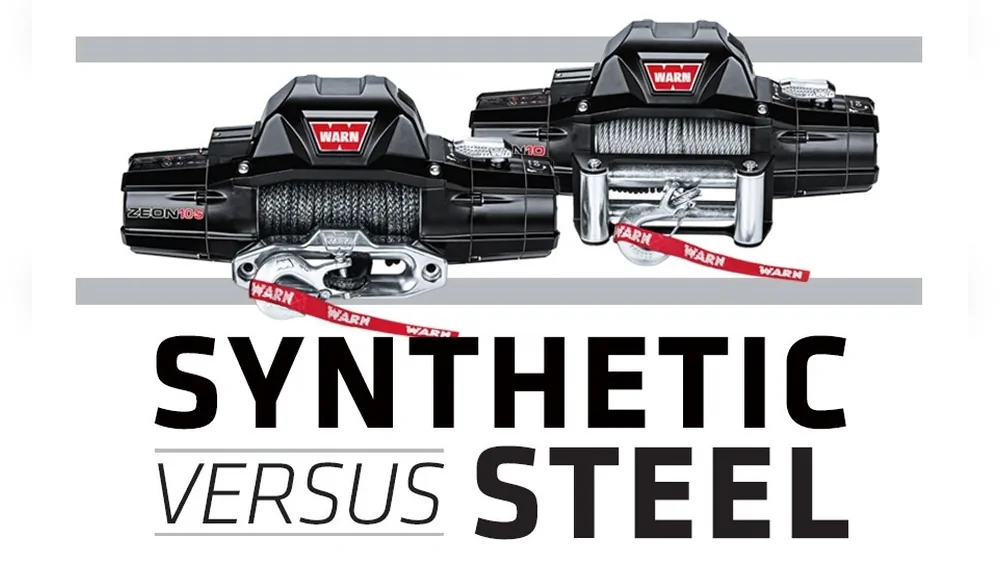
Synthetic Winch Ropes Vs. Steel Cables: Which is Better for Recovery?
If you ever get stuck off-road, your winch can be your best friend. But the choice between synthetic winch ropes and steel cables isn’t always easy. Both have strong reputations in the recovery world. Some swear by the old-school toughness of steel, while others love the lightness and safety of modern synthetics. But which one is actually better for recovery? Let’s dive into the details, looking at performance, safety, durability, cost, and real-world experience, so you can make the right choice for your vehicle and adventure style.
What Are Synthetic Winch Ropes And Steel Cables?
A steel cable is just what it sounds like: several strands of steel wire twisted together. This is the traditional winch line, found on most winches for decades. It’s known for its strength, ruggedness, and ability to handle rough treatment.
Synthetic winch rope is a newer alternative. Usually made from ultra-high-molecular-weight polyethylene (UHMWPE) fibers, it offers impressive strength while being much lighter and easier to handle. Synthetic ropes are becoming more popular, but some people still wonder if they’re tough enough for serious recovery.
Strength And Load Rating
When it comes to breaking strength, both types are strong enough for most recovery situations, but there are differences worth noting.
| Type | Average Breaking Strength (9,500 lb winch) | Weight (for 100 ft length) |
|---|---|---|
| Synthetic Rope | 17,500 lbs | 5 lbs |
| Steel Cable | 15,000 lbs | 28 lbs |
Synthetic rope often has a higher breaking strength than steel cable of the same size. But steel cable can handle heat better and is less likely to degrade from friction with the winch drum. For most winch owners, either choice provides more than enough strength. However, if your vehicle is especially heavy or you do extreme recoveries, the extra capacity of synthetic ropes might be an advantage.
Safety: Snapback And Handling
Safety is a huge factor when recovering a stuck vehicle. Here’s where the differences really stand out.
- Snapback Risk: If a steel cable breaks under tension, it stores energy like a stretched rubber band. When it snaps, it can whip back at dangerous speed, causing injury or death. Synthetic rope doesn’t store as much kinetic energy, so if it breaks, it usually falls harmlessly to the ground.
- Handling: Steel cable can develop sharp burrs, which can cut your hands. Gloves are a must. Synthetic rope is soft to the touch and much easier to grip, even with bare hands.
- Weight: Synthetic rope is much lighter. This means you can pull out the winch line and set up a recovery without tiring yourself out or risking injury.
For safety alone, many professional off-roaders and rescue teams now prefer synthetic rope.
Durability And Longevity
How long your winch line lasts depends on where and how you use it.
Steel Cable Durability
Steel cable is tough against abrasion, heat, and UV rays. It handles sand, mud, and rocks well, and is less likely to fray if dragged along the ground. However, steel can rust if not properly cared for, especially in wet or salty environments.
It can also develop kinks, which weaken the cable and make it harder to spool.
Synthetic Rope Durability
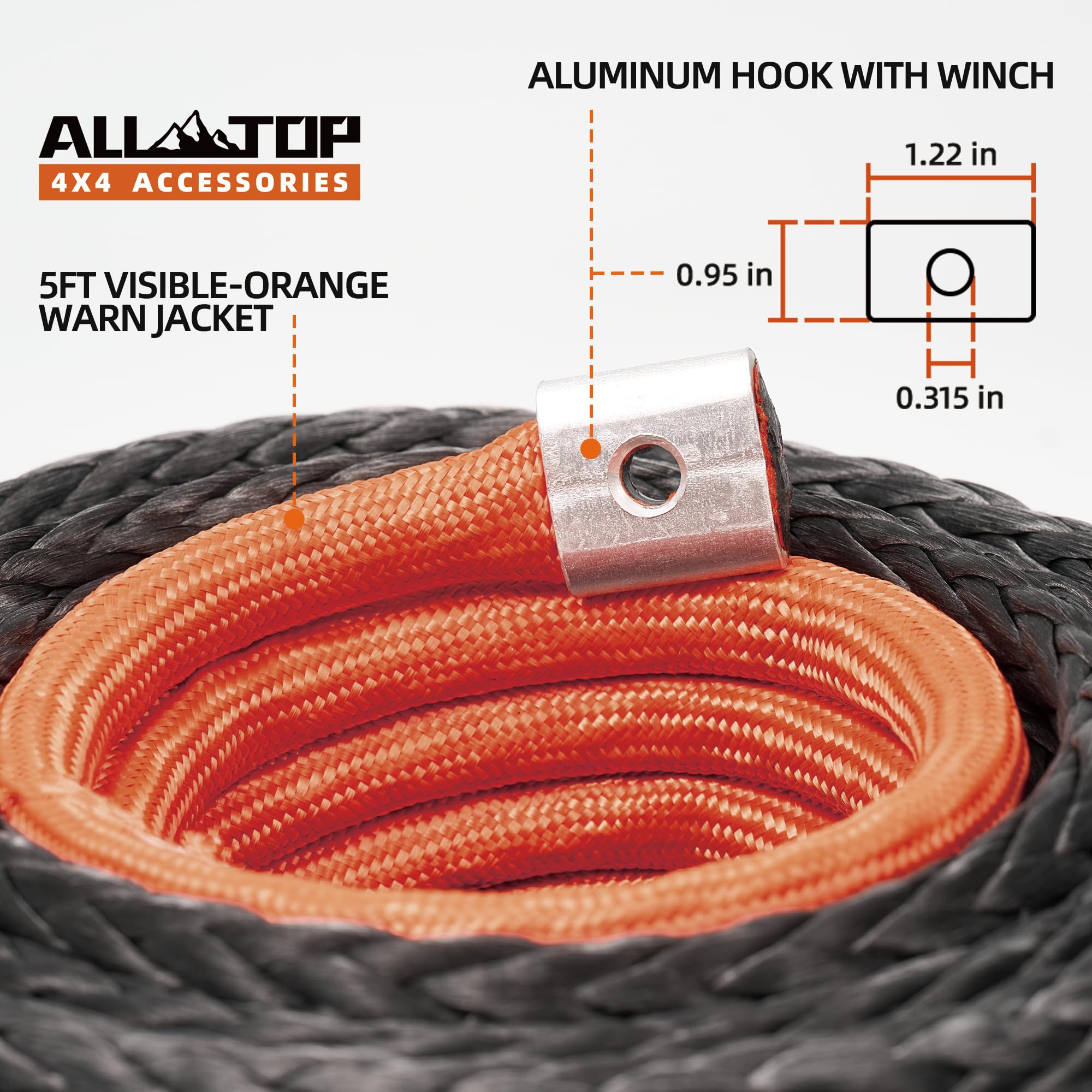
Synthetic rope is resistant to rust and floats in water, making it popular for water crossings. But it’s vulnerable to abrasion, especially if dragged across sharp rocks or rough surfaces. It’s also sensitive to heat from winch drums if you do a lot of long pulls.
Over time, UV rays can weaken the fibers unless you use a protective sleeve.
A surprising detail: dirt and sand can work into synthetic rope fibers, slowly sawing them from the inside out. Regular cleaning is essential for longevity.

Credit: www.ebay.com
Maintenance And Care
Both types of winch lines need some attention to stay safe and reliable.
- Steel cable should be checked regularly for rust, broken wires, and kinks. Light oiling prevents corrosion. Replace immediately if you see fraying or flattened spots.
- Synthetic rope needs to be washed with clean water after muddy or sandy recoveries. Look for cuts, melted spots, or fiber fuzz. If you spot serious damage, replace the line.
An often-missed insight: synthetic rope can be repaired in the field with a proper splice, while steel cable usually can’t.
Weight And Ease Of Use
The difference in weight is dramatic. On average, synthetic rope is up to 80% lighter than steel cable for the same strength. This not only makes it easier to unspool and re-spool, but it also reduces the total weight on your bumper. For vehicles close to their maximum payload, this can help prevent suspension sag and improve off-road handling.
Cost: Upfront And Over Time
When buying a winch, you’ll notice synthetic rope usually costs more than steel cable. For example, a 100-foot synthetic rope might cost $150–$250, while a similar steel cable is $70–$120. But there’s more to consider:
- Synthetic rope can last longer with proper care, especially if you avoid sharp abrasion and sunlight.
- Steel cable may need replacement if it rusts or kinks.
- Synthetic rope is easier to repair on the trail, which can save money and time if something goes wrong miles from help.
Weather And Environmental Performance
Each type of winch line handles the elements differently.
- Steel cable can become brittle in extreme cold, but it’s less affected by UV rays.
- Synthetic rope stays flexible even in freezing temperatures. It floats on water, which is a plus during river recoveries, but UV rays and heat can weaken it unless protected.
For wet, muddy, or cold environments, synthetic rope often has the edge. In hot, sunny climates or where abrasion is constant, steel cable may last longer.
Installation And Compatibility
Both synthetic rope and steel cable fit most winches, but there are a few things to check:
- Fairlead: Synthetic rope requires an aluminum hawse fairlead to avoid abrasion. Steel cable uses a roller fairlead or steel fairlead. Don’t mix them up or you’ll damage the rope.
- Drum fit: Synthetic rope takes up more space on the winch drum than steel, so make sure your winch can handle the full length you need.
- Retrofitting: Switching from steel to synthetic? You’ll need to swap the fairlead and carefully clean the winch drum to remove any sharp burrs.
Real-world Scenarios: When Does Each Shine?
The best choice often depends on your typical recovery situations.
- Heavy-Duty Use: Steel cable stands up to repeated abuse, sharp rocks, and high heat. Many commercial recovery vehicles still use steel for this reason.
- Recreational Off-Roading: Synthetic rope is easier and safer for weekend adventures, especially if you’re often alone or with family.
- Water Crossings: Synthetic floats, so it’s less likely to snag on underwater obstacles.
- Mud and Sand: Synthetic rope is less likely to dig in and get buried, and it’s easier to clean afterwards.
- Extreme Weather: Synthetic rope stays flexible in freezing temperatures, while steel can stiffen and be harder to handle.
Credit: www.gemefindustries.com
Common Mistakes And How To Avoid Them
Many users—especially beginners—make simple mistakes that reduce winch line life or create safety hazards.
- Dragging synthetic rope over rocks: Always use a protective sleeve or a winch line damper.
- Not inspecting steel cable for kinks: Even a small kink can weaken steel by up to 50%.
- Mixing up fairleads: Never use a steel fairlead with synthetic rope.
- Ignoring UV damage: Store synthetic rope out of the sun or use a UV-resistant cover.
- Skipping gloves with steel: This is an easy way to get injured.
A practical tip: Always carry a small tarp or winch line damper. Place it over the line when winching to reduce snapback risk—this works for both steel and synthetic.
Cost Of Ownership Over Time
Let’s look at the long-term cost difference based on average replacement intervals and maintenance.
| Type | Average Lifespan | Maintenance Effort | Replacement Cost (10 Years) |
|---|---|---|---|
| Synthetic Rope | 5-7 years | Moderate | $300–$500 |
| Steel Cable | 3-5 years | Low-Moderate | $140–$240 |
While steel is cheaper upfront, synthetic can be cost-effective over time with careful use and regular maintenance. But if you neglect either type, expect to replace it sooner.
Which Is Better For Recovery?
So, synthetic winch rope or steel cable? For most off-roaders, synthetic rope is now the better choice—mainly because of safety, ease of handling, and weight. It’s especially good for solo adventurers, weekend explorers, and anyone who values simplicity and safety. But if you’re working in extreme, abrasive environments, or need to winch heavy loads day after day, steel cable still has a place.
Still unsure? Check with your local 4×4 club or recovery professionals. There’s no shame in starting with steel and upgrading to synthetic as you gain experience.
Frequently Asked Questions
What Is The Main Advantage Of Synthetic Winch Rope?
The biggest advantage is safety. Synthetic rope is much less likely to cause injury if it breaks, because it doesn’t snap back like steel cable. It’s also lighter and easier to handle.
Can Synthetic Winch Rope Be Used In All Weather Conditions?
Yes, synthetic rope works well in most conditions. It stays flexible in cold, floats in water, and won’t rust. Just protect it from direct sunlight and avoid dragging it over sharp surfaces.
Is Steel Cable Still Used For Winching?
Absolutely. Steel cable is still popular for commercial recovery, heavy-duty use, and places with constant abrasion. It’s tough, inexpensive, and doesn’t need as much protection from the environment.
How Often Should I Replace My Winch Line?
It depends on how often you use it. Inspect your winch line after every recovery. Replace synthetic rope if you see fraying or melted fibers. Replace steel cable if you notice broken wires, rust, or kinks. For regular users, plan to replace every 3–7 years.
Where Can I Learn More About Winch Safety And Best Practices?
You can find detailed safety guides and best practices on the International 4WD Trainers Association website. They offer practical advice for both beginners and experienced off-roaders.
The right winch line can make all the difference in a tough recovery. Take your time, weigh the pros and cons, and choose the one that matches your needs. Safe travels out there!
Credit: www.asroffroad.com
Related posts
 Why You Should Use a Foam Cannon for Car Washing: Ultimate Guide
Washing your car is more than just making it look good. It protects the paint, keeps the value high, and makes driving feel better. But if…
 How to Clean Leather Seats Without Damaging Them: Expert Tips
Keeping your leather seats clean can be a challenge. Leather looks beautiful and feels luxurious, but it needs special care. Many people worry about damaging their…
 Why Using a Ceramic Coating Spray is Important for Your Car’s Shine
If you care about your car’s appearance and value, you probably wash and wax it regularly. But did you know there’s a better way to protect…