
How to Store Winch Ropes And Recovery Gear Safely: Expert Tips
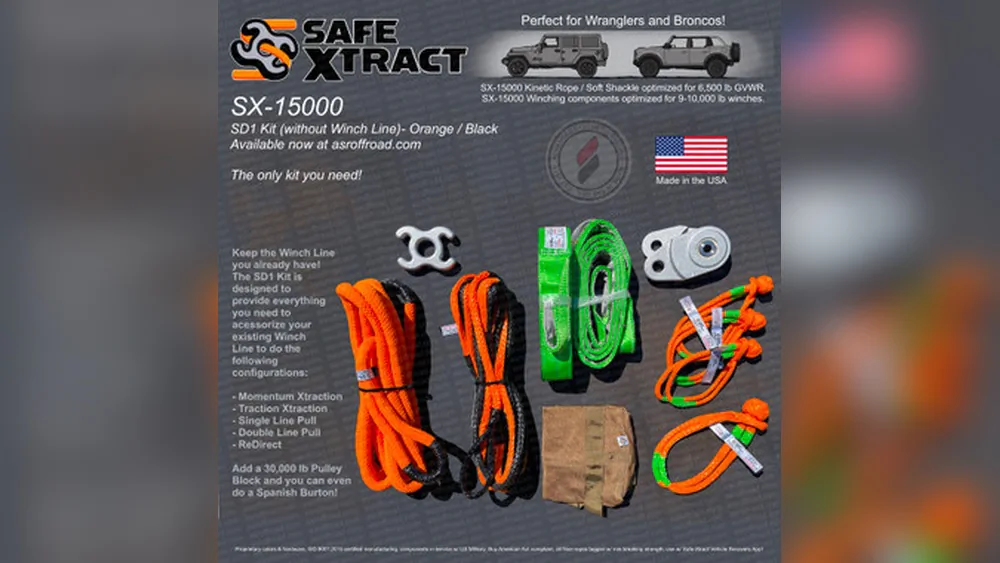
Storing winch ropes and recovery gear safely is not just about keeping your equipment tidy—it’s about extending its lifespan, ensuring your safety, and being ready when you need it most. Whether you’re an off-road enthusiast, rescue worker, or someone who simply values preparedness, proper storage practices make all the difference.
Many people overlook the details, which often leads to damaged ropes, tangled gear, or even dangerous situations. Let’s walk through everything you need to know to keep your winch ropes and recovery gear in top shape, with clear steps and expert tips you might not find elsewhere.
Why Safe Storage Matters
Many winch ropes are made from synthetic fibers or steel. Both materials can degrade quickly if left exposed to sun, moisture, or dirt. For example, UV rays can weaken synthetic ropes, while steel cables may rust and lose strength. Also, improperly stored recovery gear can become tangled, misplaced, or even create a tripping hazard.
Keeping your equipment clean, dry, and organized means you’re always ready for action—without surprises.
Preparing Winch Ropes For Storage
Before you even think about where to put your winch rope, it’s essential to prepare it correctly. Neglecting this step is a common mistake that leads to hidden damage.
1. Clean Thoroughly
Dirt, sand, and mud can quickly grind into the fibers or wires, causing wear you can’t see. Use fresh water to wash off any debris. For synthetic ropes, a gentle scrub with a soft brush helps. Avoid harsh chemicals—mild soap is enough.
2. Dry Completely
Storing a wet rope invites mold and rot. Hang your rope in a dry, shaded area and let it air-dry completely. For steel cables, drying prevents rust. Never coil or bag a rope that’s still damp.
3. Inspect For Damage
Look for frays, kinks, or broken strands. If you spot any, don’t store the rope—set it aside for repair or replacement. A quick inspection now saves headaches (or accidents) later.
4. Apply Lubricant (steel Cables Only)
If you use a steel winch cable, lightly coat it with a suitable cable lubricant. This prevents corrosion during storage.

Credit: www.amazon.com
Choosing The Right Storage Location
Where you store your winch ropes and recovery gear is just as important as how you store them.
Key Factors For Storage Areas
- Dryness: Moisture is the enemy. Choose a place that stays dry year-round, such as a garage, shed, or inside your vehicle (if well-ventilated).
- Temperature: Extreme heat can weaken synthetic ropes, while freezing conditions make steel cables brittle. Aim for a cool, stable temperature.
- Away from Sunlight: UV rays break down many rope materials. Store gear in opaque containers or shaded spaces.
- Rodent Protection: Mice and rats sometimes chew on ropes. Use sealed bins or hang ropes high off the ground.
Home Vs. Vehicle Storage
If you’re storing gear long-term, a home garage or dedicated locker is best. For adventurers who need quick access, in-vehicle storage is common—but it must be done right.
| Storage Location | Pros | Cons |
|---|---|---|
| Home Garage | Controlled environment, less vibration, more space | Less accessible when on the move |
| Vehicle Storage | Always available, quick access | More exposure to temperature swings, space limited |
Storing Synthetic Winch Ropes
Synthetic winch ropes are popular for their strength and light weight. However, they require special care.
- Keep Out of Sunlight: Even short exposure can weaken fibers over time.
- Avoid Contact with Chemicals: Gasoline, oils, and solvents can damage the rope.
- Loosely Coil: Tight coils can create kinks. Use a large diameter coil—at least 12 inches across.
- Use a Rope Bag or Sleeve: Store the coiled rope inside a breathable, padded bag. This protects from abrasion and UV rays, but lets moisture escape.
Non-obvious Tip
Many people forget that synthetic ropes “remember” bends—if you store them with sharp folds, those kinks can become weak spots. Always coil loosely and never fold sharply.
Storing Steel Winch Cables
Steel cables are rugged but not immune to bad storage.
- Apply Light Oil: After cleaning, wipe the cable with a thin layer of oil or a dedicated cable lubricant.
- Use a Spool or Reel: Wind the cable onto a reel or spool to keep its shape. Never wrap tightly around corners.
- Hang Vertically: If possible, hang the coiled cable to avoid flat spots or crushing.
- Protect from Moisture: Store in a sealed bag or bin with a silica gel packet to absorb any moisture.
Important Insight
Steel cables can develop hidden rust inside the strands if stored damp, even if the outside looks fine. That’s why drying and oiling are non-negotiable.
Organizing Recovery Gear
Recovery gear includes shackles, snatch blocks, gloves, tree straps, and more. Organization is key for both safety and quick deployment.
Gear Bags And Storage Boxes
Dedicated recovery bags or hard cases are ideal. They keep everything together and prevent metal parts from damaging ropes.
- Soft Gear Bags: Best for lightweight equipment and flexible storage.
- Hard Cases: Offer more protection but take up more space.
Labeling And Inventory
Many people forget what’s in their kit. Use simple labels or a checklist inside the bag. This way, you don’t realize something is missing when you need it most.
Separate Heavy And Light Items
Store heavy items (like shackles) in separate pockets to avoid crushing delicate ropes or straps. This also makes gear easier to grab in a hurry.
Storing Gear In Your Vehicle
If you carry recovery gear in your vehicle, secure it well. Loose gear can become a projectile in an accident.
- Use Tie-Down Straps: Secure bags and cases to anchor points in your vehicle.
- Keep Accessible: Place gear where you can reach it quickly, not buried under other items.
- Avoid Heat Zones: Don’t store synthetic ropes near the engine bay or in direct sun under windows.
Maintenance During Storage
Proper storage doesn’t end with putting gear away. Check your equipment regularly—at least every few months.
- Inspect for Damage: Look for signs of wear, rust, or UV damage.
- Rotate Coils: For long-term storage, occasionally re-coil ropes in the opposite direction to prevent permanent bends.
- Replace Silica Gel Packs: If you use them to absorb moisture, swap them every few months.
Common Mistakes And How To Avoid Them
- Storing Wet Ropes: This leads to mold, rot, or rust.
- Storing Gear Under Heavy Items: Crushed ropes or bent metal can mean sudden failure in the field.
- Forgetting About Chemical Exposure: Even a little oil or fuel spill can weaken ropes.
- Not Securing Gear in Vehicles: Unsecured gear is dangerous in a crash.
- Ignoring Regular Checks: Out of sight, out of mind—until something fails when you need it.
Handy Accessories For Safe Storage
- Breathable Rope Bags: Prevent mold and allow airflow.
- Moisture Absorbers: Silica gel packs or dedicated dehumidifiers for bins.
- Label Stickers: Help keep track of service dates or inspections.
- Protective Sleeves: Add a second layer to ropes for extra abrasion resistance.

Credit: agileoffroad.com
Table: Storage Products Comparison
Here’s a quick look at popular storage solutions:
| Product Type | Best For | Drawbacks |
|---|---|---|
| Soft Gear Bag | Synthetic ropes, straps, gloves | Less protection against impacts |
| Hard Case | Metal parts, heavy gear | Bulky, less flexible storage |
| Hanging Hook | Quick access, coiled ropes | Not portable |
Practical Example: Weekend Off-roader
Imagine you’re heading out for a weekend adventure. You’ve cleaned and checked your synthetic winch rope, loosely coiled it, and placed it in a breathable bag. Shackles and snatch blocks are in a labeled hard case, each in their own compartment.
Both bags are strapped down in your vehicle’s cargo area. Before you leave, you check your inventory checklist—nothing is missing. If you get stuck, your gear is ready, organized, and reliable.

Credit: dailyplanetvt.com
Environmental Considerations
Be mindful of the environment around your storage area. Humid climates demand extra care—more frequent drying and moisture control. In hot, sunny regions, UV protection is even more critical. Customize your storage approach to your local conditions for best results.
When To Replace Your Winch Rope Or Gear
No matter how careful you are, all gear wears out. If your rope shows fraying, fading, or broken strands, or if your metal gear has visible cracks or rust, replace them immediately. Using damaged equipment is a risk not worth taking.
Additional Resources
For more in-depth guidance on winch rope care and safety standards, the Occupational Safety and Health Administration (OSHA) offers comprehensive information.
Frequently Asked Questions
How Often Should I Inspect My Winch Rope And Recovery Gear?
Check your winch rope and recovery gear before every use and at least once every few months during storage. This helps catch any damage early and ensures your equipment is always ready.
Can I Store Synthetic Winch Ropes And Steel Cables Together?
It’s best to store them separately. Steel can transfer small metal filings or rust to synthetic ropes, which can cause abrasion or weaken the fibers.
What Is The Best Way To Dry A Winch Rope After Use?
Hang the rope in a shaded, dry area with good airflow. Avoid direct sunlight, as UV rays can weaken the material. Make sure it’s completely dry before storing.
How Do I Keep Moisture Out Of My Storage Containers?
Use silica gel packs or other moisture absorbers inside your storage boxes or bags. Check and replace them regularly to keep humidity low.
Is It Safe To Keep Winch Ropes And Recovery Gear In My Vehicle All Year Round?
It’s safe if you store them properly—keep them away from direct sunlight, secure them to prevent movement, and check them regularly for damage from temperature changes or moisture.
Storing your winch ropes and recovery gear safely is about more than just neatness. It’s about reliability, safety, and peace of mind—so you’re ready for anything the road (or trail) throws your way. Take the time to store your equipment properly, and it will serve you well for years to come.
Related posts
 Why You Should Use a Foam Cannon for Car Washing: Ultimate Guide
Washing your car is more than just making it look good. It protects the paint, keeps the value high, and makes driving feel better. But if…
 How to Clean Leather Seats Without Damaging Them: Expert Tips
Keeping your leather seats clean can be a challenge. Leather looks beautiful and feels luxurious, but it needs special care. Many people worry about damaging their…
 Why Using a Ceramic Coating Spray is Important for Your Car’s Shine
If you care about your car’s appearance and value, you probably wash and wax it regularly. But did you know there’s a better way to protect…