
Importance of Using Recovery Rings for Vehicle Recovery Explained
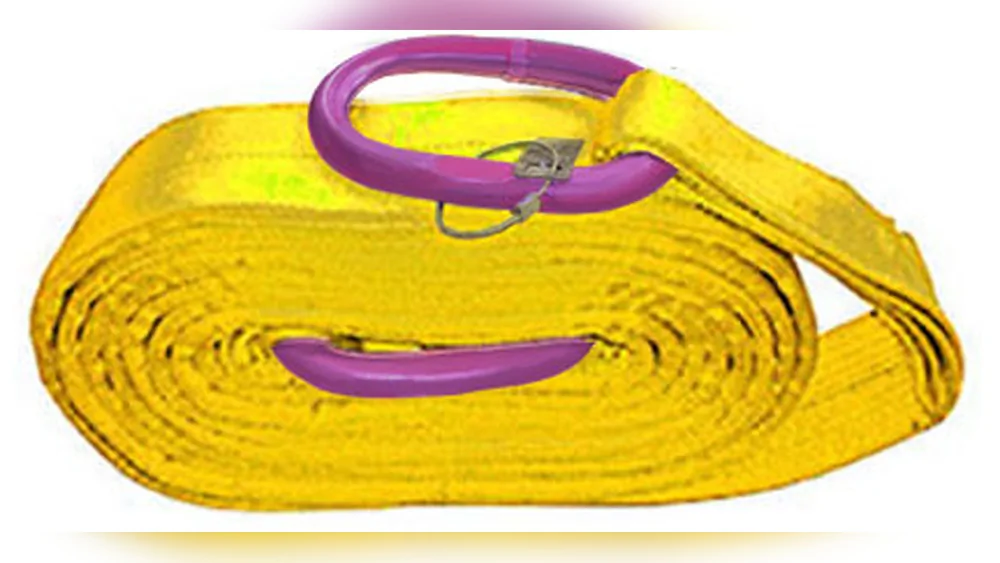
When your vehicle gets stuck—whether in sand, mud, snow, or a rocky trail—the right recovery gear is not just helpful, it’s essential. Among all the tools available for off-roaders and rescue teams, recovery rings have become an important innovation. Many still use older gear like snatch blocks or standard shackles, but recovery rings are changing the way people handle vehicle recovery. Understanding why recovery rings matter, how they work, and how they compare to traditional methods can make a difference between a safe, efficient recovery and a risky struggle.
What Are Recovery Rings And How Do They Work?
Recovery rings are simple, strong devices designed for use with synthetic winch lines or soft shackles. They are usually made from high-grade aluminum. Their round shape allows the winch line to run smoothly, reducing friction and wear on both the line and the ring. This design helps guide the line under heavy loads, much like a pulley, but without any moving parts.
To use a recovery ring, you attach it to a recovery point on your vehicle with a soft shackle. The synthetic winch line is then looped through the ring. As you pull with the winch, the line glides around the ring, changing direction as needed.
This setup can double the pulling power of the winch (known as a “mechanical advantage”) or simply redirect the pull around obstacles.
Why Recovery Rings Are Becoming Essential
Traditional tools like snatch blocks have been used for years, but recovery rings are becoming more popular for several key reasons:
- Lightweight Design: Recovery rings are much lighter than steel snatch blocks. This reduces the load in your recovery kit and makes them easier to carry and store.
- Simple to Use: With no moving parts, there’s less that can break or jam. Attaching a recovery ring is straightforward, especially with modern soft shackles.
- Reduced Wear: The smooth surface of quality recovery rings is gentle on synthetic winch lines, which helps them last longer.
- Safety: If a recovery ring or soft shackle fails, it is less likely to become a dangerous projectile compared to heavy steel gear.
- Efficient Recovery: Recovery rings make it faster to set up and perform a recovery, saving valuable time in critical situations.
The Role Of Recovery Rings In Modern Vehicle Recovery
Recovery rings are now a central part of the best recovery kits. Here’s why they are so valuable in real-world scenarios:
Versatility Across Terrains
Whether you drive in mud, sand, snow, or rocky trails, recovery rings work anywhere you use a synthetic winch line. Their reliability does not change with the weather or terrain.
Adaptable To Different Vehicles
From small 4x4s to heavy trucks, recovery rings come in different sizes and load ratings. This means you can find a ring that matches your vehicle’s weight and your style of off-roading.
Easy Maintenance
With no moving parts and corrosion-resistant material, recovery rings need almost no maintenance. Just rinse off dirt and check for scratches or dents after use.
Enhanced Safety
Synthetic lines paired with recovery rings are less likely to store dangerous amounts of energy. If something breaks, the risk of injury is much lower compared to steel cables and blocks.
Comparing Recovery Rings To Traditional Gear
To understand their importance, it helps to see how recovery rings stack up against older options like snatch blocks and steel pulleys.
| Feature | Recovery Ring | Snatch Block |
|---|---|---|
| Weight | Lightweight (0.5-1 lbs) | Heavy (3-8 lbs) |
| Material | Aluminum alloy | Steel |
| Moving Parts | None | Yes (greased bearings) |
| Line Type | Synthetic only | Synthetic or steel cable |
| Setup Speed | Very quick | Slower |
| Maintenance | Minimal | Regular lubrication |
This comparison shows that recovery rings are not just lighter and easier to use—they also need less care and are designed for modern synthetic winch lines, which are now standard for off-roaders.

Credit: www.amazon.com
Key Benefits Of Using Recovery Rings
When it comes to practical use, recovery rings offer several real-world benefits that go beyond what’s obvious:
1. Reduced Equipment Fatigue
Because recovery rings have no moving parts, there’s less friction and heat during use. This means your winch line and shackle last longer, and the ring itself is less likely to fail during a tough pull.
2. Quicker Recovery Setup
In a tricky situation, every minute counts. Recovery rings can be set up in seconds, not minutes, because there’s no need to open heavy snatch blocks or deal with pins and grease.
3. Safer For Solo Adventurers
Many off-roaders travel alone or in small groups. Recovery rings are ideal for these situations because they don’t require a second person to hold or adjust during setup, reducing the risk of accidents.
4. Less Damage To Recovery Points
Soft shackles used with recovery rings are gentle on vehicle recovery points. There’s no risk of scratching paint or bending metal like with steel shackles.
5. Compact Storage
Off-road vehicles have limited space. Recovery rings are small enough to fit in a glove box or any corner of your recovery bag.
How To Use Recovery Rings Properly
While recovery rings are simple, correct use is important for safety and effectiveness.
- Inspect All Gear: Before each use, check your recovery ring, soft shackle, and winch line for any signs of wear, cracks, or damage.
- Choose the Right Size: Make sure the recovery ring and shackle are rated for your vehicle’s weight and the load you expect.
- Secure the Attachment Point: Connect the recovery ring to a strong recovery point on your vehicle, not a tow ball or bumper that isn’t rated for recovery.
- Feed the Winch Line: Loop the synthetic winch line through the ring, not around it. The line should sit smoothly in the groove.
- Check Alignment: Make sure the ring and line are lined up before starting the winch to prevent side loading or twisting.
- Stand Clear During Recovery: Never stand in line with the recovery gear when under tension. Always keep bystanders away.
Pro Tip: Always use a dampener (a heavy blanket or mat) over the winch line in case something breaks. Even with safer gear, this extra step reduces risk.

Credit: www.roverparts.com
Common Mistakes When Using Recovery Rings
Even experienced users can make errors with new equipment. Here are mistakes to avoid:
- Using with steel cables: Recovery rings are designed for synthetic lines only. Steel cables can damage the ring and create dangerous sparks or sharp edges.
- Ignoring load ratings: Never guess the weight your gear can handle. Overloading can cause sudden failure.
- Incorrect attachment: Do not connect a recovery ring directly to a weak or non-rated point on your vehicle.
- Skipping inspection: Sand, mud, and water can hide small cracks or dents. Always clean and check your gear after each use.
- Leaving gear in the sun: UV rays can weaken synthetic lines and damage the ring’s finish. Store your recovery kit in a cool, dry place.
Recovery Rings Vs. Soft Shackles And Other Gear
Recovery rings are best used with soft shackles, not instead of them. Here’s how they work together and compare to other common recovery items:
| Item | Main Purpose | Compatibility |
|---|---|---|
| Recovery Ring | Redirect or multiply winch power | Soft shackles, synthetic line |
| Soft Shackle | Connect gear safely | Recovery rings, winch points |
| Steel Shackle | Connect gear (less safe) | Snatch block, tow strap |
| Snatch Block | Redirect or multiply winch power | Steel cable or synthetic line |
Non-obvious Insight: Many beginners believe recovery rings replace all other gear, but they actually work best as part of a system, especially when combined with soft shackles and high-quality winch lines.

Credit: www.amazon.com
Real-world Scenarios: When Recovery Rings Make A Difference
Imagine you’re off-roading alone and your SUV slides off a muddy trail. Using a recovery ring, you can quickly set up a winch pull around a tree without leaving the vehicle for long. Or, in a group, you can double your winch’s pulling power to free a heavy 4×4 stuck in deep sand.
Recovery rings are not just for emergencies. They are also used in training sessions, motorsport events, and even by rescue teams because of their reliability and speed.
What To Look For When Buying Recovery Rings
Not all recovery rings are created equal. Here are key factors to consider:
- Load Rating: Always choose a ring rated above your vehicle’s gross weight.
- Material: Look for aircraft-grade aluminum with a smooth finish.
- Groove Depth: A deeper groove holds the winch line more securely and reduces risk of slipping.
- Size and Weight: Pick a size that matches your needs—smaller for lighter vehicles, larger for heavy-duty trucks.
- Brand Reputation: Buy from trusted brands or shops with good reviews and safety certifications.
- Finish Quality: Anodized finishes resist scratches and corrosion better than plain metal.
Non-obvious Insight: Cheap, unbranded rings might have hidden flaws or sharp edges that can cut your winch line. Always inspect new gear before first use.
For more technical details, the Wikipedia winch article explains the engineering behind winching and recovery devices.
Frequently Asked Questions
What Is The Main Advantage Of Recovery Rings Over Snatch Blocks?
Recovery rings are lighter, easier to set up, and need less maintenance because they have no moving parts. They are also safer when used with synthetic lines, making them ideal for modern off-road recovery.
Can Recovery Rings Be Used With Steel Winch Cables?
No. Recovery rings are designed for synthetic winch lines only. Using them with steel cables can damage both the ring and the cable, increasing the risk of failure.
How Do I Know What Size Recovery Ring I Need?
Check your vehicle’s gross weight and choose a ring with a load rating above that number. For most SUVs and 4x4s, rings rated for 10,000 kg are a safe choice.
Are Recovery Rings Safe For Beginners?
Yes, but only with the right knowledge. Beginners should always read instructions, inspect gear before use, and practice with their recovery kit in a safe environment before heading off-road.
What Other Gear Do I Need With A Recovery Ring?
At a minimum, you’ll need a synthetic winch line and a soft shackle. It’s also wise to carry a winch line dampener, gloves, and a high-quality recovery strap for different situations.
Using recovery rings transforms the way you approach vehicle recovery. Their safety, speed, and reliability make them a must-have for anyone who leaves the pavement behind. When you combine them with the right knowledge and other modern gear, you’re prepared for almost anything the trail throws your way.
Related posts
 Why You Should Use a Foam Cannon for Car Washing: Ultimate Guide
Washing your car is more than just making it look good. It protects the paint, keeps the value high, and makes driving feel better. But if…
 How to Clean Leather Seats Without Damaging Them: Expert Tips
Keeping your leather seats clean can be a challenge. Leather looks beautiful and feels luxurious, but it needs special care. Many people worry about damaging their…
 Why Using a Ceramic Coating Spray is Important for Your Car’s Shine
If you care about your car’s appearance and value, you probably wash and wax it regularly. But did you know there’s a better way to protect…