Towing Capacity of Winch Snatch Blocks and Recovery Rings Explained
Understanding the Towing Capacity of Winch Snatch Blocks And Recovery Rings
Off-road recovery and vehicle towing are tasks that demand both strength and safety. When a vehicle is stuck in mud, snow, or sand, the right recovery gear makes all the difference. Two common tools—winch snatch blocks and recovery rings—can increase the pulling power of your winch and help manage tricky recovery situations. However, choosing the right equipment means understanding their towing capacity, how they’re rated, and how to use them safely. Many users overlook critical details like load ratings, the effect of pulley angle, and the difference between breaking strength and working load limit. This article will guide you through the essential facts, technical details, and smart tips you need to maximize performance and safety in your next recovery situation.
What Are Winch Snatch Blocks And Recovery Rings?
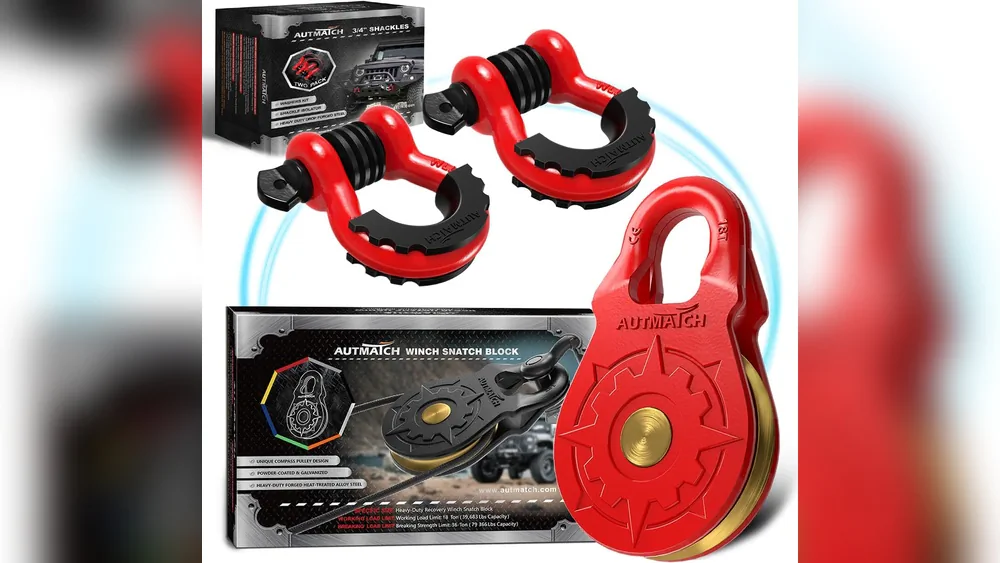
Winch snatch blocks are heavy-duty pulley devices designed to change the direction of your winch line or double the pulling force. They open up, allowing you to insert the line, and close securely with side plates. Recovery rings are newer, compact alternatives made from lightweight, high-strength materials. They work with synthetic winch lines and soft shackles, reducing weight and simplifying setup.
Both tools are used to increase a winch’s flexibility and capacity during vehicle recoveries. The key is to match their rated capacity to your winch and vehicle weight.
How Towing Capacity Is Determined
The towing capacity or load rating of a snatch block or recovery ring is set by the manufacturer and is often measured in tons or kilograms. Most devices display two values:
- Working Load Limit (WLL): The safe, continuous load the device can handle.
- Minimum Breaking Strength (MBS): The maximum force before the tool breaks.
For safe use, always operate well below the breaking strength. A common safety margin is 2-4 times the vehicle’s weight. For example, a 4,000 kg SUV should use a block or ring rated at least 8,000-16,000 kg MBS.
Here’s how typical ratings compare:
| Device | WLL | MBS | Typical Use |
|---|---|---|---|
| Snatch Block (Standard) | 4,000 kg | 16,000 kg | Medium SUVs, Pickups |
| Snatch Block (Heavy Duty) | 8,000 kg | 32,000 kg | Large Trucks |
| Recovery Ring (Medium) | 6,000 kg | 24,000 kg | 4x4s, Jeeps |
| Recovery Ring (Large) | 10,000 kg | 40,000 kg | Commercial Vehicles |

Credit: overlandvehiclesystems.com
Key Factors That Affect Towing Capacity
Several factors directly impact the effective towing capacity of snatch blocks and recovery rings:
- Material Strength: Steel snatch blocks are strong but heavy. Aluminum recovery rings offer high strength-to-weight ratio, but quality varies by brand.
- Winch Line Type: Synthetic rope requires smooth surfaces (like recovery rings). Steel cable can be used with most snatch blocks but may damage softer materials.
- Pulley Size: Larger pulleys reduce friction and wear on the winch line, allowing higher loads.
- Shackle and Anchor Ratings: The weakest point in your recovery setup (including shackles, tree straps, or tow points) limits the overall system’s capacity.
Non-obvious insight: Some users overlook the effect of line angle. When the winch line is not straight, the force on the block or ring can increase by 50% or more. Always try to keep the recovery as straight as possible.
How Snatch Blocks Increase Winching Power
Using a snatch block correctly can almost double your winch’s pulling power. By running the winch line through a snatch block attached to a fixed point, then back to the stuck vehicle, you share the load between the winch and the block.
Here’s a simple example:
- If your winch is rated at 5,000 kg and your snatch block at 8,000 kg WLL, a double-line pull can let you move up to 10,000 kg (in theory).
- However, friction and line angles reduce this advantage. Always factor in at least 10-15% loss for real-world pulls.
A comparison of single-line vs. double-line pulling:
| Configuration | Maximum Effective Pull | Notes |
|---|---|---|
| Single-Line Pull | 5,000 kg | Direct from winch to vehicle |
| Double-Line (Snatch Block) | ~9,000 kg | Includes friction loss |
Recovery Rings: Lightweight, Modern Solution
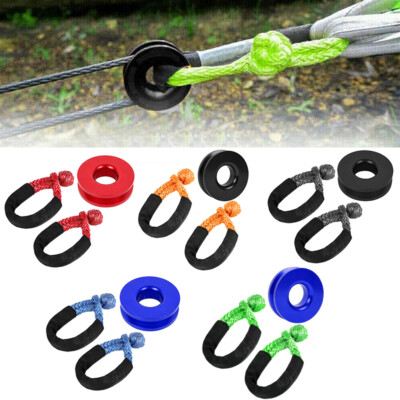
Recovery rings have gained popularity for use with synthetic winch lines. They are lighter, easier to store, and often quicker to set up than traditional snatch blocks. Most are made from aircraft-grade aluminum and have smooth, wide surfaces to protect winch ropes.
Typical towing capacities for recovery rings range from 8,000 kg to 20,000 kg MBS. However, they must be paired with equally strong soft shackles and anchor points. Unlike snatch blocks, recovery rings do not open up, so you need to thread the winch line through the ring and then attach the shackle.
A practical tip: Always check if your winch line fits the diameter of the recovery ring. Using an oversized rope can cause binding and reduce the ring’s effectiveness.
Common Mistakes In Choosing And Using Snatch Blocks And Recovery Rings
Many users make errors that can reduce safety and equipment life:
- Ignoring system ratings: The lowest-rated component (shackle, strap, or anchor) determines the system’s safe working load.
- Using metal-on-metal: Never attach a metal shackle directly to a metal recovery ring; use a soft shackle to avoid damage and reduce the risk of flying projectiles if something breaks.
- Neglecting maintenance: Dirt and grit can wear grooves into both snatch blocks and rings. Clean after every use.
- Forgetting about angle stress: The greater the angle between the winch line and the anchor point, the higher the force on your gear.
A less obvious detail: Operating near the maximum rated load, especially in cold or wet conditions, can lower the material’s strength. Give yourself a safety margin.
Credit: www.ebay.com
How To Select The Right Capacity For Your Recovery Gear
To choose the right snatch block or recovery ring:
- Know your vehicle’s gross weight. Add extra for gear and passengers.
- Multiply by at least two. For off-road recoveries, a safety factor of 2-3 times is standard.
- Match all components. Winch, rope, snatch block or ring, shackles, and anchor points must all be rated for the same load.
- Plan for the worst scenario. Mud or deep sand can double the force needed for recovery compared to solid ground.
For authoritative guidelines, refer to the Vehicle Recovery page on Wikipedia.
Frequently Asked Questions
What Is The Difference Between Wll And Mbs?
WLL stands for Working Load Limit—the safe load for repeated use. MBS is Minimum Breaking Strength—the load at which the equipment will fail. Always use the WLL for planning recoveries.
Can I Use A Recovery Ring With A Steel Winch Cable?
No, recovery rings are designed for synthetic winch lines. Steel cables can damage the ring and are unsafe.
How Much Can A Snatch Block Increase Winch Pulling Power?
A snatch block can almost double your winch’s pulling force with a double-line pull. Actual increase depends on friction and angle.
Are Recovery Rings Safer Than Snatch Blocks?
Recovery rings are safer with synthetic lines and soft shackles due to their lighter weight and design, reducing the risk of flying debris if something fails.
What Happens If I Overload A Snatch Block Or Recovery Ring?
Overloading can cause equipment failure and serious injury. Always use a device rated at least twice the weight of your vehicle, and check for any signs of wear before use.
Choosing the right towing capacity for your winch snatch block or recovery ring is not just about numbers on a label—it’s about understanding your gear, your vehicle, and the recovery situation. With the right knowledge, you can stay safe and get back on the road, no matter how tough the terrain.

Credit: overlandvehiclesystems.com
Related posts
 Why You Should Use a Foam Cannon for Car Washing: Ultimate Guide
Washing your car is more than just making it look good. It protects the paint, keeps the value high, and makes driving feel better. But if…
 How to Clean Leather Seats Without Damaging Them: Expert Tips
Keeping your leather seats clean can be a challenge. Leather looks beautiful and feels luxurious, but it needs special care. Many people worry about damaging their…
 Why Using a Ceramic Coating Spray is Important for Your Car’s Shine
If you care about your car’s appearance and value, you probably wash and wax it regularly. But did you know there’s a better way to protect…