
How to Remove Bug Splatter from Your Car Paint: Expert Tips
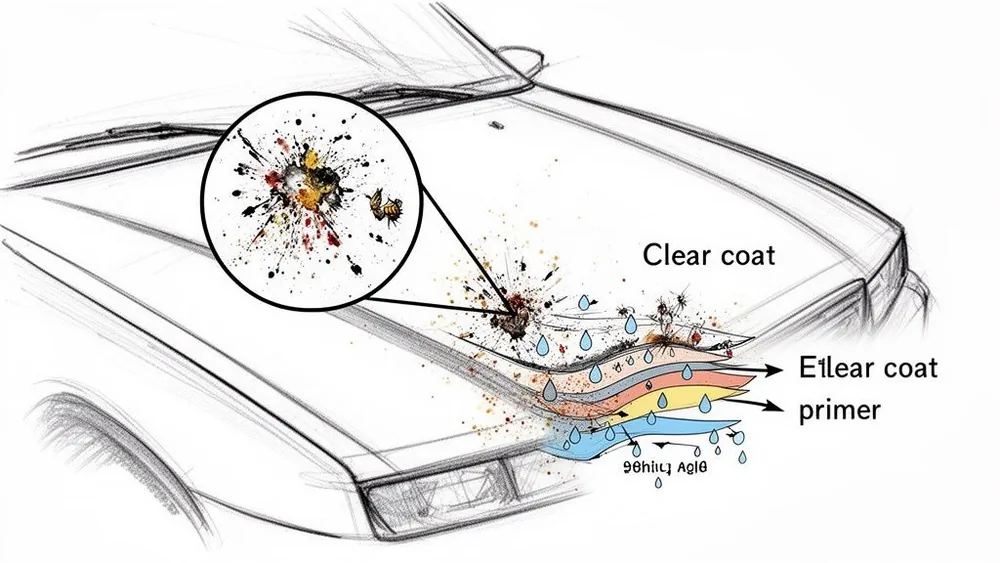
Bug splatter on your car paint is more than just an annoying sight—it can actually harm your vehicle’s surface. Insects hit your car at high speeds, and their bodies leave behind acids, proteins, and other substances that can eat into paint if not removed quickly.
Many drivers ignore bug splatter, but did you know it can cause permanent stains or even damage clear coat in just a few days? If you want your car to look great and stay protected, learning the right way to remove bug splatter is essential.
This guide will show you practical, safe methods using common tools and products, plus share tips that most beginners miss.
Why Bug Splatter Is A Serious Problem
Bug splatter is not just ugly—it’s dangerous for car paint. The mixture of insect blood, body fluids, and acids can dissolve protective layers. Studies show that bug residue can start etching paint in as little as 48 hours. If you drive in summer or rural areas, your car can collect hundreds of bug spots in a single trip.
Here’s what happens:
- Acidic compounds eat through clear coat, exposing paint to sun and moisture.
- Protein and sugars harden into tough spots that regular washing can’t remove.
- Stains and pitting often require expensive repairs if left untreated.
Even modern paints with extra protection still suffer from bugs, especially on bumpers, mirrors, and the windshield area.
Essential Tools And Products For Bug Removal
Before starting, gather the right tools. Using the wrong products can make things worse or scratch your paint.
| Tool/Product | Purpose | Safe for Paint? |
|---|---|---|
| Microfiber towels | Gentle wiping, avoids scratches | Yes |
| Bug remover spray | Breaks down insect residue | Yes (check label) |
| Car shampoo | Cleans surface after bugs removed | Yes |
| Soft sponge | Applies cleaner | Yes |
| Pressure washer | Rinses residue, saves time | Yes (low pressure) |
| Clay bar | Removes stubborn spots | Yes |
| Bug removal mitt | Special texture for tough bugs | Yes |
Many people think dish soap or kitchen sponges work, but these can strip wax or scratch paint. Always use products designed for cars.

Credit: www.carwash.com
Step-by-step Guide: Removing Bug Splatter Safely
Follow these steps for best results and to protect your car’s finish.
1. Rinse And Loosen
Start with a thorough rinse. Use a hose or pressure washer (on low setting) to soften bug residue. This makes removal easier and reduces risk of scratching. If you don’t have a pressure washer, simply soak affected areas with water for 5–10 minutes.
2. Apply Bug Remover
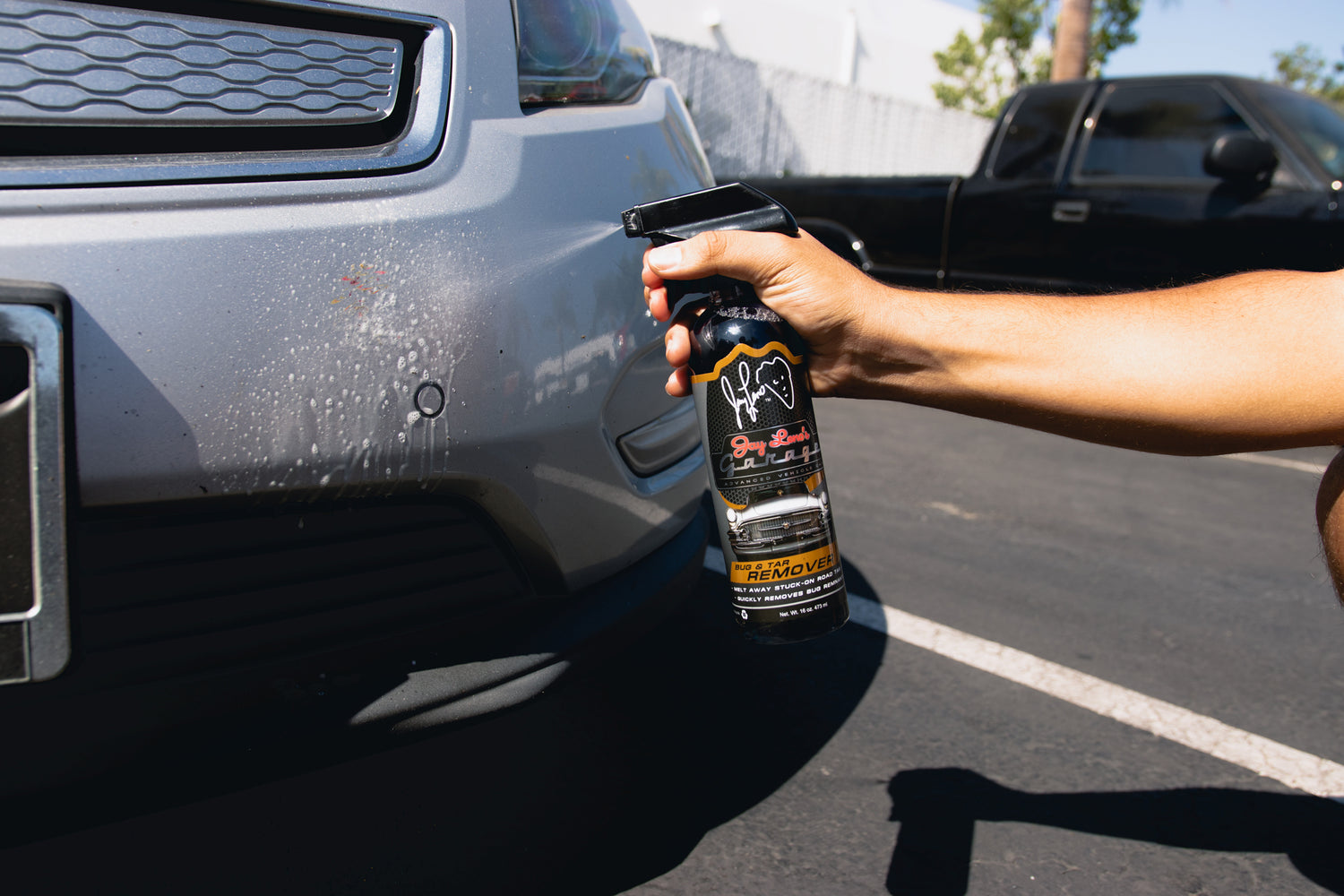
Use a bug remover spray for tough spots. Spray directly on bug splatter and let it sit for 1–2 minutes. Most removers are made to break down acids and proteins without hurting paint. Always read the label to confirm.
If you don’t have bug remover, you can use a mix of car shampoo and warm water. Some people use baking soda paste, but this can leave dull spots if scrubbed too hard.
3. Gently Wipe
Take a microfiber towel or bug removal mitt and wipe the area with light pressure. Never use circular motions—straight lines are safer and help avoid swirl marks.
If bugs are stubborn, repeat the spray and wipe. Don’t force it; patience is key.
4. Wash The Area
Wash the treated area with car shampoo and a soft sponge. This removes any chemical residue and leftover bug parts. Rinse thoroughly.
5. Clay Bar Treatment
For really tough spots, use a clay bar. This tool removes fine particles and stains without harming paint. Flatten the clay, add lubricant (usually car shampoo diluted with water), and gently rub over the bug spots. You’ll notice the clay picks up tiny debris.
6. Dry And Inspect
Dry the cleaned area with a fresh microfiber towel. Check for missed spots or stains. If needed, repeat clay bar or bug remover steps.
7. Reapply Wax Or Sealant
Bug removers and clay bars can strip wax. Apply a layer of car wax or paint sealant to protect the area and restore shine.
Common Mistakes When Removing Bug Splatter
Many beginners make errors that lead to scratches, faded paint, or wasted effort.
- Using rough sponges: Kitchen sponges or brushes scratch paint and leave swirl marks.
- Skipping pre-rinse: Dry bug spots are much harder to remove and can damage paint.
- Leaving remover on too long: Bug remover can dry and cause stains if not wiped off.
- Ignoring re-waxing: Always reapply wax after aggressive cleaning.
- Scrubbing in circles: This spreads dirt and causes visible marks.
- Trying household chemicals: Products like window cleaner or vinegar are harsh and not made for car paint.
Comparing Bug Removers: Which Works Best?
There are many bug remover products on the market. Here’s a quick comparison of three popular options:
| Product | Effectiveness | Paint Safety | Cost |
|---|---|---|---|
| Stoner Bug & Tar Remover | Very high | Safe for all paint types | $8–$10 |
| Meguiar’s Heavy Duty Bug Remover | High | Safe, but strong formula | $10–$12 |
| Turtle Wax Bug & Tar Remover | Medium | Safe (avoid on matte finishes) | $7–$9 |
Always check product reviews and test on a small area first. Some removers are too strong for delicate finishes or older paint.
Extra Tips Most Car Owners Miss
Here are insights that even experienced drivers often overlook:
- Bug splatter is easier to remove if treated within 12 hours. Waiting makes the residue harder and more acidic.
- Apply a bug shield film to high-impact zones like bumpers and mirrors. This protective layer peels off later with bugs stuck to it.
- Keep microfiber towels separate for bug removal. Towels used for wheels or interiors can contain grit that scratches paint.
- Use lukewarm water for rinsing. Cold water hardens bug spots, while warm water softens them.
- Avoid washing in direct sunlight. Heat dries products too fast and makes bugs harder to remove.

Credit: www.amazon.com
How Often Should You Remove Bug Splatter?
Frequency depends on where and how you drive. If you travel highways or rural roads often, check your car for bugs after every trip. In urban areas, weekly cleaning is usually enough.
According to the AAA, cars driven long distances in summer can collect over 500 bug spots per week. Regular removal keeps paint healthy and avoids expensive detailing.
Protecting Your Car Paint After Bug Removal
Bug removal is only part of the solution. Protecting paint helps prevent future splatter from sticking and makes cleaning easier.
Choose The Right Protection
- Car wax: Adds a slick layer that bugs struggle to stick to.
- Paint sealant: Lasts longer than wax, resists acids and UV rays.
- Ceramic coating: Professional option, lasts up to 2 years, very effective against bugs.
| Protection | Durability | Ease of Application | Bug Resistance |
|---|---|---|---|
| Car Wax | 1–2 months | Easy | Medium |
| Paint Sealant | 6–12 months | Moderate | High |
| Ceramic Coating | 1–2 years | Professional | Very high |
Most car owners use wax or sealant after bug removal. If you want low maintenance, consider ceramic coating.
Practical Steps For Ongoing Protection
- Reapply wax or sealant every 2–3 months.
- Use a bug deflector or film for long road trips.
- Clean bugs quickly after driving in affected areas.
Credit: www.lenosgarage.com
Eco-friendly Bug Removal: What Works?
If you care about the environment, avoid harsh chemicals. There are eco-friendly bug removers made from plant-based ingredients. These are safe for paint, people, and pets.
Look for products labeled “biodegradable” or “non-toxic. ” You can also use a mixture of warm water and mild car shampoo. Avoid using vinegar or lemon—these acids can dull paint.
Professional Bug Removal: When To Consider It
If bug splatter has etched your paint, or if you notice fading, pitting, or stains, professional detailing may be needed. Detailers use advanced tools like steam cleaners, polishing machines, and high-grade clay bars. Costs range from $50 to $200 depending on severity and location.
If your car has ceramic coating, ask the detailer for special methods—some chemicals can harm the coating.
Frequently Asked Questions
How Soon Should I Remove Bug Splatter From My Car?
Ideally, remove bug splatter within 12–24 hours. The longer bugs stay, the harder they are to clean and the more damage they cause. Quick action prevents stains and protects paint.
Can I Use Household Products To Remove Bug Splatter?
It’s not recommended. Dish soap, vinegar, or baking soda can harm your car’s clear coat and strip protective wax. Always use products made for automotive surfaces.
Is Bug Remover Safe For All Car Paint Types?
Most bug removers are safe for modern paint finishes. However, check the label and test on a small area. Avoid strong chemicals on matte or specialty paints.
What If Bug Stains Won’t Come Off?
Try a clay bar or professional bug remover. If stains remain, seek help from a detailer. Avoid heavy scrubbing—it can cause permanent marks.
How Can I Prevent Bug Splatter In The Future?
Apply car wax or paint sealant regularly. Consider using a bug shield film on high-impact areas. Clean bugs quickly after driving, and avoid washing in direct sunlight.
Keeping your car paint free from bug splatter is a simple habit with big rewards. With the right tools, products, and techniques, you can protect your vehicle, save money, and enjoy a shine that lasts. Don’t wait until stains appear—take action and keep your car looking its best. For more detailed advice, visit Consumer Reports.
Related posts
 Why You Should Use a Foam Cannon for Car Washing: Ultimate Guide
Washing your car is more than just making it look good. It protects the paint, keeps the value high, and makes driving feel better. But if…
 How to Clean Leather Seats Without Damaging Them: Expert Tips
Keeping your leather seats clean can be a challenge. Leather looks beautiful and feels luxurious, but it needs special care. Many people worry about damaging their…
 Why Using a Ceramic Coating Spray is Important for Your Car’s Shine
If you care about your car’s appearance and value, you probably wash and wax it regularly. But did you know there’s a better way to protect…