
How to Remove Brake Dust from Car Wheels Quickly and Safely
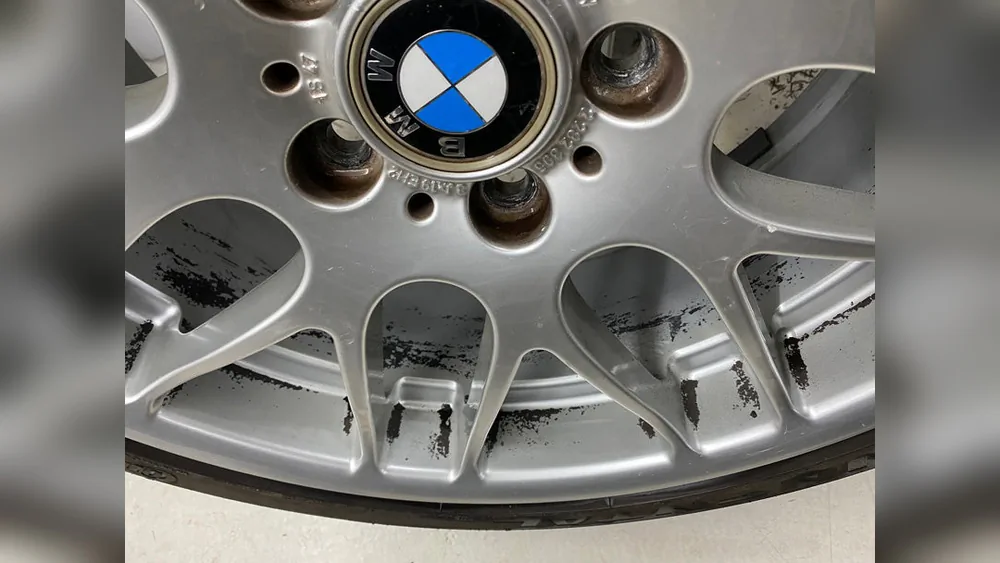
If you own a car, you know how quickly the wheels can get dirty. One of the most stubborn types of dirt is brake dust. Even after a car wash, dark patches often remain on your wheels. This dust is not just an eyesore—it can also damage your wheels if left for too long. Removing brake dust the right way is important for both appearance and long-term care. In this guide, you’ll learn how to clean brake dust safely, why it forms, which products to use, and how to prevent it from returning too quickly.
What Is Brake Dust And Why Does It Matter?
Brake dust is a mix of tiny metal shavings from your brake pads and rotors, combined with road grime. When you press your brakes, the pads and rotors rub together to slow the car. This friction creates fine particles that stick to your wheels. Over time, these particles can build up, especially if you drive often or live in a city.
Why care about brake dust? Besides making your wheels look dirty, it can be corrosive. Brake dust contains iron and other metals that can eat into your wheel’s finish. If not cleaned regularly, it can cause permanent stains and even weaken the wheel surface.
Tools And Products You’ll Need
Before you start cleaning, gather the right tools. Using proper tools makes the job easier and helps avoid scratching or damaging your wheels.
| Item | Purpose | Tip |
|---|---|---|
| Wheel cleaner | Dissolves brake dust | Choose acid-free for sensitive wheels |
| Soft wheel brush | Scrubs without scratching | Look for flagged or microfiber bristles |
| Microfiber towels | Wipes and dries wheels | Prevents swirl marks |
| Bucket of water | Rinses off dirt and cleaner | Use two buckets for best results |
| Wheel sealant (optional) | Protects against future dust | Makes future cleaning easier |
Non-obvious tip: Avoid using the same brush or towel for wheels and paint. Brake dust can scratch your car’s body.
Step-by-step: How To Remove Brake Dust
Cleaning brake dust is simple if you follow these steps. Proper technique helps you get wheels truly clean without harming them.
1. Rinse Wheels With Water
Start by rinsing your wheels with clean water. This removes loose dirt and cools the wheel surface. Never apply wheel cleaner to a hot wheel—heat can cause the cleaner to dry too fast and leave spots.
2. Apply Wheel Cleaner
Spray your wheel cleaner evenly over the surface. Make sure to cover the face, spokes, and inner barrel. Let it sit for the time suggested on the bottle—usually 1–2 minutes. Some cleaners change color as they work, showing that they’re lifting iron particles.
- For painted or coated wheels, use an acid-free cleaner to avoid damage.
- For chrome or bare aluminum wheels, check that the cleaner is safe for these finishes.
3. Agitate With A Soft Brush
Use a soft-bristled brush to scrub the wheel gently. Work the cleaner into all areas—behind spokes, around lug nuts, and near the valve stem. A brush with a long handle can help reach deep into the wheel barrel.
Beginner mistake: Scrubbing too hard or with a stiff brush can scratch the finish. Let the cleaner do most of the work.
4. Rinse Thoroughly
Rinse the wheel with plenty of water. Remove all cleaner and loosened brake dust. Any residue left behind can cause streaks or damage the finish over time.
5. Dry And Inspect
Use a clean microfiber towel to dry the wheel. Check for any spots you missed. If needed, repeat steps 2–4 on stubborn areas.
6. Apply Wheel Sealant (optional)
Once the wheel is clean and dry, you can apply a wheel sealant. This product creates a protective layer that helps repel brake dust and makes future cleaning faster. Apply according to the product instructions.
Comparing Popular Wheel Cleaning Products
Choosing the right cleaner can make a big difference. Here’s a comparison of some common types you’ll find at auto stores:
| Type | Best For | Pros | Cons |
|---|---|---|---|
| Acid-free cleaner | All wheel types | Safe, gentle, widely available | May need extra scrubbing on heavy dust |
| Iron remover | Heavy brake dust | Dissolves iron particles, color-change effect | Strong odor, higher cost |
| Dedicated chrome cleaner | Chrome-plated wheels | Protects shine, gentle | Not for painted wheels |
| Eco-friendly cleaner | Environmental concerns | Biodegradable, safe for runoff | May be less powerful on tough dust |
Non-obvious insight: Iron removers work even on wheels that look “clean.” You’ll often see the cleaner turn purple as it reacts with hidden iron particles.
How Often Should You Clean Brake Dust?
How often you need to clean depends on:
- Your driving style (city driving = more dust)
- The type of brake pads (ceramic pads make less dust)
- Weather and road conditions
A good rule is to clean your wheels at least once a month. If you drive in heavy traffic or have sporty brakes, you may need to clean every two weeks. Regular cleaning keeps dust from building up and becoming harder to remove.
Preventing Brake Dust Build-up
Stopping brake dust completely isn’t possible, but you can reduce how much sticks to your wheels.
- Wheel sealant or wax: These products create a slick surface, making it harder for dust to cling.
- Change brake pads: Ceramic pads produce less dust than semi-metallic ones. If your wheels are always black, consider this upgrade.
- Rinse wheels weekly: Even a quick rinse with water removes some dust before it bonds.
- Choose easy-to-clean wheels: Wheels with wide spokes and simple designs are less likely to trap dust in hard-to-reach spots.

Credit: autosmartretail.com.au
Common Mistakes When Cleaning Brake Dust
Many car owners make the same errors when tackling brake dust. Avoid these for the best results:
- Using dish soap or household cleaners: These can strip protective coatings or stain your wheels.
- Cleaning hot wheels: Always let your wheels cool before cleaning to prevent cleaner from drying too quickly.
- Skipping protection: Not sealing your wheels leaves them exposed to fast build-up.
- Using abrasive tools: Steel wool or stiff brushes scratch the finish and make wheels look worse over time.
- Ignoring the inner barrel: Most brake dust collects inside the wheel, not just on the face.
When To Seek Professional Help
Some cases need more than a DIY approach. If brake dust has been left for years, it may have etched into the finish. Deep stains, pitting, or rough surfaces often require professional detailing or refinishing. Professionals use special chemicals and tools to restore wheels safely.
Pro tip: If you drive a high-end vehicle or have expensive aftermarket wheels, investing in professional cleaning a couple of times a year can protect your investment.
Credit: www.reddit.com
Real-world Example: How A Quick Clean Saved $400
A driver in Los Angeles noticed thick, dark brake dust on his alloy wheels. He ignored it for months, and the dust began to bond with the wheel surface. When he finally cleaned the wheels, the dust had etched into the clear coat, creating permanent gray spots.
A detail shop quoted $400 to refinish all four wheels.
If he had cleaned the wheels monthly, the dust would have washed off easily, saving both money and the original look of the wheels. This story shows why regular cleaning is not just about looks—it’s about preventing expensive repairs.
Quick Reference Guide: Do’s And Don’ts
Here’s a helpful summary to keep your wheels in top shape:
| Do | Don’t |
|---|---|
| Use dedicated wheel cleaner | Use dish soap or acid-based cleaners on sensitive wheels |
| Clean wheels when cool | Spray cleaner on hot wheels |
| Rinse thoroughly after cleaning | Let cleaner dry on the wheel |
| Dry with microfiber towels | Use old rags or paper towels |
| Apply wheel sealant for protection | Skip protection steps |

Credit: www.youtube.com
Frequently Asked Questions
What Causes Brake Dust To Build Up So Quickly?
Brake dust forms every time you use your brakes. City driving, stop-and-go traffic, and performance brakes all create more dust. Certain brake pad materials (like semi-metallic) make more dust than ceramic pads.
Can I Use Household Products To Clean Brake Dust?
It’s best to use products made for car wheels. Household cleaners can damage wheel finishes or fail to remove the iron particles in brake dust. Always check the label for compatibility with your wheels.
How Do I Know If A Wheel Cleaner Is Safe For My Wheels?
Check the product label for the types of wheels it’s safe on. Acid-free and pH-balanced cleaners are good for most wheel types, including painted, clear-coated, and alloy wheels. When in doubt, test on a small spot first.
Will Brake Dust Damage My Wheels If I Leave It Too Long?
Yes, brake dust can be corrosive. If left for weeks or months, it can etch into the finish, causing stains or pitting. This is especially true for wheels without a clear coat or with small cracks in the finish.
Where Can I Learn More About Wheel Cleaning And Car Detailing?
You can find more detailed guides and tips at Wikipedia’s car wash page, which covers car cleaning techniques and products.
Keeping your wheels clean from brake dust is about more than just looks. Regular care protects your wheels, saves money, and makes your car look its best. With the right products and a simple routine, you can keep brake dust under control and enjoy a cleaner, shinier ride every day.
Related posts
 Why You Should Use a Foam Cannon for Car Washing: Ultimate Guide
Washing your car is more than just making it look good. It protects the paint, keeps the value high, and makes driving feel better. But if…
 How to Clean Leather Seats Without Damaging Them: Expert Tips
Keeping your leather seats clean can be a challenge. Leather looks beautiful and feels luxurious, but it needs special care. Many people worry about damaging their…
 Why Using a Ceramic Coating Spray is Important for Your Car’s Shine
If you care about your car’s appearance and value, you probably wash and wax it regularly. But did you know there’s a better way to protect…