
Off-Road Recovery During Adverse Weather Conditions: Essential Tips
Off-road Recovery During Adverse Weather Conditions
Every off-road trip holds some risk, but when the weather turns bad—heavy rain, snow, ice, mud, or high winds—the risks multiply quickly. Many enthusiasts underestimate how much adverse weather conditions change the game for off-road recovery. Roads disappear. Traction vanishes. Getting stuck becomes more likely, and getting out becomes more complex. Knowing how to handle recovery when the weather is against you is a skill that can save your vehicle, your trip, and even your life.
This guide covers what you need to know for off-road recovery during adverse weather conditions. From understanding why bad weather creates unique challenges, to gear, techniques, teamwork, and safety practices, you’ll learn how to prepare and respond effectively.
Why Adverse Weather Changes Everything
Sunny, dry trails are the easiest to handle. When weather is rough, everything is harder. Here’s why:
- Traction drops fast: Wet, icy, or muddy ground offers little grip. Tires slip, winches strain, shovels sink.
- Visibility goes down: Rain, snow, or fog can hide hazards and make navigation difficult.
- Floods and currents: Water can wash away trails and create strong currents that can carry vehicles.
- Temperature stress: Cold drains batteries and can freeze recovery gear. Heat dehydrates and stresses engines.
- Communication problems: Storms can block signals or make radios unreliable.
In these conditions, what works in dry weather may fail. You need to adapt both your mindset and your tools.
Essential Gear For Adverse Weather Recovery
Trying to recover a stuck vehicle without the right gear is risky. Here’s what you should always have in your kit for rough weather:
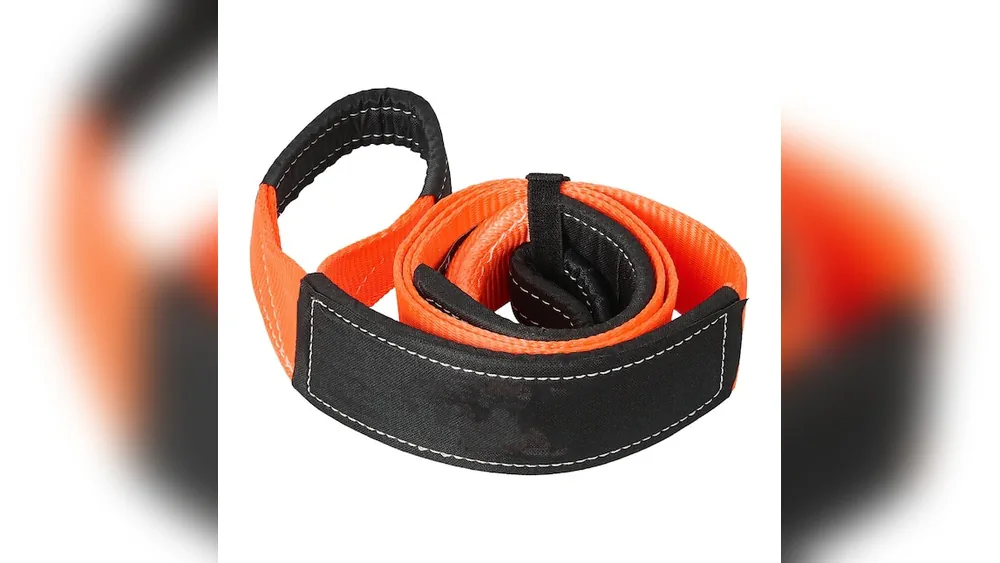
- Recovery straps and kinetic ropes: Look for rated, high-quality straps—at least 17,000 lbs breaking strength.
- Snatch blocks and pulleys: These double your winch power and change pull direction.
- Shackles (soft and steel): Soft shackles are safer, but steel may be more reliable in freezing temperatures.
- Winch (electric or manual): A winch with a waterproof solenoid and synthetic line is best in wet or icy conditions.
- Tire deflators and inflators: Lowering tire pressure increases traction in snow and mud.
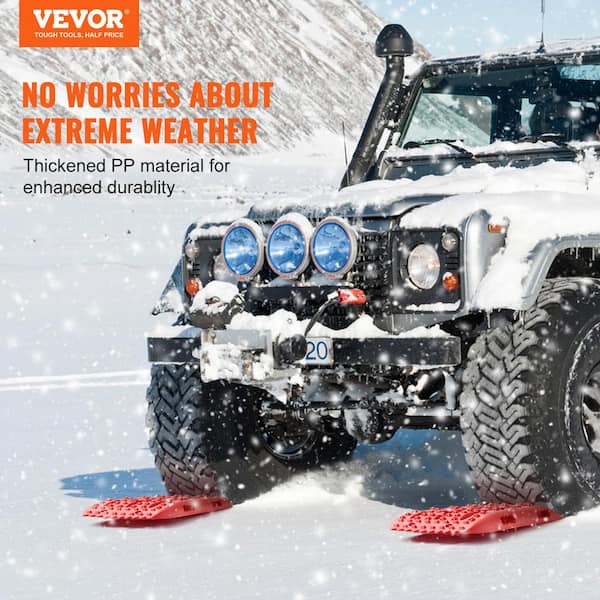
- Traction boards: Choose boards rated for cold, as some plastics crack in freezing weather.
- Shovel (folding or D-handle): Metal shovels last longer and cut through ice or heavy mud.
- Hi-Lift or farm jack: These can lift your vehicle out of deep ruts but need solid ground.
- Gloves and waterproof clothing: Cold hands reduce grip and delay recovery.
- Lighting (headlamps, LED bars): Darkness falls early in storms—good lighting is vital.
- First aid kit: Slips and cuts happen more in wet or icy conditions.
- Communication device: Satellite phone, two-way radio, or personal locator beacon.
Always inspect your gear before you head out, especially after it’s been wet or frozen. Weak straps or corroded shackles can fail under stress.

Credit: www.lowes.com
Preparation: Before You Hit The Trail
A smooth recovery starts before you ever get stuck. Here’s what the experienced off-roaders do:
- Check the forecast: Don’t just look at the temperature. Check for flash flood warnings, wind, and storm timing.
- Tell someone your plan: Share your route and expected return time with a friend or family member.
- Travel in groups: Solo recovery in bad weather is dangerous. Two vehicles or more is much safer.
- Inspect your vehicle: Batteries, tires, fluids, and lights need to be in top shape for adverse weather.
- Pack extra supplies: Food, water, blankets, and dry clothes can be life savers if you get stranded.
- Know the terrain: Download offline maps and mark escape routes. Rivers and valleys can flood quickly.
A common mistake is trusting your GPS or phone for navigation. Signal can vanish in storms or remote areas. Carry a paper map as a backup.
Techniques For Safe Off-road Recovery In Bad Weather
When you or a friend gets stuck, the right technique matters more in bad weather. Here are proven steps:
1. Assess The Situation Safely
First, step out carefully. Deep mud or snow can hide holes or currents. Check for hazards like fast water, soft ground, or downed trees.
2. Reduce Tire Pressure
Letting air out of your tires—down to 15–18 psi for mud or snow—gives you a bigger contact patch and more grip. Use a tire deflator and check with a gauge.
3. Dig And Clear Around Tires
Remove mud, snow, or sand in front of and behind the tires. Clear a path several feet long. Shoveling makes recovery gear work better and reduces strain.
4. Use Traction Boards
Place the boards under your tires at an angle. They help your tires climb out of ruts and reduce wheelspin. In snow, place them with the grip side up.
5. Winch Recovery
- Anchor selection: Use a solid tree, another vehicle, or a ground anchor. Avoid weak or dead trees.
- Snatch block setup: If you need more power, run your winch line through a snatch block to double the pulling force.
- Winch slowly: Sudden pulls can snap lines. Use slow, steady tension.
- Monitor the line: Snow and ice can hide weak spots. Check for ice buildup on synthetic winch lines.
6. Kinetic Strap Recovery
If you have another vehicle, use a kinetic strap for a gentle pull. The elasticity reduces shock loads, but only use rated straps—never tow straps or chains, which can break dangerously.
7. Jacking
A Hi-Lift jack can raise a stuck wheel, but only use it on solid ground or with a wide base. In snow or mud, place a board under the jack for stability.
8. Avoid Spinning The Tires
Spinning only digs deeper. If you don’t move after a few seconds, stop and try a different method.
9. Communication And Signals
In storms or fog, stay visible. Use radios, hand signals, or even flares if needed.
Credit: www.homedepot.com
Dealing With Specific Weather Challenges
Different weather brings different hazards. Here’s what to watch for:
Heavy Rain And Flash Floods
- Never cross fast water: Just 12 inches can float most vehicles.
- Check water depth: Use a stick or wade first if safe.
- Watch for washouts: Roads may be gone under the water.
- Move to higher ground: Floods rise quickly—act fast.
Deep Snow And Ice
- Keep momentum: In deep snow, a slow but steady pace prevents bogging down.
- Carry a snow shovel: Regular shovels don’t cut through crusted snow or ice.
- Watch for ice: Black ice is invisible and extremely slippery.
Muddy Trails
- Walk the trail first: Test with your foot to see how deep the mud goes.
- Avoid wheelspin: Mud tires help, but too much throttle digs holes.
- Use low gear: Keep engine RPMs steady and controlled.
High Winds
- Secure all gear: Loose items can become dangerous.
- Stay clear of trees: Branches or whole trees may fall.
- Park facing into the wind: Reduces the risk of being pushed sideways.
Teamwork And Communication
Recovery is not a solo job in bad weather. Clear roles and communication prevent accidents.
- Assign a spotter: One person guides the driver and watches for hazards.
- Use radios or hand signals: Voice commands can be lost in wind or rain.
- Keep everyone clear: Only essential personnel near recovery lines. Watch for snapping straps or swinging gear.
A non-obvious tip: In freezing weather, keep radios and phones inside your jacket to protect batteries from dying.
Safety Mistakes To Avoid
Even experienced off-roaders make mistakes in harsh conditions. Here are common errors and how to avoid them:
- Ignoring weather warnings: Many recoveries go wrong because people ignore bad forecasts.
- Overestimating gear: Even the best winch or strap can fail if not rated for your vehicle’s weight.
- Standing over lines: Never stand over or near a recovery line under tension.
- Using old/damaged gear: Retire any gear with cuts, frays, or rust.
- Going alone: Solo recovery in bad weather is risky unless you have advanced skills and satellite communication.
Real-world Examples
- In 2018, a group in Colorado became stranded during a blizzard. They survived because they had enough food and clothing, and they stayed with their vehicles until help arrived.
- A 2022 study by the National Weather Service found that vehicle recoveries during floods are the second-highest cause of storm-related deaths after tornadoes.
- In Australia, many off-roaders now carry personal locator beacons after several rescues in remote, flooded areas where cell service failed.
These examples show that preparation and the right decisions make all the difference.
Credit: www.alibaba.com
Comparison Of Recovery Gear For Different Weather
Here’s how common recovery tools perform in various weather:
| Gear | Rain/Flood | Snow/Ice | Mud | Wind |
|---|---|---|---|---|
| Winch | Excellent | Good (watch line freeze) | Excellent | Good |
| Traction Boards | Good | Excellent | Good | OK |
| Hi-Lift Jack | Fair (slippery) | Fair (needs base) | Poor (unstable) | Good |
| Kinetic Rope | Good | Poor (can snap frozen) | Excellent | Good |
How Weather Affects Recovery Times
Recovery in bad weather usually takes longer. Here’s an approximate comparison for a single stuck vehicle:
| Weather | Average Recovery Time | Complicating Factors |
|---|---|---|
| Clear/Dry | 20-30 minutes | None/minimal |
| Rain/Mud | 45-90 minutes | Slippery ground, stuck gear |
| Snow/Ice | 60-120 minutes | Frozen gear, deep snow |
| Flooded | 2-4 hours | Rising water, current |
Smart Recovery Habits For Bad Weather
- Stay calm: Panic leads to mistakes.
- Work slowly: Rushing leads to gear failure or injury.
- Double-check everything: Shackles, straps, and anchors especially.
- Protect the environment: Avoid tearing up trails or damaging trees.
- Plan for the worst: Always have a backup exit plan.
One insight most beginners miss: Sometimes, the best recovery is to wait. If conditions are getting worse, it may be safer to shelter in place and call for help than to risk a dangerous recovery attempt.
Where To Learn More
Off-road clubs, local 4×4 shops, and training courses are valuable resources. For deeper reading, the Tread Lightly! initiative offers excellent advice on responsible off-road travel and recovery.
Frequently Asked Questions
What’s The Safest Way To Recover A Vehicle In A Flood?
Never attempt to recover a vehicle in moving water deeper than the bottom of your doors. Floods are powerful and unpredictable. If safe, use a winch from higher ground. If not, wait for rescue teams with proper equipment.
How Do I Stop My Winch Line From Freezing?
Keep your synthetic winch line dry and stored inside the vehicle if possible. In freezing weather, check the line for ice and cracks before use. Warm the line in your hands if needed and avoid sudden tension.
Is It Safe To Use A Hi-lift Jack In Deep Mud?
Hi-Lift jacks can sink or slip in mud. Use a wide base plate under the jack to spread the load. Always keep your body clear of the jack handle and never work under a vehicle supported only by a Hi-Lift in unstable ground.
Can I Use Regular Tow Straps For Kinetic Recovery?
No. Regular tow straps are not elastic and can break dangerously under load. Use only kinetic recovery ropes or straps specifically rated for your vehicle’s weight and recovery type.
What Is The Best Way To Communicate During Storms Or In Remote Areas?
Satellite messengers, personal locator beacons, or two-way radios are most reliable. Cell phones often fail in storms or remote locations. Always keep communication gear charged and protected from the weather.
Off-road recovery during adverse weather is challenging, but with the right preparation, gear, and mindset, you can handle even the toughest situations. Stay informed, stay safe, and enjoy the adventure—no matter what the weather brings.
Related posts
 Why You Should Use a Foam Cannon for Car Washing: Ultimate Guide
Washing your car is more than just making it look good. It protects the paint, keeps the value high, and makes driving feel better. But if…
 How to Clean Leather Seats Without Damaging Them: Expert Tips
Keeping your leather seats clean can be a challenge. Leather looks beautiful and feels luxurious, but it needs special care. Many people worry about damaging their…
 Why Using a Ceramic Coating Spray is Important for Your Car’s Shine
If you care about your car’s appearance and value, you probably wash and wax it regularly. But did you know there’s a better way to protect…