How Does a Snatch Block Improve Winching Performance? Expert Guide
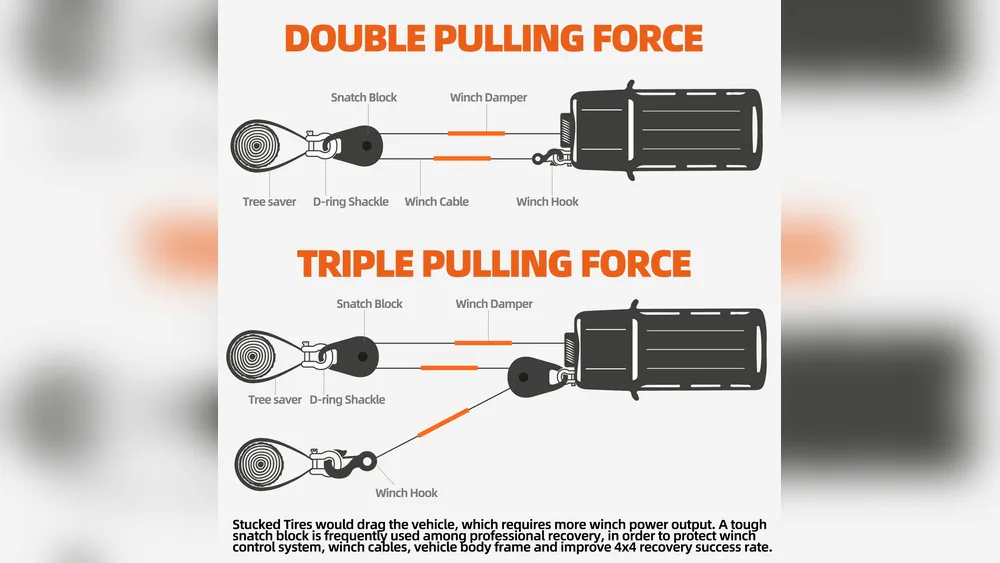
If you’ve ever been stuck in mud, sand, or snow, you know how important a winch can be. But even with a strong winch, sometimes recovery feels impossible. That’s where a snatch block changes the game. This simple tool not only makes winching safer, but also boosts the overall performance of your recovery setup. Let’s explore how a snatch block works and why it’s a must-have for anyone who uses a winch.
What Is A Snatch Block?
A snatch block is a type of pulley designed for winching. It has a free-spinning wheel inside a metal casing. Unlike a fixed pulley, a snatch block has a side plate that opens, so you can place the winch line inside without threading it through the end. This feature makes it quick and easy to use in tough situations.
The main idea is simple: the snatch block changes the direction and force of the winch line. But the benefits go far beyond that.
The Mechanics: How A Snatch Block Works
To understand the improvements in winching performance, it helps to know how the snatch block works in practice. Here’s what happens:
- The winch line is pulled out and wrapped around the snatch block’s pulley.
- The snatch block is attached to a sturdy anchor point, such as a tree or recovery point.
- As the winch pulls, the line moves through the snatch block, changing direction as needed.
This simple setup opens up many possibilities that make recovery safer and more effective.
Doubling Winch Pulling Power
One of the biggest advantages of a snatch block is its ability to double the pulling power of your winch. Here’s how this works:
When you use a snatch block to create a double-line pull, you split the load between two sections of the winch cable. For example, if you have a 9,000-pound winch, a snatch block can let you pull nearly 18,000 pounds (minus friction losses).
This is especially useful when pulling heavy vehicles or dealing with deep mud.
Real-world Example
Imagine your SUV weighs 5,000 pounds and is stuck in a swampy area. The suction from the mud adds extra resistance—sometimes up to double the vehicle’s weight. Your 9,000-pound winch might not be enough. But using a snatch block, you can boost the pulling force and get free without overloading your winch.
Simple Data Table: Single Vs. Double Line Pull
| Setup | Max Pulling Capacity | Winching Speed |
|---|---|---|
| Single Line | 100% | 100% |
| Double Line (with Snatch Block) | ~200% | ~50% |
Reducing Winch Strain And Heat
Winches can overheat if used at their limits for too long. By using a snatch block, you reduce the load on the winch motor and gears. This means the winch works less hard, generates less heat, and lasts longer.
Why Does This Matter?
- Extended winch life: Less strain means fewer breakdowns and lower repair costs.
- Safer recovery: Overheated winches can fail suddenly, which is dangerous during recovery.
Improving Winching Angles And Direction
Sometimes the straightest path isn’t an option. Maybe trees, rocks, or other vehicles are in the way. A snatch block lets you change the direction of the winch line safely.
How It Helps
- Avoid obstacles: Route the winch line around trees or rocks.
- Side pulls: Recover vehicles stuck off to the side, not directly in front of the winch.
- Complex recoveries: Handle tricky situations, such as rolling a vehicle upright.
Example Scenario
You’re on a narrow trail with your truck angled sideways in a ditch. There’s no anchor point directly in front. By using a snatch block, you can pull from the side, making recovery possible where a straight pull would fail.
Safety Benefits Of Using A Snatch Block
Safety is a top reason professionals always carry a snatch block. Here’s why:
- Lower line tension: The snatch block spreads the load, reducing the chance of cable snap.
- Controlled recovery: Pulls are smoother, with less sudden jerking.
- Flexibility: You can use creative anchor points, keeping people away from dangerous areas.
Key Safety Tip
Always check your snatch block’s rated capacity. Never exceed the safe working load. Using a snatch block that’s too small for your winch can be just as dangerous as not using one at all.
Common Winching Mistakes Without A Snatch Block
Many beginners make the same errors when winching without a snatch block:
- Overloading the winch: Pulling more weight than the winch can handle causes overheating and cable failure.
- Poor line angles: Winching at a sharp angle can damage the cable and reduce pulling force.
- Ignoring obstacles: Without a snatch block, you might have to pull in unsafe directions or over sharp objects.
A snatch block corrects these mistakes, making the recovery process smoother and safer.
How To Use A Snatch Block: Step-by-step Guide
Setting up a snatch block doesn’t have to be complicated. Here’s how to do it right:
- Choose a strong anchor point: Trees, boulders, or recovery points on another vehicle.
- Open the snatch block: Swing open the side plate.
- Insert the winch line: Place it over the pulley wheel, then close the block.
- Attach the snatch block to the anchor: Use a rated shackle or tree saver strap.
- Check everything: Make sure all connections are secure and the pulley spins freely.
- Start winching slowly: Keep an eye on the snatch block and winch line as you pull.
- Stand clear: Never stand near the winch line under tension.
Practical Tip
Always carry gloves and check your gear before every recovery. Dirt and grit can damage the snatch block’s pulley and reduce performance.
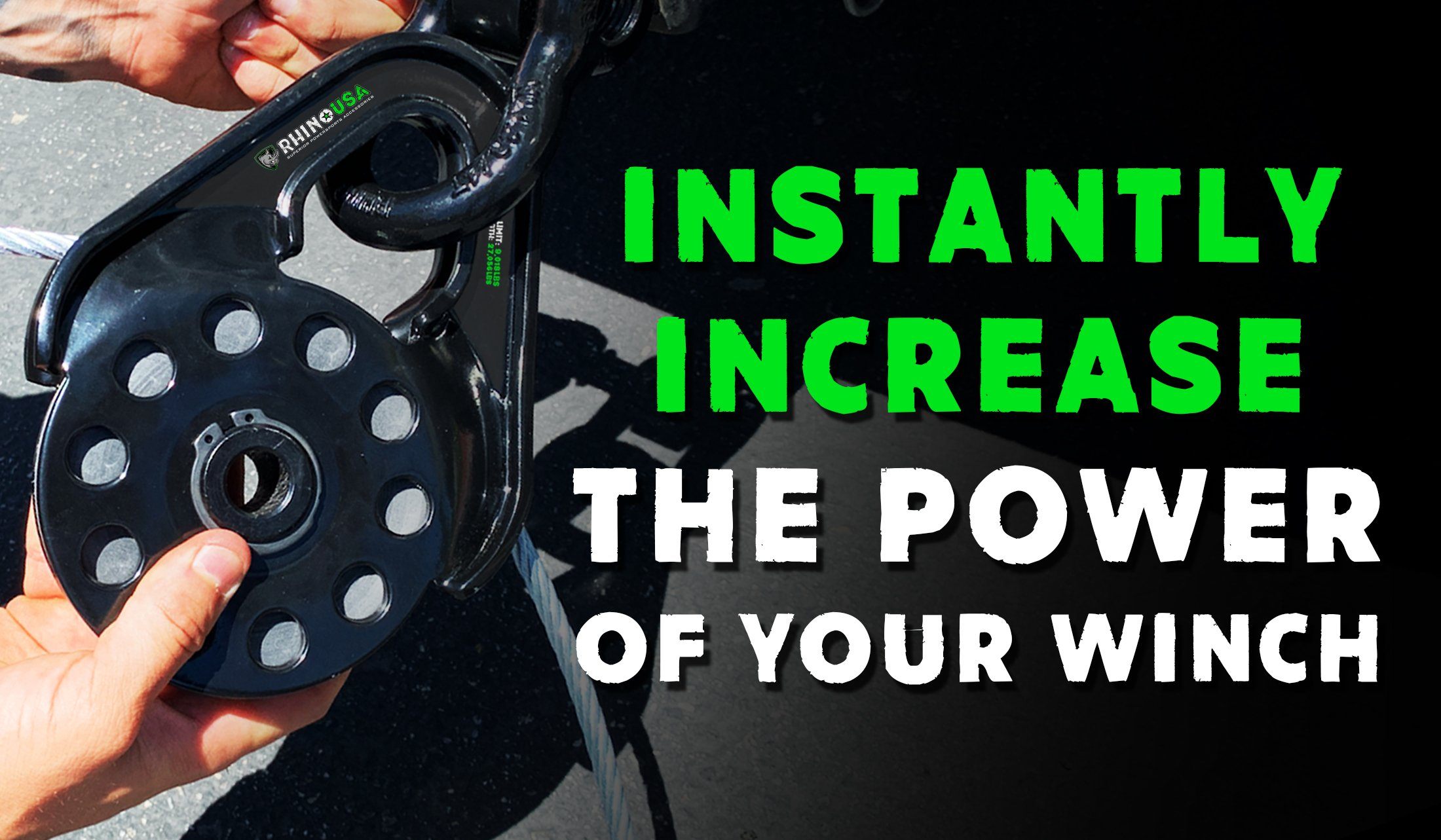
Credit: www.rhinousainc.com
Snatch Block Versus Other Recovery Tools
Some people wonder if other tools can replace a snatch block. Here’s a quick comparison:
| Tool | Main Function | Boosts Pulling Power? | Changes Pull Angle? |
|---|---|---|---|
| Snatch Block | Redirects & multiplies force | Yes | Yes |
| Soft Shackle | Connects recovery points | No | No |
| Tree Saver Strap | Protects anchor point | No | No |
| Winch Extension Strap | Adds line length | No | No |
As you can see, the snatch block is unique. It’s the only tool that both increases pulling power and lets you change direction safely.
Choosing The Right Snatch Block
Not all snatch blocks are equal. Here’s what matters most:
- Rated capacity: Match or exceed your winch’s maximum pulling power.
- Sheave size: Make sure the pulley fits your winch line diameter.
- Build quality: Look for heavy-duty bearings and solid construction.
- Ease of use: Quick-release side plates save time in emergencies.
Common Buyer Mistakes
- Choosing a snatch block with a lower rating than the winch.
- Using a block designed for steel cable with a synthetic winch line (or vice versa).
- Ignoring proper lubrication and maintenance.
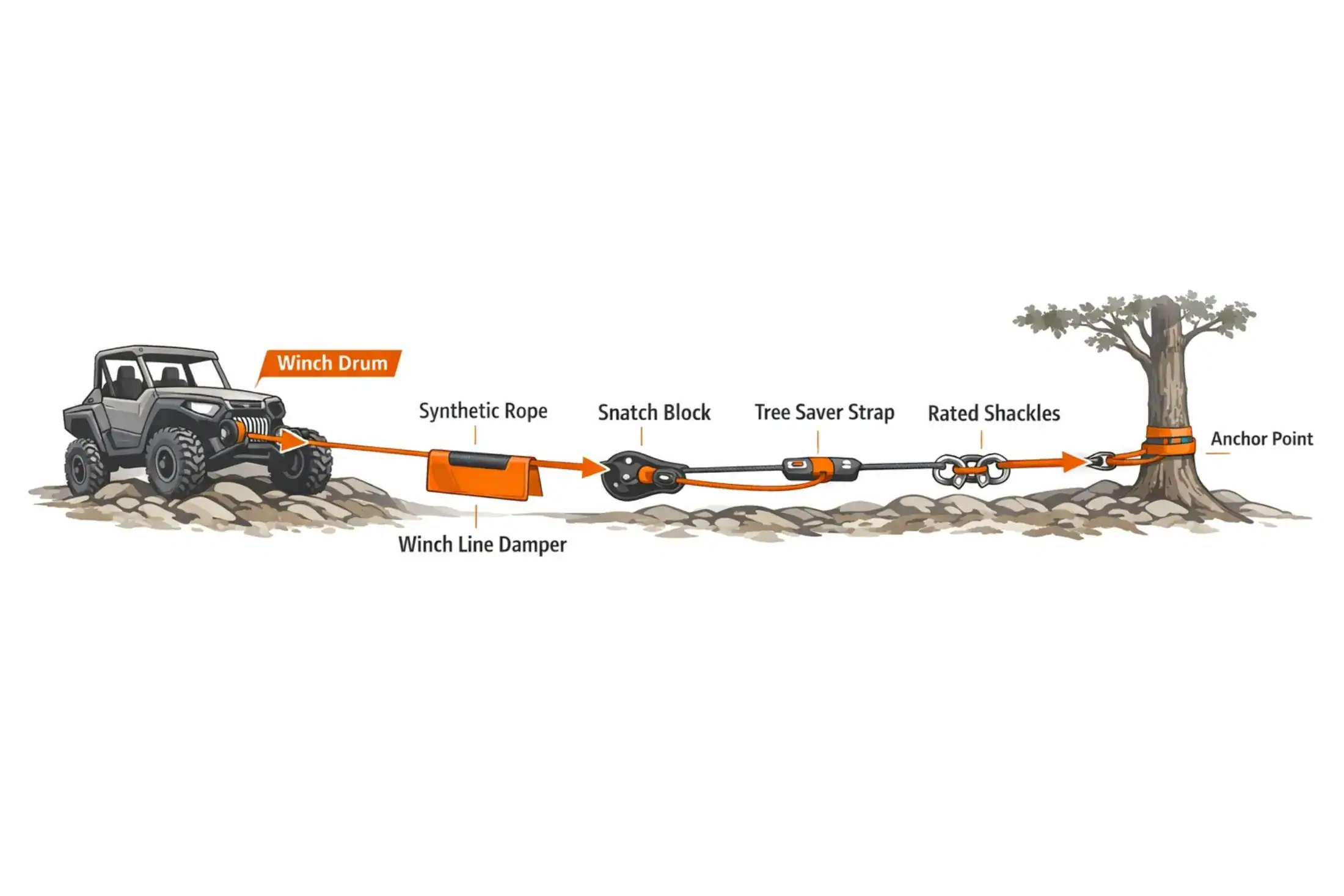
Credit: atvnotes.com
Maintenance And Longevity Tips
A snatch block is only as reliable as its condition. Here’s how to keep it working:
- Inspect before every use: Check for cracks, rust, and worn bearings.
- Lubricate regularly: Use grease on the pulley wheel for smooth operation.
- Clean after use: Remove mud, sand, and moisture.
- Store properly: Keep it dry and free from direct sunlight.
With proper care, a good snatch block will last for years and handle many recoveries.
Real-world Winching Scenarios
Let’s look at two practical examples to see how a snatch block improves winching performance:
Scenario 1: Solo Vehicle Recovery
You’re driving alone and get stuck in thick snow. Your winch is rated for 12,000 pounds, but the resistance feels higher. Using a snatch block, you set up a double-line pull to a tree 20 feet away. The extra power helps free your vehicle without stressing the winch.
Scenario 2: Changing Pull Direction
Your friend’s truck is wedged between rocks, and the only anchor point is off to the side. You attach a snatch block to a sturdy tree, run the winch line through it, and pull the truck sideways. The recovery is smooth, and you avoid damaging the cable or vehicle.
These examples show why experienced off-roaders always pack a snatch block.

Credit: www.piercearrowinc.com
Advanced Uses And Tips
While most people use snatch blocks for simple double-line pulls or changing direction, advanced users find more creative ways:
- Multiple snatch blocks: For complex recoveries, such as lowering vehicles down steep slopes.
- Mechanical advantage: Using two or more snatch blocks can triple or quadruple pulling power (though each block adds friction).
- Load equalization: Splitting force between two anchor points to reduce stress on trees or recovery gear.
Non-obvious Insight
Many beginners overlook the impact of friction. Each snatch block adds a bit of resistance, so the final pulling power is slightly less than pure mathematics suggest. Always factor in about 10-15% loss due to friction, especially with older or poorly maintained blocks.
Environmental And Ethical Winching
Using a snatch block isn’t just about power—it’s also about protecting the environment. By changing pull angles, you can avoid damaging trees, rocks, or sensitive terrain. Using tree saver straps together with a snatch block is the most responsible way to anchor your winch.
When Not To Use A Snatch Block
While snatch blocks are incredibly useful, they’re not needed for every winch job. Here’s when to skip them:
- Light pulls: If your winch can easily handle the load, a straight pull is faster.
- Short recoveries: For very short distances, extra setup time may not be worth it.
- Limited space: If you can’t safely anchor the snatch block, don’t force it.
Understanding when to use—or not use—a snatch block is part of becoming a skilled off-roader or recovery expert.
Frequently Asked Questions
What Is The Main Purpose Of A Snatch Block In Winching?
The main purpose is to increase pulling power and change the direction of the winch line. This helps recover stuck vehicles that a single-line pull cannot move.
Can A Snatch Block Be Used With Synthetic Winch Lines?
Yes, but you must choose a snatch block with a smooth, wide pulley designed for synthetic lines. Metal burrs or sharp edges can damage synthetic rope.
How Much Does Using A Snatch Block Reduce Winching Speed?
A double-line pull with a snatch block cuts winching speed by about half. This is because the winch line travels twice the distance for the same amount of vehicle movement.
Is It Safe To Use More Than One Snatch Block At A Time?
Yes, advanced recoveries sometimes use two or more snatch blocks. However, each block adds friction and complexity, so make sure all equipment is rated for the total load.
Where Can I Learn More About Safe Winching Techniques?
You can find reliable information from the Four Wheel Drive Association of British Columbia, which covers safe winching and recovery methods.
Whether you’re an off-road enthusiast, tow truck operator, or adventurer, understanding how a snatch block improves winching performance will make your recoveries safer, faster, and more successful. Don’t wait until you’re stuck—add a quality snatch block to your recovery kit and practice using it before you need it most.
Related posts
 Why You Should Use a Foam Cannon for Car Washing: Ultimate Guide
Washing your car is more than just making it look good. It protects the paint, keeps the value high, and makes driving feel better. But if…
 How to Clean Leather Seats Without Damaging Them: Expert Tips
Keeping your leather seats clean can be a challenge. Leather looks beautiful and feels luxurious, but it needs special care. Many people worry about damaging their…
 Why Using a Ceramic Coating Spray is Important for Your Car’s Shine
If you care about your car’s appearance and value, you probably wash and wax it regularly. But did you know there’s a better way to protect…