How to Select the Right Winch for Off-Road Vehicles: Expert Tips
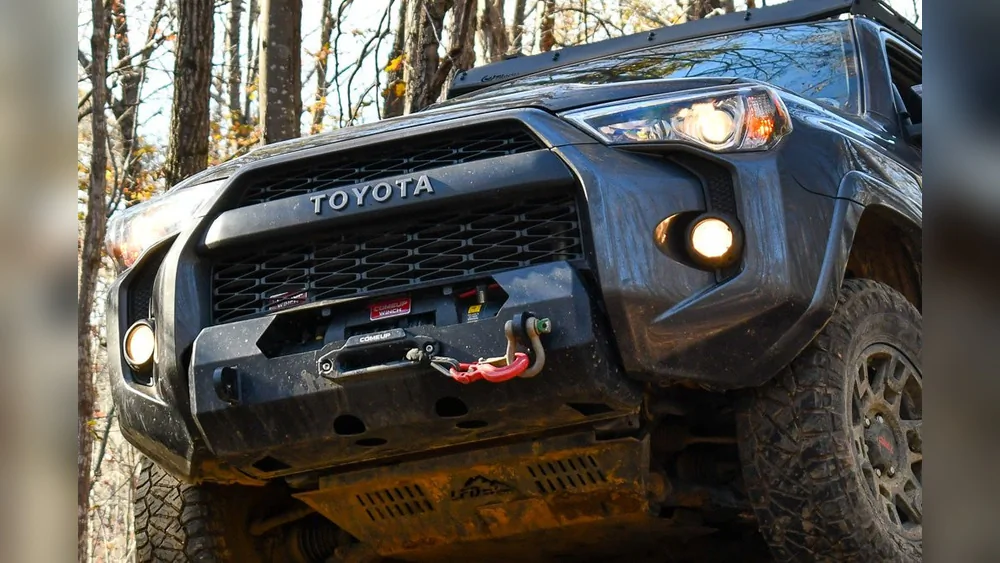
Choosing the right winch for your off-road vehicle isn’t just about picking a brand or the strongest model. A winch is your lifeline when you’re stuck in mud, snow, or sand—so your choice matters. Make the wrong decision, and you might end up stranded.
This guide will help you find the perfect winch for your specific off-road needs, break down what truly matters, and point out details many beginners miss.
Understand Your Vehicle’s Weight
The first step is knowing the gross vehicle weight rating (GVWR) of your off-road vehicle. This number includes your car, any modifications, passengers, and gear. A common mistake is only considering the base weight, not the actual loaded weight.
Experts recommend a winch with a pulling capacity of at least 1.5 times your GVWR. For example, if your loaded vehicle weighs 6,000 pounds, choose a winch rated for at least 9,000 pounds. This ensures the winch won’t struggle or overheat.
| Vehicle Type | Average GVWR | Recommended Winch Capacity |
|---|---|---|
| Jeep Wrangler | 5,000 lbs | 8,000 lbs |
| Toyota Tacoma | 6,000 lbs | 9,000 lbs |
| Ford F-150 | 7,000 lbs | 10,500 lbs |
Types Of Winches: Electric Vs. Hydraulic
There are two main types of winches for off-roading: electric winches and hydraulic winches. Both have their own strengths.
- Electric winches are powered by your vehicle’s battery. They are easier to install and more popular for off-road vehicles. They work even if your engine stalls, as long as the battery is alive.
- Hydraulic winches use your power steering pump. They can pull for longer periods without overheating, but only work when the engine is running. They are common in heavy-duty or commercial applications.
For most off-road enthusiasts, electric winches are the practical choice due to ease of use, installation, and repair.
Rope Material: Steel Cable Vs. Synthetic Rope
The winch rope or line is what actually pulls your vehicle out. You can choose between steel cable and synthetic rope.
| Rope Type | Strengths | Weaknesses |
|---|---|---|
| Steel Cable | Durable, heat-resistant, cheaper | Heavy, can cause injury if snapped, rusts |
| Synthetic Rope | Lighter, safer, floats on water | More expensive, UV sensitive, needs protection from chemicals |
Synthetic rope is becoming more popular because it’s lighter and safer. If it breaks, it falls to the ground instead of snapping dangerously. However, steel cable is still chosen for its durability and lower cost.
Line Speed And Gear Ratio
Line speed is how quickly the winch pulls in the rope. Faster isn’t always better. A winch with a higher gear ratio can pull heavier loads, but usually at a slower speed.
- Low gear ratio: Faster line speed, less power
- High gear ratio: Slower line speed, more pulling power
Think about what you need. For heavy recoveries, a higher gear ratio is safer. For lighter vehicles or occasional use, a lower gear ratio works.

Credit: gearjunkie.com
Mounting Options
Winches can be mounted in different ways, depending on your vehicle and how you plan to use them.
- Bumper-mounted: Most common and practical for off-roaders. The winch sits on or behind your front bumper.
- Multi-mount: Uses a receiver hitch, so you can move the winch between vehicles.
- Hidden mount: Winch is concealed for a clean look but harder to access for maintenance.
Most people choose bumper mounts for reliability and easy access. Make sure your bumper is winch-ready or reinforced to handle the stress.
Important Features To Consider
Several winch features make a big difference in real-world use:
- Remote control: Lets you operate the winch from a safe distance. Wireless remotes add convenience but can be less reliable in harsh conditions.
- Automatic brake: Keeps the load secure if you stop winching.
- Sealed solenoids and motors: Protects electronics from water and mud, critical for off-road use.
- Fairlead type: Roller fairleads for steel cable; hawse fairleads for synthetic rope.
A common beginner mistake is ignoring waterproof ratings. Off-roading often means mud, rain, or river crossings—a waterproof winch is a smart investment.
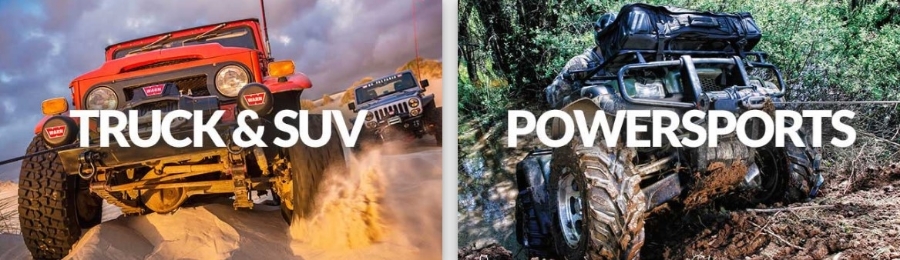
Credit: www.warn.com
Matching Winch To Terrain And Usage
Not all terrains demand the same winch. If you mostly drive on rocky trails, you might not need as much pulling power as someone who drives through deep mud or snow. Consider:
- Mud/snow: Go up a winch size, as stuck vehicles require more pulling power.
- Sand: Synthetic rope is better because it won’t rust from salt or moisture.
- Rock crawling: Faster line speed may be useful for quick recoveries.
For those who often travel alone, a reliable winch is even more important. If you’re part of a group, you might get away with a smaller winch, but don’t rely on others to rescue you.
Budget And Brand Reliability
Winches range from a few hundred to over a thousand dollars. Don’t just buy the cheapest or the most expensive. Focus on brand reputation and warranty. Some well-known brands like Warn, Smittybilt, and Superwinch have proven reliability and offer strong support.
It’s wise to read real user reviews and look for proven performance in conditions similar to where you’ll be driving. A longer warranty often indicates confidence in the winch’s build quality.
Common Mistakes To Avoid
- Underestimating weight: Always calculate with gear and passengers included.
- Neglecting electrical upgrades: High-powered winches can drain weak batteries quickly. Upgrade your battery or alternator if needed.
- Ignoring rope maintenance: Both steel and synthetic lines need regular checks for frays or rust.
- Not practicing recovery: Learn to use your winch before you actually need it.
- Skipping safety gear: Always carry gloves, a winch damper, and recovery straps.
Example: Choosing For A Mid-size Suv
Let’s say you drive a Toyota 4Runner. Fully loaded for camping, it weighs about 6,500 lbs. Following the 1.5x rule, look for a winch with at least 10,000 lbs capacity. If you often cross rivers, a synthetic rope is safer. For mountain trails, a sealed, waterproof electric winch with a wireless remote is ideal.

Credit: www.hookeroad.com
Frequently Asked Questions
What Size Winch Do I Need For My Jeep?
For most Jeeps, an 8,000 to 10,000 lbs winch is ideal. Always check your loaded weight and follow the 1.5x rule.
Is Synthetic Rope Better Than Steel Cable?
Synthetic rope is lighter and safer, but steel cable is more durable and less expensive. Choose based on your terrain and safety concerns.
Can I Install A Winch Myself?
Most electric winches are DIY-friendly with basic tools. Ensure your bumper is strong enough and follow the manufacturer’s wiring instructions.
How Do I Maintain My Winch?
Regularly check the rope for damage, keep electrical connections clean, and test the winch before every trip.
What Should I Do If My Winch Gets Submerged?
Disconnect the winch, dry all components, and check for water inside the motor or solenoid. Properly sealed winches resist water damage, but always inspect after submersion.
—
Selecting the right winch for off-road vehicles is about matching winch capacity, rope type, and features to your vehicle and terrain. Avoid common mistakes by considering total vehicle weight, electrical needs, and real-world usage. A quality winch can turn a risky adventure into a safe, enjoyable one. For more in-depth technical comparisons, visit Wikiwand. Take your time, do your research, and you’ll be ready for any off-road challenge.
Related posts
 Why You Should Use a Foam Cannon for Car Washing: Ultimate Guide
Washing your car is more than just making it look good. It protects the paint, keeps the value high, and makes driving feel better. But if…
 How to Clean Leather Seats Without Damaging Them: Expert Tips
Keeping your leather seats clean can be a challenge. Leather looks beautiful and feels luxurious, but it needs special care. Many people worry about damaging their…
 Why Using a Ceramic Coating Spray is Important for Your Car’s Shine
If you care about your car’s appearance and value, you probably wash and wax it regularly. But did you know there’s a better way to protect…