
How to Remove Stains from Fabric Floor Mats Effectively
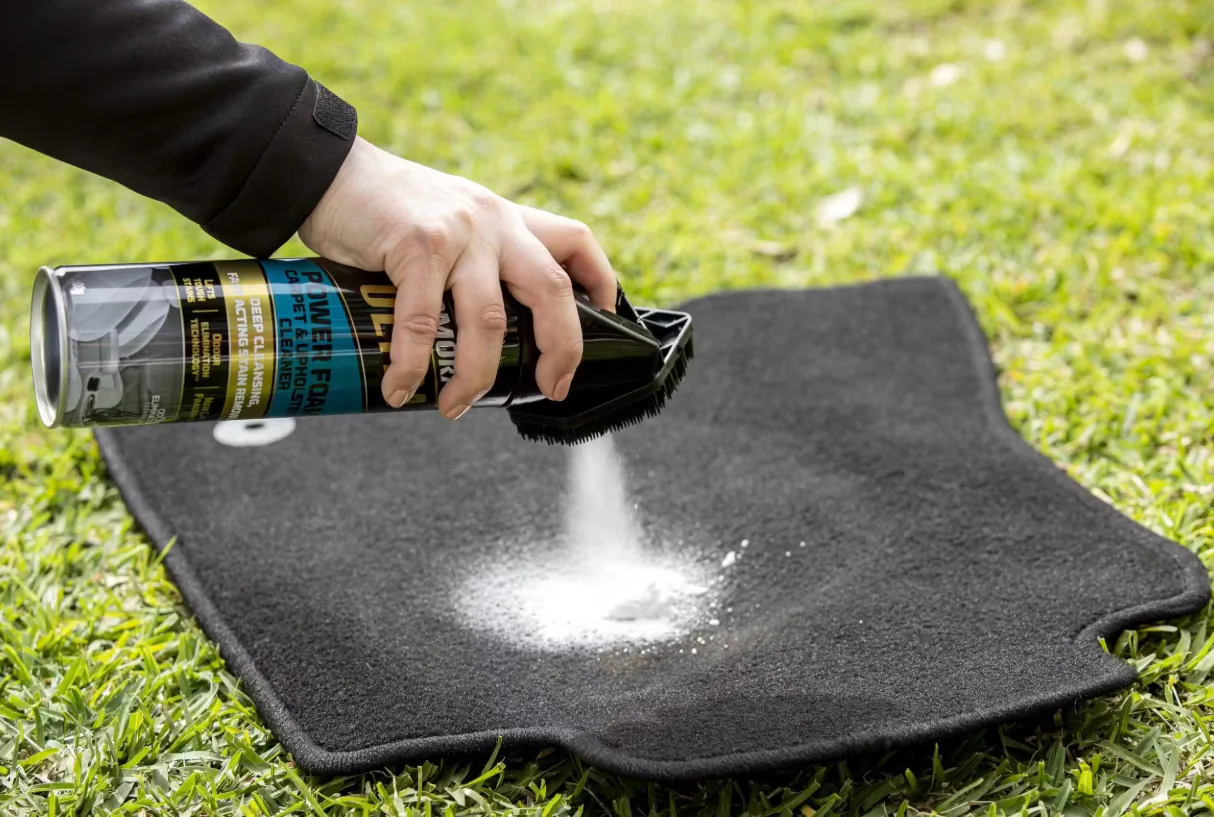
Learn how to effectively remove common and tough stains from your car’s fabric floor mats. Get step-by-step methods for a cleaner, fresher interior.
Removing stains from fabric floor mats can significantly improve your car’s interior appearance and freshness. The key is to act quickly, identify the type of stain, and use the right cleaning method and tools for the job.
You can effectively tackle most fabric mat stains by starting with thorough vacuuming, then applying a targeted cleaning solution, gently scrubbing, rinsing well, and most importantly, ensuring the mats dry completely. This process helps lift embedded dirt and prevents common issues like lingering odors or mildew.
Initial preparation (shaking vacuuming)
- Always start by shaking out and vacuuming your mats to remove loose debris.
- Different stains require different approaches; baking soda is great for odors and light stains, while a degreaser targets.
- Thorough rinsing is essential to prevent cleaning solution residue from attracting new dirt or causing discoloration.
- Proper drying is critical to avoid mildew, musty odors, and potential re-staining.

Step 3. Tackle Tough and Set-In Stains
For more stubborn or set-in stains like coffee, soda, or ink, you’ll need a more targeted approach. An automotive-specific upholstery cleaner or carpet spot remover is often effective.
- Coffee, soda, ink, blood, or older, dried-on stains.
- Do not saturate the mat; excessive moisture can lead to mildew or damage the mat’s backing.
- For very tough spots, a soft-bristle brush or a drill brush attachment can help agitate the cleaner into the fibers, but use.
Step 4. Address Grease and Oil Stains
Grease, oil, or tar stains require a different strategy. Start by blotting any fresh grease with a paper towel.
- Motor oil, grease, tar, or other petroleum-based stains.
- Never rub grease stains, as this can spread them further into the fabric.
- For tar, a small amount of WD-40 sprayed onto a cloth (not directly on the mat) and gently dabbed can help dissolve.
Step 5. Rinse Thoroughly and Extract
After scrubbing, it’s crucial to rinse out all cleaning solutions and loosened dirt. Use a clean, damp microfiber cloth to blot and wipe the treated areas, rinsing the cloth frequently.
- Ensuring no residue is left behind, which can attract new dirt or cause stiff fabric.
- Leaving soap residue can lead to a sticky feel, attract more dirt, or cause the fabric to stiffen and look dull.
- The water you’re extracting or blotting with should eventually run clear, indicating that most of the cleaning solution and dirt have been.
Step 6. Dry Completely to Prevent Issues
Proper drying is perhaps the most critical step to prevent mildew, musty odors, and potential re-staining. After rinsing, press down on the mats with clean, dry towels to absorb as much moisture as possible.
- Preventing mildew, foul odors, and preserving the mat’s integrity.
- Placing damp mats back in the car can lead to severe mildew growth, a persistent musty smell, and potential damage to your.
- Feel the mats in several spots, including the thickest areas, to confirm they are bone dry.
Essential Tools and Materials for Stain Removal
Having the right tools and materials makes a significant difference in the effectiveness and ease of removing stains from your fabric floor mats. Before you begin, take a few minutes to gather everything you’ll need.

Basic items include a powerful vacuum cleaner with a crevice tool and brush attachment, which is essential for removing loose dirt. You’ll also need a stiff-bristle brush for agitating stains, and several clean microfiber cloths for applying solutions and blotting.Before you begin, gather a stiff-bristle brush, a vacuum with attachments, several microfiber cloths, a spray bottle, and your chosen cleaning agents like mild detergent, baking soda, or an upholstery cleaner.Starting the cleaning process without all necessary supplies, which can lead to incomplete cleaning or rushing through steps.Step-by-Step Stain Removal Process
Once your mats are prepared and you’ve identified the stain, you can proceed with the targeted cleaning process. Remember to always work from the outside of the stain inward to prevent it from spreading, and blot rather than rub vigorously.
The following steps cover common stain types and the most effective ways to treat them. Always refer to the structured items above for detailed instructions on each stage of the process, from initial preparation to final drying.
If you have a fresh coffee spill, first blot it with a clean cloth, then apply a baking soda paste to absorb the liquid and odor before gently scrubbing with a mild detergent solution.
Using a single, aggressive cleaning method for all stain types, which can damage the fabric or set the stain further.

After you’ve rinsed and extracted as much moisture as possible, use clean, dry towels to blot the mats vigorously. Walk on them, or press down firmly to squeeze out more water.After cleaning, press down on the mats with several dry towels to remove excess water.Placing damp or even slightly moist mats back into your car, which creates a breeding ground for mold and mildew, leading to unpleasant odors and potential health issues.Preventing Future Fabric Mat Stains
Once your fabric floor mats are clean and dry, taking a few preventative steps can help keep them looking their best for longer. Prevention is often easier than extensive cleaning.
Regular vacuuming is your first line of defense. A quick vacuum once a week can remove loose dirt and debris before it gets ground into the fibers.
Consider placing all-weather rubber mats over your fabric mats during seasons with heavy rain or snow, or when transporting messy items or pets.
Neglecting regular maintenance, which allows dirt and spills to accumulate and set, making future stain removal much harder.
- Vacuum fabric mats weekly to remove loose dirt.
- Apply a fabric protector spray to repel spills.
- Use all-weather mats or clear liners during messy seasons.
- Address spills immediately by blotting, not rubbing.
FAQs
Can old, dried-on stains be fully removed from fabric floor mats?
While fresh stains are always easier to remove, many old, dried-on stains can still be significantly lightened or fully removed with persistence. You might need to use a stronger upholstery cleaner, allow it to.
Is vinegar or baking soda better for fabric mat stains?
Both are effective but for different purposes. Baking soda is excellent for absorbing odors and lifting light, fresh stains, especially greasy ones, when used as a paste.
What if my fabric mats still smell after cleaning?
Lingering odors usually indicate that the source of the smell (like pet urine or mildew) wasn’t fully removed, or the mats weren’t dried completely. Re-clean the mats using an enzyme-based cleaner specifically designed for.
Can I use a pressure washer on fabric floor mats?
Using a pressure washer on fabric floor mats is generally not recommended. While it can remove dirt quickly, the high pressure can damage the mat’s fibers, backing, or cause delamination.
How often should I clean my fabric floor mats?
The frequency depends on usage and how quickly they get dirty. For most vehicles, a thorough cleaning every 3-6 months is sufficient, with spot cleaning as needed for spills.
Conclusion
Successfully removing stains from your fabric floor mats is a rewarding task that significantly enhances your car’s interior. By following a systematic approach-starting with preparation, choosing the right cleaning agent for the stain type, and ensuring thorough rinsing and drying-you can restore your mats to.
Remember that patience and attention to detail, especially during the drying phase, are crucial for avoiding common pitfalls like mildew or lingering odors. With these practical steps, your fabric floor mats can look and feel new again, contributing to a more pleasant driving experience.
Related posts
 Why You Should Use a Foam Cannon for Car Washing: Ultimate Guide
Washing your car is more than just making it look good. It protects the paint, keeps the value high, and makes driving feel better. But if…
 How to Clean Leather Seats Without Damaging Them: Expert Tips
Keeping your leather seats clean can be a challenge. Leather looks beautiful and feels luxurious, but it needs special care. Many people worry about damaging their…
 Why Using a Ceramic Coating Spray is Important for Your Car’s Shine
If you care about your car’s appearance and value, you probably wash and wax it regularly. But did you know there’s a better way to protect…