
Best Recovery Solutions for Trucks and SUVs: Ultimate Guide
When your truck or SUV gets stuck—whether it’s in deep mud, snow, or sand—the right recovery solution makes all the difference. Many drivers believe their vehicle’s power and ground clearance are enough. But off-road adventures and even rough city roads can surprise anyone.
That’s why knowing the best recovery tools and how to use them is key for safety and peace of mind. Let’s explore the most effective recovery solutions for trucks and SUVs, so you’re ready for anything.
Essential Recovery Gear
Every truck or SUV owner should keep certain recovery tools in their vehicle. These items help get you out of trouble quickly and safely.
1. Recovery Straps
Strong nylon straps, often called snatch straps, are built to pull vehicles out of tough spots. Choose straps rated for at least 2-3 times your vehicle’s weight. For example, a 3-ton truck needs a strap rated for 6–9 tons. Recovery straps stretch slightly, making pulling smoother and reducing shock.
2. D-shackles (bow Shackles)
These metal connectors attach your recovery strap to tow points. Always use rated shackles (look for stamped weight ratings) and never connect to a bumper or non-recovery point.
3. Traction Boards
These plastic or metal boards give your tires grip on mud, sand, or snow. Simply wedge them under the wheels and drive out. Well-known brands like Maxtrax and TRED offer strong, lightweight options.
4. Hi-lift Jack
A hi-lift jack can raise your vehicle in uneven terrain. It helps for tire changes, lifting stuck axles, or stacking rocks under tires. Learn to use it safely, as it’s powerful but can be dangerous if misused.
5. Winch
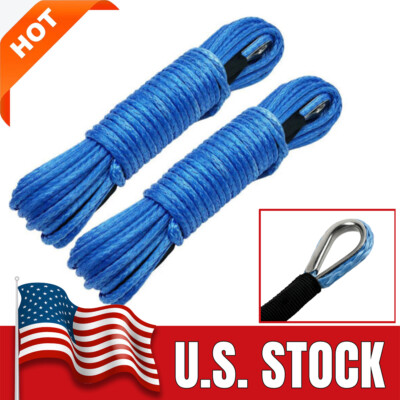
A mounted electric winch is one of the most powerful recovery tools. With a winch, you can pull your vehicle (or another) out of deep trouble. Make sure your winch’s rating is at least 1.5 times your vehicle’s weight.
6. Gloves And Recovery Blanket
Heavy-duty gloves protect your hands during recoveries. A recovery blanket (or winch damper) absorbs energy if a cable snaps, improving safety.
7. Shovel
A sturdy shovel helps dig out wheels, clear mud, or build up under tires for extra grip.
8. Tire Deflator And Compressor
Lowering tire pressure increases surface area and grip in sand or snow. A portable deflator and air compressor let you adjust pressure on the trail and refill before returning to pavement.
Choosing The Right Recovery Solution
Not all tools fit every situation. Let’s compare when to use each solution.
| Situation | Best Tool | Why It Works |
|---|---|---|
| Stuck in mud/sand | Traction boards, shovel | Adds grip, clears debris |
| Blocked by rocks | Hi-lift jack | Lifts vehicle to place rocks under tires |
| No other vehicle nearby | Winch | Self-recovery using anchor point |
| Stuck with help available | Recovery strap, D-shackles | Safe towing between vehicles |
Credit: www.ebay.com
Tips For Safe And Effective Recovery
- Always use rated recovery points on your truck or SUV. Never connect straps to bumpers or suspension parts.
- Communicate clearly with helpers. Use hand signals or radios, especially if visibility is low.
- Check all equipment for damage before every trip. Replace worn or frayed straps and cables.
- Stand clear during winching or towing. If something breaks under tension, it can snap back dangerously.
- Practice recovery techniques in a safe area before you need them in an emergency.
Many new drivers forget to check their vehicle’s manual for the location of factory recovery points. Some SUVs, especially crossovers, may not have strong ones. Consider installing aftermarket recovery points if yours are missing or weak.
Comparing Top Recovery Gear Brands
With so many brands, choosing reliable gear can be confusing. Here’s a quick look at popular brands for three key items.
| Product | Popular Brands | Price Range | Special Feature |
|---|---|---|---|
| Recovery Strap | ARB, Rhino USA | $30–$80 | High elasticity, reinforced loops |
| Traction Boards | Maxtrax, TRED, X-Bull | $80–$300 | UV resistant, easy cleaning |
| Winch | Warn, Smittybilt | $350–$1200 | Waterproof, wireless remote |

Credit: www.amazon.ae
Advanced Recovery Solutions
Serious off-roaders may want extra tools for difficult recoveries.
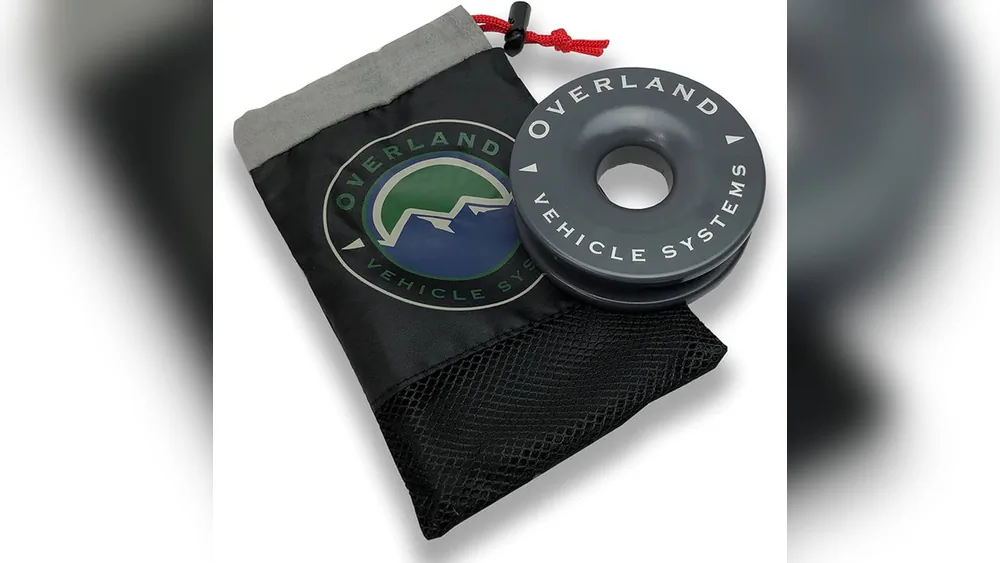
- Snatch Blocks: These pulleys change the direction of winch pulls and can double pulling power. Useful for heavy trucks or complex angles.
- Kinetic Ropes: Similar to recovery straps but stretch more, storing energy for a smoother pull. They’re safer for both vehicles.
- Soft Shackles: Made from synthetic rope, these are lighter and easier to handle than steel shackles. They’re also safer if something fails.
One overlooked tip: Always carry a small tool kit with wrenches and pliers. Sometimes bolts loosen or a shackle pin gets stuck, and having tools on hand saves time.
Mistakes To Avoid
- Overloading straps or winches beyond their rating leads to dangerous breakages.
- Ignoring proper anchor points can damage both vehicles.
- Rushing recovery often causes more problems. Take your time and plan each step.
- Leaving gear at home because you “never get stuck.” Off-roaders know: It’s not if, but when.
Many people forget to check the weather and trail conditions before heading out. Wet ground or snow can turn easy trails into risky adventures. Always prepare for the unexpected.

Credit: www.lojack.com
Real-world Example
Imagine you’re off-roading in the mountains. Your truck slides into a muddy ditch. First, you try traction boards. If those don’t work, you reduce tire pressure and dig with your shovel. Still stuck? Use your winch with a tree as an anchor point. If you didn’t bring these tools, you might wait hours for help.
According to the National Park Service, lack of recovery equipment is a top cause of rescue calls for off-road vehicles. Being prepared saves time, money, and sometimes lives.
Frequently Asked Questions
How Do I Know Which Recovery Strap To Buy?
Look for a strap rated at least two to three times your vehicle’s weight. Check for reinforced loops and a well-known brand for safety.
Can I Use A Winch Without Another Vehicle?
Yes. Use a tree or solid anchor point with a tree saver strap. Always protect the tree and your winch cable with a damper.
Are Traction Boards Reusable?
Most high-quality boards can be used many times. Clean them after each use and check for cracks.
What’s The Difference Between A Kinetic Rope And A Recovery Strap?
Kinetic ropes stretch more, storing energy for smoother pulls, while recovery straps are less elastic but still flexible.
Is A Hi-lift Jack Safe For Beginners?
A hi-lift jack is powerful but needs careful handling. Practice in a safe environment before using it in real recovery situations.
Getting stuck isn’t fun, but with the right recovery solutions for your truck or SUV, you’ll be ready for almost anything the road throws at you. Invest in quality gear, learn proper techniques, and you’ll travel with more confidence—on and off the pavement.
Related posts
 Why You Should Use a Foam Cannon for Car Washing: Ultimate Guide
Washing your car is more than just making it look good. It protects the paint, keeps the value high, and makes driving feel better. But if…
 How to Clean Leather Seats Without Damaging Them: Expert Tips
Keeping your leather seats clean can be a challenge. Leather looks beautiful and feels luxurious, but it needs special care. Many people worry about damaging their…
 Why Using a Ceramic Coating Spray is Important for Your Car’s Shine
If you care about your car’s appearance and value, you probably wash and wax it regularly. But did you know there’s a better way to protect…