
How to Maintain Winch Snatch Recovery Rings for Peak Performance
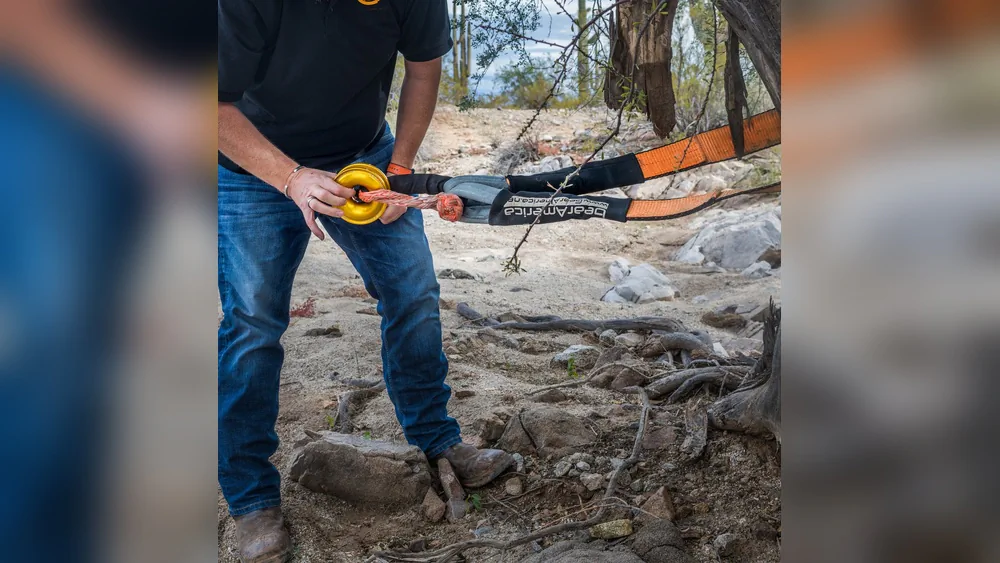
Caring for your winch snatch recovery rings isn’t just about keeping gear shiny—it’s about safety, reliability, and getting the most from every off-road adventure. Many off-roaders focus on their winch, ropes, and shackles, but the snatch recovery ring often gets overlooked. This small tool handles huge loads and heavy friction, so if you want it to last—and work when you need it most—you need to give it proper attention. Below, you’ll learn how to maintain these rings, what common mistakes to avoid, and why small details can make a big difference.
Why Snatch Recovery Ring Maintenance Matters
A winch snatch recovery ring takes the place of a traditional snatch block in many modern recovery setups. It’s lighter, uses soft shackles, and is favored for its efficiency. But because it’s made from aluminum and faces high forces and friction, it needs specific care.
Neglecting maintenance can cause:
- Surface wear that damages ropes and soft shackles
- Corrosion that weakens the ring
- Friction build-up leading to unsafe recoveries
Regular care extends the life of your ring and keeps recovery safe.
Cleaning Your Winch Snatch Recovery Ring
Keeping your snatch recovery ring clean is the first step to long-term performance.
1. Remove Dirt And Debris
After every use, brush off all sand, mud, and grit. Use a soft brush or cloth to avoid scratching the anodized surface. Even small particles can create friction that wears both the ring and your synthetic winch rope.
2. Wash With Mild Soap
For deeper cleaning, use warm water and a mild soap. Avoid harsh chemicals—these can damage the anodized coating.
3. Rinse And Dry Thoroughly
Rinse the ring with clean water to remove soap and grit. Dry it completely with a lint-free cloth. Moisture left on the ring can encourage corrosion, especially if the coating is scratched.
Non-obvious insight: Drying in sunlight for a short time helps, but don’t leave your ring exposed for hours as UV rays can fade the anodized finish over time.

Credit: hmfracing.com
Inspecting For Damage Or Wear
Every few uses, do a careful check for damage. This is crucial for safety.
- Look for Deep Scratches or Gouges
Minor surface marks are normal, but deep grooves can fray or cut your winch line. If you spot any, consider replacing the ring.
- Check for Flat Spots
The ring should stay perfectly round. Flat spots can mean excessive wear or improper use.
- Inspect the Anodized Coating
If you see bare metal or flaking, the protective layer is compromised. This can lead to rapid corrosion.
- Examine for Cracks
Even small cracks can grow under stress. Use a bright light to check all around the ring.
| Issue | Safe to Use? | Recommended Action |
|---|---|---|
| Light Surface Scratches | Yes | Monitor regularly |
| Deep Gouges | No | Replace ring |
| Faded Anodizing | Maybe | Check for corrosion |
| Cracks | No | Replace immediately |
Lubricating For Smooth Operation
Unlike metal snatch blocks, snatch recovery rings don’t have moving parts. However, keeping the surface smooth is important.
- Polish Occasionally
Use a microfiber cloth to polish the ring. For stubborn marks, a small amount of metal polish designed for anodized aluminum works well. Never use abrasive pads.
- Avoid Grease or Oil
Do not use lubricants. These attract dirt and dust, which increases wear on both the ring and the rope.
Extra tip: If you regularly operate in sandy or muddy conditions, polish more often. Tiny scratches quickly become bigger problems in harsh environments.
Storing Your Snatch Recovery Ring
Proper storage prevents unnecessary damage between uses.
- Keep It Dry and Clean
Store the ring in a soft pouch or bag. Most brands provide these for a reason—they protect from dust and scratches.
- Avoid Direct Sunlight
Prolonged UV exposure weakens the anodized layer and fades color.
- Don’t Store Under Heavy Gear
Crushing the ring can deform its shape or scratch the surface.
| Storage Location | Protection Level | Risk of Damage |
|---|---|---|
| Soft Pouch | High | Low |
| Glove Box | Medium | Medium |
| Loose in Trunk | Low | High |
Handling Your Recovery Ring In The Field
How you use and handle the ring impacts its lifespan.
- Only Use with Synthetic Rope
Never use steel cable with a snatch recovery ring. Steel is abrasive and can quickly ruin the surface.
- Avoid Dropping on Hard Surfaces
Dropping the ring on rocks or concrete can dent or crack it.
- Clean Before Each Use
Quickly wipe the ring before setting up a recovery. Grit or sand on the ring can shred synthetic rope during a winch pull.
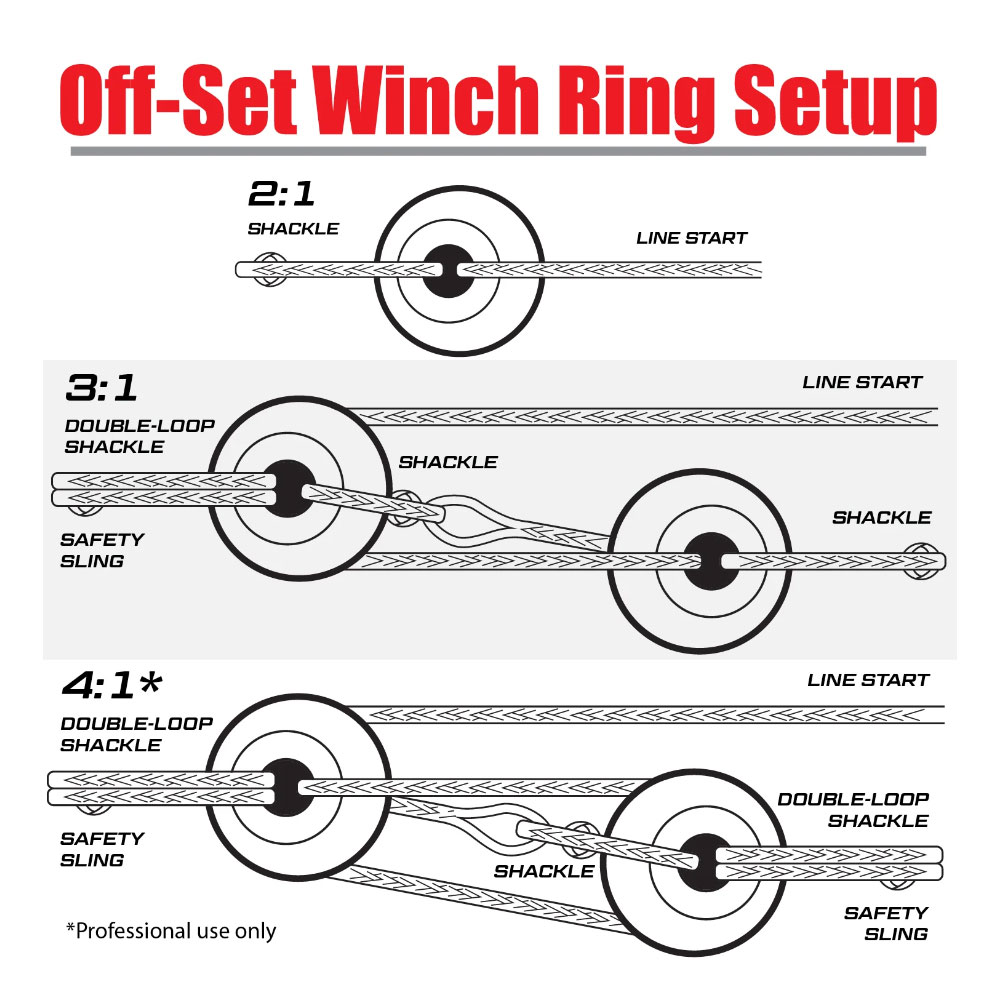
Non-obvious insight: Always check your soft shackles too. If they are dirty, they can transfer grit to the ring, even if you cleaned it.
Credit: agileoffroad.com
When To Replace Your Winch Snatch Recovery Ring
No piece of gear lasts forever. The right time to replace depends on:
- Deep grooves or sharp edges that could cut recovery ropes
- Any visible cracks
- Corrosion spreading beneath the anodized surface
- Ring goes out of round or develops flat spots
Most rings last for years if cared for, but if you use yours often in heavy recovery work, inspect and consider replacement every 12-24 months.
Common Mistakes To Avoid
1. Using Steel Cable
Only use synthetic rope and soft shackles with recovery rings.
2. Ignoring Small Scratches
Minor marks can grow into big problems if not monitored.
3. Storing Wet Or Dirty
Moisture and grit accelerate wear and corrosion.
4. Skipping Inspections
A quick check before each trip can prevent gear failure when you need it most.
Comparing Recovery Ring Brands
Not all snatch recovery rings are the same. Here’s a quick comparison of features:
| Brand | Material | Coating | Weight Rating |
|---|---|---|---|
| Factor 55 | 6061 Aluminum | Anodized | 20,000 lbs |
| ARB | Billet Aluminum | Anodized | 22,000 lbs |
| GearAmerica | 6061 Aluminum | Anodized | 45,000 lbs |
Choose a ring with a weight rating above your vehicle’s gross weight and stick with respected brands for the best anodized coating.
Real-world Example
Let’s say you just finished a muddy recovery and packed away your ring without cleaning it. Next trip, you notice the winch rope looking fuzzy—this is often the first sign of ring surface wear. Cleaning the ring after every use and checking for rough spots will prevent rope damage and failed recoveries.

Credit: overlandvehiclesystems.com
Frequently Asked Questions
How Often Should I Clean My Winch Snatch Recovery Ring?
Clean after every use, especially if exposed to dirt, sand, or mud. Regular cleaning prevents grit from damaging the surface and extends the life of the ring.
Can I Use A Steel Winch Cable With A Recovery Ring?
No. Winch snatch recovery rings are designed for use with synthetic ropes and soft shackles. Steel cable damages the ring and is unsafe.
What Should I Do If The Anodized Coating Wears Off?
If small areas lose their coating but there’s no corrosion, keep the ring dry and monitor for further wear. If bare metal spreads or corrosion starts, replace the ring.
How Do I Check For Cracks In The Ring?
Use a bright light and inspect all around the ring. Pay close attention to high-stress areas and any sharp edges. If you find any cracks, replace the ring immediately.
Where Can I Learn More About Winch Recovery Gear Maintenance?
You can find more technical details and best practices from resources such as the 4×4 Australia Recovery Gear Guide.
Taking care of your winch snatch recovery rings is simple but critical. Regular cleaning, inspection, and smart handling keep your recoveries safe and your gear working for years. A little attention goes a long way in the world of off-road recovery.
Related posts
 Why You Should Use a Foam Cannon for Car Washing: Ultimate Guide
Washing your car is more than just making it look good. It protects the paint, keeps the value high, and makes driving feel better. But if…
 How to Clean Leather Seats Without Damaging Them: Expert Tips
Keeping your leather seats clean can be a challenge. Leather looks beautiful and feels luxurious, but it needs special care. Many people worry about damaging their…
 Why Using a Ceramic Coating Spray is Important for Your Car’s Shine
If you care about your car’s appearance and value, you probably wash and wax it regularly. But did you know there’s a better way to protect…