
What is a Snatch Block Pulley in Winching? Essential Guide
What Is A Snatch Block Pulley In Winching?
Getting a vehicle unstuck from mud or pulling a heavy object up a slope often needs more than just a strong winch. This is where the snatch block pulley comes into play. Many off-road enthusiasts, rescue professionals, and workers in the towing industry rely on this small but powerful tool to multiply pulling force, redirect winch lines, and make tough recovery jobs safer and easier. But what exactly is a snatch block pulley, and why is it so important in winching operations? Let’s dive deep into this essential piece of recovery equipment and help you understand how it works, when to use it, and what to look for when choosing one.
What Is A Snatch Block Pulley?
A snatch block pulley is a special type of pulley designed for use with winches, ropes, or cables. It consists of a wheel (pulley) housed inside a metal casing that can open up, allowing you to “snatch” or insert a winch line without threading the entire cable through. This unique feature makes it fast and easy to add or remove from a line, especially during urgent recoveries or towing tasks.
Snatch blocks are often made from high-strength steel or aluminum, built to handle enormous loads—sometimes up to 20,000 pounds or more. The main parts include:
- Pulley wheel: The grooved wheel that guides the cable.
- Side plates: The casing that holds the pulley together.
- Grease fitting or bushing: Keeps the pulley spinning smoothly under heavy load.
- Opening mechanism: A pin or hinge to open the casing for quick line insertion.
How Does A Snatch Block Work?
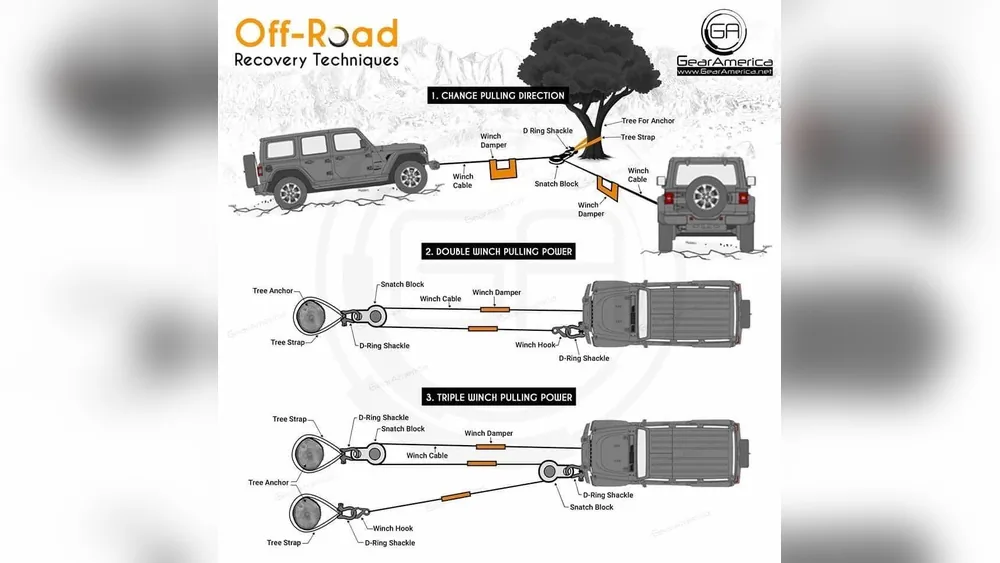
The snatch block changes the direction of the winch cable and can also double the pulling power of your winch by creating a mechanical advantage. Here’s how it typically works:
- Attach the snatch block to a solid anchor point, like a tree or another vehicle.
- Open the block and place the winch line on the pulley wheel.
- Close the block and secure it.
- Run the winch line from your vehicle, through the snatch block, and back to the stuck vehicle or object.
This setup allows the winch to pull more weight with less effort, or to redirect the pulling direction without moving the winch itself.

Credit: www.gearamerica.com
Key Uses Of Snatch Block Pulleys In Winching
Snatch block pulleys serve several critical roles in winching and recovery:
- Increasing pulling power: By running the winch line through the snatch block and anchoring it back to your vehicle or another anchor, you effectively double the line’s strength. For example, a winch rated at 10,000 pounds can pull up to 20,000 pounds with a snatch block.
- Changing direction: Sometimes, you can’t position your winch directly in front of the stuck vehicle. The snatch block lets you pull at an angle, making recovery possible even in tight or awkward spaces.
- Reducing winch strain: Using a snatch block divides the load between the winch and the anchor point, reducing wear on your equipment and extending its life.
- Cable management: It helps keep the winch line from bunching up or crossing over itself, which can damage the cable.
Main Types Of Snatch Block Pulleys
While all snatch blocks serve a similar purpose, there are a few main types based on construction and use:
| Type | Main Material | Best For |
|---|---|---|
| Steel Snatch Block | High-Strength Steel | Heavy-duty winching, off-roading, towing |
| Aluminum Snatch Block | Lightweight Aluminum | Portable recovery kits, light to medium loads |
| Swivel Block | Steel or Aluminum | Quick line changes, rescue operations |
Non-obvious insight: Swivel blocks are often preferred in rescue scenarios because their rotating side plates allow for faster, one-handed operation—especially useful when time is critical.
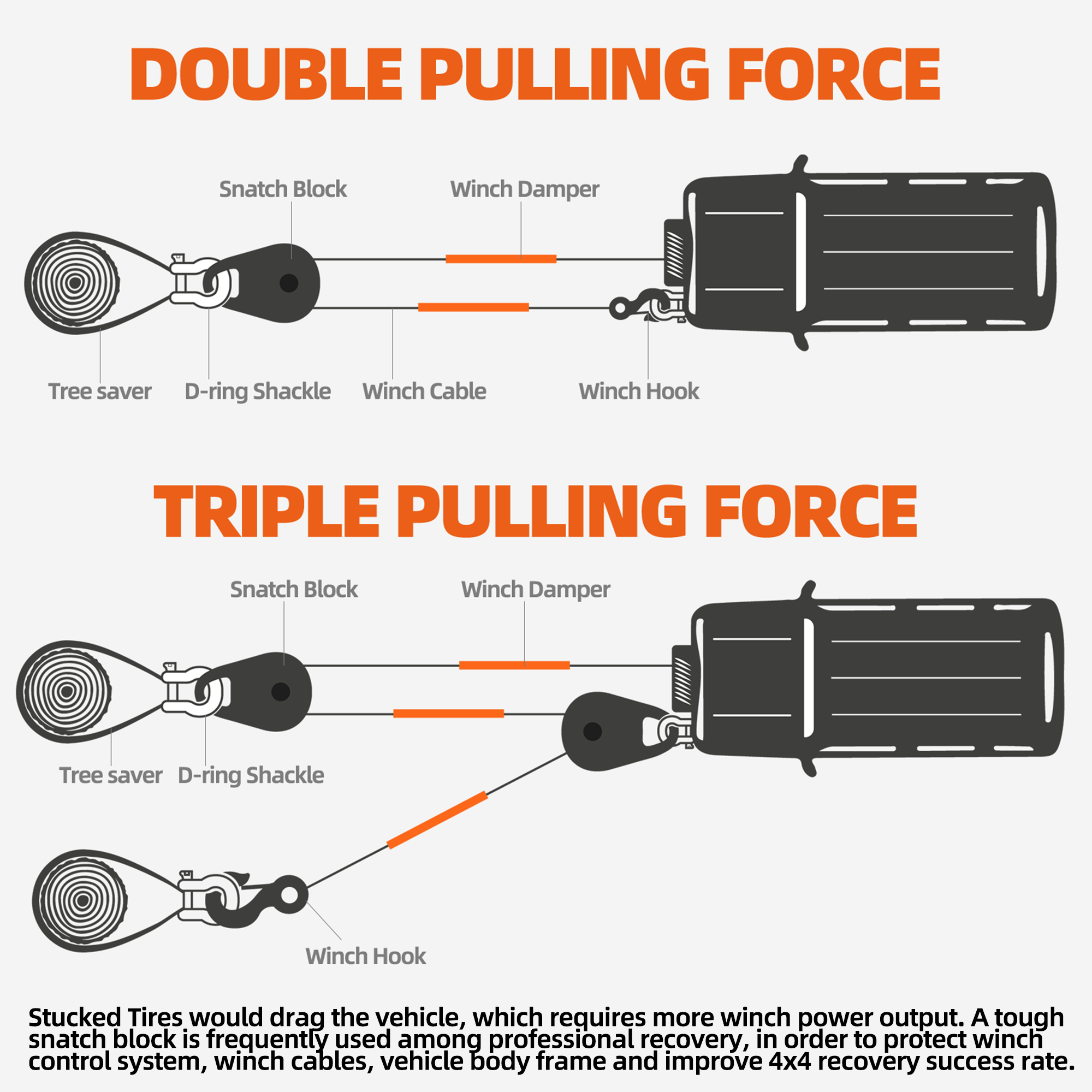
Credit: www.alltopusa.com
How To Use A Snatch Block Pulley Safely
Using a snatch block isn’t just about hooking it up. Safety and proper setup matter a lot:
- Check load ratings: Always match the snatch block’s working load limit (WLL) with your winch and the weight you need to pull. Overloading can lead to equipment failure.
- Inspect before use: Look for cracks, bent plates, or worn pulley wheels. Even small damage can be dangerous under load.
- Choose a solid anchor: Trees, recovery points, or ground anchors must handle the increased force created by the snatch block setup.
- Use proper shackles or straps: Never attach directly to weak points. Use rated D-shackles or tree saver straps to prevent damage or accidents.
- Keep clear of the line: Stand well away from the winch line under tension. If the cable or block fails, the stored energy can cause serious injury.
Practical tip: After winching, always clean and lubricate your snatch block. Dirt and moisture can quickly wear out the bearing or pulley.
Benefits Of Using A Snatch Block
Snatch blocks make winching more efficient and safer. Key benefits include:
- Doubles pulling power without needing a bigger winch.
- Reduces strain on both winch and cable, prolonging equipment life.
- Increases flexibility by letting you pull at different angles.
- Improves control over heavy or awkward loads.
Hidden benefit: Snatch blocks can help with controlled lowering, not just pulling. For example, lowering a vehicle down a steep slope slowly and safely.

Credit: www.desertwranglers.club
Common Mistakes When Using Snatch Blocks
Even experienced users sometimes make these errors:
- Ignoring cable size: Using a cable that’s too thick or thin for the pulley groove can cause jamming or slippage.
- Misaligning the pulley: If the snatch block isn’t lined up with the direction of pull, it adds friction and can damage the cable.
- Skipping maintenance: Dirt and rust quickly build up, leading to a stuck or squeaky pulley.
- Using the wrong anchor: Weak anchor points can break under the multiplied force, causing dangerous situations.
Choosing The Right Snatch Block
When selecting a snatch block for your winch recovery kit, consider these factors:
| Feature | Why It Matters |
|---|---|
| Load Capacity | Must match or exceed the maximum pull of your winch |
| Pulley Diameter | Larger wheels reduce cable wear and work better with synthetic ropes |
| Material | Steel is stronger; aluminum is lighter for portability |
| Ease of Opening | Quick-release pins or swivels speed up line setup |
| Bearing Type | Sealed ball bearings last longer and turn more smoothly under load |
Non-obvious insight: Always check if the snatch block is rated for both steel and synthetic cables. Some cheaper models only work well with wire rope.
Real-world Example
Imagine a 4×4 stuck in thick mud. The winch alone struggles to pull the vehicle out because the resistance is too high. By anchoring a snatch block to a nearby tree and running the winch line through it, you double the pulling power and change the angle, making recovery possible where a single straight pull would fail.
This real-life scenario shows how a snatch block can mean the difference between getting home and being stranded.
For more detailed technical information, you can visit the Wikipedia Snatch Block page.
Frequently Asked Questions
What Is The Difference Between A Snatch Block And A Regular Pulley?
A snatch block opens on one side, so you can insert the winch line without removing its end or threading the whole cable. Regular pulleys are closed, making them slower and less practical for recovery work.
Can I Use A Snatch Block With Synthetic Winch Rope?
Yes, but check the snatch block’s groove and material. Some are designed specifically for synthetic rope and have smoother, wider grooves to prevent damage.
How Much Can A Snatch Block Increase Winching Power?
Using a snatch block can double the pulling force of your winch when set up in a “double line pull. ” For example, a 9,000-pound winch can pull up to 18,000 pounds with proper use.
How Do I Maintain A Snatch Block?
Clean it after use, especially if it’s been in mud or sand. Lubricate the pulley bearing or bushing regularly and check for any cracks or wear before each use.
Is A Snatch Block Necessary For All Winching?
Not always, but it makes tough recoveries safer and easier. It’s especially valuable when you need more power or must pull from an angle.
In the world of winching, a snatch block pulley is a must-have for anyone serious about safe and effective recoveries. Understanding its uses, benefits, and proper handling can make a big difference in both the success and safety of your next off-road adventure or worksite task.
Related posts
 Why You Should Use a Foam Cannon for Car Washing: Ultimate Guide
Washing your car is more than just making it look good. It protects the paint, keeps the value high, and makes driving feel better. But if…
 How to Clean Leather Seats Without Damaging Them: Expert Tips
Keeping your leather seats clean can be a challenge. Leather looks beautiful and feels luxurious, but it needs special care. Many people worry about damaging their…
 Why Using a Ceramic Coating Spray is Important for Your Car’s Shine
If you care about your car’s appearance and value, you probably wash and wax it regularly. But did you know there’s a better way to protect…