
How Does a Recovery Ring Work in Winching? Essential Guide
How Does A Recovery Ring Work In Winching?
Getting stuck off-road is common for anyone who loves exploring tough terrains. Winching is often the safest way to get your vehicle free. In recent years, the recovery ring has become popular for making winching safer and more efficient. But how does it really work, and why do experienced off-roaders trust it over traditional snatch blocks? Let’s look closely at the recovery ring, its operation, uses, and what makes it a smart choice for modern winching.
What Is A Recovery Ring?
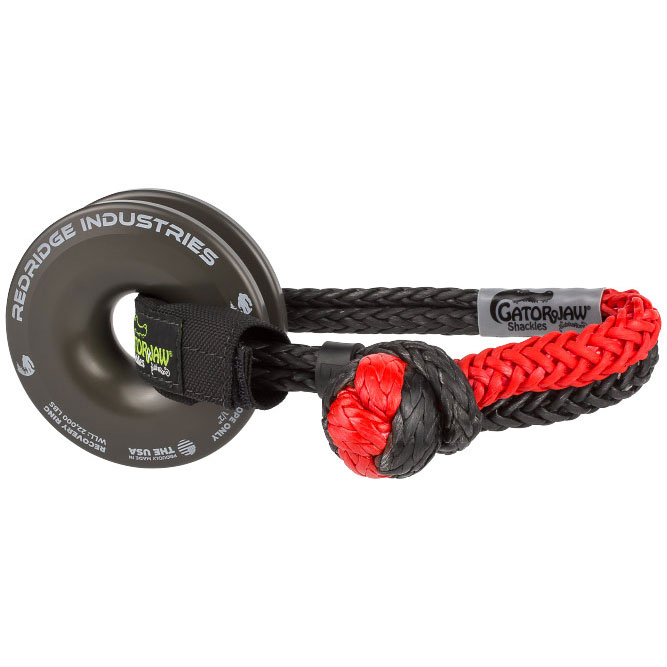
A recovery ring is a compact, circular device usually made from high-strength aluminum or steel. It’s designed to work with synthetic winch lines and soft shackles. Instead of relying on heavy metal pulleys, the recovery ring uses low friction and smooth surfaces to redirect the winch line during a recovery.
The ring’s inner groove guides the synthetic rope smoothly, while the outer surface is shaped for easy handling. Most rings weigh less than 500 grams but can handle loads over 20,000 pounds. This strength-to-weight ratio makes them a top choice for recovery kits.
How Does A Recovery Ring Work?
When you use a recovery ring, you’re adding a strong point to change the direction or increase the pulling power of your winch. The process is simple but effective:
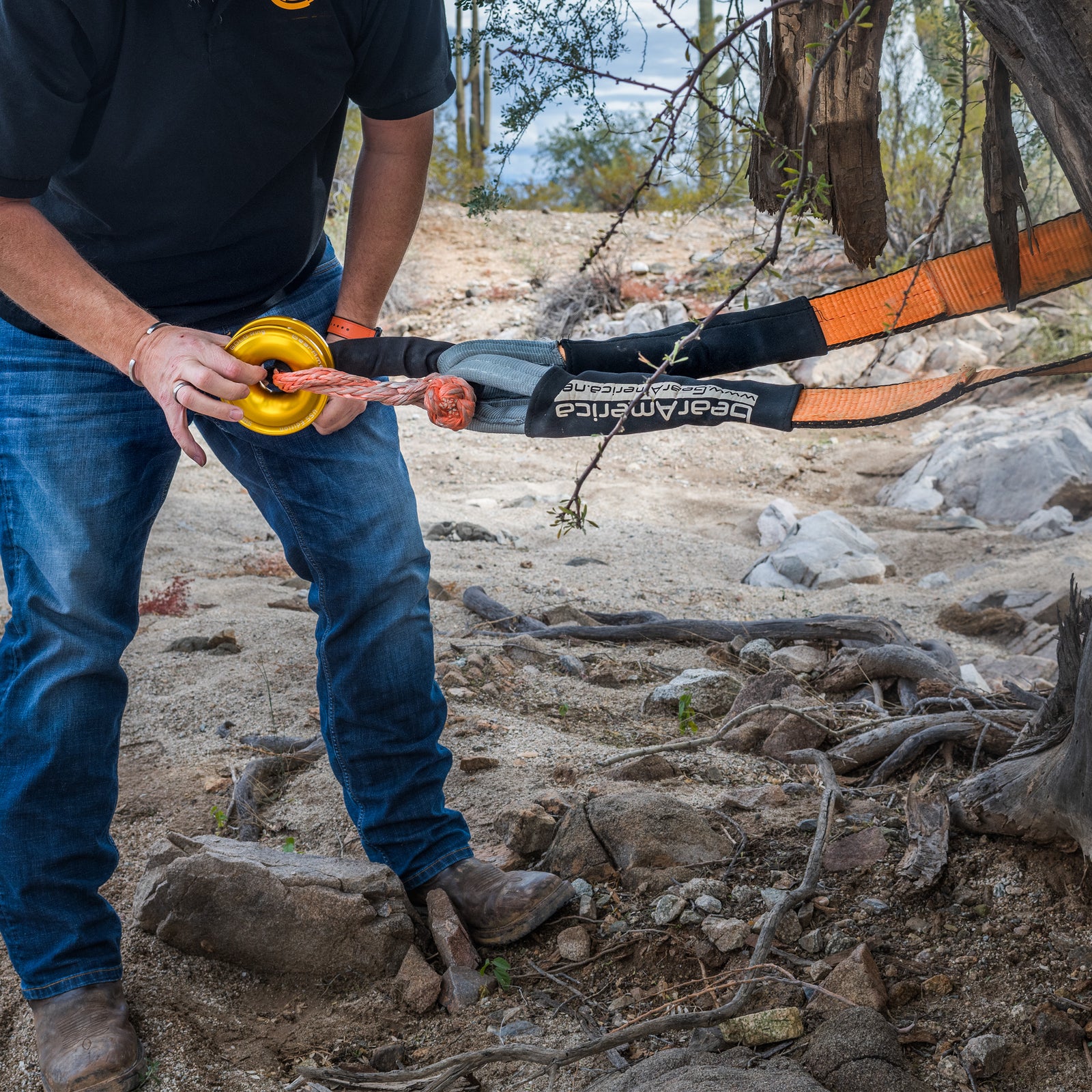
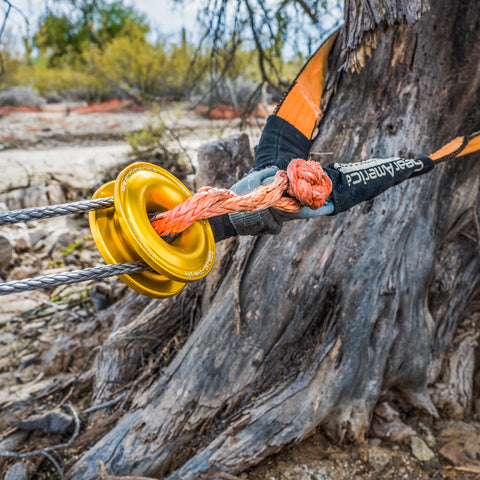
- Connect the Ring: Attach the recovery ring to a soft shackle. Then, secure the shackle to a strong anchor point (like a tree or recovery point).
- Thread the Winch Line: Run your synthetic winch rope through the groove in the ring.
- Begin Winching: As you operate the winch, the line slides around the smooth inner surface of the ring. Friction is low, so the rope moves easily.
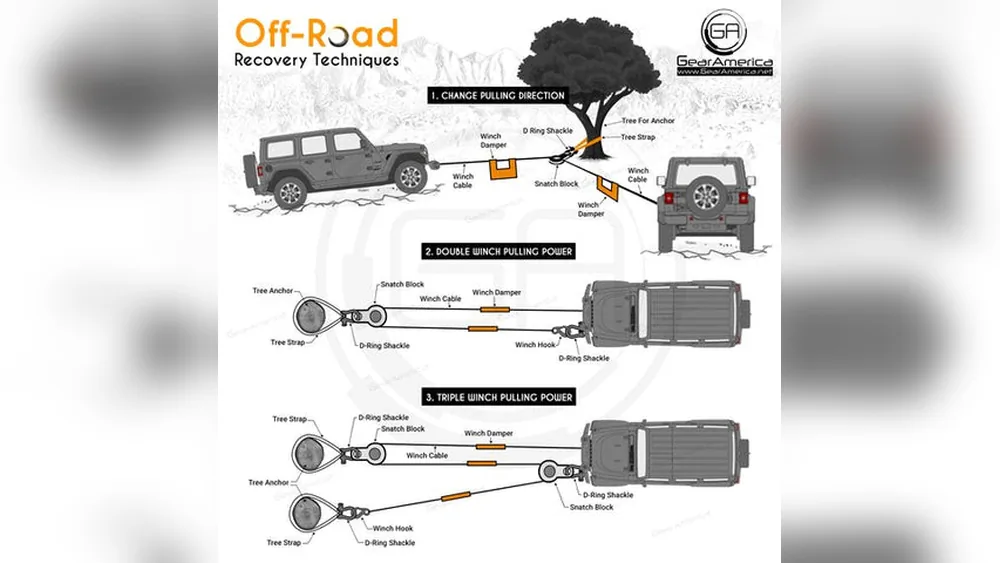
- Redirect Force or Multiply Power: You can use the ring to pull at an angle (directional change) or, by running the line back to your vehicle, double the pulling power (mechanical advantage).
Compared to traditional snatch blocks, the recovery ring is lighter, faster to set up, and much safer when paired with synthetic lines.
Credit: www.bubbarope.com
Key Benefits Of Using A Recovery Ring
Choosing a recovery ring for winching offers several real-world advantages:
- Lightweight and Portable: Carrying gear off-road means every kilogram matters. A recovery ring is easy to store and transport.
- Higher Safety: No sharp edges, no heavy steel — if a soft shackle fails, the ring falls safely, reducing risk of injury.
- Fast Setup: Attaching a ring is quicker than threading a winch cable through a snatch block.
- Low Maintenance: No moving parts means less chance of failure and no need for grease or cleaning.
- Compatible with Synthetic Ropes: Works best with synthetic winch lines, which are now standard for most off-roaders.
When Should You Use A Recovery Ring?
Recovery rings are best used in these situations:
- Changing Pull Direction: When your winch is not lined up with the recovery point, the ring redirects the force without damaging the rope.
- Double Line Pulling: If your winch is not strong enough for a single pull, a ring allows you to double the pulling force.
- Limited Space: A ring’s small size is perfect when working in tight spots.
- Soft Shackle Systems: When you want to avoid steel hardware, rings and soft shackles form an all-synthetic, lightweight recovery setup.
Credit: www.gearamerica.com
How Does A Recovery Ring Compare To A Snatch Block?
The snatch block has been the go-to device for decades. But how do these two options measure up?
| Feature | Recovery Ring | Snatch Block |
|---|---|---|
| Weight | Very light | Heavy |
| Material | Aluminum/Steel | Steel |
| Best for | Synthetic rope | Wire rope |
| Moving parts | No | Yes (pulley) |
| Setup speed | Fast | Slower |
| Safety | High | Moderate |
A recovery ring stands out for its simplicity and safety. However, for steel cable winches or very heavy loads, a snatch block may still be needed.
How To Use A Recovery Ring Safely
Correct use of a recovery ring is key for safe winching. Here’s a practical guide:
- Choose Quality Gear: Only use rings, soft shackles, and winch lines with ratings higher than your vehicle’s weight.
- Inspect Everything: Before each recovery, check the ring’s surface for scratches or dents. Damaged rings can fray synthetic rope.
- Set Up Carefully: Attach the soft shackle to a secure anchor, then thread the rope through the ring. Make sure nothing is twisted.
- Stay Clear: Never stand in line with the winch rope. If something breaks under tension, objects can fly with great force.
- Winch Slowly: Synthetic ropes and rings work best with smooth, steady winching. Avoid sudden jerks.
Example Scenario
Imagine a Jeep stuck in mud, winch mounted to the front. The only recovery point is a tree to the side. Using a recovery ring, you can redirect the winch line safely around the tree and pull the Jeep out without damaging the rope or hardware.
Maintenance And Longevity
Unlike snatch blocks, recovery rings need little care. Still, attention to detail matters:
- Clean After Use: Remove dirt or sand with water and let the ring dry.
- Avoid Sharp Impacts: Don’t drop the ring on rocks or hard surfaces, as scratches can weaken the surface.
- Check for Wear: Even tough rings can develop grooves over time. Replace the ring if you see deep marks.
By following these steps, a good recovery ring can last for years, even with frequent use.
Common Mistakes To Avoid
Beginners often make these errors when using recovery rings:
- Using with Wire Rope: Recovery rings are not designed for steel cables. The friction and hardness can damage both the ring and the cable.
- Overloading: Always check the working load limit. Exceeding this can cause failure.
- Improper Anchor Points: Never attach a ring to a weak or unstable anchor.
Recovery Ring Load Ratings
Understanding load ratings is critical for safety. Here’s a comparison of typical ring capacities:
| Ring Size | Minimum Breaking Strength (lbs) | Recommended Vehicle Weight |
|---|---|---|
| Small (2.5in) | 20,000 | Up to 5,000 lbs |
| Medium (3.5in) | 30,000 | Up to 8,000 lbs |
| Large (4.5in) | 40,000+ | Up to 12,000 lbs |
Choose a ring with a breaking strength at least three times your loaded vehicle weight for safety.
Advanced Insights: What Many Miss
Two important points often escape beginners:
- Synthetic Rope Compatibility: Most recovery rings are not compatible with steel winch cables. Using the wrong combination can destroy both your ring and winch line.
- Heat and Friction: Although rings are low friction, long pulls can still heat up the rope. Allow the line to cool if you do multiple recoveries in a short period.
Credit: www.gearamerica.com
Frequently Asked Questions
How Much Friction Does A Recovery Ring Add Compared To A Snatch Block?
A recovery ring has slightly more friction than a snatch block, but the difference is small with synthetic rope. The smooth aluminum surface keeps friction low, so winch performance is not affected for most uses.
Can I Use A Recovery Ring With A Steel Winch Cable?
No. Recovery rings are designed for synthetic winch lines. Steel cables can create too much friction, causing damage to both the ring and the cable.
What Size Recovery Ring Should I Buy?
Pick a ring with a breaking strength at least three times your vehicle’s gross weight. For most 4x4s, a 3. 5-inch ring rated at 30,000 lbs covers all needs.
How Often Should I Inspect My Recovery Ring?
Check before and after every use. Look for deep scratches, dents, or any surface damage. Replace if you see signs of wear.
Where Can I Find More Details About Recovery Gear Safety?
You can read more on the official Winch Wikipedia page for in-depth guidelines and safety information.
A recovery ring is a smart upgrade for safe, modern winching. With simple setup, high safety, and tough performance, it’s changing how off-roaders recover their vehicles. If you want a lighter, safer, and more reliable kit, the recovery ring deserves a spot in your recovery bag.
Related posts
 Why You Should Use a Foam Cannon for Car Washing: Ultimate Guide
Washing your car is more than just making it look good. It protects the paint, keeps the value high, and makes driving feel better. But if…
 How to Clean Leather Seats Without Damaging Them: Expert Tips
Keeping your leather seats clean can be a challenge. Leather looks beautiful and feels luxurious, but it needs special care. Many people worry about damaging their…
 Why Using a Ceramic Coating Spray is Important for Your Car’s Shine
If you care about your car’s appearance and value, you probably wash and wax it regularly. But did you know there’s a better way to protect…