
How to Install a Winch Snatch Recovery Ring: Step-by-Step Guide
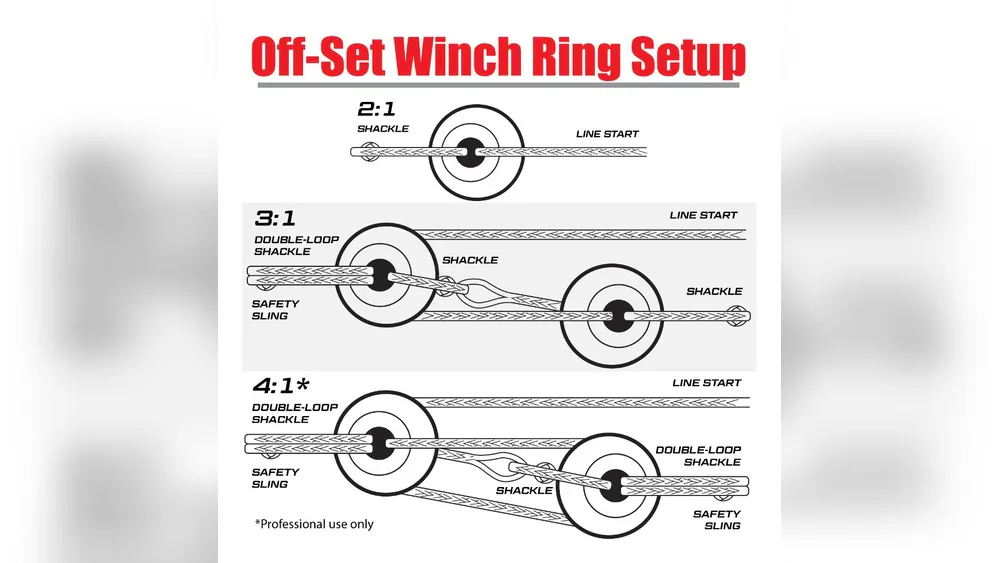
Installing a winch snatch recovery ring can transform your off-road recovery skills. These compact rings offer a safer, lighter, and more efficient way to change your winch line’s direction compared to traditional steel snatch blocks. If you enjoy overlanding, 4×4 adventures, or work in remote environments, understanding how to properly install and use a winch snatch recovery ring is essential.
This guide walks you through every step, highlights key safety tips, and points out common mistakes—so you can recover your vehicle with confidence.
What Is A Winch Snatch Recovery Ring?
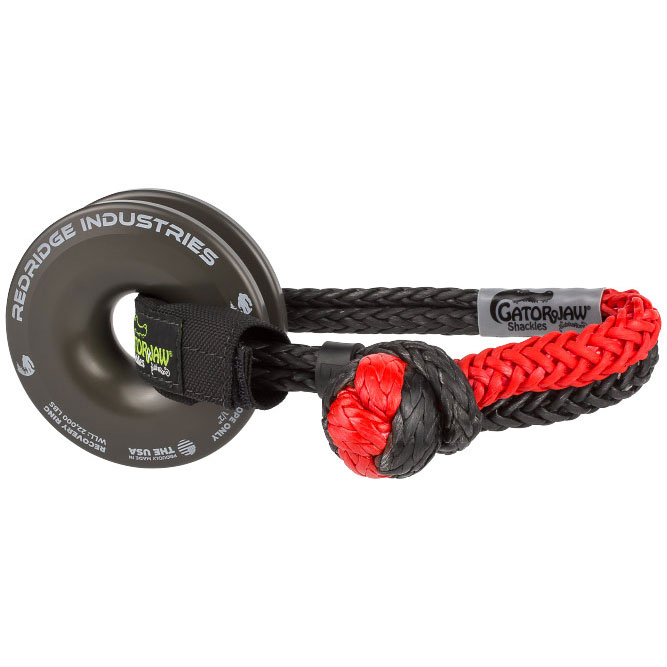
A snatch recovery ring is a strong, lightweight pulley made from aluminum or similar materials. Instead of heavy steel wheels and pins, the ring’s smooth surface allows your synthetic winch rope to glide easily, reducing friction. It’s designed for use with soft shackles instead of metal D-rings, minimizing weight and the risk of injury if something breaks.
Many off-roaders choose snatch rings because they’re simple, require less maintenance, and work well with modern winch ropes. They are not only useful for changing the pulling direction but also for double-line pulls, which can double your winch’s pulling power.
Tools And Equipment Needed
Before starting, gather these essential tools and equipment:
- Winch snatch recovery ring (compatible with your winch line)
- Synthetic winch rope (do not use with steel cable)
- Soft shackle (rated for recovery tasks)
- Recovery point (secure point on vehicle or anchor)
- Winch controller (wired or wireless)
- Gloves (protect hands)
- Tree protector strap (if anchoring to a tree)
Having the right gear is crucial. Using a snatch ring with steel cable or incorrect shackles can lead to failure or injury.
Credit: www.bubbarope.com
Step-by-step Installation Guide
Correct installation is essential for safety and performance. Follow these steps:
1. Inspect All Equipment
Check your snatch recovery ring, winch rope, and soft shackle for damage. Look for cracks, fraying, or sharp edges. Any weakness can cause failure under load.
2. Choose A Secure Anchor Point
Find a strong recovery point—this could be a tree (with a tree protector), a ground anchor, or another vehicle. Never use weak or questionable points.
3. Attach Tree Protector Or Anchor Strap
Wrap your tree protector or anchor strap around the chosen anchor. Make sure it is flat and secure, with no twists.
4. Insert The Soft Shackle And Snatch Ring
Feed your soft shackle through the anchor strap loop and the center of the snatch recovery ring.
Close the soft shackle by threading the knot and tightening the loop. The ring should now hang freely from the anchor.
5. Thread The Winch Rope Through The Ring
Pull out enough winch rope to reach the ring. Pass the synthetic winch line through the groove of the ring. Make sure the line is not twisted or pinched.
6. Connect The Winch Line Back To Your Vehicle
For double-line pulls, bring the winch rope back to a secure recovery point on your vehicle. Use another soft shackle if needed.
If you’re only changing direction, attach the line to the stuck vehicle or object.
7. Double-check All Connections
Before applying tension, check every connection:
- Soft shackles are locked and undamaged
- The snatch ring is seated properly
- Winch line is free of knots or twists
- All recovery points are secure
8. Begin Winching Slowly
With everyone standing clear, operate the winch slowly. Watch the line as it moves over the ring. If you hear unusual sounds or see the line bunching, stop immediately.
Keep tension steady and avoid jerking movements.
9. Complete The Recovery And Pack Up
Once recovery is complete, release tension gradually. Remove the winch line, soft shackle, and snatch ring. Inspect all gear for wear before storing.
Key Safety Tips
- Always wear gloves to protect your hands from rope burns or pinches.
- Never use a snatch ring with steel cable; it can cut into the ring and cause failure.
- Clear the area—spectators should stand far away from the recovery line.
- Use rated soft shackles and recovery rings only.
- Inspect your equipment after each use.

Credit: overlandvehiclesystems.com
Common Mistakes To Avoid
Many beginners overlook simple but important details. Here are mistakes to watch for:
- Using steel cables with snatch rings: Only synthetic ropes are safe.
- Overloading the ring or shackle: Check the working load limit (WLL).
- Improper anchor points: Weak points can break and cause accidents.
- Not checking for twists: Twisted lines can bind or damage the rope.
- Forgetting to inspect gear: Even small nicks or frays can lead to failure.
Snatch Recovery Ring Vs. Traditional Snatch Block
Understanding the differences can help you decide which tool suits your needs.
| Feature | Snatch Recovery Ring | Snatch Block |
|---|---|---|
| Weight | Light (200-500g) | Heavy (1-3kg) |
| Material | Aluminum Alloy | Steel |
| Rope Compatibility | Synthetic Only | Synthetic & Steel |
| Maintenance | Low | Medium-High |
How To Choose The Right Snatch Recovery Ring
Not all snatch rings are the same. Here’s what to compare:
| Criteria | Why It Matters | Recommended Specs |
|---|---|---|
| Load Rating | Handles your vehicle’s weight under stress | Minimum 15,000 lbs (6,800 kg) |
| Groove Size | Must fit your winch rope diameter | 10-14 mm groove |
| Material | Durability and wear resistance | 6061-T6 Aluminum |
| Finish | Reduces friction, resists corrosion | Anodized coating |
Choosing a ring with the right specifications ensures it works under tough conditions and lasts longer.
Practical Example: Real-world Use
Imagine your 4×4 is stuck in deep mud. There’s a large tree 30 feet off to the right, not directly in front. A snatch ring allows you to create a safe, angled pull—using the tree as an anchor—without dragging heavy steel tools.
The synthetic rope glides smoothly over the ring, and with a soft shackle, the setup is quick and safe. This efficiency can make the difference between a quick rescue and a long, risky operation.
Maintenance Tips For Longevity
- Clean your snatch ring after every use—dirt and grit can scratch the surface.
- Store in a dry bag to prevent corrosion.
- Check for grooves or sharp edges before each trip.
- Replace if you see deep scratches or any deformation.
These small steps help your recovery gear last for years and keep every recovery safe.
Frequently Asked Questions
What’s The Main Advantage Of A Snatch Recovery Ring Over A Snatch Block?
The main advantage is weight and simplicity. Snatch rings are lighter, faster to set up, and require less maintenance. They work best with synthetic ropes and are easier to carry in recovery kits.
Can I Use A Snatch Recovery Ring With Steel Winch Cable?
No. Snatch rings are designed only for synthetic winch ropes. Steel cables can damage the ring and may cause dangerous failures.
How Do I Know If My Snatch Ring Is Strong Enough For My Vehicle?
Check the working load limit (WLL) on the ring. It should be at least 1.5 times your vehicle’s gross weight. For most 4×4 vehicles, a 15,000 lbs (6,800 kg) rating is standard.
Is A Soft Shackle Safe For Heavy Recovery?
Yes, if you use a rated soft shackle designed for off-road recovery. Always check the shackle for damage and use only with compatible gear.
Where Can I Find More Information On Off-road Recovery Safety?
You can find detailed guidelines on the Vehicle Recovery Wikipedia page, which covers best practices for safe recoveries.
A winch snatch recovery ring is a smart upgrade for anyone who wants safer, lighter, and more modern recovery gear. By following the right steps and tips, you can make every recovery efficient and safe—so you spend less time stuck and more time exploring.

Credit: www.cart2india.com
Related posts
 Why You Should Use a Foam Cannon for Car Washing: Ultimate Guide
Washing your car is more than just making it look good. It protects the paint, keeps the value high, and makes driving feel better. But if…
 How to Clean Leather Seats Without Damaging Them: Expert Tips
Keeping your leather seats clean can be a challenge. Leather looks beautiful and feels luxurious, but it needs special care. Many people worry about damaging their…
 Why Using a Ceramic Coating Spray is Important for Your Car’s Shine
If you care about your car’s appearance and value, you probably wash and wax it regularly. But did you know there’s a better way to protect…