
Understanding Different Types of Winch Recovery Rings Explained
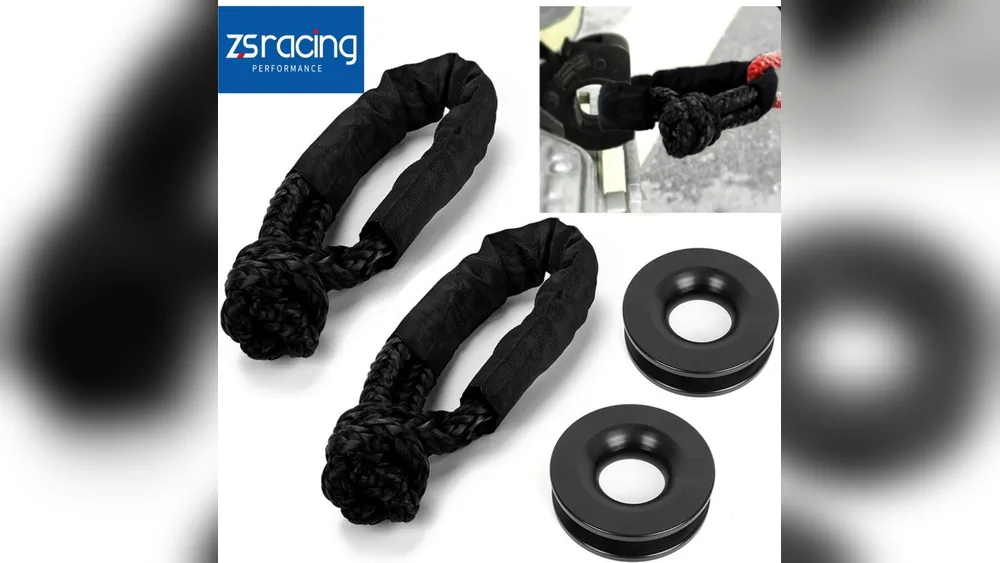
If you spend time off-road or in remote areas, you know that getting stuck is part of the adventure. Winches are essential tools for recovery, but not every situation fits the classic winch hook-and-tree combo. That’s where winch recovery rings come in. These compact, strong devices have transformed self-recovery, making winching safer, lighter, and more versatile. But with several types on the market, choosing the right ring can get confusing. Let’s clear the mud and explore the different types of winch recovery rings, their uses, and what you need to know for safe, effective recovery.
What Is A Winch Recovery Ring?
A winch recovery ring is a round, robust piece of metal (usually aluminum alloy) with a smooth groove. It acts as a lightweight pulley for your winch line, allowing you to change the direction of the pull or double your winch’s pulling power. Unlike traditional steel snatch blocks, recovery rings are much lighter and have no moving parts. This makes them popular among off-roaders, overlanders, and rescue teams.
Why Use A Recovery Ring Instead Of A Snatch Block?
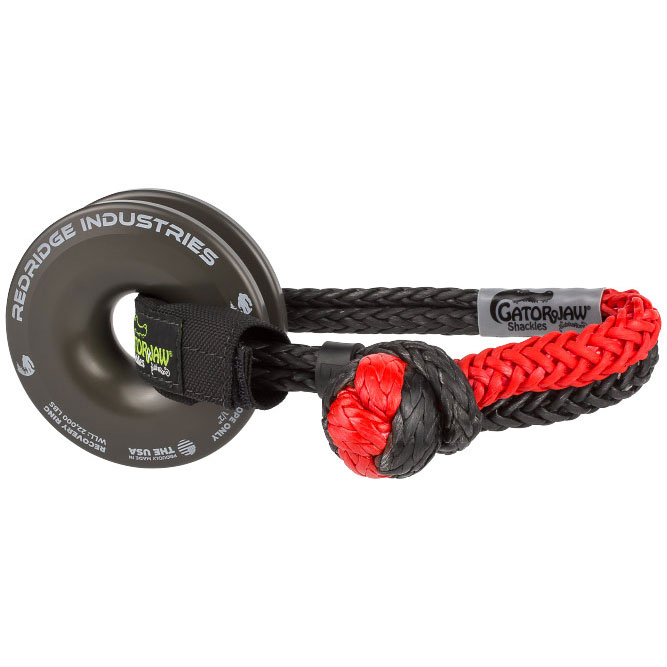
Traditional snatch blocks use rollers and require regular maintenance. They’re heavier and can be dangerous if not used correctly. In contrast, recovery rings are simple, compact, and less likely to fail under tension. They’re designed specifically for synthetic winch lines, which have become the standard due to their lighter weight and increased safety. Recovery rings work best with soft shackles, making setup quick and easy, even in tricky spots.
Types Of Winch Recovery Rings
Not all recovery rings are made the same. Over the last few years, different designs have appeared to match the needs of various vehicles and recovery scenarios. Here’s a breakdown of the main types you’ll find:
1. Standard Recovery Rings
These are the classic, round rings most people picture. Made from high-strength aluminum, they usually come in sizes between 2 to 4 inches in diameter. The groove is smooth to protect the winch line, and the outer edge is rounded for easy handling.
Best for: General winching, doubling winch power, and most 4×4 vehicles.
Example: A 3-inch ring rated for 20,000 lbs can safely handle most Jeep and SUV recoveries.
2. Oversized Recovery Rings
Oversized rings feature a larger diameter (4 to 6 inches or more) and a deeper groove. This design spreads the load over a wider area, reducing friction and wear on the line. The increased size also means higher weight ratings—sometimes up to 40,000 lbs.
Best for: Heavy trucks, vans, expedition rigs, or situations where you need extra safety margin.
Insight: Many beginners think bigger rings are always better. But oversized rings can be bulky and may not fit in tight spaces or with small soft shackles.
3. Lightweight Mini Rings
Mini rings are compact (often 1.5 to 2.5 inches) and designed for side-by-side (SxS), ATV, and UTV users. They’re easy to carry and store, and their lower weight rating matches smaller vehicles.
Best for: Recreational vehicles, motorcycles, and ultralight setups.
Non-obvious tip: Using a mini ring on a full-size truck winch can be dangerous. Always check the rating.
4. Double-groove Recovery Rings
These rings have two parallel grooves. This feature allows you to run two winch lines or create complex rigging setups. Double-groove rings are popular for advanced recoveries, like when you need to recover two vehicles at once or change direction with minimal friction.
Best for: Experienced users, off-road clubs, and rescue professionals.
Example: Some double-groove rings are rated over 30,000 lbs and can accept two 10mm soft shackles side by side.
5. Tapered Edge Rings
Tapered edge rings have a slight slope or bevel at the entry and exit of the groove. This helps guide the winch line smoothly, reducing the chance of pinching or damaging the rope. The design also allows for easier setup, especially in cold or wet conditions.
Best for: Frequent users, those in muddy or icy environments.
Insight: Tapered edges are especially useful for beginners, as they reduce mistakes during setup.
6. Coated Recovery Rings
Some rings come with a hard anodized coating or Teflon-like finish. This boosts durability and makes the surface even smoother, reducing friction and increasing the ring’s lifespan. The coating also provides extra protection from scratches, oxidation, and saltwater corrosion.
Best for: Coastal users, frequent winchers, or anyone who leaves gear exposed to the elements.
Non-obvious tip: Anodized rings can be less slippery when wet, making them safer to handle.
7. Ultra-high Capacity Rings
These are specialized for commercial or industrial use. Built from aerospace-grade alloys, they can handle loads above 50,000 lbs. Their groove is engineered for extra-thick synthetic lines and heavy-duty soft shackles.
Best for: Tow trucks, large expedition vehicles, and heavy machinery.
Warning: Overkill for most 4x4s. Using unnecessarily heavy rings can slow you down and complicate setups.
8. Integrated Shackle Rings
A few modern designs combine the ring and soft shackle into a single unit. The shackle is permanently attached, so you always have the right size and fit. This reduces setup time and minimizes the risk of mismatched gear.
Best for: Users who value speed and simplicity.
Example: These rings are popular among overlanders who want to save time during solo recoveries.
9. Hybrid Pulley-rings
Hybrid pulley-rings mix the traditional snatch block design with the simplicity of a ring. They have a rotating center section for the winch line and a fixed outer body. This offers the low friction of a pulley but the light weight and ease of a ring.
Best for: Users who want the best of both worlds—low friction and low weight.
Non-obvious insight: Hybrids can work with both synthetic and steel lines, but always check the manufacturer’s specs.
Key Features To Consider When Choosing A Recovery Ring
When picking a winch recovery ring, consider more than just size. Here are the features that matter most:
- Material Strength: Look for forged or CNC-machined aluminum. It offers the best mix of weight and strength.
- Weight Rating: Always choose a ring with a rating above your winch’s maximum pull. For example, if your winch is rated for 12,000 lbs, pick a ring rated for at least 16,000 lbs.
- Groove Design: A smooth, wide groove prevents damage to your synthetic line. Tapered or coated grooves are even better.
- Compatibility: Make sure the ring fits your soft shackles and winch line. Oversized rings may not work with smaller shackles.
- Coating: Hard-anodized or Teflon coatings boost durability, especially in rough weather.
- Portability: Consider weight and size. If space is tight, a mini ring or integrated unit is best.
- Price: While price shouldn’t be your only factor, don’t buy the cheapest option. Inferior alloys and bad machining can be dangerous.
Credit: www.bubbarope.com
How To Use A Winch Recovery Ring Safely
Using a recovery ring is simple, but small mistakes can cause accidents. Here’s a quick, practical guide:
- Inspect your gear: Check the ring, soft shackle, and winch line for wear or cracks.
- Connect the soft shackle: Loop the shackle through the ring and around your anchor (tree, vehicle, or recovery point).
- Thread the winch line: Place your synthetic winch line into the ring’s groove.
- Tension the setup: Slowly winch in, making sure the line stays centered in the groove.
- Monitor during recovery: Pause and check all connections. Never stand near the line under load.
- Finish safely: Once recovery is complete, release tension slowly and store your gear dry.
Common mistake: Some users try to use steel cables with recovery rings. Most rings are made only for synthetic lines, as steel can damage the groove and increase risk.
Pros And Cons Of Different Recovery Ring Types
A side-by-side look at the main types can help you decide. Here’s a quick visual comparison:
| Type | Best For | Typical Weight Rating | Drawbacks |
|---|---|---|---|
| Standard Ring | General 4×4 use | 16,000-24,000 lbs | Not for extreme loads |
| Oversized Ring | Heavy rigs | 30,000-40,000 lbs | Bulky, less portable |
| Mini Ring | ATV/SxS | 8,000-12,000 lbs | Not for big vehicles |
| Double-Groove | Advanced setups | 20,000-30,000 lbs | More complex to use |
| Integrated Shackle | Quick setups | 16,000-22,000 lbs | Less flexible for custom rigs |

Credit: www.ebay.com
Real-world Example Scenarios
To show how different rings fit different needs, here are some practical examples:
- Weekend off-roader: Uses a standard 3” ring with a 20,000 lb rating for Jeep recoveries in muddy forests.
- ATV rider: Carries a mini ring and 8mm soft shackle for quick, lightweight recoveries.
- Overland family: Chooses an integrated shackle ring to save time and reduce gear clutter on long trips.
- Rescue team: Packs several double-groove rings for complex multi-vehicle recoveries after storms.
Maintenance Tips For Recovery Rings
Recovery rings need little care, but don’t ignore them:
- Clean after use: Mud and grit can scratch the groove. Rinse with water and dry before storage.
- Check for damage: Look for dings or sharp edges, especially after hard pulls.
- Store dry: Keep rings in a dry bag to prevent corrosion, especially if not anodized.
- Avoid steel lines: Only use with synthetic rope unless the manufacturer says otherwise.
Comparing Recovery Rings To Snatch Blocks
Is a ring always better than a snatch block? It depends. Here’s a direct comparison:
| Feature | Recovery Ring | Snatch Block |
|---|---|---|
| Weight | 1-2 lbs | 4-8 lbs |
| Moving Parts | None | Yes |
| Maintenance | Minimal | Regular lubrication |
| Best For | Synthetic lines | Steel or synthetic lines |
| Cost | $$ | $$$ |
When Should You Upgrade Your Recovery Ring?
You should consider upgrading if:
- You buy a bigger winch or vehicle.
- Your current ring shows wear, grooves, or cracks.
- You need to perform advanced recoveries (like double-line pulls or multi-vehicle rescues).
- Your environment changes (e.g., moving from dry desert to wet forests).
Don’t wait for failure—replace recovery gear before it becomes unsafe.

Credit: www.amazon.com
Where To Learn More
For those who want deeper technical info or industry standards, the Wikipedia page on winches offers a solid foundation.
Frequently Asked Questions
What Is The Main Advantage Of A Winch Recovery Ring Over A Snatch Block?
The biggest advantage is simplicity. Recovery rings have no moving parts, weigh less, and are easier to set up, especially with synthetic lines. This makes them ideal for quick recoveries and reduces maintenance needs.
Can I Use A Recovery Ring With A Steel Winch Cable?
Most recovery rings are designed for synthetic rope only. Steel cables can damage the groove and create dangerous sharp edges. Always check the ring manufacturer’s recommendations.
How Do I Know What Size Recovery Ring To Buy?
Match the ring’s weight rating to your winch and vehicle. For most 4x4s, a 16,000-24,000 lb rated ring works well. Heavier vehicles need stronger rings. Also, ensure your soft shackles and winch line fit the ring’s groove.
Are Coated Recovery Rings Worth The Extra Cost?
Yes, if you use your gear often or in harsh conditions. Coated rings resist scratches, reduce friction, and last longer. For casual users, standard rings are usually enough.
Is It Safe To Use A Damaged Recovery Ring?
No. Any cracks, sharp edges, or deep grooves can weaken the ring and damage your winch line. Replace any ring that shows signs of wear to ensure safe recoveries.
Winch recovery rings are simple but powerful tools that make winch setups safer and more flexible. By understanding the different types and knowing what to look for, you’ll be ready for any recovery challenge the trail throws at you.
Related posts
 Why You Should Use a Foam Cannon for Car Washing: Ultimate Guide
Washing your car is more than just making it look good. It protects the paint, keeps the value high, and makes driving feel better. But if…
 How to Clean Leather Seats Without Damaging Them: Expert Tips
Keeping your leather seats clean can be a challenge. Leather looks beautiful and feels luxurious, but it needs special care. Many people worry about damaging their…
 Why Using a Ceramic Coating Spray is Important for Your Car’s Shine
If you care about your car’s appearance and value, you probably wash and wax it regularly. But did you know there’s a better way to protect…