
How to Use Winch Recovery Rings With a Carabiner Safely
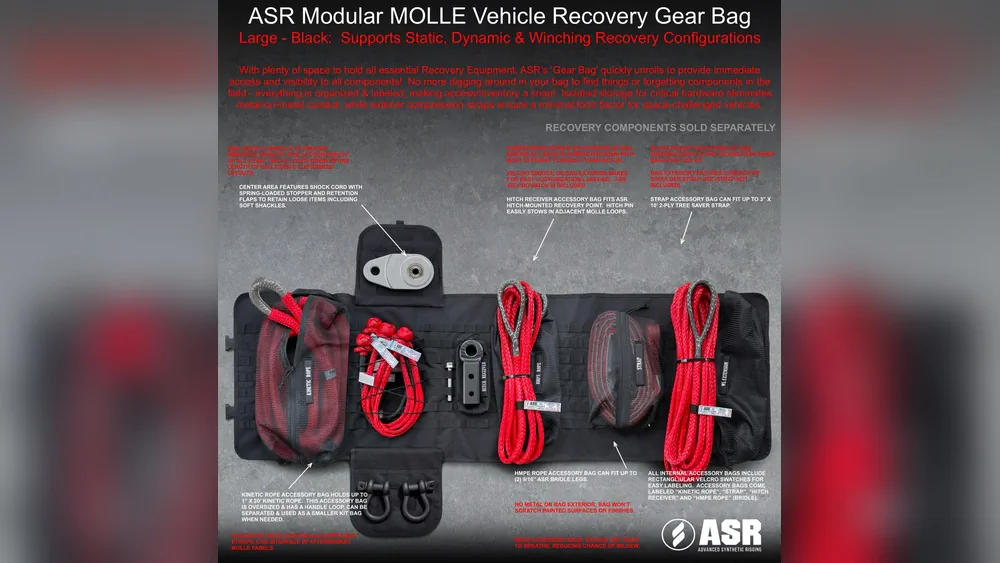
Getting stuck on a muddy trail or a tricky slope is a common story for off-road drivers. Winches are a lifesaver, but traditional metal snatch blocks can be heavy and slow to set up. That’s where winch recovery rings paired with a carabiner step in—they offer a strong, lightweight, and compact solution for tricky recoveries. If you’re new to this technique, don’t worry. By the end of this guide, you’ll know exactly how to use winch recovery rings with a carabiner, what to watch out for, and how to get the safest, smoothest recovery possible.
What Is A Winch Recovery Ring?
A winch recovery ring is a small, round device made from strong aluminum or steel. It’s designed to replace the traditional snatch block. Instead of using a pulley with moving parts, the ring is a simple, smooth loop. When you pass a synthetic winch line through the ring and anchor it with a soft shackle or carabiner, it lets the rope glide smoothly, redirecting the pulling force around obstacles or doubling your pulling power.
These rings are popular among overlanders, off-roaders, and rescue teams because they’re much lighter and easier to carry than old-style blocks.
Why Use A Carabiner With A Recovery Ring?
Most recovery guides recommend soft shackles for connecting rings, but a strong, rated carabiner can also work in many cases. Carabiners are easier and faster to clip and unclip, especially if you’re wearing gloves or your hands are cold. Plus, they’re less likely to jam or seize up compared to traditional steel shackles.
However, not all carabiners are equal. Only use locking, load-rated carabiners designed for recovery or climbing—never cheap hardware store models.
When Should You Use A Winch Recovery Ring Setup?
Recovery rings and carabiners are best for:
- Redirecting your winch line around a tree or rock when you can’t pull straight
- Doubling your winch’s pulling power with a double-line pull
- Saving weight in your recovery kit (rings are compact and don’t rust like steel blocks)
They’re not suitable for use with steel winch cables—only synthetic winch lines.
What You Need Before You Start
Before heading out on your next adventure, make sure you have:
- Winch with synthetic rope (rings don’t work with steel cables)
- Winch recovery ring (load rating at least equal to your winch)
- Locking, load-rated carabiner (at least 10,000 lbs rating)
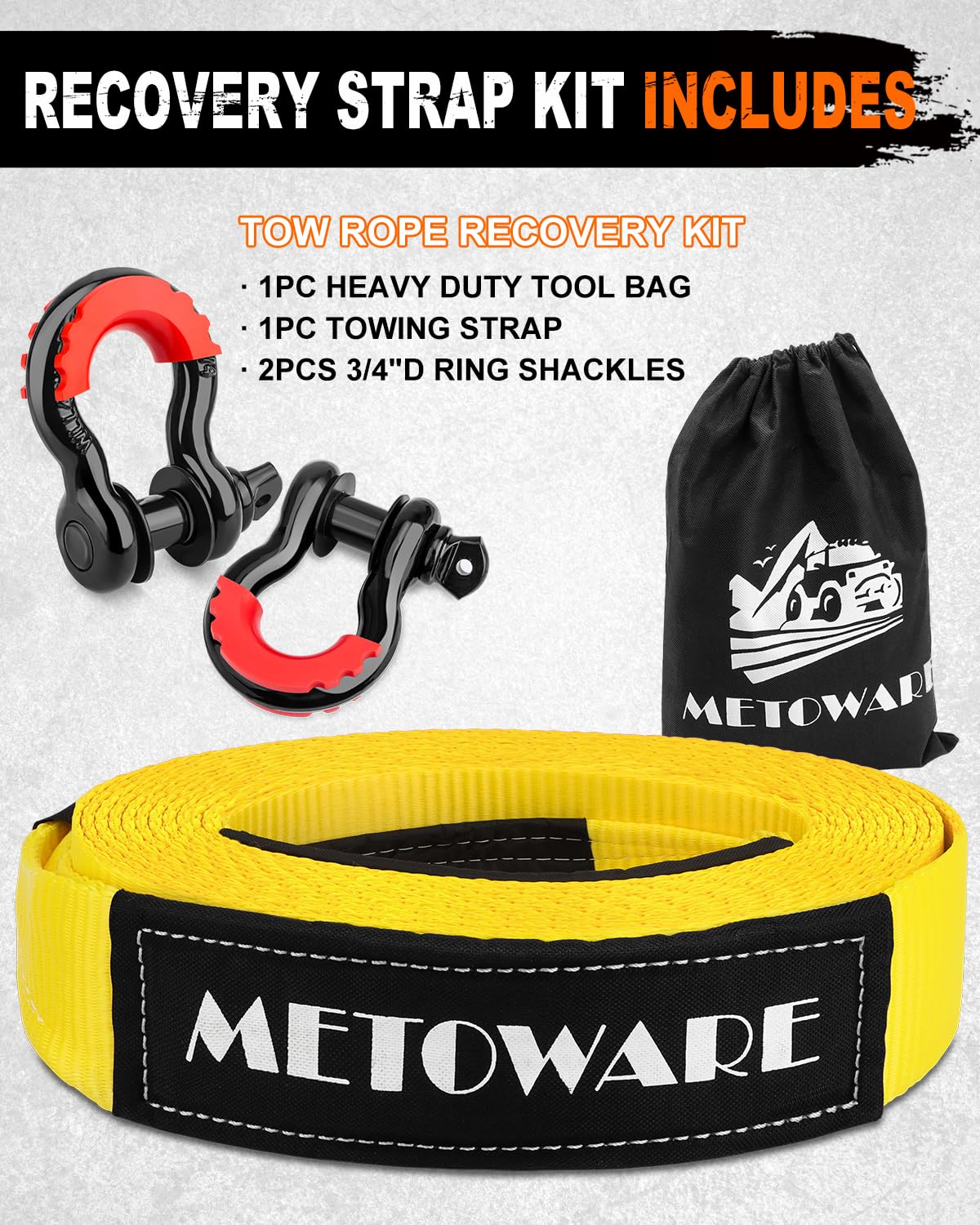
- Anchor strap or tree saver strap
- Recovery gloves (to protect your hands)
- Soft shackle (optional, as an alternative to carabiner)
- Recovery damper (to drop over the line for safety)
Keep all gear clean and free from sand, dirt, or sharp edges.
Step-by-step: How To Use A Winch Recovery Ring With A Carabiner
1. Assess The Situation And Plan Your Pull
Before touching your gear, walk around your vehicle and the recovery area:
- Check if the ground is stable.
- Choose the best anchor point (tree, rock, or another vehicle).
- Plan the safest direction for the winch line.
Non-obvious tip: Always think two steps ahead—plan what will happen if something fails. Where will the rope or carabiner go if it breaks loose?
2. Set Up Your Anchor Point
Wrap your anchor strap around the chosen anchor. Make sure the strap is flat and not twisted. The anchor must be strong enough to handle your vehicle’s weight.
Common mistake: Never wrap a winch line or strap directly around a tree without a protective strap—it can damage the tree and weaken your gear.
3. Attach The Recovery Ring
Take your recovery ring and place it onto the loop of the anchor strap. The smooth groove should face outwards, ready for the rope.
4. Connect The Carabiner
Clip your locking carabiner through both the anchor strap loop and the hole in the recovery ring. Make sure the carabiner is fully closed and locked.
Non-obvious tip: Position the carabiner gate on the opposite side of the expected load. This reduces the risk of accidental opening.
5. Run The Winch Line
Pull your synthetic winch line out from the drum. Pass the line through the groove of the recovery ring, making sure it sits smoothly and isn’t twisted.
Safety note: Never let the winch line rub against rocks or sharp edges. Synthetic rope can cut easily.
6. Complete The Setup
If you need to make a double-line pull (for extra power), take the end of your winch line back to a recovery point on your vehicle and secure it with another carabiner or soft shackle.
If it’s a redirect, just keep the winch line going toward your vehicle’s recovery point.
7. Add A Recovery Damper
Drape a recovery damper or heavy jacket over the winch line between the ring and your vehicle. This helps absorb energy if the line snaps.
8. Clear The Area And Start Winching
Ask all bystanders to stand well clear (at least 1. 5 times the length of the winch line). Put your gloves on and slowly operate the winch. Keep an eye on the ring and carabiner—if you hear cracking, popping, or see anything bending, stop immediately.
9. Complete The Recovery
Once your vehicle is free, stop winching. Carefully release tension, remove the damper, and unclip the carabiner. Pack up your gear and inspect everything for damage before storing.
Comparison: Recovery Ring Vs. Snatch Block
To help you decide when to use a recovery ring over a snatch block, see this comparison.
| Feature | Winch Recovery Ring | Snatch Block |
|---|---|---|
| Weight | Light (0.5 – 1 lb) | Heavy (2 – 6 lbs) |
| For Synthetic Rope | Yes | Yes |
| For Steel Cable | No | Yes |
| Maintenance Needed | Low | High (grease, moving parts) |
| Price Range | $30–$70 | $40–$100 |

Credit: www.gearamerica.com
Choosing The Right Carabiner For Winch Recovery
Never use just any carabiner. Here’s what to look for:
- Load rating: Must be at least 10,000 lbs (45 kN) for vehicle recovery.
- Locking mechanism: Screw-gate or auto-locking is best.
- Material: Forged steel or high-strength aluminum (not cheap cast metal).
- Certification: Look for stamped ratings (UIAA or CE for climbing, or off-road brands).
Here’s a look at popular types:
| Type | Material | Typical Rating | Best For |
|---|---|---|---|
| Screw-gate | Aluminum | 20–30 kN | Quick setups, light weight |
| Auto-locking | Steel | 25–50 kN | Maximum safety |
| Twist-lock | Aluminum or Steel | 20–30 kN | Gloved hands, fast access |
Never use non-locking or decorative carabiners. A hardware store or keychain model can break dangerously under load.
Common Mistakes And How To Avoid Them
- Using a steel cable with the ring: Recovery rings are only for synthetic lines. Steel can gouge the ring and fail.
- Choosing the wrong carabiner: Only use rated, locking carabiners. Never improvise.
- Not inspecting gear: Sand or small cracks can weaken your ring or carabiner. Always check for damage before and after use.
- Standing in the danger zone: Always keep people away from the path of a loaded winch line.
- Forgetting the damper: A recovery damper can prevent serious injury if the line breaks.
Real-world Example: Off-road Mud Recovery
Imagine your 4×4 is stuck in deep mud. You can’t pull straight because of a big tree. Here’s how you’d use a winch recovery ring and carabiner:
- Wrap a tree saver strap around the tree off to the side.
- Attach the recovery ring and carabiner to the strap.
- Run your winch line from your vehicle, through the ring, and back to a recovery point.
- Add a damper.
- Winch slowly—the ring redirects force around the tree, helping you pull sideways without damaging your rope or anchor.
Many off-roaders find this setup faster and lighter than traditional blocks, especially when working alone or in remote spots.
Practical Tips For Safe, Efficient Recovery
- Keep your gear clean and dry. Mud or grit can damage both rings and ropes.
- Practice recovery setups in your driveway or a safe area before you need them in real life.
- Store your recovery ring and carabiner in a padded bag to prevent scratches or nicks.
- If your carabiner becomes hard to lock, clean it with fresh water and a small brush.
- Replace any gear that shows signs of wear, cracks, or deep scratches.
Credit: www.amazon.com
When Not To Use A Recovery Ring And Carabiner
Recovery rings are not universal. Avoid them in these situations:
- Steel winch cable: Only use with synthetic rope.
- Sharp or rough anchor points: If the anchor could cut the rope or damage the ring, switch to another method.
- Extreme angles or heavy loads: If your vehicle is much heavier than the ring or carabiner rating, use a heavy-duty snatch block instead.
If you’re working in freezing conditions, check your carabiner and ring for ice or snow that might affect locking or rope movement.
Maintenance: Keeping Your Gear Safe
After each use:
- Clean your ring and carabiner with water. Dry them to prevent corrosion.
- Inspect for any burrs, cracks, or sharp edges.
- Lubricate the carabiner’s locking mechanism if needed (use a dry lubricant, not oil).
- Store in a dry, padded case.
Every few months, check the manufacturer’s guidelines for updates or recalls on your specific gear.
How Recovery Rings And Carabiners Are Tested
Manufacturers test recovery rings and carabiners with static and dynamic loads far above their rated working loads. For example, a 10,000 lb (45 kN) carabiner may be tested up to 15,000 lbs before breaking. Always use gear well below its rated maximum for safety.
For more details on testing standards, see Wikipedia’s carabiner article.
Frequently Asked Questions
What’s The Main Advantage Of A Winch Recovery Ring Over A Snatch Block?
Winch recovery rings are lighter, easier to carry, and have no moving parts to grease or maintain. They work perfectly with synthetic winch lines and make setup faster, especially for solo off-roaders.
Can I Use Any Carabiner With My Recovery Ring?
No. Only use locking, load-rated carabiners made for recovery or climbing. Hardware store or keychain carabiners are not strong enough and may break under vehicle loads.
Is It Safe To Use A Recovery Ring With Steel Winch Cable?
Never. Recovery rings are only for synthetic winch ropes. Steel cable can damage the ring and is more likely to slip or cut through it.
Do I Need A Damper When Winching With A Ring And Carabiner?
Yes. A recovery damper (or a heavy jacket) is essential for safety. It helps absorb energy if the rope breaks, reducing the risk of injury.
How Often Should I Inspect My Recovery Ring And Carabiner?
Check your gear before and after every use. Look for cracks, sharp edges, or corrosion. Clean after use, especially if exposed to mud, sand, or saltwater.
Winch recovery rings and carabiners are game-changers for modern off-roaders. When used correctly, they make every recovery safer, lighter, and quicker. With practice and the right gear, you’ll have the confidence to handle even the toughest trails.

Credit: www.youtube.com
Related posts
 Why You Should Use a Foam Cannon for Car Washing: Ultimate Guide
Washing your car is more than just making it look good. It protects the paint, keeps the value high, and makes driving feel better. But if…
 How to Clean Leather Seats Without Damaging Them: Expert Tips
Keeping your leather seats clean can be a challenge. Leather looks beautiful and feels luxurious, but it needs special care. Many people worry about damaging their…
 Why Using a Ceramic Coating Spray is Important for Your Car’s Shine
If you care about your car’s appearance and value, you probably wash and wax it regularly. But did you know there’s a better way to protect…